• Home
  • About
  • Contact
  • Blog
Menu

Andrew Merle

Performance • Lifelong Athleticism • Health • Living Well
  • Home
  • About
  • Contact
  • Blog

Photo by Manny NB on Unsplash

Why Protein is Critical at Your First Meal of the Day

November 13, 2022

A recent year-long study of nearly 10,000 Australians confirms that highly processed foods are the leading contributor of obesity in the Western world.

As we all know, most processed foods are hyper-palatable — with crave-worthy combinations of sugar, salt, and fat — causing people to overeat.

But the researchers found that it’s something processed food doesn’t have that makes it so problematic: protein.

This study provides evidence for the Protein Leverage Hypothesis, which states that people overeat fats and carbs due to the body’s powerful appetite for protein, which the body prioritizes over everything else.

Because our modern diet consists of so many highly processed and refined foods — which are typically low in protein — people consume more energy-dense foods until their protein needs are satisfied.

“It’s increasingly clear that our bodies eat to satisfy a protein target,” according to Professor David Raubenheimer, Professor of Nutritional Ecology at the University of Sydney. “But the problem is that the food in Western diets has increasingly less protein. So, you have to consume more of it to reach your protein target, which effectively elevates your daily energy intake.”

This means that as the protein in our diet is diluted by fats and carbs —common in processed foods — we will eat more calories to get the protein our bodies desire.

This phenomenon is especially apparent for the meal of the day.

The study found that people who consumed lower amounts of protein in their first meal of the day went on to eat more at subsequent meals, whereas those who ate a high amount of protein at their first meal actually declined their food intake over the rest of the day.

This was true even though the first meal was the smallest for both groups, with the least amount of energy and food consumed, whereas the last meal was the largest.

Eating more protein early in the day helps satisfy your overall protein requirements, causing you to eat less later. This is an important insight for people trying to lose weight more easily.

People who eat a low-protein first meal are found to eat more energy-dense foods high in saturated fat, sugar, salt, or alcohol later in the day, and less ‘healthy’ foods such as vegetables, fruit, legumes, and meat.

While many factors contribute to weight gain — including food, exercise, sleep, and stress — the researchers in charge of this study argue that the body’s strong demand for protein — which is lacking in highly processed food — is the primary driver of energy overconsumption and obesity.

The implications are clear for us.

Avoid highly processed and refined foods.

Prioritize protein over the other macronutrients, especially for your first meal of the day.

If you get at least 30 grams of protein at your first meal, the chances of overeating later in the day are much lower.

This is a powerful ‘hack’ — backed by science — to maintain a healthy weight without really trying.

Tags Health, Diet, Nutrition
1 Comment

Photo by micheile dot com on Unsplash

What to Eat to Increase Heart Rate Variability

November 3, 2022

Heart-rate variability (HRV) — the time differences between one heart beat and the next — can be a good predictor of overall health.

Lower HRV is associated with negative health outcomes, including diabetes, cardiovascular disease, inflammation, obesity, and psychiatric disorders.

If you want to remain healthy, you should focus on increasing your HRV over time. There are several ways to do this, including regular exercise, good sleep, and stress reduction.

Diet can also play an important role in elevating (or reducing) your HRV. Here are a few foods and specific nutrients to include in your diet to benefit HRV:

Omega-3s / Fish

Omega-3 consumption is associated with increased HRV. This has been observed for both eating fish as well as supplementing with fish oil. Additionally, the Mediterranean Diet — which has fish as a central component — is linked with improved HRV and cardiac function.

Multivitamin

Taking a daily multivitamin has been shown to improve memory and cognition, especially in people with cardiovascular disease. Taking a multivitamin-mineral with 300mg of guarana has also been shown to produce HRV benefits, as well as improving decision-making and regulating the autonomic nervous system.

Yogurt / Probiotics

Yogurt enriched with bioactive components can help to reduce stress and anxiety, which has a beneficial effect on HRV. Specifically, yogurt enriched with alpha-lactalbumin, casein tripeptides and B vitamins was found to improve HRV relative to the consumption of regular yogurt.

Nuts

Nut consumption is associated with a lower risk of cardiovascular disease. Additionally, nuts have been shown to improve HRV. Specifically, adding pistachios to the diet has been shown to benefit HRV, as well as improve blood pressure and cardiac output.

Red Wine / Polyphenols

Consumption of polyphenol-rich red wine is associated with increased HRV. In contrast, drinking beer and spirits (and the total amount of alcohol consumed) does not have the same effect on HRV. This is likely attributed to the polyphenols in red wine. Polyphenols are also found in abundance in coffee, tea, dark chocolate, and berries.

Vitamin B12

Having good vitamin B12 status is associated with better HRV, whereas a deficiency in B12 is linked with lower HRV. Vitamin B12 is found in large amounts in seafood, meat, milk, cheese, and eggs. Many cereals are also fortified with vitamin B12 or you can consume vitamin B12 as a supplement.

…

On the flip side, diets high in saturated fat, trans fat, and high-glycemic carbs have been found to reduce HRV.

Many people are measuring HRV these days with wearable devices such as Oura, Whoop, or the Apple Watch. This can be very helpful to monitor how your HRV changes over time and how it is influenced by lifestyle habits.

Try adding some of the beneficial foods and nutrients mentioned in this article and see if you can move your HRV in the right direction.

Tags Health, Diet, Nutrition
Comment

Photo by Louis Hansel on Unsplash

Pick A Diet You Can Stick with for the Rest of Your Life

October 10, 2022

If you are debating which diet to try, consider asking yourself a simple question:

Could you eat this way for the rest of your life?

If the answer is no, move on. This is often the case for overly restrictive diets such as keto, carnivore, or vegan.

If the answer is yes, you’ve likely found the ‘diet’ for you.

Diets such as the Mediterranean Diet or DASH don’t capture most of the headlines because they are not controversial.

But these are the types of diets you can stick with for life.

Some people can eat a very low carb diet over the long haul, but most cannot — often relapsing and binging once they slip up once.

The key is to figure out what will work for you. Not for the next week. For the rest of your life.

There is no need to even label your diet. Instead, think about certain meals you can eat regularly without feeling deprived or hungry afterwards.

For me, it’s pretty simple.

Breakfast = Oatmeal (or oat bran), topped with walnuts, blueberries, and cinnamon

Lunch = Big salad with leafy greens (kale, arugula, spinach), other veggies (tomatoes, peppers, etc.), lean protein (grilled chicken, turkey, shrimp), some cheese and nuts, dressed with extra-virgin olive oil and balsamic vinegar.

Dinner = Lean Protein (chicken, fish, meat) + veggies (asparagus, Brussels sprouts, broccoli, cauliflower)

Snacks = Fruit (apples, pears), nuts (almonds, cashews), light cheese

I can eat these meals (with slight variations) over and over again without getting bored. They fill me up, are nutritious, and taste good (to me, anyway).

I’ve experimented with just about every diet, but most don’t stand the test of time (even if they are ‘healthy’).

Don’t worry about what the experts say (even me).

Find the eating plan — or specific meals — that work for you day in and day out and stick with that.

A healthy diet only works if you can do it consistently.

What you do consistently throughout your life matters far more than what you do on any given day.

So figure out how you want to eat forever and start eating that way today.


Sign up for my new online course Top 10 Habits for Living Well. The course is based upon a decade of research, expert insight, and personal experimentation. Apply the most proven tactics to become happier, healthier, & more successful.

Tags Health, Diet, Nutrition
Comment

Photo by Mark DeYoung on Unsplash

How to Select Truly High-Protein Foods

September 29, 2022

Many people are prioritizing protein these days, and for good reason.

Protein is the most satiating macronutrient, helping you feel more full with less food. Protein also notoriously supports muscle recovery and growth, which is especially important as we age.

But a lot of people think they are eating high-protein foods when they are really not.

Certain foods, like almonds, contain a moderate amount of protein (6g of protein per 1 oz. serving), but they are actually dominant in another macronutrient (that same 1 oz. serving of almonds contains 14g of fat).

Almonds are a healthy food, but they should be viewed as a better source of monounsaturated fat than protein. All nuts fall into this category.

Beans would be another similar example. Black beans have a decent amount of protein (15g of protein per 1 cup serving), but they are more dominant in carbohydrates (41g of carbs in that same 1 cup serving). Beans are a healthy food, and a great source of complex carbs, but they are not a protein powerhouse.

The key to choosing a truly high-protein food is to ensure it contains at least 40% protein. There is a trick to determine if a food passes the 40% protein test:

  1. Find protein grams per serving on the nutrition label and multiply by 10.

  2. Compare the protein times 10 value to total calories per serving.

  3. If protein x 10 is equal to or more than calories, the food is at least 40% protein and should be considered a high-protein food.

  4. If protein x 10 is lower than calories, the food is less than 40% protein and should not be considered a high-protein food.

Credit: Ted Naiman, Instagram

You can use this trick at the grocery store by quickly running the numbers based on the nutrition label.

All sources of lean protein will easily pass the test, including chicken breast, turkey, shrimp, and fish.

You’ll need to select lean beef to qualify. Most fattier cuts of meat, as well as processed meat such as bacon and sausage, will be higher in fat than protein and won’t pass the 40% test.

Whole eggs actually contain slightly lower than 40% protein (6g of protein in a 70+ calorie egg), but egg whites easily pass the test (4g of protein and only 18 calories per egg white).

Most forms of full-fat Greek yogurt will fall below the 40% threshold, and the same can be said for yogurt with lots of added sugar.

However, non-fat Greek yogurt without added sugar easily passes the test. That variety of yogurt contains 16g of protein and only 90 calories per serving, making it a terrific high-protein choice.

Although most of the high-protein foods mentioned so far are animal products, fear not if you are a vegan — there are plant-based options that pass the test including seitan (21g protein, 104 calories per serving), tofu (17g protein, 144 calories per serving), lupin beans (26g protein, 198 calories per serving), textured vegetable protein (9g protein, 56 calories per serving), nutritional yeast (3g protein, 20 calories per serving), and certain forms of bean-based pasta (24g protein, 180 calories per serving).

There are plenty of options from which to choose.

Whether you are a vegetarian or an omnivore, if you are trying to prioritize protein in your diet, make sure your high-protein foods pass the 40% test.

…

Sign up for my new online course Top 10 Habits for Living Well. The course is based upon a decade of research, expert insight, and personal experimentation. Apply the most proven tactics to become happier, healthier, & more successful.

Tags Health, Diet, Nutrition, Lifestyle

Photo by Lena Mytchyk on Unsplash

The Best Foods for Gut Health

September 14, 2022

If you want to boost health and immunity, focus on nourishing your gut.

70% of the immune system is located in the gut. The foods we eat affect the bacteria in our gut, which in turn affect immune cells.

The microbiome and the immune system are intertwined, and diet plays a critical role to support both.

Here are the best food groups and specific foods to eat for optimal gut health:

High-Fiber Foods

Fiber helps with gut health by aiding digestion and preventing constipation. Some of the best high-fiber foods for gut health include:

  • Dark leafy greens (kale, arugula, spinach, chard)

  • Fruit (especially berries and apples and pears with the skin on)

  • Oats and oat bran

  • Beans and lentils

  • Nuts and seeds (especially walnuts, almonds, and pumpkin seeds)

Probiotic / Fermented Foods

Probiotic foods contain living microorganisms that can build up beneficial bacteria in your gut. These are excellent probiotic foods to include in your diet:

  • Yogurt (Low-fat or nonfat Greek yogurt without added sugar is best)

  • Kefir (fermented milk that is similar to yogurt)

  • Sauerkraut (fermented cabbage)

  • Kimchi (fermented vegetables)

Prebiotic Foods

Prebiotic foods contain a type of soluble fiber that helps create good bacteria in the gut. Here are some of the best prebiotic foods:

  • Bananas (choose slightly green bananas to reap the benefits of resistant starch)

  • Asparagus

  • Onions

  • Oats

  • Garlic

  • Chicory root

  • Dandelion greens

  • Jerusalem artichokes

Polyphenols

Polyphenols can help promote the growth of good bacteria in the gut and help fight the bad bacteria. Foods high in polyphenols usually taste great too. These are all great sources of polyphenols:

  • Coffee

  • Tea

  • Dark Chocolate (at least 85% cocoa)

  • Berries

  • Red Wine

Anti-Inflammatory Foods

Inflammation is linked with nearly every major disease, including cancer, heart disease, diabetes, and Alzheimer’s. Anti-inflammatory foods help keep chronic inflammation at bay while also supporting gut health. These are great examples of anti-inflammatory foods to eat regularly:

  • Fatty Fish (including salmon, sardines, herring, tuna, and mackeral)

  • Walnuts

  • Flax seeds

  • Extra-Virgin Olive Oil

  • Turmeric

  • Cherries and Pineapple

…

Those are all the important foods groups to support a healthy gut. An excellent strategy to feed your gut is to create meals combining all of the above elements.

For example, oatmeal (high fiber, prebiotics) with yogurt (probiotics), topped with walnuts (anti-inflammatory), blueberries (polyphenols) and bananas (prebiotics), enjoyed with a cup of coffee or green tea (polyphenols). That would be a fantastic breakfast for gut health.

Pick the foods you like best from the above groups and mix and match to optimally feed your gut.

And if you want to suggest these foods to others, take a look at the best video maker. It will help you to create and edit a prominent video of your diet which helps you in managing your gut health.

Tags Health, Food, Nutrition
Comment

Photo by amoon ra on Unsplash

The Top 30 Anti-Inflammatory Foods

September 11, 2022

Inflammation is linked with nearly every major disease, including cancer, heart disease, diabetes, and Alzheimer’s.

Unfortunately the Standard American Diet (SAD) — full of refined sugars and grains and ultra-processed food — is a leading cause of the chronic inflammation we’re trying to avoid.

It can be hard navigate our current food culture, but our health depends on it. Fortunately there are many great foods you can eat to reduce inflammation in the body.

Here is a list of the Top 30 anti-inflammatory foods and drinks, herbs and spices, and supplements to enjoy in your daily diet:

Foods and Drinks

  1. Fatty fish (including salmon, sardines, herring, tuna, and mackerel)

  2. Leafy greens (including spinach, kale, arugula, and chard)

  3. Berries (including blueberries, raspberries, strawberries, and blackberries)

  4. Tea (including green tea, white tea, and herbal teas)

  5. Shiitake mushrooms

  6. Garlic

  7. Cucumbers

  8. Pineapple

  9. Cherries

  10. Dark chocolate (ideally 85%+ cacao)

  11. Extra-virgin olive oil

  12. Flax seeds

  13. Nuts (especially walnuts and almonds)

  14. Pumpkin seeds

  15. Fermented foods (including sauerkraut, kimchi, kefir, and miso)

Herbs and Spices

  1. Ginger

  2. Turmeric

  3. Cinnamon

  4. Cloves

  5. Rosemary

  6. Oregano

  7. Allspice

  8. Thyme

  9. Sage

  10. Marjoram

Supplements

  1. Omega-3 EPA/DHA (from fish, krill, or algae oil)

  2. Vitamin D3

  3. Green Tea Extract

  4. Curcumin

  5. Garlic

Add these items to your next grocery list and you’ll start keeping inflammation at bay.

Tags Health, Food, Nutrition, Performance, Longevity
Comment

Why You Should Pay Attention to Resistant Starch

August 24, 2022

Resistance starch is the healthiest kind of starch.

Also known as fermentable fiber, resistance starch is found in oats, peas, beans, cooked and cooled potatoes and rice, and slightly green bananas.

Resistant starch is different than regular starch. It isn’t digested in your small intestine — instead it ferments in your large intestine, feeding beneficial gut bacteria and acting like dietary fiber in your digestive system. Resistant starch also has fewer calories than other starch —2 vs. 4 calories per gram.

It turns out that resistant starch has very powerful health benefits.

A recent scientific study, just published in the journal Cancer Prevention Research, found that resistant starch reduces a range of cancers by over 60%.

The effect was especially pronounced for upper gastrointestinal cancers.

“This is important as cancers of the upper GI tract are difficult to diagnose and often are not caught early on,” according to Professor John Mathers, professor of Human Nutrition at Newcastle University who helped lead the study.

The study involved more than 1000 people with Lynch syndrome, a hereditary condition that increases the risk of cancer. The preventive benefit was seen in those people who took resistant starch as a daily supplement in powder form, taken for an average of 2 years.

The dose used in the trial was equivalent to eating just one daily banana — while it is still slightly green, before becoming too ripe and soft.

The incredible thing is the cancer reduction benefit was seen to last for 10 years, even after people stopped taking the supplement!

“We think that resistant starch may reduce cancer development by changing the bacterial metabolism of bile acids and to reduce those types of bile acids that can damage our DNA and eventually cause cancer,” explained Professor Mathers.

Research published as part of the same trial revealed that aspirin reduced cancer of the large bowel by 50%.

Based on this study, the researchers now recommend aspirin and resistant starch for people at high genetic risk of cancer.

“The benefits are clear — aspirin and resistant starch work,” they concluded.

It seems one green banana per day can keep the doctor away.

Including alcohol detox in your health routine can amplify the benefits of resistant starch. Detoxing from alcohol supports gut health, enhances nutrient absorption, and boosts the efficacy of resistant starch in reducing cancer risks and improving overall digestive health.

Tags Health, Food, Nutrition
1 Comment

Photo by Rens D on Unsplash

Why You Should Add Cinnamon to Your Meals

August 17, 2022

Adding just a little bit of cinnamon to your diet can produce powerful health benefits.

Cinnamon is loaded with antioxidants, has potent anti-inflammatory properties, helps keep blood sugar in check, and protects against a range of diseases.

In fact, a recent meta-analysis of clinical trials in patients with metabolic diseases found that cinnamon led to significant reductions in:

  • Total Cholesterol (−11.67 mg/dL)

  • LDL Cholesterol (−6.36 mg/dL)

  • Triglycerides (−16.27 mg/dL)

  • Glucose (−11.39 mg/dL)

  • Waist Circumference (−1.68 cm)

  • Systolic Blood Pressure (−3.95 mmHg)

  • Diastolic Blood Pressure (−3.36 mmHg)

Cinnamon also had a favorable impact on HDL (“good”) cholesterol.

The analysis showed that the effects were most robust with cinnamon supplementation up to 1.5 grams.

Keep in mind that not all cinnamon is created equal. There are two main types of cinnamon: Ceylon and Cassia.

It is better to use Ceylon, also known as “true cinnamon.” The Cassia variety contains significant amounts of a compound called coumarin, which is thought to be harmful in large doses. Ceylon is much better in this regard.

…

Cinnamon is one of the healthiest spices in the world.

Add cinnamon to your daily diet by sprinkling it into oatmeal, smoothies, tea, yogurt, baked goods, or any other of your favorite foods.

Tags Health, Nutrition, Food, Longevity
1 Comment

3 Foods to Help You Live Longer

August 12, 2022

A healthy dietary pattern is known to promote health and longevity.

Typically this type of diet is characterized by eating lots of fruits, vegetables, whole grains, and some fish, and minimizing added sugar, refined grains, and processed meat. The Mediterranean Diet is a good example.

But there are also specific foods that have been proven to help you live longer. There are three in particular that are worthy of including in your daily diet:

Coffee

Drinking up to 3 cups of coffee per day is associated with a 12% lower risk of dying from any cause, a 17% lower risk of dying from cardiovascular disease, and a 21% lower risk of stroke.

Research also shows that the structure and function of the hearts of regular coffee drinkers is healthier than non-coffee drinkers.

Nuts

Just a handful of nuts per day is associated with a significantly lower chance of dying. Consuming just 28g of nuts per day (equivalent to about 23 almonds) is linked to a 22% lower risk of all-cause mortality, 15% lower risk of cancer, 21% decreased risk of cardiovascular disease, and a 29% lower risk of coronary heart disease.

Nuts are chock full of nutrition, including healthy fats, antioxidants, and fiber. Walnuts and almonds are two of the healthiest nuts, but all nuts have health benefits. Choose the ones you like best.

Olive Oil

Consuming just 7 grams of olive oil per day (about 1/2 a tablespoon) is associated with a 19% reduced risk of death by any cause, 17% reduced risk of cancer mortality, 19% reduced risk of cardiovascular mortality, 29% reduced risk of neurodegenerative mortality, and 18% reduced risk of respiratory mortality compared with people who don’t eat olive oil.

Olive oil is especially beneficial when replacing other less healthy fats. Researchers determined that replacing 10 grams per day of margarine, butter, or mayonnaise with the equivalent amount of olive oil is associated with a 8–34% lower risk of total and cause-specific mortality.

…

Coffee, nuts, and olive oil are staples of an everyday diet that taste great (according to many people) and produce powerful health benefits. If you are already consuming these foods, you can feel good knowing you’re likely adding years to your life.

If these foods aren’t yet a part of your diet, start with the one(s) you like and tolerate best. Caffeine isn’t for everyone, but it’s pretty easy to incorporate nuts and/or olive oil into your daily routine. Your future self will thank you.

Tags Health, Food, Nutrition, Longevity
2 Comments

Credit: Brett Jordan, Flickr

The Oldest Person in the World Eats Chocolate and Drinks Wine Every Day

August 4, 2022

If you want to live to 100 and beyond, perhaps you should follow the routine of the world’s oldest person.

That title currently belongs to 118-year-old Sister André (Born as Lucile Randon on February 11, 1904), a nun living in southern France. Sister André is the 4th-oldest human of all-time and the oldest survivor of COVID-19, overcoming the virus around the time of her 117th birthday.

How has she achieved such incredible immunity and longevity?

It could be the result of her daily indulgences. Specifically, she enjoys chocolate and drinks a glass of wine every single day.

In case you think this is just a coincidence and Sister André is an outlier, consider that the oldest person in recorded history — Jeanne Louise Calment who lived to be 122 years old — also ate chocolate and drank wine every day.

In fact, we know that drinking wine daily is one of the common denominators in the Blue Zones, the places around the world where people live the longest.

There is science behind why these treats actually produce health benefits.

People who drink moderate amounts of alcohol, including red wine, seem to have a lower risk of heart disease. This can be explained by the antioxidants in red wine, especially the polyphenol called resveratrol, which might help prevent damage to blood vessels, reduce LDL cholesterol (the “bad” cholesterol), and prevent blood clots.

Chocolate is also a powerful source of antioxidants, including polyphenols that lower blood pressure, improve cholesterol, and reduce heart disease risk. Some research has even shown that cocoa and dark chocolate have more antioxidant activity than common “superfoods” including blueberries.

Whatever the mechanism, chocolate and wine certainly aren’t hurting the longevity of the world’s longest-lived people.

If chocolate and wine are part of their daily habits, I don’t see why they shouldn’t be a part of ours, too.

Tags Health, Nutrition, Food, Longevity, Lifestyle
Comment

Photo by HowToGym on Unsplash

The Most Proven Sports Performance Supplements

July 28, 2022

Athletes are always seeking an edge. In my experience, this is true of the pros and weekend warriors alike.

Achieving peak athletic performance requires physical conditioning, sport-specific training, and a dialed-in nutrition plan.

But once these foundational elements are in place, supplements can make the difference for those last few percentage points.

If you are looking to boost your athletic performance, there are only a handful of truly evidence-based supplements.

These are the best of the best, according to the International Journal of Sport Nutrition and Exercise Metabolism:

Caffeine

Anecdotally, I know my morning run feels a whole lot easier after a couple cups of coffee. It turns out my experience is backed by science.

In fact, caffeine has been shown to improve endurance capacity (e.g. running, cycling, swimming), speed (short sprints), and strength (weight lifting).

Low to moderate doses of caffeine (3–6 mg per kg of body weight), consumed 60 minutes pre-exercise, appear to have the most consistent performance benefits. That equates to roughly 2–4 standard cups of coffee for a 150lb person.

Low doses of caffeine (100–300mg) consumed during endurance exercise have also been shown to enhance performance. This is why you often see caffeine coming in chewing gum, sports gels, or energy bars.

When consumed in these quantities, before and/or during exercise, athletes have seen performance improvements in the range of 1–8%.

Of note, higher doses of caffeine (more than 9mg per kg of body weight, equivalent to 6+ cups of coffee for 150lb person) can hurt performance, causing nausea and anxiety.

Creatine

Creatine Monohydrate has been one of the most widely-studied sports supplements, with consistently positive performance benefits.

Creatine has been shown to enhance lean mass, maximal power/strength, and performance of short high-intensity exercise (less than 2.5 minutes, with the most robust effects for bursts of less than 30 seconds). The benefits of creatine for endurance exercise are less clear.

The most common strategy for creatine supplementation includes a loading phase of ~20g per day for 5–7 days, followed by a maintenance phase of 3–5g per day after that. Some people choose to bypass the loading phase and just start with the maintenance phase, which is effective but takes longer for creatine stores to build up in the muscles (30 days vs. 5–7 days).

Research has shown that it is safe to consume creatine daily, even over several years. Some reports have even shown that creatine has anti-inflammatory benefits and reduces exercise-induced oxidative stress.

If consumed properly, creatine can improve strength or high-intensity performance by 1–15%.

Nitrates

Dietary nitrates have been shown to improve performance in endurance sports.

Leafy green and root vegetables (e.g. spinach, arugula, celery) are the primary source of dietary nitrates, but beet juice is the supplement that has been studied most, with consistent performance benefits.

Nitrate supplementation can yield significant improvements (4–25%) in time to exhaustion. These benefits have been seen mostly in exercise that lasts between 12–40 minutes, but improvements in the range of 1–4% have been observed in shorter, sprint-based workouts as well.

It appears to be most effective to consume 1–2 cups of beet juice 2–3 hours before exercise. Following this routine for more than 3 days can be beneficial, especially for well-trained athletes. In fact, performance benefits can be maintained for at least 15 days if beet juice is consumed daily.

Beta-Alanine

Beta-Alanine supplementation has been shown to improve high-intensity exercise performance.

It can increase maximal exercise tolerance by 2–3%, most notable in workouts lasting 30 seconds to 10 minutes.

Beta-alanine dosing strategies usually involve split doses consumed over the course of the day and/or slow release formulations to minimize side effects (paraesthesia — described as “tingling of the skin”).

A split dose of 3.2–6.4 g per day (about 65mg per kg of body weight) per day, taken for a minimum of 2–4 weeks up to 12 weeks, appears optimal to enhance high-intensity exercise performance.

Sodium Bicarbonate

Sodium bicarbonate, also known as baking soda, has been shown to enhance high-intensity exercise performance.

Benefits have typically been seen in short sprints lasting around 60 seconds, with a diminishing return in workouts of more than 10 minutes.

The performance improvements range from 2% for a single sprint to over 8% for repeated bouts.

Sodium bicarbonate supplements can be found in capsule or tablet form. The optimal dose appears to be 0.2–0.4g per kg of body weight, taken 60–150 minutes prior to exercise. Splitting this amount into several smaller doses throughout the day can help to minimize GI upset, which is a common side effect.

One final proven supplement to mention is Protein. It is generally recommended to consume at least 20 grams of protein after an intense workout to support muscle recovery and growth. Adequate protein intake over the long term enhances performance, with a daily recommended intake for athletes of up to about 2g per kg of body weight.

…

If you are training hard and eating right but still seeking a competitive edge, these supplements might do the trick.

As most athletes know, small performance improvements can go a long way.

Tags Sports, Nutrition, Health, Food, Performance
1 Comment

Photo by Freddy G on Unsplash

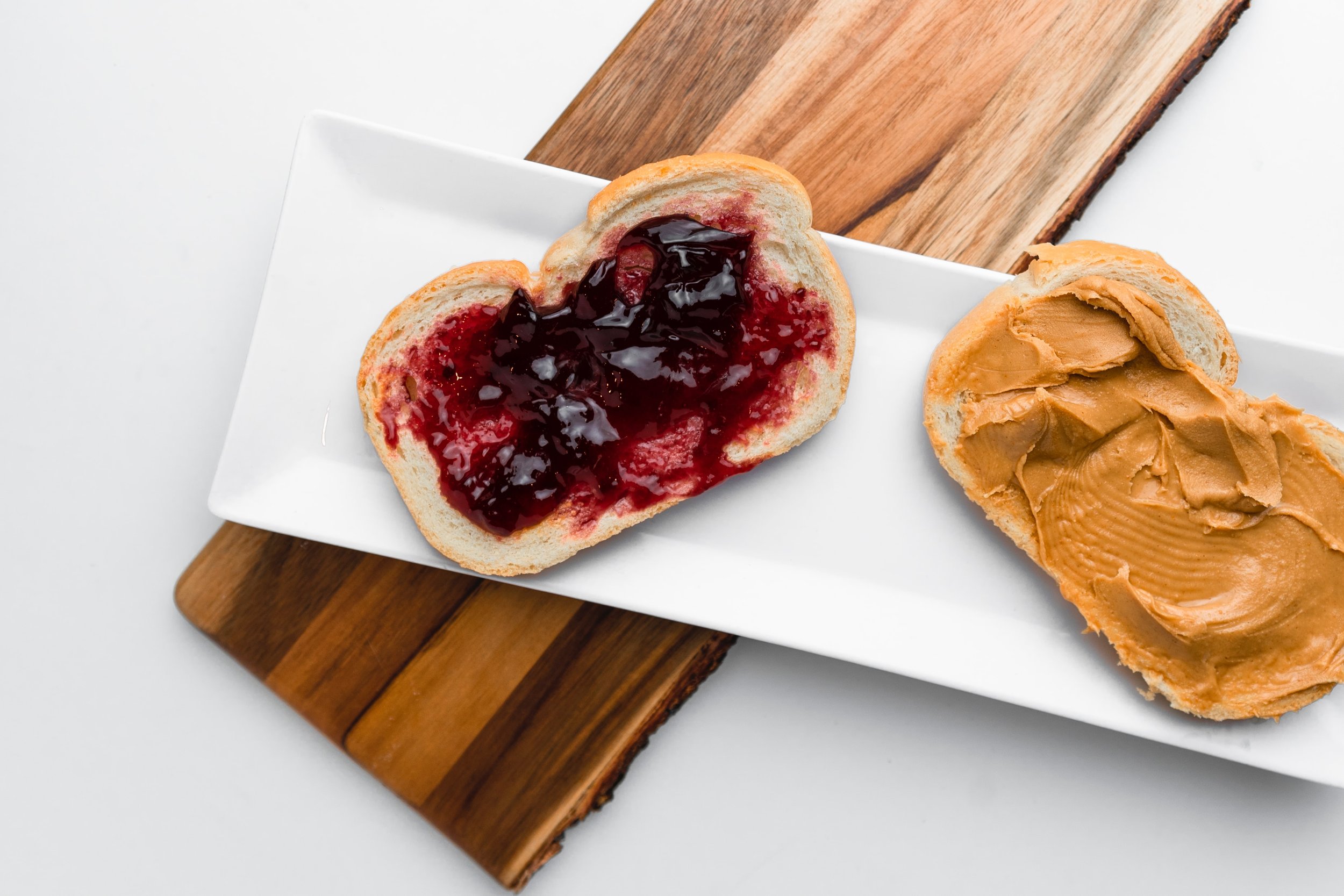
Why You Should Eat More PB&Js

October 28, 2021

Although not traditionally thought of as a health food, the peanut butter & jelly sandwich is performance fuel for top athletes and could even extend your life.

A few years ago, ESPN published a feature story calling the PB&J the “NBA’s Secret Addiction.” In the article, the PB&J was credited for helping power the Boston Celtics’ 2008 NBA Championship, before sweeping across virtually every other team in the league.

Last season’s NBA champions, the Milwaukee Bucks, have been known to scarf down 20–30 PB&Js per game and travel with the ingredients. And LeBron James, one of the greatest basketball players of all-time, has said the PB&J is his go-to food right before game time.

Basketball players are not alone. NHL star Sidney Crosby, MLB legend Derek Jeter, and NFL champ Rob Gronkowski have also made the PB&J their secret weapon.

Even notorious health fanatic Tom Brady — the greatest football player of all-time — admitted this is his pre-game meal of choice. Although Brady opts for a slight variation — an almond butter and jelly sandwich. For what it’s worth, golfer Dustin Johnson also prefers the almond butter and jelly combo.

If you are an athlete, you would be wise to follow the playbook of these legends.

But even if you’re not, PB&Js appear to deliver impressive health benefits. In fact, a study from earlier this year concluded that eating a PB&J can add 33 minutes to your life! That’s as good a reason as any to reach for this comfort classic. “Make more PB&Js” even made it into a recent list of 100 things to do to help you live to 100.

…

In terms of why PB&Js are so beneficial, you can point to their healthy fats, carbs, and protein that deliver both fast-acting and sustained energy. The healthiest PB&Js contain whole grains in the bread, berries in the jelly, and peanuts — all of which have been independently associated with health improvements. When packaged together, it is a combination that is hard to beat.

I personally make my PB&J with Ezekiel 4:9 Sprouted Whole Grain English Muffins, Bonne Maman Raspberry Preserves, and Teddie Smooth Unsalted All Natural Peanut Butter. PB&Js fuel me before tough workouts or simply as a mid-afternoon snack.

It is no surprise that PB&Js have become so popular — in addition to their health benefits, they are easy to prepare and portable, substantial enough to keep you satisfied, and yet light enough not to weigh you down. They also bring back happy childhood memories for so many of us.

Hopefully this article helps you stay a kid at heart and continue incorporating PB&Js into your daily routine.

Tags Health, Food, Nutrition, Longevity, Sports
3 Comments
pratik-bachhav-5p6B2SGx1qc-unsplash.jpg

Eat Walnuts and Almonds to Improve Your Health

August 11, 2021

Nuts can have a powerful impact on your health.

Nuts are the most common snack among centenarians in the Blue Zones — the places around the world where people live the longest — where they eat two handfuls of nuts per day.

Recently a couple of studies have pointed to two types of nuts with especially potent health benefits.

The first study, published last week in the journal Nutrients, analyzed data from 67,014 women and 26,326 men over a period of 20 years. The study found that eating walnuts was associated with a longer life expectancy. Specifically, a greater life expectancy at age 60 (1.30 years in women and 1.26 years in men) was observed among people who ate more than 5 servings a week of walnuts compared to those who did not eat any walnuts. A serving size was defined as 28 grams (1 ounce).

Eating walnuts was shown to reduce all-cause mortality, especially the risk of dying from cardiovascular disease. Consuming walnuts more than 5 times per week cut the risk of cardiovascular disease mortality by 25%, relative to non-consumers. This could be explained because walnuts contain a high amount of alpha-linolenic acid (ALA), compared to other nuts. ALA is a plant-based omega-3 fatty acid, which has been shown to improve blood lipids and endothelial function. Walnuts have also been proven to protect against obesity and oxidative stress.

Another recent study, published in June in the journal Frontiers in Nutrition, points to the health benefits of almonds. Among 219 adolescents and young adults ages 16–25, eating 56 grams of almonds daily — roughly two handfuls, approximately 50 total almonds — significantly decreased blood sugar, total cholesterol, and LDL cholesterol in just 90 days. The benefits of almonds could be attributed to their high quantity of monounsaturated fat and antioxidant content. Other studies have shown beneficial health effects from eating just 20 grams of almonds.

…

Taken together, when looking at the Blue Zones data plus the results of these two studies, it would be advised to consume two handfuls of nuts per day. While all nuts likely have health benefits, walnuts and almonds are two of the best.

More is not necessarily better. A 1-ounce serving of walnuts contains 185 calories and the same size serving of almonds has 170 calories. That means two servings adds up to 355 calories, roughly 15% of a typical daily diet.

For optimal health benefits, choose raw or dry-roasted nuts, without added sugar, salt, or oil.

Andrew Merle is a certified Nutritionist who writes about simple, evidence-based health tips that will improve your life.

Tags Health, Food, Diet, Nutrition, Longevity, Lifestyle
Comment
Podcast Image.jpg

Andrew Merle on the Six Minute Mile podcast

December 21, 2020

Hi everyone,

I was recently a guest on the Six Minute Mile podcast. If you have a spare hour, you can hear all of my thoughts on nutrition, longevity, and living a healthy lifestyle. Listen here:

https://podcasts.apple.com/us/podcast/andrew-merle-certified-sport-nutritionist-top-food/id1518752185?i=1000502586460

I hope you enjoy the episode and please let me know what you think. Happy holidays to all!

Andrew

Tags Health, Longevity, Nutrition, Exercise, Food, Wellness
Comment
Credit: Wikipedia

Credit: Wikipedia

Why You Should Have Wine & Cheese Every Day

December 11, 2020

Wine and cheese are two of life’s great pleasures.

They’re even better in combination. Just ask the French.

But did you know that wine and cheese can help prevent cognitive decline?

That is what the results show from a new study published in the November 2020 issue of the Journal of Alzheimer’s Disease.

The top 2 findings from the study were:

  1. Cheese, by far, was shown to be the most protective food against age-related cognitive problems, even late into life.

  2. The daily consumption of alcohol, particularly red wine, was related to improvements in cognitive function.

The study — a first-of-its-kind large scale analysis that connects specific foods to later-in-life cognitive acuity — looked at 1,787 aging adults (from 46 to 77 years of age) in the UK from 2006–2016. During that period, participants completed a Fluid Intelligence Test at baseline and then in 2 follow-up assessments years apart. The Fluid Intelligence Test determines someone’s abstract problem-solving skills and ability to think on the fly.

Participants also answered questions about their food and alcohol consumption at baseline and through the 2 follow-up assessments, detailing their intake of fresh fruit, dried fruit, raw vegetables and salad, cooked vegetables, oily fish, lean fish, processed meat, poultry, beef, lamb, pork, cheese, bread, cereal, tea and coffee, beer and cider, red wine, white wine, champagne and liquor.

“I was pleasantly surprised that our results suggest that responsibly eating cheese and drinking red wine daily are not just good for helping us cope with our current COVID-19 pandemic, but perhaps also dealing with an increasingly complex world that never seems to slow down,” said the study’s principal investigator, Auriel Willette, an assistant professor in Food Science and Human Nutrition at Iowa State University.

Specifically, daily cheese intake strongly predicted better Fluid Intelligence Test scores over time. Alcohol of any type daily was shown to be beneficial, with red wine being additionally protective.

Another significant finding from the study is that consuming lamb weekly improved long-term cognitive functioning, whereas other red meat provided no benefit.

Excessive consumption of salt was found to be bad for brain health, but only for people already at higher risk for Alzheimer’s Disease. Added salt may put at-risk individuals at greater risk — such as those with a family history of Alzheimer’s Disease or who carry the ApoE4 gene — but didn’t appear to harm normal-risk individuals.

…

This study shows that the right food choices can possibly prevent Alzheimer’s Disease and other forms of cognitive decline.

Adding cheese and red wine to your diet daily, and lamb on a weekly basis, is the smartest thing you can do for your brain, according to this latest research.

I’ll drink to that!

Andrew Merle is a Certified Nutritionist who writes about simple, evidence-based health tips that will improve your life. Subscribe to his email list at andrewmerle.com.

Tags Health, Nutrition, Food, Longevity
Comment
Photo by Online Marketing on Unsplash

Photo by Online Marketing on Unsplash

How to Turn Back the Clock on Aging

September 30, 2020

For the first time ever, a randomized, controlled clinical trial has demonstrated the ability to reverse biological age

People have been searching for the fountain of youth throughout history.

Now we have scientific data that shows you can turn back the clock on aging.

For the first time, a randomized, controlled clinical trial has demonstrated the reversal of biological age. This trial also marks the first time a diet and lifestyle intervention has been proven to reduce biologic aging.

In just 8 short weeks, those in the ‘treatment’ group (18 people) of the study tested an average of 1.96 years younger, according to the Horvath DNA methylation age and epigenetic clock.

We now have scientific ‘clocks’ that measure markers of age with remarkable accuracy and the best of these is the Horvath DNAmAge clock. The Horvath clock is a multi-tissue predictor of age that estimates the DNA methylation age of most tissues and cell types.

Horvath’s DNAmAge clock has actually been shown to predict all-cause mortality better than chronological age.

Getting nearly 2 years younger after just 8 weeks is pretty impressive. But how about the control group of 20 people who didn’t undergo any diet or lifestyle changes? They got an average of 1.27 years older at the end of the study compared to the beginning.

So that means the people in the treatment group were actually 3.23 years younger than the participants in the control group after just 8 weeks.

Participants in the treatment group also had significant improvements in triglycerides, cholesterol levels, and serum methyl folate. Their mood improved as well.

It is important to keep in mind that this trial had a relatively small sample size and the published report is still in preprint (not yet peer reviewed). But the results are striking nonetheless.

…

What exactly was this magical intervention?

It focused on just 4 basic, common-sense pillars of health: Diet, Exercise, Sleep, and Stress Management.

Of the 4 components, the diet prescription was the most complex.

Specifically, the dietary intervention was heavily plant-based, calling for a whopping daily dose of 2 cups dark leafy greens, 2 cups cruciferous vegetables, 3 additional cups of colorful vegetables, 1–2 medium beets, ¼ cup each of pumpkin seeds and sunflower seeds, and 2 servings of low glycemic fruits. On top of that, the plan prescribed 1+ daily servings of ‘methylation adaptogens’ — things like berries, rosemary, turmeric, garlic, and green and oolong tea (more on this later).

The eating plan also included some nutrient-dense animal products, including 6 ounces daily of grass-fed pastured animal protein and a weekly total of 3 servings of liver and 5–10 eggs. Participants were told to include ‘healthy’ fats such as coconut oil, olive oil, flaxseed oil, and pumpkin seed oil. And they supplemented daily with a probiotic and a greens powder.

The diet protocol was notably low carb and restricted all grains, legumes/beans, dairy, and added sugar. Additionally, participants in the treatment group practiced time-restricted eating, avoiding all food daily between 7pm — 7am.

The rest of the lifestyle regimen was much easier to digest!

The exercise prescription called for at least 30 minutes of exercise per day, at least 5 days per week, at an intensity of 60–80% of maximum perceived exertion.

The sleep prescription was to simply average a minimum of 7 hours of sleep per night.

And the stress management prescription was to practice the breathing exercise Steps to Elicit the Relaxation Response developed by Herbert Benson MD, done twice daily for 20 minutes per session.

There you have it — if you want to age backwards, simply follow the above plan to a T.

But I wanted to dig deeper.

…

I recently spoke with the lead author on the study, Dr. Kara Fitzgerald, who is a Functional Medicine physician and Clinic Director with a private practice based in Sandy Hook, Connecticut.

Dr. Fitzgerald focuses much of her work on methylation, a process that happens in every cell in our body. We rely on methylation for many important bodily functions, including cell division and renewal, healthy immune cells, neurotransmitter production, detoxification, metabolism, regulating how our genes get expressed, and more.

Healthy methylation is one of the ways our body makes sure the right genes are turned on, and the ones we don’t want get turned off. On the flip side, poor methylation has been linked to a range of diseases, from heart disease to Alzheimer’s to cancer. That’s why methylation status — as measured by the Horvath clock — is such a good predictor of health and a person’s true biological age.

Dr. Kara Fitzgerald

Dr. Kara Fitzgerald

Dr. Fitzgerald has successfully treated her patients for years using Methylation Diet & Lifestyle principles, long before this clinical trial was conducted.

The first question I had for Dr. Fitzgerald was whether any of the lifestyle interventions play a larger role than others or if they need to work synergistically. The clinical trial showed the efficacy of the interventions in combination but did not report on the specific role of diet vs. exercise vs. sleep vs. stress.

“We can’t really tease it out, but what I see affecting the most change — probably our most powerful leverage area — is diet,” Dr. Fitzgerald told me. “I’ve seen that in clinic practice for my entire career. Putting people on the appropriate metabolic therapeutic dietary intervention can just move mountains.”

However, she was quick to point out that the Horvath clock is strongly influenced by the glucocorticoid system and stress, indicating that stress management could be a close 2nd to diet.

“We could go through each of our interventions and make really good arguments for them,” said Dr. Fitzgerald. She told me that each of the interventions have independently been demonstrated to alter DNA methylation in a favorable way.

They are all tried and true, and while diet is likely doing the heaviest lifting, the relative importance of each intervention depends on the individual and what that person needs most.

…

If diet arguably plays the biggest role in aging and healthy methylation, I wanted to dig in more on the specific eating protocol used in the study.

In particular, with so much controversy surrounding eating animal products, I wanted to understand why liver, eggs, and other animal protein was specifically prescribed.

“We think a small amount of clean animal protein in the context of a very low carb, low sugar diet is helpful,” Dr. Fitzgerald told me. “The amount of animal protein we’re suggesting and the type of animal protein we’re suggesting is we think safe and good.”

She said liver is actually considered a methylation superfood, loaded with methyl donor nutrients like methionine, vitamin B12, and a range of minerals. You don’t need to eat a lot of it to get the benefits — the dietary plan included only 3 servings of liver per week (each serving is only 3 ounces).

A small amount of eggs (5–10 total per week) is also important for methylation. This is because eggs are rich in phosphatidylcholine which ultimately breaks down into methyl donors.

But Dr. Fitzgerald noted that the diet is centered primarily around plants. It is hard to argue with that since the daily plan calls for a dizzying array of vegetables.

Overall the diet is low in protein, an eating pattern consistent among the world’s longest-lived people. But unlike the centenarians in the Blue Zones — who eat a diet rich in carbs, beans, and whole grains — Dr. Fitzgerald’s intensive protocol restricts those very foods.

Of course there are other factors that can explain the incredible longevity in the Blue Zones — for example, they are known to be very physically active, lead low stress lives, cultivate deep family and community ties, and have a strong sense of purpose.

It could also be what they are not eating, namely a lot of sugar and saturated fat. While there are differences between the Blue Zones diet and the one Dr. Fitzgerald recommends, they both avoid added sugar, unhealthy fats, and processed food.

“A high-sugar, saturated-fat diet is the most toxic,” Dr. Fitzgerald told me. “That’s the macronutrient combination that ushers in death pretty quickly.”

It turns out there can be multiple healthy eating patterns, but the Standard American Diet is the one clear way not to do it.

…

Dr. Fitzgerald’s recommendations optimize for healthy, balanced DNA methylation. I was especially intrigued by her inclusion of ‘methylation adaptogens’ — the superfoods for methylation.

It turns out that flavonoids with long traditional use histories — for example, curcumin, green tea, and the polyphenols in blueberries — help selectively direct methylation in a beneficial way. Dr. Fitzgerald said these time-honored flavonoids seem to be major epigenetic regulators.

When asked about the most powerful methylation adaptogens we should be consuming on a daily basis, Dr. Fitzgerald rattled off a short list, “Quercetin, resveratrol, green tea, curcumin.”

She takes all of those (except for quercetin) daily, ideally as food but as supplements as well. She also cited lesser-known luteolin and genistein as hotshot methylation adaptogens.

In terms of Dr. Fitzgerald’s personal eating habits, she eats a dense green salad every day topped with rosemary (another standout methylation adaptogen). She also eats a lot of berries, especially blueberries. You can find some of her favorite recipes to support optimal gene expression and methylation health here.

…

All of this talk about methylation and adaptogens can start to feel complicated, but Dr. Fitzgerald reminds me that the 4 overarching principles of her protocol — diet, exercise, sleep, and stress management — are quite basic at their core.

“There is no reason we can’t do the methylation diet and lifestyle principles — all of them,” she says.

Eat a healthy diet centered around plants, low in sugar, saturated fat, and protein, and throw in some methylation superfoods for good measure. Don’t eat around the clock.

Exercise at a moderate pace for 30 minutes a day, at least 5 days a week.

Sleep at least 7 hours per night.

Follow a daily meditation or breathing practice.

“All of us can layer these principles on to whatever we’re doing, be us Vegan, be us Keto, be us on an extreme elimination diet,” says Dr. Fitzgerald. “Wherever we are in our lives, there’s no reason for us not to start this.”

Perhaps in the future there will be scientific and pharmaceutical breakthroughs to reverse the aging process even more. But for now, these diet and lifestyle principles remain the foundation for good health and your best bet to turn back the biological clock.

Andrew Merle is a Certified Nutritionist who writes about living well. Subscribe to his email list at andrewmerle.com.

Tags Health, Wellness, Exercise, Nutrition, Longevity
Comment
Photo by Caroline Attwood on Unsplash

Photo by Caroline Attwood on Unsplash

4 Foods and 3 Supplements You Should Consume Every Day

June 19, 2020

Dr. Rhonda Patrick is one of the world’s leading experts on health, nutrition, and anti-aging. 

Dr. Patrick’s career has included aging research at the Salk Institute for Biological Sciences.  She also trained as a postdoctoral fellow at Children’s Hospital Oakland Research Institute, where she investigated the effects of micronutrient (vitamins and minerals) inadequacies on metabolism, inflammation, DNA damage, and aging and whether supplementation can reverse the damage. 

She did her graduate research at St. Jude Children’s Research Hospital where she studied the link between mitochondrial metabolism, apoptosis, and cancer.

Dr. Patrick now runs the popular site FoundMyFitness.com, where she is a leading authority on all things health, including exercise, nutrition, fasting, genetics, heat and cold stress, sleep, stress reduction, and more. 

Quite simply when Dr. Patrick talks, I listen. 

…

Dr. Patrick has a great podcast of her own, but recently she joined Lewis Howes on his School of Greatness podcast.  During their interview, which lasted more than an hour and a half, Dr. Patrick shared the top 4 foods and 3 supplements people should consume every day. 

In fairness, Dr. Patrick recommends a diverse diet filled with lots of fermentable fiber (foods such as blueberries, nuts, mushrooms, dark leafy greens, onion, garlic, etc.).  But Howes pressed her to keep it simple if people just want to follow a basic diet and eat the same things every day. 

She said if people simply eat these 4 foods every day, they would be setting themselves up for very good health:

Wild Alaskan Salmon            

Wild salmon is very high in EPA and DHA, the Omega-3 fatty acids strongly linked with improved brain functioning, cardiovascular health, and reduced inflammation in the body.  If you are going to eat animal products, fish and in particular wild salmon should be at the top of your food list. 

Dark Leafy Greens

Dark leafy greens are the next superfood Dr. Patrick recommends because they are loaded with vitamins and minerals that are hard to get from other foods.  Dark leafy greens are rich in vitamins A, B, C, E and K, and contain an abundance of antioxidants, fiber, iron, magnesium, folate, potassium, and calcium.  If Dr. Patrick had to choose just one dark leafy green to eat, she’d recommend sautéed kale. 

Avocado

Avocado is the third food on Dr. Patrick’s daily list.  Avocados are abundant with healthy monounsaturated fat, fiber, vitamins and minerals.  In fact, they even have more potassium than bananas. 

Blueberries

Blueberries round our Dr. Patrick’s Top 4 list.  Another brain food, blueberries have numerous proven health benefits and are the king of all antioxidant foods.  Blueberries contain high amounts of fiber, Vitamin C, Vitamin K, and many other nutrients. 

Dr. Patrick combines avocado and blueberries in her daily smoothie, which is a great way to check off multiple foods on her list. 

By the way, if she could add a 5th food, it would be broccoli sprouts. 

…

On the topic of food, and since it is an area of hot debate, Howes asked Dr. Patrick if a vegetarian or vegan diet is healthier than a diet that includes meat.  Dr. Patrick said numerous studies have shown that vegetarians outlive meat eaters, and in particular have lower rates of cancer.  But there could be a healthy user bias, because vegetarians tend to lead healthier lifestyles overall.  In fact, when you account for those other lifestyle factors – things like smoking, obesity, or drinking too much – Dr. Patrick says mortality is actually the same among vegetarians and meat eaters.    

Red meat also often gets lumped in with processed meat, which undoubtedly is harmful because of the processing with nitrites.  Meat eaters do seem to have higher levels of the hormone IGF-1, which promotes growth throughout the body.  This can be problematic in the case of cancer and is perhaps why low protein diets have been shown to blunt the growth of cancer.  However, if you are exercising – and in particular strength training – then the IGF-1 can more effectively move to your brain and muscles, which is where you want it. 

So overall the question of eating meat or not is a complicated one, but meat is a good source of micronutrients and Dr. Patrick believes meat can be part of a healthy diet if you are active and exercising (and not obese). 

If you do choose to eat meat, Dr. Patrick says the best ones to choose are (in this order):

  1. Fish

  2. Poultry (which she mentioned is actually associated with having a lower epigenetic age)

  3. Red meat (organ meats like liver are especially rich in nutrients)

    …

Howes also asked Dr. Patrick about the vitamins and supplements she recommends people take every day.  Based on the evidence, she recommends the following 3 supplements:

Multivitamin

A multivitamin acts as an insurance policy to ensure you are getting adequate amounts of all vitamins and minerals. Dr. Patrick didn’t mention the brand of multivitamin she takes, but it has been reported she uses O.N.E. Multivitamin.   

Fish Oil

Dr. Patrick also recommends a high-quality fish oil every day.  Fish oil has the beneficial Omega-3s EPA and DHA mentioned earlier when discussing wild salmon.  Taking a fish oil supplement is especially important if you do not eat much fish.  I personally take Nordic Naturals Ultimate Omega 2X which has a high dose of both EPA and DHA. 

Vitamin D

The final daily supplement Dr. Patrick recommends is vitamin D.  Healthy levels of vitamin D are essential for overall health, especially for the cardiovascular system, cognitive functioning, and for reducing inflammation.  However 42% of Americans are deficient in vitamin D (a deficiency that impacts about 1 billion people worldwide).  It has been reported that Dr. Patrick takes this vitamin D supplement from Thorne Research. 

…

For better health overall., Dr. Patrick says the best two areas to focus on are micronutrients and exercise.  She says if you get the right micronutrients from your food, you will be eating healthy.  And exercise is incredibly important for cognition and neuroplasticity. 

Hopefully these simple daily recommendations help you maintain or improve your overall health.

Tags Health, Nutrition, Longevity, Exercise
Comment

Photo by chuttersnap on Unsplash

A Practical Guide to Time-Restricted Eating

February 16, 2020

Time-restricted eating produces remarkable health benefits.

The latest science shows time-restricted eating (TRE) increases lifespan and decreases the incidence of major diseases, including cancer and cardiovascular disease.

TRE means consuming all your calories — whether from food or drink — within a specific time frame each day.

You can greatly impact your health just by limiting your daily eating window. The quality of your diet still matters, but TRE lends credence to the idea that when you eat is even more important than what you eat.

Dr. Satchin Panda is arguably the world’s top expert on TRE. Dr. Panda is a professor at the Salk Institute for Biological Studies and author of the excellent book The Circadian Code. He has also analyzed the daily eating, sleeping, and activity patterns of thousands of people as part of his ongoing research study called myCircadianClock.

Dr. Panda says setting an eating window and sticking to it is one of the most important things we can do for health and longevity. This is because every time we eat — even just a bite of food — it triggers a process of digestion, absorption, and metabolism that takes a couple of hours to complete. And when your body is processing food, it can’t repair and restore.

You need to go at least 12 hours without consuming calories for it to qualify as TRE (for example, an overnight fast from 8pm — 8am). But it appears as though the smaller the window the better.

“While the science at 12 hours is impressive, lowering your window to as few as 8 hours is significantly advantageous,” according to Dr. Panda. “This is because the health benefits that you get from eating within a 12-hour window double at 11 hours, and double again at 10, and so on, until you reach an 8-hour window.”

Hugh Jackman’s famous Wolverine Diet is an example of an 8-hour TRE. Recent research shows going down to a 6-hour eating window can be a worthy goal, but it can take a while to get to that point and might not be sustainable over time.

…

Regardless of the duration of your eating window, what’s most important is that you remain consistent. TRE isn’t a short-term fad diet — it is a routine to follow for the rest of your life. According to Dr. Panda, “If you eat three times a week outside a 12-hour window, you are not adhering to TRE.” But his data shows that 50 percent of adults in the US regularly eat for 15 hours or longer.

It is much better to set an achievable schedule than to be overly restrictive from the get-go. Dr. Panda advises starting with a 12-hour TRE and working your way down over time.

Is there an optimal window to choose?

“I can’t predict what 12-hour window you should start with,” says Dr. Panda. Some people love breakfast foods and need them to jump start their day. Others wait until noon and can more easily handle a shorter TRE. Only you can make that decision.”

What about breakfast being the most important meal of the day? “Your brain really doesn’t need breakfast to provide extra energy,” asserts Dr. Panda.

However, he does point out there is an increased benefit to starting your window earlier in the day, primarily because you don’t want to eat too close to bedtime.

“Eating late at night is by far the worst choice you can make,” says Dr. Panda. He advises to give yourself at least three hours between your last bite or sip and the time you go to sleep, eating your last meal around 6 or 7pm. Your body needs that digestion time in order to have restorative sleep.

“Sleep is when most of the cleanup of damaged cell proteins occurs, “says Dr. Panda. “When you get more sleep, your brain naturally has more time to repair and cleanse its waste.” This helps prevent against neurodegenerative diseases such as Alzheimer’s and other forms of Dementia.

That means no nightcap before bed either. If you like to wind down with a glass of wine or cocktail, Dr. Panda says a better habit is to have your drinks before dinner, or during dinner, if it’s at least a couple hours before bed.

Does it matter what and how much you consume during your eating window?

For the best overall health results, Dr. Panda recommends following a balanced diet centered around fresh fruits and vegetables, lean proteins, and healthy fats. You don’t need to count calories on a TRE, but you still want to limit junk food (he gives common-sense advice to stay away from soda, juice, breakfast cereals, energy/protein bars, processed foods with corn syrup/fructose/sucrose, fried food, and commercially-processed nut butters).

“What about a low-carb, sugar-free, Paleo, vegan, Mediterranean, Blue Zones, Atkins, or Warrior Diet? What about critical supplements like fish oil or green tea? You no longer have to worry about them,” says Dr. Panda.

You can eat whatever makes you feel best, if you confine it to a condensed period. If you’ve had good results with any of those diets, feel free to stick with it and now you’ll further boost the benefits by combining it with a smaller eating window.

…

Dr. Panda personally adheres to an 11-hour TRE. He eats his first meal of the day around 8am and finishes dinner by 7pm, which is several hours before his 10:30pm bedtime. He acknowledges that not every day goes perfectly according to that schedule — he just does his best to stick to the routine. Even if he winds up eating a later dinner, he still tries to give his stomach at least 12–13 hours of rest before his next meal.

As for me, I like an 8-hour TRE window from about 12–8pm each day (commonly referred to as 16:8 Intermittent Fasting). I still consume black coffee and tea during my fasting window, which helps immeasurably.

There is some debate about whether tea and black coffee are technically allowed. Purists like Dr. Panda say anything you eat or drink besides water breaks a fast. However, other experts say coffee or tea (without cream or sugar) is okay and may actually amplify the benefits of fasting. Whatever you choose, just stay away from anything with calories during your fasting window.

…

Time-restricted eating is a simple tool available to everyone — and it doesn’t require any significant changes to what or how much you eat. 

The takeaway message is clear: Shorten your eating window, prolong your life. 

Andrew Merle writes about living well. Read more and subscribe to his email list at andrewmerle.com.

Tags Health, Food, Nutrition, Longevity, Lifestyle

Photo by Meghan Holmes on Unsplash

Why Hormesis is the Key to Your Health and Longevity

December 2, 2019

“That which does not kill us, makes us stronger.” — Friedrich Nietzsche

It turns out Nietzsche was right. 

This quote gets at the concept of hormesis (although with hormesis you see benefits well before approaching death!). 

Hormesis is when something is damaging or toxic in excess, but highly beneficial in smaller doses. 

We are learning that short-term acute “stress” has powerful health and longevity benefits (as long as the stress subsides at some point). 

For example, we have always known that exercise was good for us, but we weren’t exactly sure why. Hormesis is the likely explanation. 

If you intensely exercised all day, you would cause undo wear and tear on your body and eventually you would break down. But short bursts of exercise (i.e. high intensity interval training) stresses the body just enough to activate your survival genes. Once that stress response is engaged, your body will recover and build back even stronger than before. 

An obvious example is weightlifting. Lifting weights stresses your muscles, then they get sore and grow back bigger than your baseline. But lifting too much weight, too often, or at too high of an intensity can lead to serious injury. It is all about finding the right dose. 

When it comes to exercise, a dose of just 15 vigorous minutes per day can reduce the chance of death from a heart attack by 40% and all-cause mortality by 45%. 

In addition to exercise, here are several other scientifically-proven ways to benefit from hormesis:

Heat and Cold Exposure

Mild heat stress has therapeutic effects. The best example of this is sauna use.

Sauna use has actually been shown to mimic the effects of exercise in the body — causing increased core body temperature, sweating, and increased heart rate.  

And while extended exposure to extra-hot temperatures would be toxic, short periods yield tremendous benefit.

In fact, a large study in Finland identified strong links between sauna use and reduced death and disease. 

Men who used the sauna 2–3 times per week were 27% less likely to die from cardiovascular-related causes than men who didn’t use the sauna. And men who used the sauna 4–7 times per week were 50% less likely to die from cardiovascular-related causes. Additionally, frequent sauna users were found to be 40% less likely to die prematurely from any cause. 

Frequent sauna use has also been shown to reduce the risk of dementia and Alzheimer’s Disease by 65% (again, the more days per week the better), lower blood pressure, reduce inflammation in the body, and alleviate symptoms of anxiety and depression. 

The duration of each session need not be very long. You want to stick it out for around 20 minutes for maximum benefit (in a dry Finnish-style sauna heated at a temp of at least 174 degrees F), but much longer than that is not necessary or recommended.  

To amplify the benefits, you can do as the Finnish do and immediately plunge into ice cold water following the sauna session. This further stresses the cardiovascular system (but not to the point of posing a risk for healthy people). 

Cold immersion on its own has significant benefits. Being uncomfortably cold for short periods of time activates protective brown fat in the body and can lead to weight loss, improved immune function, and reduced feelings of stress and anxiety. 

You don’t want to get to the point of frostbite or hypothermia — a daily 5-minute cold shower can do the trick. Exercising in the cold is especially beneficial (try running outside in the winter or cold water swimming). Or if you are feeling especially committed, try the Wim Hof Method which combines cold therapy with breath work and mental conditioning. 

Eat Stressed Plants

We know that eating vegetables is healthy, but hormesis helps explain why. 

Longevity and anti-aging expert Dr. David Sinclair says eating stressed plants is one of the most powerful things we can do to extend lifespan. 

What does that even mean?

Well, plants can get stressed too. Whether from drought, fungal attack, or simply the threat of being eaten, plants are faced with many external stressors. But unlike us, plants are rooted to the ground and can’t run away to escape harm. 

Therefore plants produce a variety of chemicals to defend themselves. And when humans ingest these compounds, it protects us not only from the plant chemicals, but also the environmental stressors to which we are exposed on a daily basis, such as air pollution or overexposure to UV radiation. 

Plant-based compounds activate cellular protective mechanisms in humans, a phenomenon known as xenohormesis. 

Here is just a small sampling of specific foods and drinks to consume to see these benefits:

  • Cruciferous vegetables such as broccoli, broccoli sprouts, cauliflower, cabbage, kale, and Brussels sprouts (which contain the compound sulforaphane)

  • Dark Chocolate (which contains catechins)

  • Green Tea and White Tea (which contains the polyphenol Epigallocatechin gallate or EGCG)

  • Turmeric (which contains the chemical curcumin)

  • Coffee (which contains chlorogenic acid)

  • Red Wine (which contains resveratrol — although this one is controversial since the negative effects of alcohol could outweigh the small amount of resveratrol found in a glass of wine)

Hormesis is another reason why you want to eat organic fruits and vegetables (including wine), otherwise the beneficial stress compounds will be sterilized away. 

Fasting

When you aren’t eating stressed plants, try consuming nothing at all to put your body into a temporary state of nutritional adversity.

Extended malnourishment is not good, but smaller doses of calorie restriction is incredibly powerful for longevity.

The ideal fasting regimen appears to be a combination of daily time-restricted eating with a periodic prolonged fast (5 days appears to be optimal for a prolonged fast, done 1–4 times per year). 

For the daily time-restricted eating, you want to consume all of your calories within a maximum of 12 hours (for example, eating all of your meals between 8am and 8pm and fasting for the other 12 hours). Some people choose to extend the daily fast to 14 or 16 hours, most commonly by eating an early dinner and then skipping (or eating a late) breakfast the following day. 

Time-restricted eating has been shown to produce a number of beneficial health effects, including weight loss, improved heart function, and enhanced aerobic capacity, all without altering diet quality or quantity.

The prolonged fast is only done on a periodic basis (usually not more than once per quarter), which resets and rebuilds your body at the cellular level. I am a fan of Dr. Valter Longo’s 5-day Fasting Mimicking Diet, which gives you all the health benefits of a water-only fast while still allowing small amounts of food each day (It is advised to check in with your doctor before doing a multi-day fast, especially if you choose to do the water-only variety). 

Time-restricted eating along with a periodic prolonged fast make for a powerful combination. Think about time-restricted eating as daily maintenance for your body and a prolonged fast as your 6-month or annual checkup (similar to how you brush and floss your teeth daily and then visit the dentist 1–2 times per year). 

…

Other more controversial triggers of hormesis include sun exposure and alcohol consumption.

UV Rays in excess cause sunburn and skin cancer, but small doses provide beneficial Vitamin D and sunbathers have actually been shown to live longer. Overall you still want to play it safe — a little bit of sun might be good for you, but you should wear protective sunscreen for any longer exposure. 

A similar principle applies to alcohol. Moderate drinking has been shown to have longevity benefits but excess alcohol consumption is undoubtedly toxic. 

Your best bet is to activate hormesis via exercise, eating stressed plants, cold and heat exposure, and fasting. 

Overall you want to put your body through short bursts of mild stress to live longer, better. 

This is a great reminder to get out of your comfort zone.

Andrew Merle writes about healthy living. Read more and subscribe to his email list at andrewmerle.com.

Tags Health, Food, Diet, Exercise, Nutrition, Longevity
1 Comment

Photo by Tomasz Woźniak on Unsplash

The Real Secret of Brain Health

June 13, 2019

Dr. John Ratey has studied the brain for more than 40 years.

As a psychiatrist, he has always been interested in how we can make our brains function better. And while he appreciates the magic of modern medicine, he has found that lifestyle factors have the most profound effects on the brain.

In particular, he has found that exercise is the No. 1 thing we can do for brain health.

I had the opportunity to sit down with Dr. Ratey last week at his office in Cambridge, Massachusetts, to learn more about the effects of exercise on the brain, and what we can all do in our own lives to reap the benefits.

…

Dr. Ratey grew up as a competitive junior tennis player in Pennsylvania and competed in the US Nationals, so he was exposed to the power of sports and exercise from an early age.

And he was always fascinated by the brain, earning his first job out of college at Harvard’s Massachusetts Mental Health Center (MMHC).

But it wasn’t until attending the University of Pittsburgh Medical School in the ’70s that he really began to understand the causal link between exercise and brain health.

During that time, he learned about a hospital in Norway that was offering depressed patients to take either antidepressants or participate in an exercise program three times a day. Remarkably, both groups got better at the same rate.

That really piqued Dr. Ratey’s interest and he started to more closely follow exercise in the medical literature. His focus turned to Attention Deficit Disorder (ADD) when he learned about a Boston Marathon runner who developed symptoms of ADD after a knee injury forced him to stop running. The runner went to see Dr. Ratey and was put on ADD medication. However, after his knee was rehabbed and he was back training again, it was determined the medication was no longer necessary. That was back in 1982.

Dr. John Ratey

Since that time, Dr. Ratey has established himself as one of the world’s foremost authorities on the brain-fitness connection. He has written numerous bestselling books, including the groundbreaking ADD-ADHD Driven to Distraction series, Spark: The Revolutionary New Science of Exercise and the Brain, and Go Wild. He is currently a clinical associate professor of Psychiatry at Harvard Medical School.

…

Today, people have become much more aware of the effects of exercise on the brain.

Dr. Ratey said public interest in this topic really took off in the mid ’90s and it’s never stopped.

“Today we just know so much more about what exercise does,” Dr. Ratey told me. “It is simply incredible how powerful it is for the brain. Forget about its effect on blood pressure, sugar loads, weight, buffing you up, all that. That’s a given. But the effect on your brain is amazing.”

The health and wellness boom over the last decade, and related media coverage, has exploded our awareness of what exercise can do to improve mood, anxiety, stress, learning, creativity, and motivation. Dr. Ratey said exercise is also the No. 1 weapon to prevent against brain erosion (including dementia and Alzheimer’s Disease), cancer, and inflammatory disorders.

…

Most people already know about the benefits of exercise by now, so I wanted to ask Dr. Ratey to prescribe the perfect type of exercise for the brain.

“The best exercise is something that you enjoy, with someone, done outside, in nature, and something that you’ll come back to,” he told me.

He said the ideal exercise is something that will get your heart rate up and force you to use your brain. You have to pay attention when you’re outside, which is why a trail run is much better than running on the treadmill, for example (Dr. Ratey has the trail running injuries to prove the concentration required).

But I was a bit surprised when he went on to discuss the ultimate exercise for the brain.

“I always tell people, the best exercise probably that you can do is dance,” said Dr. Ratey.

He did qualify that he meant vigorous dance that gets your heart rate up, not just flailing around. The reason dance is so powerful for the brain is because you have to practice and mentally focus on the right movements. Additionally, you have to follow music, and often stay in rhythm with a partner or group. All of that puts an incredible demand on your brain.

“The more demand on the brain — it’s just like the more demand on your muscles — the more you’re going to build,” said Dr. Ratey.

In terms of cardiovascular exercise, Dr. Ratey is a huge fan of high-intensity interval training. “The more demand on your cardiovascular system, the better it’s going to be,” he said.

He also highly recommends squash. “That’s an incredible game,” he said. “High-intensity, probably the best aerobic workout I can think of.”

…

So does Dr. Ratey follow his own advice?

Best practices are fine, but I wanted to know what he actually does in his own life.

“My routine has always been to stay very active,” he said.

Dr. Ratey has always had a habit of exercising in the morning. He has found the cognitive and emotional benefits of morning exercise stick with him long after the workout has finished.

He was an avid squash player for 30 years until a shoulder injury caused him to stop most racket sports. But even when he was a serious squash player, variety was always paramount.

In those early days, he would supplement his squash by going to the gym in the morning for weight training and a treadmill or elliptical workout. He was even one of the earliest adopters of the StairMaster, keeping one in his house (“We were animals on it!” he told me).

These days he does a lot of walking and running. On the day of our conversation, Dr. Ratey had gone for a morning run around the Charles River in Cambridge, and he was signed up to run a 5K over the weekend.

He also has a personal trainer come to his house twice a week for weight training. Although Dr. Ratey still does most of the exercises on his own, the trainer helps prevent injuries.

Dr. Ratey also spends a lot of time in Los Angeles with his wife, and they routinely start their west coast days with a morning 1.5 hour hike.

He and his wife have always been serious exercisers. Even their vacations are chock full of physical activity.

“Our ideal vacation is a place we go to called Rancho La Puerta, where you get up at 6am with a group of people,” he said, telling me the full group can be as large as 150 people. “And we climb a mountain for 2 or 3 hours in the desert in Mexico. And come down. And then every hour on the hour during the day there is another exercise activity you can participate in — yoga, tai chi, dance, spinning, the gym, circuit training.”

That’s Dr. Ratey’s perfect vacation. So you get the idea about the role exercise plays in his life.

…

Putting it all together, I wanted to see what recommendations Dr. Ratey has for all of us to preserve our brains as we age.

“The secret of brain health in general is knocking down inflammation,” he said.

There are a number of ways to decrease inflammation, but he says exercise tops the list. “It’s the No. 1 recommendation for cancer treatment,” he said. “No. 1 is exercise. After obviously treating the cancer. But why? Because it boosts the immune system so greatly.”

After that, you have diet. Dr. Ratey says diet is probably as important as exercise, especially as we learn more about the microbiome and what food does to our body and our brains.

“I recommend to my patients and to everyone, limit your carb intake,” he said. “Especially processed food, which has mainly carbs in it.” He also advises to keep sugar levels in check, and to get sufficient protein and vitamins from your food (not from a pill).

One diet trend Dr. Ratey believes could have a beneficial impact is a daily fast — not eating from dinner the night before until lunch the next day. Most people say you can’t miss breakfast, but “Yes, you can,” says Dr. Ratey. “Because fasting is a way of stressing the body and stressing the brain in a very non-toxic way. And when you stress the body and the brain, you build it.”

Finally, Dr. Ratey stresses the importance of social connection for brain health. He said our addiction to electronic devices is stealing from our face-to-face human interaction with other people (not to mention, causing sleep deprivation which has negative health effects — Dr. Ratey doesn’t allow any screens in his bedroom). The addictive nature of screens is arguably the biggest problem in today’s world, according to Dr. Ratey. But exercise can be a very powerful antidote — especially exercise that fosters social bonding.

That’s why he is a huge proponent of joining a club or group exercise classes. He cited the amazing social networks (real, human social networks) that are built at fitness groups like Orangetheory and CrossFit. He said clubs like that bring together a wide mix of people who form genuine friendships around the common goal of improving their exercise. “A big part of the magic there is how the connection makes everything better,” said Dr. Ratey.

…

Exercise. Diet. Social Connection.

With the major boxes checked, I asked Dr. Ratey if he had any final tips for brain health and longevity.

That’s when he was reminded of how a spry 92-year-old once answered that question:

“Sex!”

Of course, it probably helps to have a good sense of humor in the long run as well.

Andrew Merle writes about living well, including good habits for health, happiness, productivity, and success. Subscribe to his email list at andrewmerle.com.

Tags health, well-being, Wellness, Nutrition, Exercise, Lifestyle, Food
Comment
Older Posts →

SEARCH:

No results found

COMMON THEMES:

  • Books
  • Diet
  • Exercise
  • Fitness
  • Food
  • Health
  • Lifestyle
  • Longevity
  • Nutrition
  • Performance
  • Sports
  • Success
  • Technology
  • Wellbeing
  • Wellness
  • excercise
  • habits
  • happiness
  • health
  • productivity
  • sleep
  • success
  • time management
  • well-being