• Home
  • About
  • Contact
  • Blog
Menu

Andrew Merle

Performance • Lifelong Athleticism • Health • Living Well
  • Home
  • About
  • Contact
  • Blog

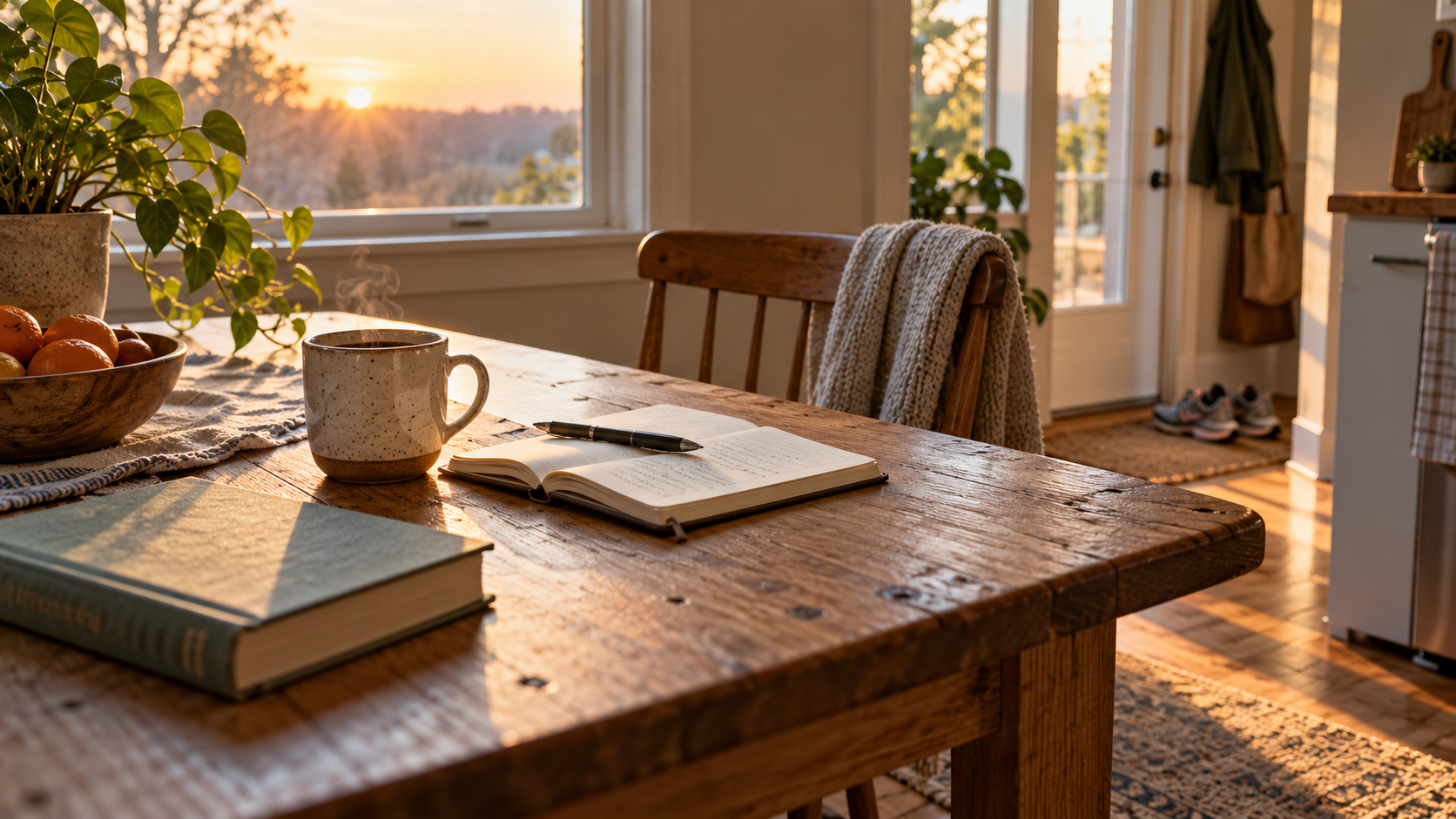
A Good Life Is Built on Ordinary Days

October 9, 2026

We are a product of our daily habits.

The small things we do every day usually have a bigger impact on our lives than the grand things we do once in a while.

That’s because habits compound.

A 30-minute run doesn’t transform your health. One healthy breakfast doesn’t change much. Reading a few pages of a book won’t suddenly make you wiser.

But do those things most days for years, and they start to shape who you are.

It’s similar to investing. The individual deposits don’t seem like much. The compounding is where the magic happens.

So when I think about living a productive, healthy, fulfilling life, I try to focus less on the macro and more on the micro.

What can I do today that makes today a little better?

Here are the daily habits that improve my life.

Wake up early

I recognize that some people are naturally early risers and others are night owls. But our modern world tends to reward morning people, especially if you work a job that gets going around 9am.

The earlier I wake up, the more time I have to live on my own terms before the demands of the day begin.

On weekdays, I typically wake up between 5:30 and 6am.

Coffee + stretch

I’m usually the first person awake in my house. One of the first things I do is make a cup of coffee and slowly go through a full-body stretching routine.

I don’t rush it.

I focus on my breathing and let my mind wander wherever it wants to go. Often, without consciously trying, I start thinking about what matters that day.

The combination of coffee and stretching wakes up my mind and body at the same time.

Read and/or journal

After stretching, I usually read a few pages or write in my journal.

If something is bothering me or I’m having trouble making sense of a situation, writing is often the fastest way to untangle my thoughts.

If my mind is calm, I’ll read.

Sometimes that means religious reading that helps ground me in values and how I want to live. Other times it’s simply a book I’m excited about.

A few quiet pages in the morning can influence the tone of the entire day.

Exercise

Once my mind and body are awake, I’m ready to move.

Most mornings that means a 30-minute run outside.

Running is exercise, but for me it’s also therapy. I’m almost always calmer, clearer, and more focused at work after I run.

I don’t push especially hard. The goal is to enjoy being outside, breathe fresh air, let my thoughts move around, and have some time alone.

I also lift weights once or twice a week and usually play tennis a couple of times per week.

The specific activity matters less to me than moving my body every day.

No phone for the first 2–3 hours

You may have noticed that none of my morning habits involve a screen.

That’s intentional.

I try not to check email or social media for the first two or three hours after waking up.

Those early hours are mine.

I can wake up, think, move, read, and decide what matters before I start responding to everyone else’s priorities.

Most days I first check email around 8am, roughly two and a half hours after waking.

Eat a healthy breakfast

After my morning run, I eat a high-fiber breakfast.

My usual bowl is oat bran mixed with psyllium husk, chia seeds, cinnamon, walnuts, and wild blueberries.

It’s not glamorous, but I like it, it fills me up, and it works for me.

That is probably a decent description of many good habits.

No meetings before 10am

I try to avoid meetings before 10am, and ideally before 10:30.

That gives me the first part of the workday to focus on whatever matters most.

I find that my entire day feels better if I make meaningful progress on my highest-priority task before getting pulled into meetings, messages, and other people’s agendas.

I’m happy to spend much of 10–12 in meetings. I just like protecting that first hour or so.

Eat a lunch that keeps my energy steady

For lunch, I usually eat something like a salad with grilled chicken, plenty of vegetables, nuts or seeds, and occasionally quinoa or farro.

I generally avoid a heavy lunch because I know what happens next: my energy crashes.

I’d rather finish lunch feeling satisfied but still alert.

When possible, I eat outside. Even a short break from the office environment helps reset my brain.

Walk after lunch

If my schedule allows, I’ll take a 10–20 minute walk after lunch.

There’s a peaceful path behind my office that makes this especially easy.

The walk helps me digest, gets me back outside, and creates a clean break between the morning and afternoon.

If I can’t walk after lunch, a mid-afternoon walk works too.

Drink water throughout the day

I usually keep a glass or bottle of water nearby.

I’m not obsessively tracking ounces or carrying around a gallon jug.

I just sip water throughout the day.

Simple, boring, effective.

No meetings after 4pm

When possible, I also try to avoid meetings after 4pm.

That gives me the final stretch of the day to finish important work, close loops, and leave the office feeling like the day actually ended.

There’s something underrated about walking out the door with a clear mind instead of five unfinished thoughts bouncing around your head.

Put the phone away at home

I usually get home around 6 or 6:30pm.

I might do one final email check before going inside, but once I’m home, I try to put my phone in what we call the “phone foyer” — a spot in the kitchen where it docks and charges.

The simple act of physically putting my phone away helps me be more present with my family.

Otherwise, it is far too easy for work email or social media to follow me around all night.

No email for the last hour before bed

I avoid email during the final hour before bed.

Very little good comes from discovering a work problem at 9pm.

Whatever feels urgent at night usually feels much more manageable the next morning.

Protecting the final hour of the day helps protect my sleep, too.

Read and/or journal before bed

I usually read for 10–20 minutes in bed.

Reading tends to make me sleepy in a way that scrolling never does.

If my mind is still active, I’ll journal instead.

Once a thought is out of my head and on paper, my brain seems much more willing to let it go.

Go to bed early

On weeknights, I’m usually asleep by 9:30 or 10pm.

I aim for roughly eight hours of sleep, so if I want to wake up at 5:30 or 6, the math is pretty straightforward.

That means starting to wind down around 8:30.

Not exactly a wild nightlife.

But it works for me.

I’m looser with all of this on weekends, and of course life regularly gets in the way.

That’s fine.

The point isn’t to execute a perfect routine.

It’s to have a collection of small behaviors you can return to again and again because you know they make your life better.

None of these habits are especially dramatic.

That’s actually what I like about them.

A good life probably isn’t built through a handful of extraordinary days.

It’s built through thousands of pretty ordinary ones.

Tags habits, productivity, Health, Success, time management, Performance, happiness, Technology
Comment

The Goal Is to Stay in the Game

September 25, 2026

I’m 44 years old, and I still think of myself as an athlete.

I play tennis. I run. I lift weights. I compete. I care about getting better.

But the way I think about performance has changed.

When you’re younger, the goal is often to see how far you can push yourself. Run faster. Lift more. Win more matches. Set personal records.

There is something exciting about finding your limits.

But eventually a different challenge emerges.

How do you keep doing the things you love for the rest of your life?

That question interests me more than almost any performance metric these days.

Because I don't want to be incredibly fit at 44 and broken down at 64.

I want to be playing tennis at 70.

I want to be traveling, walking everywhere, swimming in lakes, carrying my own bags, running if my body allows it, and saying yes when somebody asks if I want to play a game.

I want to remain an athlete for life.

Performance Has a Longer Time Horizon

This changes the way you think about fitness.

The hardest workout isn't automatically the best workout.

More isn't always better.

You don't win by accumulating the most impressive stats on your fitness tracker.

Sometimes the smart decision is pushing hard. Sometimes it's going for an easy run. Sometimes it's doing flexibility work. Sometimes it's taking a day off because your knee doesn't feel quite right.

The objective is no longer maximizing today's performance.

It's maximizing the number of years you get to participate.

That's a very different game.

Health Should Expand Your Life

There has never been more information available about health and longevity.

I find a lot of it fascinating.

I pay attention to nutrition. I exercise regularly. I care about sleep. I take some supplements. I've experimented with plenty of habits intended to improve health and performance.

But there is an obvious trap hidden inside all of this.

You can become so focused on extending your life that you forget to enjoy it.

Suddenly dinner with friends becomes a nutritional calculation. A glass of wine becomes a source of stress. Missing a workout creates anxiety. Vacation becomes an obstacle to your routine.

Health is supposed to give you more life.

It shouldn't become your life.

I want to eat mostly nutritious food and still enjoy a great dinner.

I want to stay fit and still drink good wine.

I want to sleep well and occasionally stay up too late.

I want to care about performance without measuring every minute of my existence.

The point of all these healthy habits is to create a body and mind capable of fully participating in life.

Train for Participation

Maybe that's a better way to think about fitness as we get older.

Train for participation.

Be strong enough to carry things.

Fit enough to explore a city on foot all day.

Mobile enough to get down on the floor and back up again.

Healthy enough to travel.

Athletic enough to play the sports you love.

Energetic enough to say yes to an exciting opportunity that comes your way.

And durable enough to keep doing all of it for decades.

There will always be another metric we could optimize.

But metrics are only useful if they serve something larger.

For me, the larger goal is pretty simple:

I want to keep moving.

I want to keep playing.

I want to keep exploring.

And I want to enjoy the coffee, meals, wine, travel, competition, friendships, and simple pleasures along the way.

Stay in the Game

Youth tends to celebrate peaks.

Your fastest marathon.

Your highest ranking.

Your heaviest lift.

Your best season.

But perhaps the most meaningful athletic achievement is longevity.

Not longevity in the abstract sense of simply accumulating years.

Longevity as continued participation.

Still playing.

Still moving.

Still capable.

There is no finish line for that kind of performance.

And increasingly, I think that's the point.

The goal isn't to win every day.

The goal is to stay in the game.

Tags Health, Fitness, Exercise, Wellbeing, Wellness

What Are We Optimizing For?

September 21, 2026

By almost any economic metric, the United States is an extraordinary success. We are one of the wealthiest societies in human history, home to incredibly innovative companies, remarkable medical technology, and conveniences our ancestors never could have imagined.

And yet something doesn’t add up.

The Prosperity Paradox

Our extraordinary material prosperity hasn’t translated very well into health or well-being. Americans live shorter lives than people in many other wealthy countries. Chronic disease is widespread. Measures of happiness and social connection give us plenty of reason for concern. Many of us feel stressed, lonely, exhausted, or perpetually short on time.

It raises a question I’ve been thinking about lately:

What if we’re optimizing for the wrong things?

We’ve become very good at measuring economic output, professional achievement, productivity, and financial wealth. Health has increasingly become something to optimize: steps, sleep scores, glucose levels, HRV, recovery, supplements, workouts, biomarkers.

Some of that is definitely useful. I exercise just about every day. I care about nutrition and longevity. I like understanding the science of living a longer, healthier life.

But I’ve started to wonder whether optimization itself has become another trap.

Because the point of health isn’t necessarily to have perfect biomarkers. The point of wealth isn’t simply to accumulate the largest possible number. And the point of productivity isn’t to squeeze the maximum amount of work from every waking hour.

The point is to have a life.

And many of the things that make a life good are actually quite ordinary.

A morning coffee. Moving your body. Doing work that feels worthwhile. Having control over your time. Sitting around a table with people you love. Playing a sport. Walking outside. Traveling somewhere new. Laughing with friends. Sharing a good meal. Lingering over a glass of wine.

These things can look unproductive on a spreadsheet. Perhaps that’s part of the problem.

Some of the most important ingredients of human flourishing—relationships, community, autonomy, purpose, movement, play, presence—are difficult to capture in the metrics our society prizes most.

Remembering What It’s For

That doesn’t mean achievement is bad, money doesn’t matter, or we should abandon technology and modern medicine. Far from it. Prosperity can give us extraordinary freedom and opportunity.

But those things should serve the good life rather than become substitutes for it.

Maybe the better question isn’t How can I optimize myself?

It’s:

What am I optimizing for?

For me, increasingly, the answer is something like this:

  • To be healthy enough to keep doing the things I love.

  • To have enough freedom to spend my limited time on my own terms.

  • To remain deeply connected to other people.

  • To keep exploring, playing, learning, and contributing.

  • And to actually savor the experience while I’m here.

Health. Freedom. Connection. Purpose. Joy.

We don’t need to reject ambition, achievement, or optimization.

We just need to remember what they’re for.

Tags Health, Wellbeing, Success, Lifestyle, productivity, well-being
Comment

Photo by Nik Shuliahin 💛💙 on Unsplash

Practical Tips to Fight Anxiety

December 17, 2023

I have been prone to anxiety since I was a teenager.

This has manifested in everything from low-grade general anxiety to full-blown panic attacks.

I’m now in my early 40s and over the years have developed a toolbox of tactics to manage anxiety. Below are the most effective strategies I’ve found to keep anxiety at bay:

Limit Caffeine

I love coffee — for me, it’s a great way to start the day and a potent concentration and performance enhancer. But I’ve realized that anything more than 2 cups per day can increase my anxiety, so 2 cups is my daily limit. Additionally, if there is anything specific I’m anxious about — for example, a job interview, work presentation, or sports competition, I avoid caffeine for at least a few hours beforehand. My anxiety will get me in ‘game mode’ all on its own, without needing an additional boost from caffeine.

Exercise

Arguably the most powerful anxiety-reducer in my life has been exercise. Specifically, cardio exercise that causes a good sweat has shown to lower my anxiety and improve my mood for many hours afterward. For me, that has come in the form of running — either outside or on the treadmill — but presumably any higher-intensity exercise would yield similar results. Weightlifting can be effective too, especially for body composition and overall confidence, but I’ve found that nothing compares to cardio exercise for anxiety reduction. Thirty minutes in the morning seems to do the trick.

Eat a Low-Glycemic Diet

Sugar can cause my heart rate to spike, mimicking feelings of anxiety. I’ve found that other foods that increase my blood sugar can have the same effect — including white bread and other starchy carbs, as well as salty packaged snacks. The foods that seem to make me the calmest are lean forms of protein (e.g. turkey and chicken) — and non-starchy vegetables (e.g. leafy greens, cruciferous vegetables like broccoli and cabbage, tomatoes, asparagus, etc.). Foods that contain healthy fats — such as avocado, extra virgin olive oil, and nuts — also don’t seem to be a problem.

Eat Less

I’ve found that restricting calories lowers my body temperature and creates feelings of calmness. Digesting food, especially big meals, can cause my body to work in overdrive, which also can mimic feelings of anxiety. I prefer to feel light, with my body and mind able to focus on the task at hand instead of digesting excessive food.

Obviously adequate nutrition is critical for good health, but overdoing it is not a good thing for anxiety. Eating a low-glycemic diet has caused me to naturally eat less, without consciously trying to do so. Similar to caffeine, I typically don’t eat much at least a couple hours before something specific I’m anxious about. This calms my body down going into a higher-stress environment.

Limit Alcohol

I enjoy a glass of red wine and find it to be a great way to downshift at the end of a long day. But the reality is alcohol feels good in the moment, but it spikes anxiety hours afterward and seems to increase anxiety the next day as well. Zero alcohol is probably the best for anxiety, but certainly anything more than 1–2 glasses per day can be especially detrimental. Alcoholic drinks that contain sugar (e.g. mixed drinks) or a lot of carbs (e.g. beer) are probably the worst for anxiety.

…

Those are my top 5 tips to reduce anxiety. If I implement these 5 things daily, I can reliably manage my anxiety. On the flip side, when I am less disciplined in any area, my anxiety typically rises.

For many people, myself included, eliminating anxiety is not possible. But effectively managing anxiety is critical to maintaining a high quality of life.

If you struggle with anxiety, I hope these tips help you as well.

If you have other effective strategies for managing anxiety, I’d love to know about them in the comments!

Tags Health, Exercise, Food, Lifestyle, happiness
Comment

Postal workers who walk 15,000 steps per day are shown to be essentially free of heart disease risk

Want to Avoid Heart Disease? Take 15,000 Steps Per Day

August 7, 2023

Heart disease is the leading cause of death in the United States.

Someone dies every 34 seconds in the U.S. from cardiovascular disease.

If you want to live a long and healthy life, you must avoid heart disease.

Fortunately, there is a simple thing you can do to drastically reduce your risk.

Take at least 15,000 steps per day.

A study of postal workers showed the stark difference in heart disease risk between those who walked all day as part of their jobs and those who had sedentary office jobs.

The study looked at over 100 postal workers in Glasgow, Scotland. Half of the group were office workers and the other half were walking/delivery workers.

Those who had delivery routes were much healthier — including smaller waist circumference, lower body weight, lower triglycerides, lower LDL (bad) cholesterol, and higher HDL (good) cholesterol.

Slashing heart disease risk is where physical activity really shined.

Walking more than 15,000 steps per day was associated with zero risk factors for heart disease.

The results were linear — the more steps per day, the lower the heart disease risk, culminating with zero risk at 15,000 steps per day.

On the flip side, the more sedentary time per day, the higher the disease risk. All important biomarkers moved in the wrong direction with more time sitting.

Taking 15,000 steps is equivalent to walking 7-8 miles, or spending 7 hours per day upright.

Of course this flies in the face of our current culture and most people’s working conditions.

But if you want to live longer, you need to push back against this default environment.

Most people sit at their desks for the bulk of the day. Most people get heart disease. Don’t be one of those people.

Find a way to take 15,000 steps per day and you can avoid the #1 killer.

Take your calls walking. Schedule walking meetings instead of sitting in conference rooms or coffee shops. Ditch your car and walk everywhere instead. Find a job that keeps you active or could at least involve an active commute to get there.

These things aren’t easy. But they are important.

It isn’t a complicated formula to eliminate heart disease risk.

All it takes is 15,000 steps.

Tags Health, Exercise
Comment

Photo by Akemy Mory on Unsplash

Why I Stretch Every Morning

February 2, 2023

I have been a runner for more than 20 years.

A funny thing happens when you run for that long without ever really stretching.

Your body gets incredibly tight.

I felt my body getting tighter and tighter over the years, especially my hamstrings.

But I didn’t do anything about it.

Then a couple years ago I read Can’t Hurt Me by David Goggins. Goggins is an ultra-endurance athlete and former Navy SEAL, known for pushing his body and mind to the absolute limits.

But in the book, he credited stretching as the thing that improved his life most in recent years.

Goggins became a fanatic about stretching, initially stretching for 8–12 hours per day, which then got reduced to 6 hours, and then to 4. He still spends at least 2 hours every day stretching.

He credited his stretching routine with alleviating back pain, releasing quad stiffness, improving range of motion, and increasing blood flow throughout his body. He also firmly believes stretching reduces anxiety and depression.

I figured if this superhuman athlete was taking this much time to stretch, and seeing such profound benefits, I should give stretching a try as well.

Once I got started, I haven’t stopped — I have been stretching consistently for over 2 years now (I think I have only missed 1 day in that time).

I don’t stick with things that don’t work, so that tells you about the effectiveness of stretching.

I am not a personal trainer or stretching expert, so I won’t get into the specifics of my routine or suggest that anyone exactly follow my protocol. But here are the basics of what I do:

I do a full-body stretch every morning, usually lasting between 30–35 minutes. I start with my lower body, giving extra attention to my hamstrings which tend to be my tightest muscle. My legs typically take up 2/3 of the routine, with the remainder focused on my upper body.

In addition to increasing flexibility, I have found this practice to be incredibly peaceful. I enjoy a cup of coffee while I stretch, so my mind and body wake up at the same time. I also usually have some easy listening music on in the background, which gently eases me into the day.

After I have completed my stretching routine and with a cup of coffee in the books, I feel mentally and physically ready for the day.

This practice has been nothing short of transformative in my life.

I also do this same stretching routine before playing sports (I mostly play squash and tennis), to loosen my muscles, prevent injury, and increase performance.

I believe a stretching routine, done slowly and mindfully, produces many similar benefits as yoga. I am fairly anxious by nature and have found stretching to produce as many mental benefits as physical.

The next evolution in my stretching will be doing it after exercise, which I know is as important as pre-exercise. Stretching takes up a fair bit of time, especially when performed multiple times per day, but I always find it to be worth it once I’m done.

Stretching has been one of the most impactful habits I’ve incorporated in recent years. It could change your life, too.

If you are looking to increase flexibility and relax your mind at the same time, I suggest you give stretching a try.

Tags Health, Fitness, Sports
Comment

How to Get Your Best Night's Sleep

December 13, 2022

I have been sleeping great recently, waking up naturally at 6am, ready to go for the day.

I wanted to share what’s working for me, in case it’s helpful for you, too.

Here are my top tips for a great night’s sleep:

Limit Caffeine and Stop Early in the Day

I used to drink 3–4 cups of coffee per day, including one around 2pm to get me through the afternoon. Recently I’ve limited myself to 2 cups first thing in the morning, stopping by 8am. This ensures the caffeine is out of my system by bedtime.

Stay Active During the Day

I normally get at least 30 minutes of dedicated exercise in the morning — usually in the form of running outside — and try to stay as active as possible throughout the day. This activity leaves my body feeling tired when the day is done.

Stop Eating at Least an Hour Before Bedtime

If I eat too close to bedtime, my body is still working hard digesting food instead of focusing on sleep. I try to stop eating at least 1–2 hours before bed to allow my body to be in a fully rested state at bedtime.

Limit Sweets

I’ve learned that my body doesn’t respond well to a lot of sugar. If I eat an indulgent dessert even relatively close to bedtime, my stomach gets upset and that will keep me up during the night. I’ve found its a lot better for sleep if I satisfy my sweet tooth with fruit instead of cookies or ice cream.

Limit Alcohol

I love a glass of red wine at night — for me, it’s one of life’s simple pleasures. I can still sleep pretty well with 1–2 glasses, but any more than that and I’ll be up for an hour or more in the middle of the night. Alcohol can feel good in the moment, but not so much in the middle of the night or the next day. If you find it difficult to cut down your alcohol consumption, then visit https://www.woburnaddictiontreatment.com/alcohol-detox-drug-detox-massachusetts/ to get help. You’ll find that it helps improve much more than just your sleep.

Stick to a Consistent Bedtime

I normally get into bed by 9 or 9:30 p.m. Sticking to a consistent bedtime allows me to stick with a consistent wake time, naturally. This ensures I give myself at least 7–8 hours of sleep, which is what I’ve found my body needs.

Read a Real Book Before Bed

I read a real, physical book for about 20 minutes after getting into bed (or for as long as it takes to feel tired and ready for sleep). This is a great way to wind down and tire my brain out for sleeping.

Go to the Bathroom Right Before Sleep

I always go to the bathroom one last time right before sleep. This ensures I’ll be able to sleep through the night without having to get up at all. I also don’t drink much water in the hour before bed, for the same reason.

Keep Your Room Cool, Dark, and Quiet

I try to keep my room around 68 degrees, as dark as possible, and will use a fan or sound machine to block any outside noise. This setup seems optimal for sleep and allows me to wake naturally when the sun comes up.

Put Your Phone on Airplane Mode

I do sleep with my phone in my bedroom, but I don’t check email before bed (which would rev up my brain) and I put it on airplane mode for sleep. This means I won’t be woken up by any calls or texts in the night.

…

That’s it — following these 10 habits has produced some of the best sleep of my life. Hopefully these tips can help you get a great night sleep, too!

Tags sleep, Health, Lifestyle
Comment

Photo by Manny NB on Unsplash

Why Protein is Critical at Your First Meal of the Day

November 13, 2022

A recent year-long study of nearly 10,000 Australians confirms that highly processed foods are the leading contributor of obesity in the Western world.

As we all know, most processed foods are hyper-palatable — with crave-worthy combinations of sugar, salt, and fat — causing people to overeat.

But the researchers found that it’s something processed food doesn’t have that makes it so problematic: protein.

This study provides evidence for the Protein Leverage Hypothesis, which states that people overeat fats and carbs due to the body’s powerful appetite for protein, which the body prioritizes over everything else.

Because our modern diet consists of so many highly processed and refined foods — which are typically low in protein — people consume more energy-dense foods until their protein needs are satisfied.

“It’s increasingly clear that our bodies eat to satisfy a protein target,” according to Professor David Raubenheimer, Professor of Nutritional Ecology at the University of Sydney. “But the problem is that the food in Western diets has increasingly less protein. So, you have to consume more of it to reach your protein target, which effectively elevates your daily energy intake.”

This means that as the protein in our diet is diluted by fats and carbs —common in processed foods — we will eat more calories to get the protein our bodies desire.

This phenomenon is especially apparent for the meal of the day.

The study found that people who consumed lower amounts of protein in their first meal of the day went on to eat more at subsequent meals, whereas those who ate a high amount of protein at their first meal actually declined their food intake over the rest of the day.

This was true even though the first meal was the smallest for both groups, with the least amount of energy and food consumed, whereas the last meal was the largest.

Eating more protein early in the day helps satisfy your overall protein requirements, causing you to eat less later. This is an important insight for people trying to lose weight more easily.

People who eat a low-protein first meal are found to eat more energy-dense foods high in saturated fat, sugar, salt, or alcohol later in the day, and less ‘healthy’ foods such as vegetables, fruit, legumes, and meat.

While many factors contribute to weight gain — including food, exercise, sleep, and stress — the researchers in charge of this study argue that the body’s strong demand for protein — which is lacking in highly processed food — is the primary driver of energy overconsumption and obesity.

The implications are clear for us.

Avoid highly processed and refined foods.

Prioritize protein over the other macronutrients, especially for your first meal of the day.

If you get at least 30 grams of protein at your first meal, the chances of overeating later in the day are much lower.

This is a powerful ‘hack’ — backed by science — to maintain a healthy weight without really trying.

Tags Health, Diet, Nutrition
1 Comment

Photo by micheile dot com on Unsplash

What to Eat to Increase Heart Rate Variability

November 3, 2022

Heart-rate variability (HRV) — the time differences between one heart beat and the next — can be a good predictor of overall health.

Lower HRV is associated with negative health outcomes, including diabetes, cardiovascular disease, inflammation, obesity, and psychiatric disorders.

If you want to remain healthy, you should focus on increasing your HRV over time. There are several ways to do this, including regular exercise, good sleep, and stress reduction.

Diet can also play an important role in elevating (or reducing) your HRV. Here are a few foods and specific nutrients to include in your diet to benefit HRV:

Omega-3s / Fish

Omega-3 consumption is associated with increased HRV. This has been observed for both eating fish as well as supplementing with fish oil. Additionally, the Mediterranean Diet — which has fish as a central component — is linked with improved HRV and cardiac function.

Multivitamin

Taking a daily multivitamin has been shown to improve memory and cognition, especially in people with cardiovascular disease. Taking a multivitamin-mineral with 300mg of guarana has also been shown to produce HRV benefits, as well as improving decision-making and regulating the autonomic nervous system.

Yogurt / Probiotics

Yogurt enriched with bioactive components can help to reduce stress and anxiety, which has a beneficial effect on HRV. Specifically, yogurt enriched with alpha-lactalbumin, casein tripeptides and B vitamins was found to improve HRV relative to the consumption of regular yogurt.

Nuts

Nut consumption is associated with a lower risk of cardiovascular disease. Additionally, nuts have been shown to improve HRV. Specifically, adding pistachios to the diet has been shown to benefit HRV, as well as improve blood pressure and cardiac output.

Red Wine / Polyphenols

Consumption of polyphenol-rich red wine is associated with increased HRV. In contrast, drinking beer and spirits (and the total amount of alcohol consumed) does not have the same effect on HRV. This is likely attributed to the polyphenols in red wine. Polyphenols are also found in abundance in coffee, tea, dark chocolate, and berries.

Vitamin B12

Having good vitamin B12 status is associated with better HRV, whereas a deficiency in B12 is linked with lower HRV. Vitamin B12 is found in large amounts in seafood, meat, milk, cheese, and eggs. Many cereals are also fortified with vitamin B12 or you can consume vitamin B12 as a supplement.

…

On the flip side, diets high in saturated fat, trans fat, and high-glycemic carbs have been found to reduce HRV.

Many people are measuring HRV these days with wearable devices such as Oura, Whoop, or the Apple Watch. This can be very helpful to monitor how your HRV changes over time and how it is influenced by lifestyle habits.

Try adding some of the beneficial foods and nutrients mentioned in this article and see if you can move your HRV in the right direction.

Tags Health, Diet, Nutrition
Comment

Photo by Marcelo Leal on Unsplash

How to Avoid Most Chronic Diseases

October 21, 2022

Chronic diseases such as heart disease, cancer, and diabetes are the leading causes of disability and death in the United States.

If you want to live a long and healthy life, you need to prevent or significantly delay the onset of these diseases.

Fortunately, lifestyle can play an important role in keeping these conditions at bay. There are several things you can do minimize risk.

First and foremost, it is essential not to smoke. If you are a smoker, your risk shoots way up and it’s possible none of the other lifestyle habits will make a difference.

Assuming you don’t smoke, here are 4 more powerful ways to avoid chronic illness:

1. Maintain a healthy body weight & good body composition

You want to maintain a BMI that is within the healthy range, but weight alone is not enough. It is important to also have good body composition, characterized by having a higher percentage of muscle and lower percentage of fat (visceral fat is especially problematic). The rest of this list will help you achieve this objective.

2. Eat real, whole foods, higher in protein and lower in carbs

Eat real, whole food and stay away from the packaged and processed stuff. Specifically avoid added sugar and refined grains — simply eliminating these 2 elements from your diet will significantly improve your health. That means you’ll be eating a relatively lower amount of carbs than the Standard American Diet. Consider following the 30/30 Diet to ensure you get enough protein to maintain lean muscle. I recommend eating at least 30 grams of protein at every meal and 15 grams of protein at each snack.

3. Exercise including both Aerobic and Resistance Training

Exercise 6–7 days a week. Do aerobic exercise on most of the days (e.g. running, cycling, swimming) and resistance/strength training at least 2 times per week. Complex activities like racket sports are especially great because they tax your mind and body at the same time. Exercise for at least 30 minutes per day, but health benefits increase as you get up to 90 minutes. 30 minutes is good, 60 or 90 minutes is better.

4. Practice Time-Restricted Eating

When your body is digesting food, it can’t do its other self-repair and maintenance functions. This means if you eat around the clock, your health will suffer. Practice time-restricted eating by confining all of your caloric intake within a specific time period. There is some evidence that earlier time windows are better than late, as it can be problematic to eat too close to bed. A good eating window might be 9am — 7pm, cutting off food 3 hours before a bedtime of 10pm. That means you would be fasting for 10 hours between dinner and breakfast, giving your body a chance to heal itself.

…

Research indicates that genetics only account for 20-30% of lifespan, with lifestyle making up the other 70–80%.

By following these lifestyle choices, you will give yourself the best chance to avoid chronic disease, living both longer and better.

Tags Health, Longevity, Diet, Exercise
Comment

Photo by Mohamed Nohassi on Unsplash

6 Longevity Secrets from a 105-Year-Old Doctor

October 14, 2022

105-year-old Japanese doctor Shigeaki Hinohara shared 6 secrets for living an exceptionally long life.

Dr. Hinohara practiced all of these habits before eventually dying at age 105 in 2017.

  1. Retire late (very late) — Dr. Hinohara said if you must retire, wait as long as possible. He retired just a few weeks before his death.

  2. Watch your weight — Hinohara accomplished this by eating only one meal per day. He only ate dinner, which usually consisted of fish and vegetables. He also ate meat 2 times per week.

  3. Have fun — Dr. Hinohara believed having fun can distract you from pain. He also believed too many rules can tire the body. So keep it light and fun.

  4. Share what you know —Dr. Hinohara believed life was all about contributions. He loved helping and sharing knowledge. We all have unique knowledge and experience, so pass it on to benefit others.

  5. Don’t worry about material possessions — You can’t take them with you. Focus more on experiences with loved ones instead.

  6. Take the stairs — Not only did Dr. Hinohara always take the stairs, he took them 2 at a time to push his muscles and get extra exercise.

Dr. Hinohara was not alone in his longevity. Japan ranks #2 in life expectancy among all countries, just behind Hong Kong.

Hopefully Dr. Hinohara’s longevity tips can help you maximize your lifespan as well.

Tags Health, Longevity
Comment

Photo by Louis Hansel on Unsplash

Pick A Diet You Can Stick with for the Rest of Your Life

October 10, 2022

If you are debating which diet to try, consider asking yourself a simple question:

Could you eat this way for the rest of your life?

If the answer is no, move on. This is often the case for overly restrictive diets such as keto, carnivore, or vegan.

If the answer is yes, you’ve likely found the ‘diet’ for you.

Diets such as the Mediterranean Diet or DASH don’t capture most of the headlines because they are not controversial.

But these are the types of diets you can stick with for life.

Some people can eat a very low carb diet over the long haul, but most cannot — often relapsing and binging once they slip up once.

The key is to figure out what will work for you. Not for the next week. For the rest of your life.

There is no need to even label your diet. Instead, think about certain meals you can eat regularly without feeling deprived or hungry afterwards.

For me, it’s pretty simple.

Breakfast = Oatmeal (or oat bran), topped with walnuts, blueberries, and cinnamon

Lunch = Big salad with leafy greens (kale, arugula, spinach), other veggies (tomatoes, peppers, etc.), lean protein (grilled chicken, turkey, shrimp), some cheese and nuts, dressed with extra-virgin olive oil and balsamic vinegar.

Dinner = Lean Protein (chicken, fish, meat) + veggies (asparagus, Brussels sprouts, broccoli, cauliflower)

Snacks = Fruit (apples, pears), nuts (almonds, cashews), light cheese

I can eat these meals (with slight variations) over and over again without getting bored. They fill me up, are nutritious, and taste good (to me, anyway).

I’ve experimented with just about every diet, but most don’t stand the test of time (even if they are ‘healthy’).

Don’t worry about what the experts say (even me).

Find the eating plan — or specific meals — that work for you day in and day out and stick with that.

A healthy diet only works if you can do it consistently.

What you do consistently throughout your life matters far more than what you do on any given day.

So figure out how you want to eat forever and start eating that way today.


Sign up for my new online course Top 10 Habits for Living Well. The course is based upon a decade of research, expert insight, and personal experimentation. Apply the most proven tactics to become happier, healthier, & more successful.

Tags Health, Diet, Nutrition
Comment

Photo by Mark DeYoung on Unsplash

How to Select Truly High-Protein Foods

September 29, 2022

Many people are prioritizing protein these days, and for good reason.

Protein is the most satiating macronutrient, helping you feel more full with less food. Protein also notoriously supports muscle recovery and growth, which is especially important as we age.

But a lot of people think they are eating high-protein foods when they are really not.

Certain foods, like almonds, contain a moderate amount of protein (6g of protein per 1 oz. serving), but they are actually dominant in another macronutrient (that same 1 oz. serving of almonds contains 14g of fat).

Almonds are a healthy food, but they should be viewed as a better source of monounsaturated fat than protein. All nuts fall into this category.

Beans would be another similar example. Black beans have a decent amount of protein (15g of protein per 1 cup serving), but they are more dominant in carbohydrates (41g of carbs in that same 1 cup serving). Beans are a healthy food, and a great source of complex carbs, but they are not a protein powerhouse.

The key to choosing a truly high-protein food is to ensure it contains at least 40% protein. There is a trick to determine if a food passes the 40% protein test:

  1. Find protein grams per serving on the nutrition label and multiply by 10.

  2. Compare the protein times 10 value to total calories per serving.

  3. If protein x 10 is equal to or more than calories, the food is at least 40% protein and should be considered a high-protein food.

  4. If protein x 10 is lower than calories, the food is less than 40% protein and should not be considered a high-protein food.

Credit: Ted Naiman, Instagram

You can use this trick at the grocery store by quickly running the numbers based on the nutrition label.

All sources of lean protein will easily pass the test, including chicken breast, turkey, shrimp, and fish.

You’ll need to select lean beef to qualify. Most fattier cuts of meat, as well as processed meat such as bacon and sausage, will be higher in fat than protein and won’t pass the 40% test.

Whole eggs actually contain slightly lower than 40% protein (6g of protein in a 70+ calorie egg), but egg whites easily pass the test (4g of protein and only 18 calories per egg white).

Most forms of full-fat Greek yogurt will fall below the 40% threshold, and the same can be said for yogurt with lots of added sugar.

However, non-fat Greek yogurt without added sugar easily passes the test. That variety of yogurt contains 16g of protein and only 90 calories per serving, making it a terrific high-protein choice.

Although most of the high-protein foods mentioned so far are animal products, fear not if you are a vegan — there are plant-based options that pass the test including seitan (21g protein, 104 calories per serving), tofu (17g protein, 144 calories per serving), lupin beans (26g protein, 198 calories per serving), textured vegetable protein (9g protein, 56 calories per serving), nutritional yeast (3g protein, 20 calories per serving), and certain forms of bean-based pasta (24g protein, 180 calories per serving).

There are plenty of options from which to choose.

Whether you are a vegetarian or an omnivore, if you are trying to prioritize protein in your diet, make sure your high-protein foods pass the 40% test.

…

Sign up for my new online course Top 10 Habits for Living Well. The course is based upon a decade of research, expert insight, and personal experimentation. Apply the most proven tactics to become happier, healthier, & more successful.

Tags Health, Diet, Nutrition, Lifestyle

Launch of My New Course — The Top 10 Habits for Living Well

September 27, 2022

If you have been reading my articles for a while, you know I am fascinated with the best habits for living well.

I believe living well is the ultimate goal in life and it is achieved through the perfect blend of happiness, health, productivity, and success.

I read everything I can get my hands on related to this topic and continuously experiment with new tactics to see what works in my own life.

After a decade of research and personal experimentation, I have distilled my learnings into a new online course — The Top 10 Habits for Living Well.

The course is live now and open for enrollment here: https://10habitsforlivingwell.thinkific.com/

In the course, each habit is structured as its own chapter. For each chapter, there is a short reading assignment, quiz, and action items to apply to your life.

There is also a printable 1-page version of all action items for easy reference.

The entire course is estimated to take between 2–3 hours to complete.

My sincere hope is that everyone who enrolls in this course will learn actionable and practical tips to improve their life.

The first 10 people who sign up will receive a free 1-hour coaching session with me ($250 value) to help put the principles of the course into action.

I appreciate all the support and loyalty from my readers over the years and I can’t wait to hear what you think about this new course!

Sincerely,

Andrew

Tags happiness, Health, productivity, Success, Lifestyle

Photo by Hush Naidoo Jade Photography on Unsplash

World’s Oldest Doctor Has a Prescription for a Long Life

September 23, 2022

Dr. Howard Tucker is the world’s oldest practicing doctor. The 100-year-old neurologist has been working in medicine for 75 years.

As a centenarian with extensive medical expertise, Dr. Tucker is uniquely qualified to share what leads to a long life.

Of course good genes help (his mother lived to 84 and his father to 96), but Tucker has adhered to several lifestyle practices we can all follow.

Exercise

Tucker has exercised throughout his life, regularly swimming, running, and skiing. He no longer skis after breaking his neck skiing in his late 80s, but he has turned to snowshoeing and uses an old-fashioned NordicTrack in his home gym which is similar to skiing. He also uses a treadmill and stationary bike in his home gym.

Enjoy Food and Alcohol in Moderation

Tucker enjoys all types of food in moderation. He drinks alcohol socially and is even known to have a martini on Friday nights. He has never been a smoker.

Don’t Retire and Keep Learning

“I look upon retirement as the enemy of longevity,” Tucker said. He has always enjoyed his work, aiming to learn something new every day. If you do decide to retire, he says you “should at least do something as a hobby, whether it be communal work or self-hobbies… you need a stimulus for the brain daily.”

In addition to still working as a doctor, Tucker makes it a point to keep up with technology (he has a computer and smartphone), he passed the Ohio Bar Exam at age 67 because he was interested in law, and he keeps up with the medical field by studying and reading. He has stimulated and challenged his mind throughout his life.

Cultivate Happiness

“You have to be happy in your job and in your domestic life,” Tucker has said. His happiness has stemmed from his wife and 4 children (all college graduates and professionals — 3 attorneys and 1 physician). He also derives great happiness from his work.

“Lastly, I carry with me no hate for any ethnic group, religious affiliation, or race,” he said.

…

Dr. Tucker has a refreshing outlook on life which has certainly supported his longevity.

“I would tell my teenage self to learn each day as if I were to live forever, and to live each day as if I were to die tomorrow.”

That’s terrific advice for us all to follow.

Tags Health, Longevity, Lifestyle
Comment

Photo by Lena Mytchyk on Unsplash

The Best Foods for Gut Health

September 14, 2022

If you want to boost health and immunity, focus on nourishing your gut.

70% of the immune system is located in the gut. The foods we eat affect the bacteria in our gut, which in turn affect immune cells.

The microbiome and the immune system are intertwined, and diet plays a critical role to support both.

Here are the best food groups and specific foods to eat for optimal gut health:

High-Fiber Foods

Fiber helps with gut health by aiding digestion and preventing constipation. Some of the best high-fiber foods for gut health include:

  • Dark leafy greens (kale, arugula, spinach, chard)

  • Fruit (especially berries and apples and pears with the skin on)

  • Oats and oat bran

  • Beans and lentils

  • Nuts and seeds (especially walnuts, almonds, and pumpkin seeds)

Probiotic / Fermented Foods

Probiotic foods contain living microorganisms that can build up beneficial bacteria in your gut. These are excellent probiotic foods to include in your diet:

  • Yogurt (Low-fat or nonfat Greek yogurt without added sugar is best)

  • Kefir (fermented milk that is similar to yogurt)

  • Sauerkraut (fermented cabbage)

  • Kimchi (fermented vegetables)

Prebiotic Foods

Prebiotic foods contain a type of soluble fiber that helps create good bacteria in the gut. Here are some of the best prebiotic foods:

  • Bananas (choose slightly green bananas to reap the benefits of resistant starch)

  • Asparagus

  • Onions

  • Oats

  • Garlic

  • Chicory root

  • Dandelion greens

  • Jerusalem artichokes

Polyphenols

Polyphenols can help promote the growth of good bacteria in the gut and help fight the bad bacteria. Foods high in polyphenols usually taste great too. These are all great sources of polyphenols:

  • Coffee

  • Tea

  • Dark Chocolate (at least 85% cocoa)

  • Berries

  • Red Wine

Anti-Inflammatory Foods

Inflammation is linked with nearly every major disease, including cancer, heart disease, diabetes, and Alzheimer’s. Anti-inflammatory foods help keep chronic inflammation at bay while also supporting gut health. These are great examples of anti-inflammatory foods to eat regularly:

  • Fatty Fish (including salmon, sardines, herring, tuna, and mackeral)

  • Walnuts

  • Flax seeds

  • Extra-Virgin Olive Oil

  • Turmeric

  • Cherries and Pineapple

…

Those are all the important foods groups to support a healthy gut. An excellent strategy to feed your gut is to create meals combining all of the above elements.

For example, oatmeal (high fiber, prebiotics) with yogurt (probiotics), topped with walnuts (anti-inflammatory), blueberries (polyphenols) and bananas (prebiotics), enjoyed with a cup of coffee or green tea (polyphenols). That would be a fantastic breakfast for gut health.

Pick the foods you like best from the above groups and mix and match to optimally feed your gut.

And if you want to suggest these foods to others, take a look at the best video maker. It will help you to create and edit a prominent video of your diet which helps you in managing your gut health.

Tags Health, Food, Nutrition
Comment

Photo by amoon ra on Unsplash

The Top 30 Anti-Inflammatory Foods

September 11, 2022

Inflammation is linked with nearly every major disease, including cancer, heart disease, diabetes, and Alzheimer’s.

Unfortunately the Standard American Diet (SAD) — full of refined sugars and grains and ultra-processed food — is a leading cause of the chronic inflammation we’re trying to avoid.

It can be hard navigate our current food culture, but our health depends on it. Fortunately there are many great foods you can eat to reduce inflammation in the body.

Here is a list of the Top 30 anti-inflammatory foods and drinks, herbs and spices, and supplements to enjoy in your daily diet:

Foods and Drinks

  1. Fatty fish (including salmon, sardines, herring, tuna, and mackerel)

  2. Leafy greens (including spinach, kale, arugula, and chard)

  3. Berries (including blueberries, raspberries, strawberries, and blackberries)

  4. Tea (including green tea, white tea, and herbal teas)

  5. Shiitake mushrooms

  6. Garlic

  7. Cucumbers

  8. Pineapple

  9. Cherries

  10. Dark chocolate (ideally 85%+ cacao)

  11. Extra-virgin olive oil

  12. Flax seeds

  13. Nuts (especially walnuts and almonds)

  14. Pumpkin seeds

  15. Fermented foods (including sauerkraut, kimchi, kefir, and miso)

Herbs and Spices

  1. Ginger

  2. Turmeric

  3. Cinnamon

  4. Cloves

  5. Rosemary

  6. Oregano

  7. Allspice

  8. Thyme

  9. Sage

  10. Marjoram

Supplements

  1. Omega-3 EPA/DHA (from fish, krill, or algae oil)

  2. Vitamin D3

  3. Green Tea Extract

  4. Curcumin

  5. Garlic

Add these items to your next grocery list and you’ll start keeping inflammation at bay.

Tags Health, Food, Nutrition, Performance, Longevity
Comment

Photo by Wasa Crispbread on Unsplash

5 Things You Can Do To Live 14 Years Longer

September 1, 2022

Harvard researchers conducted a huge study to determine how lifestyle habits influence life expectancy. The research analyzed data from more than 120,000 people over 34 years.

The findings revealed that 5 specific lifestyle habits help you live much longer. Incorporating all 5 of the habits at age 50 was associated with living 14 years longer for women and 12 years longer for men. Here are the 5 habits:

1. Eat a Healthy Diet

Defined as eating more foods like vegetables, fruits, nuts, whole grains, healthy fats (from foods like avocado, olive oil, nuts, and seeds), and omega-3 fats (i.e. from fish), and less unhealthy foods such as processed meats, sugar-sweetened drinks, trans fat, and added salt.

2. Do Regular Physical Activity

This one is pretty simple — defined as doing an average of 30+ minutes of moderate to vigorous activity per day.

3. Maintain a Healthy Body Weight

Defined as having a normal body mass index (BMI) between 18.5 and 24.9. Calculate your BMI here.

4. Don’t Smoke

This means you have never been a smoker.

5. Moderate Alcohol Intake

This one is a bit more nuanced. It is measured as between 5–15 grams per day for women and 5–30 grams per day for men. A typical drink contains about 14 grams of alcohol (e.g. 12 ounces of regular beer, 5 ounces of wine, or 1.5 ounces of spirits). So it equates to up to 1 drink per day for women, 2 for men.

If you find yourself becoming too heavily reliant on alcohol each day then it may be time to give it up completely. This can take a long time and a lot of willpower, you have to be totally ready to give up alcohol. If you need a hand with this from experts then take a look at addiction treatment for men. Here you will find programmes to join where other people are in a similar boat. You never know you might make a friend for life.

…

If you maintain all 5 of these habits by age 50, you can expect to live to 93 if you’re a woman and 88 if you’re a man.

However, if you do none of these habits, the data shows you’re far more likely to die prematurely from cancer or cardiovascular disease.

But it isn’t all or nothing. Just one healthy habit — and it didn’t matter which one — extended life expectancy by 2 years in men and women.

These 5 habits are actionable and practical to implement. If you have never smoked, you’re already 1/5 of the way there.

Make it a goal to check off all 5 boxes — ideally by the time you’re 50 — and you can look forward to living over a decade longer.

Tags Health, Longevity, Lifestyle
Comment

Photo by lucas Favre on Unsplash

The 1 Habit That Has Improved My Life More Than Anything Else

August 29, 2022

Exercise is the single habit that has improved my life more than anything else.

Specifically a 30-minute run first thing in the morning.

This habit, which takes up just 3% of my waking hours, has delivered an incredible return on investment.

Exercise helped me overcome anxiety when I was in college and it has been a competitive advantage throughout my professional career.

I have worked in many high-pressure environments, working for billion-dollar companies including New Balance, Clif Bar, Red Bull, the Los Angeles Dodgers, and Boston Red Sox.

Throughout my career, I’ve never gone into a big day without running first thing in the morning.

Any time I need to attend an important meeting or give a high-stakes presentation, you can be sure I’ve gotten my run in first.

Just a 30-minute run at a moderate pace (9–10 minute mile) has consistently proven to improve my mood and heighten my productivity for hours afterward.

This makes me better with my relationships and better at business.

Now that I have a family of my own, including 2 children, my morning run is the me time I need to then be there for my family.

My morning run makes me more patient and focused with my loved ones.

The benefits of my morning run are felt immediately and persist throughout the rest of the day. That immediate feedback is what I have needed to stick with this habit for more than 20 years now.

Remarkably, the long-term health benefits have not been a primary driver to maintain this habit, although it is a nice bonus.

I’ve often wondered throughout my professional career why more people don’t exercise first thing in the morning.

Perhaps they have tried and it doesn’t produce the same results as it does for me, or maybe it’s just hard to resist the urge to sleep in a bit more.

I need sleep as much as anyone else, but knowing how much my day will be improved is all the motivation I need to put on my running shoes and get out the door.

Whatever exercise you enjoy, I encourage you to give it a try first thing in the morning, before your obligations for the day begin.

If you’re like me, you’ll notice the rest of the day goes much smoother in all aspects of your life — mental health, relationships, and business.

Tags Health, productivity, Fitness, Lifestyle, Success
Comment

Photo by Moises Alex on Unsplash

Racket Sports Shown to be the Healthiest Sports, Again

August 26, 2022

Racket sports provide the ideal combination for health.

Sports such as tennis, squash, badminton, and racketball simultaneously tax the cardiovascular system and the brain, delivering greater health benefits than aerobic exercise alone.

Racket sports build up your fitness while also requiring complex movements (front to back, and side to side) and quick strategic thinking. That combination of high-intensity training, strength building, flexibility, and mental toughness is rare among other sports.

Additionally, racket sports can be played at any age, and they bring you together with other people for social connection, which we know is beneficial for health.

It should therefore come as no surprise that racket sports were once again shown to reduce the risk of death more than any other type of sport.

A study conducted by the National Institutes of Health (NIH), just published in The Journal of the American Medical Association (JAMA), showed that many types of physical activity lower the risk of death for older adults — but racket sports top the list with a 27% lower risk of death from heart disease.

Playing racket sports regularly was shown to reduce the risk of death from any cause by 16%, slightly better than Running which came in 2nd with a 15% risk reduction. Other sports analyzed included Cycling, Swimming, Walking, Golf, and Aerobic Exercise.

…

These results are consistent with a previous large study published by the British Journal of Sports Medicine, which looked at the link between 6 different types of exercise (Racket Sports, Swimming, Aerobics, Cycling, Running, Soccer) and the risk of early death.

Over 80,000 people were included, ranging in age from 30 to 98. The study — which spanned 9 years — showed that people who regularly played racket sports were 47% less likely to die (nearly 20 percentage points better than swimming, which came in 2nd with a 28% lower risk of dying).

These studies are not outliers. Another recent analysis of more than 8000 people over a period of 25 years determined that tennis can extend your life by nearly 10 years. This was far greater than the longevity gains of other healthy sports such as soccer (4.7 years), cycling (3.7 years), swimming (3.4 years), jogging (3.2 years), and going to the gym (1.5 years).

…

Numerous types of activities can produce health and longevity benefits.

But racket sports consistently rank as the best sports for a longer life.

Start playing racket sports today and you could wind up living a decade longer.

Tags Health, Sports, Longevity, Fitness, Exercise
2 Comments
Older Posts →

SEARCH:

No results found

COMMON THEMES:

  • Books
  • Diet
  • Exercise
  • Fitness
  • Food
  • Health
  • Lifestyle
  • Longevity
  • Nutrition
  • Performance
  • Sports
  • Success
  • Technology
  • Wellbeing
  • Wellness
  • excercise
  • habits
  • happiness
  • health
  • productivity
  • sleep
  • success
  • time management
  • well-being