• Home - Popular Posts
  • About
  • Contact
  • Blog
Menu

Andrew Merle

Wellness, Habits, and High-Integrity Growth
  • Home - Popular Posts
  • About
  • Contact
  • Blog

Subscribe

Sign up with your email address to receive the latest stories and content.

We respect your privacy.

Thank you!

Credit: Dan Gold / Unsplash

The Ideal Work Commute Will Make You Happier and Healthier

September 10, 2017

Ever wonder about the ideal commute time to work?

I spend about 6 hours in the car each week commuting to and from work (35–40 minutes each way, 5 days a week), so this question is top of mind for me.

The idea of spending that much time commuting is troubling, especially since I pride myself on time management.

But clearly I’m not alone — According to the U.S. Census Bureau, Americans spend more than 100 hours per year commuting to work, which is more than the two weeks of vacation (80 hours) that most workers take annually.

People have an average one-way drive time of about 25.5 minutes in the U.S., and more than 600,000 American workers have ‘megacommutes’ of at least 90 minutes.

Just think about all of the unpaid hours workers are spending getting to and from their workplace (not to mention the generally unproductive use of that time).

To make matters worse, research has shown that there is a direct link between commute time and well-being — People with the longest commutes have the lowest overall satisfaction with life.

This is because long commutes make us feel starved for time, with stress levels spiking as we sit in traffic and worry about the activities we’re missing. It isn’t surprising to learn that long commutes are linked with increased blood pressure.

In fact, the daily car commute is the No. 2 thing Americans hate the most on a day-to-day basis (behind only housework), and cutting out a one-hour commute has been shown to produce the happiness equivalent of a $40,000 raise.

Clearly Americans (myself included) spend too much time commuting, and it is negatively impacting our health and happiness.

So that begs the question, “What is the ideal commute time to work?”

Do the 4.3 percent of people who work from home have it right, since they have no commute at all?

It actually turns out that the ideal commute is not actually no commute.

People do want some separation between work and home — a time to think and decompress from the day.

A large study of more than 1000 workers in San Francisco found that their ideal one-way commute was actually 16 minutes (less than 2 percent of people wanted a commute time of shorter than 4 minutes, and only 1.2 percent wanted no commute time at all). This is consistent with other studies that show most people do not want a commute time of shorter than 15 minutes. I agree that around 15 minutes would be ideal.

But how you commute seems to matter just as much as the length of time.

The research clearly shows that people are happiest walking to work.

Taking the commuter rail or cycling are also better options than driving, in terms of commuter satisfaction.

Driving is by far the most stressful way to commute, but unfortunately also the most common. People who take public transit (5.2%), walk (2.8%), or bike to work (0.6%) still make up a very small percentage of total workers.

More people should choose one of these ‘active’ modes of commuting to increase health and happiness.

Even those who take public transportation report that the most enjoyable part of their commute is the walk to and from the train or bus. Studies show that an active commute may be as important to well-being as marriage or a pay raise.

Boiling it all down, the very best commute you can have is a 15-minute walk each way.

Even if that isn’t possible for everyone, we would all be wise to live closer to work and build in some physical activity along the way.


The Best Exercise Routine for Your Brain

August 14, 2017

At this point we all know that exercise is good for us.

The health benefits of physical activity have been well-documented — including helping to control weight, strengthen the cardiovascular system, fortify bones, and reduce the risk of type 2 diabetes.

There is no doubt that the physical benefits of exercise are profound.

But the effects of exercise are perhaps most significant on the brain.

In fact, it is the mental benefits that have kept me running in the morning for over a decade now (the other health and fitness benefits are simply nice bonuses).

I swear by my morning run because it makes me sharper mentally all day long. And I am convinced that my morning running routine has changed my life and career more than any other habit.

The effects of exercise on my cognitive performance are so strong that I feel compelled to encourage others to take up a similar routine. But of course running isn’t for everyone, so I wanted to research the overall best types of exercise for the brain.

Fortunately, John Ratey M.D. is a leading expert in the space and wrote a best-selling book on the topic called Spark: The Revolutionary New Science of Exercise and the Brain.

In the book, Ratey calls exercise “the single most powerful tool you have to optimize your brain function.”

He points out that exercise has been proven to:

  • Improve learning ability and grow brain cells
  • Alleviate stress, anger, anxiety, and depression
  • Increase focus, attention, and alertness
  • Reduce the risk of age-related disorders such as Alzheimer’s, Parkinson’s, and other forms of Dementia

And he details the best exercise regimen for optimal brain performance:

  • At a minimum, we should be following the Public Heath recommendations which call for some type of moderate-intensity aerobic activity for 30 minutes at least 5 days a week.
  • Going a step further, it is best to do some form of aerobic activity 6 days a week, for 45 minutes to 1 hour. Go on the longer side for 4 of the days at moderate intensity (65–75% of your maximum heart rate), and then 2 of the days should be on the shorter side at high intensity (75–90%). Make sure not to do the high-intensity days back-to-back in order to let your body and brain recover.
  • For your aerobic exercise, activities like running, cycling, or swimming are great, but the best type of aerobic activity is really whatever you will truly be able to build into your lifestyle. If you haven’t been active in a while, the best way to begin is to start walking.
  • On your shorter, high-intensity days, add some form of strength or resistance training to build muscles, strengthen bones, and protect joints (do 3 sets of your exercises at weights that allows you to do 10–15 repetitions in each set).
  • Make efforts to mix in more complex activities that will build skills, challenge the brain, and help you stay agile — for example rock climbing, martial arts, gymnastics, dance, yoga, pilates, or balance drills. Racket sports are especially great because they simultaneously tax the cardiovascular system and the brain. According to Ratey, “The combination of challenging the brain and body has a greater positive impact than aerobic exercise alone.”
  • Consider joining an exercise group to get going and keep you on track. Social interaction is great for health, reduces stress, and boosts motivation. “Exercise cues up the building blocks of learning, and social interaction cements them in place,” says Ratey.

Overall, Ratey’s advice for people is to “get fit and then continue challenging themselves.” He advises to do something almost every day, but keep your program flexible and keep adapting to try new things.

There is no doubt that exercise is incredibly powerful for both the mind and body.

We’re awake for at least 16 hours each day. Spending just one of those hours (or even half an hour) exercising will be the most important thing you do all day!

Credit: Dan Gold / Unsplash

The #1 Healthiest Food for Adding Years to Your Life

July 24, 2017

The single healthiest food out there might surprise you.

Chances are this food is not a part of your regular diet, but it is the cornerstone food of the longest-lived people in the world. In fact, in the locations around the world with the highest concentrations of 100-year-olds, people are eating at least four times as much of this food as we are.

That is according to Dan Buettner, a National Geographic Fellow and New York Times bestselling author, who has spent over a decade studying the places around the globe where people live the longest.

This superfood is beans — and eating just a cup per day is the single-best longevity supplement available.

That’s right, eating a cup of beans per day can add an extra four years to your life, says Buettner.

He argues that beans of every type are the world’s greatest longevity foods — including black beans, pinto beans, white beans, garbanzo beans, fava beans, black eyed peas, and lentils.

Credit: U.S. Food and Drug Administration (FDA)

Beans are the ultimate superfood because they have the ideal mix of protein (21 percent), complex carbohydrates (77 percent — the type of carbs that provide slow and steady energy), and fat (only a few percent). They are also an excellent source of fiber and deliver more nutrients per gram than any other food on the planet.

If that isn’t enough, beans have also been shown to support digestion, regulate blood sugar, lower cholesterol, boost heart health, and possibly even reduce cancer risk.

Pound for pound, beans are simply the healthiest food in the world.

If you’re ready to add beans to your daily regimen, here are some of Buettner’s tips to get started:

  • Eat beans that you like and cook recipes that will taste good. This is easier said than done, so reference this great list of bean dish recipes.
  • Make sure the only ingredients in the beans you buy are: beans, water, spices, and maybe a bit of salt (avoid any beans with added sugar or fat).
  • It is best to buy dry beans, but low-sodium beans in cans are fine as well.
  • Use pureed beans as a thickener in soups to add protein and a creamy texture.
  • Add cooked beans to salads to make them more filling.
  • Keep your kitchen stocked with other ingredients that are popular in bean recipes, including carrots, celery, onion, garlic, thyme, and pepper.
  • Instead of meat and potatoes for your meals, think beans and vegetables. After beans, vegetables are the next most important item to add to your diet.
  • When going out for dinner, Mexican is a good option. Mexican restaurants always serve pinto or black beans, which can be dressed up with rice, vegetables, guacamole, and hot sauce (just make sure to avoid the white flour tortillas — opt for corn tortillas instead).

It sounds too good to be true, but the simple addition of beans to your daily diet can add years to your life.

If you are looking for other food and lifestyle suggestions to increase longevity, check out one of my similar articles here.

Here’s to a long, happy, and healthy life!

Tags health, Nutrition, Wellbeing, Wellness

This is When Successful People Wake Up

July 17, 2017

By now you have likely heard that successful people are notorious early risers.

In fact, some studies have shown that 90% of executives wake up before 6am on weekdays, and nearly 50% of self-made millionaires wake up at least three hours before their workday actually begins.

But is this really the case?

I went in search of the wake-up times of today’s most successful people, both young and old, and from a range of different industries.

Here is what I found (in order of wake-up time, earliest to latest):

  • Apple CEO Tim Cook wakes up at 3:45am every morning to go through email, exercise, and grab a coffee before settling in to his work day.
  • Dwayne “The Rock” Johnson is already in the gym by 4am to get an edge on the competition.
  • PepsiCo CEO Indra Nooyi rises at 4am and is at work no later than 7am.
  • Starbucks Exec Howard Schultz gets up at 4:30am to walk his dogs, exercise, and then he makes coffee to get the day going.
  • Jack Dorsey, co-founder and CEO of Twitter and Square, wakes at 5am to meditate, exercise, make coffee, and then check in for his work day.
  • LinkedIn CEO Jeff Weiner wakes at 5:30am, checks email, reads the news, exercises, meditates, and eats breakfast (all before 9am).
  • Richard Branson rises with the sun at 5:45am to exercise and eat an early breakfast before work.
  • Gary Vaynerchuk, co-founder and CEO of VaynerMedia, wakes up at 6am every single day and gets his day started by checking his phone, catching up on the news, and then exercising.
  • Oprah Winfrey usually wakes up (naturally) between 6:02 and 6:20am and gets her day going by walking the dogs, followed by chai tea or a cappuccino, exercise, meditation, and breakfast.
  • Warren Buffett wakes up at 6:45am and starts his day by reading the newspaper.
  • Elon Musk rises at 7am and begins his day by tackling critical emails, and then gets his kids off to school, showers, and heads to the office.
  • Amazon Founder and CEO Jeff Bezos prioritizes 8 hours of sleep and usually gets his day started between 7 and 8am, reading the newspaper while exercising on the treadmill.
  • Mark Zuckerberg wakes by 8am, checks his phone, and then goes for a run (or some other form of exercise) to start his day.
  • Jay-Z wakes at 8am and starts his day with a 3-mile run on the treadmill.
  • Co-founder of BuzzFeed Jonah Peretti sleeps in until about 8:30am and then reads the paper as he heads to work.
  • Pharrell Williams starts his day at 9am (without the help of an alarm clock) and then hops in the shower (where he comes up with many of his song ideas).
  • Aaron Levie, co-founder and CEO of Box, wakes up at 10am and then clears out email for another 30 minutes in bed.

So while there are outliers on both ends, it does appear as though most of today’s top business leaders are up and at ’em by 7am (and almost certainly by 8am).

While energy levels and work conditions are unique to every individual, early mornings seem to be so popular because they enable you to get a head start on the day before distractions and obligations arise.

Attacking the day on your own terms first-thing also gives you a sense of control in your life. Early morning hours enable you to play offense, instead of being reactive to emails, calls, meetings, and other demands on your time.

It has also been shown that even if you aren’t a morning person, willpower is highest in the morning, which leads to better decision-making. It can be much more difficult to make productive and healthy choices late in the day when your mind is fatigued.

And perhaps most importantly, mornings give you the opportunity to set the tone for the day. Accomplishing something right away — whether that’s clearing out your inbox, exercising, or eating a nutritious breakfast — sets off a chain reaction of other productive behavior throughout the day.

Those are just some of the reasons why early mornings seem to provide a competitive advantage for the most successful people.

There are certainly plenty of examples of accomplished night owls, but there is no denying that most people today do not have the luxury of sleeping in. Therefore, waking up early has become almost a necessity in today’s fast-paced business world.

I am not a natural morning person, and have found the only way to make an early wake-up call tolerable is to get the recommended 7–8 hours of sleep and go to bed by 10pm.

Even with a full night of sleep, my mind is still foggy until I finish my morning run and have a cup of coffee.

But with proper rest, exercise, and coffee, I have actually come to enjoy mornings and undoubtedly recognize the business advantages of waking early.

Perhaps the dynamics of a “normal” business day will shift and become more personalized in the years to come, but for now success seems to favor the early-risers.

Just ask Tim Cook or The Rock.

Photo Credit: John-Mark Kuznietsov / Unsplash

The Note-Taking Habits of Highly Successful People

July 11, 2017

Want to know one common habit among successful people? 

They get things out of their head and down on paper (or some other note-taking device). 

In fact, Richard Branson has been known to carry a notebook with him everywhere he goes, and credits writing things down as one of his most powerful success habits. 

The billionaire founder of Virgin Group is not alone – here are some other examples of highly successful people who swear by note-taking:

  • Bill Gates is an avid note-taker, preferring to use old-fashioned pen and paper, despite being celebrated for his computer genius.
  • Entrepreneur and author Tim Ferriss uses the Evernote app 10+ times per day for all of his note-taking, research, and brain decluttering (Adam Savage of Mythbusters is a huge fan of Evernote as well).  Ferriss previously detailed a highly-rigorous (and more old school) notetaking routine.
  • Facebook COO Sheryl Sandberg is rarely spotted without her spiral-bound notebook.
  • Two of J.K. Rowling’s most prized possessions are a pair of small notebooks, which contain her very first scribblings about Harry Potter.
  • Taylor Swift immediately records a voice memo on her iphone whenever she has song ideas.

Note-taking (in various forms) is clearly as relevant today as it has been throughout history, when Mark Twain, Thomas Edison, Ludwig van Beethoven, and Pablo Picasso all relied on their pocket notebooks.  

Of course now there is no shortage of note-taking apps, from Evernote to OneNote to Google Keep, and beyond.  And there is a hot debate about whether note-taking digitally or by hand is superior - with pen and paper seeming to still have the edge for learning and information retention. 

This old-fashioned method has the support of productivity guru David Allen, author of the classic book Getting Things Done, who has said that “the easiest and most ubiquitous way to get stuff out of your head is pen and paper.” 

This tried-and-true system is still so popular because it “requires no power source, no boot-up time, no program-specific formatting, and no syncing to external drives and the cloud,” according to David Sax, author of The Revenge of Analog. 

I prefer the analog approach as well.  I carry a pen and notebook with me wherever I go, opting for physical over digital for my note-taking.  I find that this method helps me focus and absorb the most important information, even if I sacrifice some speed and efficiency along the way. 

Even when reading books, I choose to underline key passages by hand, and then transcribe my top takeaways into a real notebook after I am finished reading.  And I always keep a notebook by my bed to get things out of my head for a peaceful night’s sleep. 

Whatever method you choose, the critical part is that you free your mind from excess information. Behavioral science expert Caroline Webb, author of the excellent book How to Have a Good Day, implores us to “Write it down as soon as it comes to mind. Use your intelligence for getting things done, rather than trying to remember what you need to do.”  She says it doesn’t matter if you use real paper or an electronic version, as long as you get your thoughts, worries, and ideas out of your head as soon as possible.  This is absolutely true for me – if I don’t write it down, I don’t remember it. 

Going a step further, Branson says that the most important part of note-taking is having the discipline to “go through your ideas and turn them into actionable and measurable goals.”  

That is what today’s most successful people are doing, and why Branson asserts that notetaking should be an essential habit of every leader. 

Duly noted.

Tags productivity, success, habits

Why I Love Reading Real Books

June 13, 2017

I read a new book every 2 weeks or so, which adds up to about 25 books per year.

As a rule, I always read at least few pages every day. Often it is a lot more than that. I squeeze reading in whenever I can — primarily weeknights before bed and then throughout the weekend.

Of course this pales in comparison to some notable voracious readers, such as Bill Gates (50+ books per year) and Warren Buffett (500+ pages per day).

I read books primarily to learn, grow, and feed my curiosities. This means that I mostly read non-fiction books about my passions of personal development, healthy lifestyle, and business/marketing.

While I certainly learn every day on the job, books are a gateway to deeper knowledge within my profession and a way to dive into areas unrelated to my day job.

My personality is best-suited to deep exploration of a limited number of subjects, rather than casually flipping from topic to topic. Therefore I greatly prefer reading full books over magazines, online articles, or any other type of micro-content. I highly respect the amount of time and expertise it has taken an author to research and craft a 200+ page book, and I relish the process of immersing myself in that one area for an extended period of time.

Since knowledge is my primary reason for reading books, I always read with a pen in hand so I can underline key passages as I go. Then, after finishing each book, I go back through the underlined sections and manually write out a ‘one-pager’ of my key takeaways in a notebook. I have been doing this for the past five years, which means I now have well over 100 one-page summaries of the books I’ve read. This makes it easy and convenient to go back and reference the points that resonated with me most.

I always feel a sense of satisfaction and accomplishment after finishing the three-step process of reading, underlining, and transcribing these one-pagers. It is at that point that I feel truly ‘done’ with a book and ready to move on to the next one.

This amount of effort might seem crazy to some people, especially since I am not being paid and nobody is asking me to do it. But reading books in this focused manner gives me so much joy precisely because it is what I want to be doing. Even after a long work day, I find it energizing to take on this additional learning during my ‘down’ time, because it is how I choose to spend the time.

I have found that there are typically one or two brilliant nuggets from each book that stand out from the rest, and those key insights often serve as the basis for my articles. Reading therefore not only fulfills my interests, but also serves as a springboard for sharing what I learn. I figure if these insights help me, they likely will help others as well, especially for people who do not have the time to read as many books as I do.

I always read real, physical books — I don’t own a Kindle, Nook, or any other type of e-reader. I spend most of my work day in front of a computer screen, so I choose to be digital-free during my reading time. Holding and reading a book relaxes and invigorates me — and it is one of the few activities that can cause me to totally lose track of time.

Some of my best days have been spent reading and writing, oftentimes in a book store or coffee shop (and disconnected from the internet and social media). While I certainly appreciate the convenience and cost-savings of Amazon, nothing beats the physical browsing and shopping experience of a real book store (and I’m clearly not alone, as evidenced by Amazon now opening physical locations).

I also make sure to read books to my children every night, in hopes of turning them into lifelong readers.

In case you are wondering, here are some of my favorite books:

Personal Development, Productivity, Healthy Lifestyle

  • The 4-Hour Workweek and Tools of Titans by Tim Ferriss
  • Are You Fully Charged? By Tom Rath
  • Manage Your Day-to-Day: Build Your Routine, Find Your Focus, and Sharpen Your Creative Mind Edited by Jocelyn K. Glei
  • Essentialism: The Disciplined Pursuit of Less by Greg McKeown
  • Daring Greatly and The Gifts of Imperfection by Brene Brown
  • The Blue Zones Solution by Dan Buettner
  • Spark by John J. Ratey, MD

Business and Marketing

  • Contagious: Why Things Catch On by Jonah Berger
  • The New Rules of Marketing and PR by David Meerman Scott
  • The 22 Immutable Laws of Marketing by Al Ries and Jack Trout
  • #AskGaryVee by Gary Vaynerchuk
  • Start With Why by Simon Sinek
  • Stand Out by Dorie Clark

If you are looking for additional reading inspiration, here are the Top 10 Business Books of 2016 as well as a few other top lists for 2017:

  • Inc: 20 Life-Changing Books You Must Add to Your List for 2017
  • Forbes: 10 Best Books for Entrepreneurs in 2017
  • Fortune: 10 Business Books Every Entrepreneur Should Read in 2017
  • TIME: Best Non-Fiction Books of 2017 So Far
  • Stanford: 12 Business Books to Read in 2017
  • Observer: 5 Books Bill Gates Says Will Make You a Better Person
  • HuffPost: 33 Titles to Add to Your Shelf in 2017

Happy reading!

Tags success, productivity, habits

Credit: AT&T AUDIENCE Network

This is the Best Advice Tim Ferriss Has Ever Received

May 24, 2017

I had the opportunity to interview Tim Ferriss last week.

During the course of our conversation, he told me about the best advice he has ever received — advice he got as a teenager that has guided his life and career to this day:

“You are the average of the five people you associate with most.”

Since those teenage years, Ferriss has heeded this advice and gone on to amass four #1 New York Times and Wall Street Journal bestselling books (including The 4-Hour Workweek and his most recent, Tools of Titans), over 150 million downloads of his podcast The Tim Ferriss Show, as well as highly-successful early-stage investments in companies like Uber, Facebook, and Alibaba.

Tim explained to me that carefully selecting his inner circle — both personally and professionally — has been essential to his success. “Choosing very carefully the people I surround myself with, or the people I work collaboratively with on projects, has been extremely critical,” says Ferriss.

It should therefore come as no surprise that Tim has partnered with Vince Vaughn for his latest venture — a new TV series called Fear{less} with Tim Ferriss, produced by Vaughn’s Wild West Productions.

The series will feature Tim in front of a live audience, interviewing world-class performers and business leaders (such as illusionist David Blaine and ESPN Founder Bill Rasmussen) about how they have overcome fears and crafted unique paths to success.

Tim Ferriss and David Blaine / AT&T AUDIENCE Network

As interesting as this new series sounds, I was equally curious to understand what specifically led to Ferriss taking on a large new commitment. As fans of Ferriss know, he fiercely protects his time and says no to the vast majority of opportunities that come his way (and advises his readers and listeners to do the same). It turns out this opportunity was different — in large part because of who was involved, and how they engaged with him.

Ferriss was approached by Vaughn (a fan of Tim’s podcast) and AT&T exec Chris Long (the series airs on AT&T’s Audience Network) — both of whom had seen Tim’s TED talk on overcoming fear. Vaughn and Long explained that they were very familiar with Tim’s work, detailed what specifically they liked about it, and then asked him what he would like to do in television.

This means they came in prepared and framed up an opportunity in a way that would be relevant and beneficial for Tim. “It was a collaboration right from the outset, including someone I have been a fan of for a very long time,” says Ferriss.

At this stage in his career, not only does Tim carefully scrutinize who he works with, but he also prioritizes genuine, mutually beneficial collaborations. In this case, of course Ferriss is offering his time, talent, and name recognition, but he is also receiving significant value in return. He told me the entire series was filmed in a span of only two weeks, perfectly suiting Tim’s schedule (he famously likes to ‘batch’ activities), and enabled him to grow professionally by applying his podcast interviewing skills to a new visual medium, and in front of a live audience.

Trying new things in this manner also perfectly fits with how Tim defines himself. “I very genuinely view myself as a professional Dilettante of sorts,” he explains. He has literally built his identity around being a professional amateur and human guinea pig.

So what does this mean for the rest of us?

Of course we can’t all rub shoulders with Vince Vaughn and David Blaine, or fully dictate the terms of our work and lives.

But we can apply some of the same success principles as Ferriss. For example:

  • Surround yourself and collaborate with the right people who truly value you
  • Ensure each new commitment helps you grow personally or professionally
  • Select new opportunities that align with your self-identity or personal mission
  • Be mindful of your time commitment (and schedule disruption) for new ventures

Of course Tim is fortunate to now be in a position to take on only the most ideal projects. But it is clear that following this approach is what helped get him here in the first place.

Above all, remember that you are the average of the five people that you associate with most.

Make sure to choose those relationships wisely.

...

“Fear{less} With Tim Ferriss” premieres May 30 at 8 p.m. ET/PT on AT&T AUDIENCE Network available on DIRECTV, DIRECTV NOW and U-verse. Learn more at Tim.blog/fearless.

Tags success, habits, productivity

Credit: Jonna Fransa/Unsplash

The Easiest Way to Make a Great First Impression

May 9, 2017

I tend to be fairly introverted when meeting people for the first time, especially in large group settings.

I often get nervous or anxious when first arriving to a party or industry event, particularly when I don’t know many people who will be there. It all seems a bit overwhelming and I typically think more about myself and if people will like me instead of actually enjoying the experience.

I usually warm up and relax after a little while, but I have always dreaded those first few moments. And the discomfort of the introduction phase has led me to avoid certain social situations altogether. Therefore, I have been on the lookout for ways to be more confident and at ease when meeting new people. And I know that this is critical because people decide whether they like someone within the first few seconds of meeting them.

Until recently, I haven’t had a go-to system when meeting people for the first time. But I have now learned that there are a few incredibly easy things to do to ensure a great first impression. It all comes down to three things, according to human behavior expert Vanessa Van Edwards: your hands, your posture, and your eye contact. In Van Edwards’ excellent book Captivate: The Science of Succeeding with People, she details the three most important things you can do to make a powerful first impression.

Show Your Hands

“The absolute easiest thing you can do to improve your first impression is to keep your hands visible”, says Van Edwards. This means keeping your hands out of your pockets and in plain sight whenever you meet a new person. The simple sight of your hands puts people at ease and makes you seem more trustworthy, well-intentioned, and likeable. Van Edwards notes that job candidates who use more hand gestures in their interviews are more likely to get hired, and the most popular TED talkers use more than double the amount of hand gestures compared with the least popular TED speakers.

You also want to go in for the perfect handshake when meeting someone new. Van Edwards says the skin-to-skin touch of a handshake produces the trust-inducing hormone oxytocin, so make sure to opt for the full shake instead of a more distant wave, high five, or fist bump. Never pass on the opportunity to shake someone’s hand and make sure it is effective by keeping your hand dry, vertical, and firm.

Credit: Vanessa Van Edwards

If you keep your hands visible and give a great handshake, you are well on your way to a memorable first impression.

Stand Like a Winner

People like to be associated with winners, and we are sized up right away (like it or not) to determine if we look more like a winner or a loser. In fact, it has been shown that having a high degree of confidence is more important than reputation, skill set, or history to earn the trust of potential clients.

Standing like a winner means projecting confidence when first meeting someone. Van Edwards says the perfect posture (what she calls Launch Stance) includes the following four elements:

  • Keep your shoulders back and down
  • Keep your chin, chest, and forehead straight in front of you or slightly up
  • Keep space between your arms and torso
  • Keep your hands visible

Credit: Maggie Kirkland/Honeysuckle Photography

If you maintain this broad-stance posture when meeting someone new, you will showcase confidence and a winning demeanor, helping you to make a great first impression.

Make Eye Contact

The third and final element of making a powerful first impression is using the right amount of eye contact. Similar to a good handshake, eye contact produces the trust-building chemical oxytocin. We like people who look at us more, and therefore it is important to resist the urge to shyly look away when we meet someone new. People (myself included) often worry about making too much eye contact, but that is unlikely to happen. Van Edwards says that we should hold eye contact for 60–70% of the time when having a conversation with someone. It is especially important to hold steady eye contact during the first few seconds of an interaction.

...

There you have it — implementing just these three easy steps significantly increases your chances of making a great first impression.

I certainly don’t expect to altogether eliminate my nerves or anxiety when entering a big social gathering or work event, but I am now able to change the way I approach these situations. By focusing on these three habits — visible hands, winning posture, and strong eye contact — I am now able to enter new situations with confidence and build trust right away.

These simple steps are helping me to make a memorable first impression, and I hope they do the same for you.

Tags success, habits

Why I Go Offline for 12 Straight Hours Each Day

April 26, 2017

I go offline from 8pm - 8am every day.

This means that I disconnect from email, social media, and internet for 12 consecutive hours each day.

This habit initially started with avoiding email first thing in the morning and last thing before bed, based on advice from from Tim Ferriss in the The 4-Hour Workweek. He said that one simple change would be a life-changer, and it has been for me.

I then extended to a full digital detox for 12 straight hours — including about eight hours of sleep and two hours immediately after waking and two hours just before going to sleep — after reading the book The Productivity Project by Chris Bailey.

I have been able to stick with this “12-on, 12-off” approach for the last several years and find that it greatly increases my overall productivity and peace of mind.

...

Disconnecting for 12 straight hours isn’t as hard or extreme as it might sound.

Roughly eight of these hours are spent sleeping, which I now prioritize based on sleep’s proven health benefits. I keep my phone on airplane mode during this time to prevent unwanted disturbances (I can be reached on my land line in case of emergency). I have personally found the ideal sleep hours to be 10pm - 6am (or 5:30am depending on the morning), in order to maximize my mornings and evenings while still getting enough rest.

Upon waking, I like to start the day with 10 minutes of meditation, 30 minutes of exercise (usually running outside), and then enjoy a cup of coffee while getting ready for work, followed by breakfast with my family.

This morning routine puts me in the right frame of mind to tackle the rest of the day and be “all in” at work. I also find that many of my work breakthroughs or ‘aha’ moments come during these pre-online morning hours. All of this would be derailed if I checked email or went down the rabbit hole of social media first thing in the morning.

I try to keep my work day to 9 hours (10 at most) because productivity has been shown to go down dramatically after that point, and I can feel this dropoff. I also find that setting hard office hours forces me to get my work done in that amount of time, much like a work deadline does. Getting home by 6 or 6:30pm (most of the time) enables me to spend time with my family, eat dinner, and then do a last check of email if necessary.

I then like to spend the last 1–2 hours before bed offline, taking care of personal items, hanging with family, and relaxing after the long day (which for me includes reading, writing, enjoying a glass of wine, or watching TV).

Checking email too close to bed makes my mind race with all of the things I need to do, making it very challenging to fall asleep. I am better prepared to read and respond to those emails the following day when I have the time and am well-rested.

...

All of this means that I am offline for 12 hours per day — from about 8pm - 8am (this window can shift up or back by 30 minutes on any given day). I also try to avoid email and social media for one day each weekend.

Keeping this schedule enables me to prioritize the things that are most important in my life — my family, my health, and my work. If I was always connected and attached to my phone or computer, I am sure that each of those three buckets would suffer.

Your schedule likely looks a bit different than mine, and that is to be expected. This is not a prescription for exactly how you should structure your time, or intended to be a one-size-fits-all approach. You should find the routine that works best for you. But I do believe that we all need enough time offline to gain perspective and make time for the things that truly matter.

I have found that balancing my online and offline time helps me to achieve balance in my life overall.

Tags health, happiness, productivity, well-being, Technology
Comment

How to Become a Millionaire

March 5, 2017

I recently finished reading The Millionaire Next Door, in which authors Thomas J. Stanley and William D. Danko summarize more than 20 years of research into the most effective wealth-building habits of real millionaires.

Although the book was first published in 1996 (a new version was released in 2010 with a new preface), and being a millionaire ($1 million net worth or more) doesn’t mean as much today as it did then, many of the principles of wealth accumulation are still relevant today. In fact, the book is currently the #1 bestseller in Wealth Management on Amazon, which is a testament to its timelessness.

If you have a goal to grow your wealth and become financially independent, but haven’t had a chance to do much research into what actually works, this book recap is for you.

Unfortunately, if you’re hoping for a get-rich-quick guide, you won’t find it here. Stanley and Danko prove that building wealth takes self-discipline, sacrifice, and hard work more than anything else.

Here are my main takeaways from the book on how to become a millionaire:

Offense is important

Income generation (what the authors refer to as “offense”) is highly-correlated with net worth. The authors found that more than 2/3 of the millionaires in the U.S. had an annual income of more than $100,000 (equivalent to $157,000 in today’s terms). The more you earn, the more opportunity you have to become affluent.

And just in case you need additional incentive to make more money, life expectancy has been shown to greatly increase with income. The more you make, the longer you live.

Defense is even more important

While offense is important, defense (being frugal, budgeting, and planning) is even more important on the path to becoming a millionaire. The authors found that once you are a high earner ($150–250K annually or more in today’s terms), the amount of money you make is less important than what you do with what you already have. In fact, many extremely high earners do not become wealthy because they spend everything they make.

The authors assert that it is easier to make a great salary in America than it is to accumulate wealth — and even if you can’t increase your salary significantly, you can certainly still become affluent by playing great defense. Numerous millionaires were profiled in the book who made less than $80,000 per year, yet still managed to become quite wealthy through rigorous budgeting and planning.

Live well below your means

Being frugal is the foundation for growing wealth, and the number one common habit among millionaires. This means having the discipline to pass on the luxury car, fancy house, or designer clothes in order to live below your means and grow your money. As of the latest edition of the book, based on 2007 IRS estate data, millionaires who had estates worth $3.5 million or more owned homes with only a median value of $469,021 — which worked out to be less than 10% of their median net worth. Bottom line — whatever your income, live below your means.

Invest at least 15% of your pre-tax household income each year

Saving and investing 15% of your annual income every year is a simple strategy for becoming wealthy. And the earlier you start investing your income, the greater your opportunity to accumulate wealth. So start the process of earning and investing as early as possible in your life, and put away 15% or more of your income every year for investment purposes. The compounded growth over time can be remarkable.

Invest Wisely

Wealthy people spend more time planning their investments, and they typically hire a high-quality financial advisor to help guide their investment portfolio. Although millionaires are typically frugal, they recognize the importance of working with (and paying for) top experts to help grow their wealth. The authors found that millionaires are actively involved with the planning of their investments, and often ultimately make their own investment decisions (with consultation from a financial advisor), but they are not “active” investors. Less than 10% of millionaires interviewed by the authors held their investments for less than a year, and 42% of the millionaires made no stock trades at all in the prior year. Millionaires spend their time on a small number of stocks, focusing on companies they know and understand well, and then stay in it for the long haul. Aspiring millionaires should follow the same approach.

The typical millionaire, based on the book’s research, held about 20% of their wealth in publicly traded stocks (and never more than 30%), and had 2.5 times more money in investment real estate than in their own personal homes.

You’re more likely to become a millionaire if you are self-employed

The authors found that people who are self-employed are 4 times more likely to be a millionaire than people who work for someone else. Self-employed people accounted for less than 20% of U.S. workers, but more than 2/3 of all millionaires. However, the authors are also quick to point out that many entrepreneurs and self-employed people never become wealthy. As we all know, it is hard to become a successful entrepreneur or business owner, and most never make it. High risk, high reward.

You can do it without the help of a trust fund

The authors note that 80–85% of millionaires are self-made. They are first-generation rich, meaning they did it on their own without huge cash gifts and ongoing economic support from their parents. It should come as no surprise that self-made affluent people are typically frugal and price-sensitive.

Spend your money on the important things

Millionaires are often frugal when it comes to consumer goods and services, but they do spend their money on investment advice, legal services, medical care, education for their children, and even vacations and other experiences with friends and family. The lesson is to cut back on your consumption lifestyle and spend your money where it will make a difference.

I hope this book summary provides you a solid foundation to grow your wealth and become financially independent. I am certainly no expert in this space, but I found this book to be incredibly helpful, and I hope this recap does the same for you.

— — — — — — — — — — — — — — — — — — — — — — — — — — — — — — —

If you enjoyed this post, please let me know by sharing it with others and leaving a comment. Thank you!

Andrew Merle writes about living well, including good habits for happiness, health, productivity, and success. Subscribe to his e-mail list at andrewmerle.com and follow him on Twitter and Medium.

Comment

Maximize Your Workday Productivity with the Rule of 4

February 22, 2017

There are eight hours in a typical workday. 

Do not spend more than four of those hours in meetings. 

Implementing this ‘Rule of 4’ means you will preserve four hours each day for your most important and meaningful work, not to mention actually having the time to take next steps from the meetings that you do attend. 

Protecting four meeting-free hours each day also gives you the time to tackle unavoidable administrative tasks such as checking email and returning calls without the stress of your inbox getting out of control.   

Four hours of focused work per day is ideal, according to Cal Newport, productivity expert and author of the bestselling business book Deep Work. 

But he also notes that it takes time to train our brains to focus for four hours each day.  Therefore, if you are just getting started with this process, blocking off a total of four hours will give you the opportunity to exercise your concentration muscles on deep and challenging work (perhaps 1-2 hours each day to start), while still having time for the smaller daily to-dos and other items that inevitably pop up. 

It is actually an incredibly liberating exercise to look at your calendar and make hard choices so that you do not commit to more than four hours of meetings in a day.  This forces you to prioritize the sessions that are critical to personally attend, while delegating or declining the rest.  You will almost certainly find that you did not miss much from the meetings you skipped (especially if the meeting organizer can send a brief recap following the session). 

Remember, this still means you are spending up to four hours each day in meetings, which is a significant amount of in-person time for your highest-priority sessions.   And you’ll actually be able to pay attention and be present in those sessions, without feeling the need to sneak in a few emails.  

Rescuing the other four hours is a game-changer.  You’ll feel a sense of control over your schedule, and will actually have enough time to get your real work done.  And with four hours each day to truly be productive, you likely won’t feel the need to work overtime, creating more balance in your life overall. 

Spending your whole day bouncing between meetings makes for a busy day, but not a productive one.  You’ll feel starved for time, with too many things to do and not enough time to do them. 

Don’t do that to yourself. 

As Tim Ferriss says, “Lack of time is a lack of priorities.” 

Use the Rule of 4 to prioritize and take back your time.

Andrew Merle writes about living well, including good habits for happiness, health, productivity, and success. Connect with him on Twitter.

Wake Up With This 9-Minute "Snooze" Ritual

February 8, 2017

I pride myself on being a morning person and having a highly-productive morning routine. 

I consistently get 7-8 hours of sleep, religiously go for a 30-minute run in the morning, always make my bed, and even block out the first hour of my work day to tackle my single most important task.  

But I’ll admit that it has always been hard for me to get out of bed.  I have struggled with this for as long as I can remember. 

It has been common for me to set my alarm for 6am, only to snooze several times and not get out of bed until 6:30 or later.  Somehow the warmth of my bed just seems impossible to leave, even if I know that those 30 minutes of snoozing are not actually restful or restorative. 

To make matters worse, I also pride myself on time management, and yet I know that those 30 minutes of snoozing are a total waste of time. 

So I have been in search of an effective way to actually wake up when the alarm goes off.  And I think I have finally found the answer. 

I have learned that I need to ease into the day.  It is essential for me to have a bridge between the peaceful night’s rest and the commotion of the day.  I have found that there just isn’t anything that reliably causes me jump up and excitedly rush out of bed (other than realizing I’m late for a meeting!). 

Understanding this about myself, I started thinking about meditation as an ideal start to the day.  I know all about the benefits of meditation, and have tried to work it into my routine in the past, but have not consistently made time for this practice in my schedule.  There just has never seemed to be enough time in the morning to meditate, along with everything else I try to fit in before heading off to work. 

So that got me thinking about using my “snooze” period more productively.  It occurred to me that I could swap my snooze time for meditation time - if only I could get out of bed.  And then I thought to myself, “Why even get out bed?”  Maybe I’d be more successful waking up and sticking to a meditation practice if I removed the barrier of actually leaving my bed.  And that’s exactly what has happened. 

It turns out that my need for slowly easing into the day, interest in meditation, and love of maximizing time have all combined for the perfect wake-up solution. 

I still set my alarm for 6am.  And I still hit the snooze button.  But now that snooze button starts the timer for my meditation session.  I simply sit up in bed – a much lower threshold than actually getting out – and spend the snooze period meditating. 

My meditation is nothing fancy.  I sit up in a comfortable position with my back against the wall, supported by two pillows.  And then I just close my eyes and focus on my breathing.  Whenever I notice my attention wandering, I just bring my focus back to my breath. I do this repeatedly for nine minutes (the duration of one “snooze” on my settings) until the alarm goes off again.  And remarkably I have not once fallen back asleep. 

I’m sure this isn’t the textbook meditation technique, but I do know that I feel calm, centered, and ready to start the day after my 9-minute snooze meditation.  I then drink a glass of water (that I keep next to my bed), slowly get out of bed, and continue on with my morning routine. 

This simple process means that I am getting out of bed 20 minutes earlier than I previously was, all while fitting in a morning meditation, and getting into the right frame of mind to take on the day.  And I’m not sacrificing any quality sleep. 

This wake-up ritual is working wonders for me, and I thought it could be helpful for other habitual “snoozers” as well.  I hope it works for you.         

Here’s to a great morning!

Tags habits, productivity, happiness, time management

Here's a Recipe for a Great Weekend

January 31, 2017

During the busy workweek, I tend to be pretty good at maximizing my time and productivity.  I enjoy the challenge of finding pockets of time amidst a packed schedule, and tuning out distractions in order to do my best work. 

But I have struggled in the past to create a great weekend routine.  The unstructured nature of weekends, and ample free time, has sometimes left me feeling overwhelmed or not knowing where to start.  I have always looked forward to weekends as the optimal time to have fun and relieve stress, but haven’t consistently spent my time in a way that produced these results.  Therefore, I wanted to take a more strategic approach to weekends in order to increase my enjoyment, relaxation, and regeneration. 

After much experimentation and research, here are the best habits I have found to maximize happiness and rejuvenation during those precious weekends. 

Consider this a recipe for a great weekend:

Avoid Work Email and Social Media

You will never gain perspective or fully experience life if you are constantly buried in email or scrolling through social media.  The weekend is the perfect time to disconnect – avoiding all work email and social media.  If this seems like a major step, consider implementing this for just one of your weekend days to start (Saturday has been the easiest day for me to apply this tactic).  In general, I believe in minimizing technology on weekends, but not eliminating it altogether – for example, you might want to call or text people to make plans, email an old friend, or relax by watching a movie on Saturday night.  All of these are perfectly acceptable and rely on some use of technology. 

Spend Time with Friends and Family

Celebrate the end of the week in the company of friends and family.  Social connection is the greatest predictor of happiness, and also vital to our health.  Our close relationships can get crowded out of the busy workweek, so it is critical that we make time for them on the weekends.  Make it a point to get at least one social activity on the calendar each weekend.  I have found it helpful to keep a list of people I’d like to see, and then reference this list as I schedule social outings for upcoming weekends.  Last-minute get-togethers can be great too, but they might not happen if you don’t plan ahead. 

Exercise

I am a huge believer in the mental and physical benefits of exercise, and the weekend is an excellent time to bring some variety to your workouts.  If you do the same gym routine or morning jog every weekday, try mixing it up on Saturday and Sunday.  Use the extra time to go for a long hike, bike ride, or even just a nice walk outside (or whatever other sport or activity you like to do, whether that’s spin class, skiing, tennis, or tai chi). 

Get Outside

It is all too common to spend most of our weekdays inside and in front of a computer screen.  So use the weekends to get outdoors and enjoy the fresh air – if the weather is great or not.  I have found that my happiness is often proportional to the amount of time I spend outside.  Track how many hours you spend outside on Saturday and Sunday, and see if you can increase this number each weekend.  It will likely do wonders for your mood and outlook on life. 

Enjoy Good Food and Drink

I love a great meal and glass of wine.  Meals can sometimes be rushed on weekdays, so I like to slow it down and savor a great dinner on Friday or Saturday night (either cooking at home or going out).  I think of weekend meals as a special treat, and am always happier when I take the time to really appreciate them. 

Do What You Love to Do

This might seem obvious, but the extra time on weekends gives us the opportunity to do more of what we love to do.  I actually recommend the practice of writing out what you love to do (for me, this includes spending time with my wife and kids, traveling, watching sporting events, listening to music, reading, and writing).  Whenever I need some inspiration, I just reference the list of things I love to do and start doing them.  This list will be unique to every person, but spending more time doing what you love on the weekends will make for a very happy couple of days.  And I find that this good feeling often lasts well into the workweek.     

So there you have it – a recipe for a great weekend! 

If this list seems daunting, just think about how many of these elements can be combined together.  For example, you can enjoy a great meal in the company of friends, or make it a point to always exercise outside on the weekend. 

Incorporate these weekend ingredients into your life and make the most of your precious "off" days!  

Tags happiness, health, habits

Make Mine O'Clock Part of Your Morning Routine

January 17, 2017

In order to be successful, it is essential to make progress against your top priorities before responding to other people’s requests.

This means starting each day in proactive mode — doing the work that is most important to you before turning your attention to the ‘urgent’ needs of others.

I recommend protecting the first hour of each work day — what I refer to as ‘Mine O’Clock’ — and attack it on your own terms.

Taking this hour, every morning, to make progress against your short- and long-term goals will add up to big wins over time.

On the flip side, if you don’t guard the first hour of your day — and instead spend it responding to email or rushing off to meetings — your most meaningful work will get crowded out. The day will quickly be eaten up, and your energy drained, before you even get started on our own projects.

Take the following steps to make Mine O’Clock part of your morning routine:

1. Block off the first hour of every work day

  • Set a daily recurring appointment in Outlook (or other calendar you use) so this time is preserved and shows others you are booked
  • Do not schedule meetings or calls during this hour
  • Respectfully decline or ask to reschedule all meeting/call invites during this hour, unless mandatory. If there are meetings scheduled during this time that are required, consider starting your day an hour earlier in those instances

2. Establish your daily to-do list in advance

  • Limit it to 3 (or fewer) critical items
  • I recommend writing out your to-do list the night before

3. Begin the day with your single most important task

  • Find a quiet place to work where you will not be interrupted
  • Start your day working on your single most important item. Once complete, move on to other critical to-dos from there
  • Avoid email and social media during this hour

It might seem selfish to devote the first hour of every day to your own priorities, but this routine will actually increase your productivity and impact for your company.

And it is highly likely that your boss and co-workers will respect (and perhaps follow) your routine, especially when they see your increased performance.

Oftentimes you’ll accomplish more in the first hour taking this approach than you otherwise would all day. Completing something significant first-thing gives you momentum and can set off a chain reaction of high output throughout the day.

Just imagine how much more effective we would all be if we completed our most important task of the day first thing in the morning.

There are 8+ hours in a typical workday. Protect the first one for your most meaningful work.

Are you ready to make Mine O’Clock part of your morning routine?

Tags productivity, time management, success, habits

Follow This 4-Step Routine Every Friday

January 3, 2017

Don’t make the mistake of treating Friday like any other workday.

Having a specific and intentional routine on Friday will set you up for a relaxing weekend and a successful following week.

Follow this 4-step process every Friday to maximize your productivity and peace of mind:

1. Block off your calendar for all of Friday afternoon

This means not scheduling any meetings or calls after 12 noon on Friday (trust me, your co-workers will thank you for this), and declining all invites unless they are absolutely critical (e.g. mandated by your boss).

With some open space on your calendar, now you will be able to close out the week on your own terms.

2. Spend 2+ hours working on unfinished top-priority tasks

If there are still any major outstanding items on your weekly to-do list — specifically ones that will cause anxiety and stress over the weekend — now is the time to tackle them.

Find a quiet place to work where you won’t be interrupted, and spend a couple of focused hours on these top-priority tasks, completing them or getting them into a good place before the weekend.

Once progress has been made against these big items, you can turn your attention to the little ones.

3. Spend 1 hour cleaning out your inbox

Scroll through your entire inbox for emails or calls that slipped through the cracks during the week.

If sending a response or giving a quick call back will only take a few minutes, do it right away.

Consider whether some of these items really need to be done at all. If they aren’t that important — and you will never actually get around to doing them anyway — just delete now and save yourself the stress of seeing them again.

Do make a note of any items that are important and require more time to complete, and will need to wait until the following week. It can alleviate pressure (and is a nice courtesy) to take a moment to quickly respond, saying you’ll get back to them with a more in-depth answer next week. This leads right into the next step.

4. Write out your to-do list for the following week

With a clear understanding of where things are being left off with all big and little items, you can now prioritize what you will do the following week (and equally as important, what you will not do).

It is critical to take time on Friday to write out your to-do list for the next week. Your top priorities will be much fresher than trying to do this on Sunday night or Monday morning.

This will also give you the peace of mind to know that your top priorities have been captured on paper, and will enable you to hit the ground running the next week.

Limit your weekly to-do list to no more than 3–5 essential items.

And that completes the fourth step of the routine.

* I know I said this was a 4-step process, but there is a bonus step that might be most important of all.

5. Leave the office early

At this point in the day, you have made progress against your major projects, cleared out as many minor-but-necessary items as possible, and set yourself up for a successful week ahead.

With a highly-productive Friday afternoon in the books, it’s time to get out of the office early.

Even leaving at 4 or 4:30pm will make your weekend feel significantly longer.

You deserve it!

Tags productivity, success, habits

Top 10 Business Books of 2016

December 26, 2016

I love to read business books that help me learn and grow, but sometimes it is hard to know where to start — especially because there are 11,000 new business books published every year.

To help narrow down my reading list, I went in search of the best-of-the-best business books from the past year. I researched just about every top media outlet that has been publishing “best-of-2016” lists, including Fast Company, Inc., Forbes, Fortune, Financial Times, Success, and Amazon.

I then cross-referenced the lists to see which books showed up multiple times. It turns out that, among the seven lists I studied, only 10 books made the cut more than once.

That made an easy cutoff point for an overall Top 10 Business Books of 2016 list. A “list of lists,” if you will.

I figure that if more than one top business media outlet believes a book is among the very best from the past year, that book is certainly worth my time (and yours).

The order of the Top 10 below is based on the number of times that book showed up on the various media lists I examined. For example, Grit: The Power of Passion and Perseverance by Angela Duckworth, is ranked No. 1 because it landed on five of the seven top lists I read, two more than the next closest competitor (the number of top lists for each book is listed in parentheses after the author’s name below).

For tie-breakers, I referenced the book’s ranking from the lists I researched, as well as customer reviews and ratings on Amazon.com.

If you keep reading past the overall Top 10 below, you will see the full list from each of the media outlets I studied (as well as links to Amazon to purchase any of the books).

Happy (and successful) reading in 2017!

TOP 10 BUSINESS BOOKS OF 2016

  1. Grit: The Power of Passion and Perseverance by Angela Duckworth (5)

2. Hustle: The Power to Charge Your Life with Money, Meaning, and Momentum by Neil Patel, Patrick Vlaskovits, and Jonas Koffler (3)

3. Deep Work: Rules for Focused Success in a Distracted World by Cal Newport (3)

4. Originals: How Non-Conformists Move the World by Adam Grant (3)

5. Shoe Dog by Phil Knight (2)

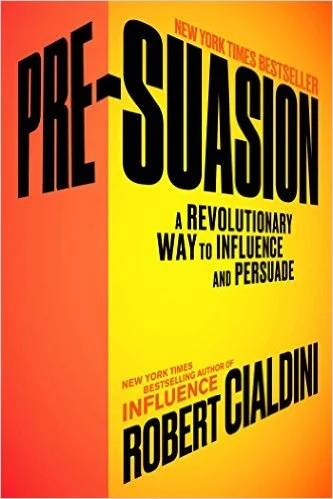
6. Pre-Suasion: A Revolutionary Way to Influence and Persuade by Dr. Robert Cialdini (2)

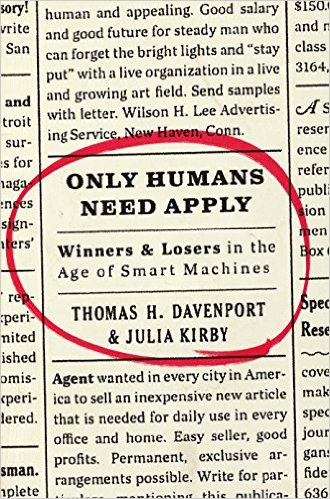
7. Only Humans Need Apply: Winners and Losers in the Age of Smart Machines by Thomas H. Davenport and Julia Kirby (2)

8. Disrupted: My Misadventure in the Startup Bubble by Dan Lyons (2)

9. Smarter Faster Better: The Secrets of Being Productive in Life and Business by Charles Duhigg (2)

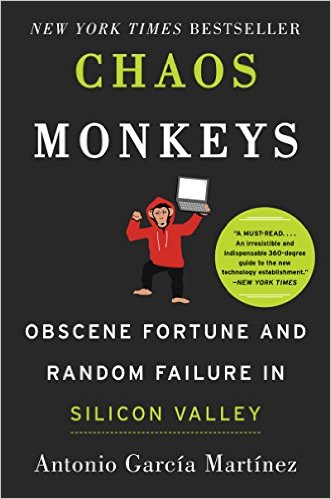
10. Chaos Monkeys: Obscene Fortune and Random Failure in Silicon Valley by Antonio Garcia Martinez (2)

And now here are the Best Business Books of 2016 as selected by the top media outlets I researched:

Fast Company Top 10

1. Grit: The Power of Passion and Perseverance by Angela Duckworth

2. Competing Against Luck: The Story of Innovation and Customer Choice by Clayton M. Christensen, Karen Dillon, David S. Duncan and Taddy Hall

3. Here’s the Plan: Your Practical, Tactical Guide to Advancing Your Career During Pregnancy and Parenthood by Allyson Downey

4. Deep Work: Rules for Focused Success in a Distracted World by Cal Newport

5. Disrupted: My Misadventure in the Startup Bubble by Dan Lyons

6. The Signals Are Talking: Why Today’s Fringe Is Tomorrow’s Mainstream by Amy Webb

7. Whiplash: How to Survive Our Faster Future by Joi Ito and Jeff Howe

8. The Second Machine Age: Work, Progress, and Prosperity in a Time of Brilliant Technologies by Erik Brynjolfsson and Andrew McAfee

9. The New Alpha: Join the Rising Movement of Influencers and Changemakers Who Are Redefining Leadership by Danielle Harlan

10. The Content Trap: A Strategist’s Guide to Digital Change by Bharat Anand

Inc. Top 10

1. Superbosses: How Exceptional Leaders Master the Flow of Talent by Sydney Finkelstein

2. Only Humans Need Apply: Winners and Losers in the Age of Smart Machines by Thomas H. Davenport and Julia Kirby

3. Hustle: The Power to Charge Your Life with Money, Meaning, and Momentum by Neil Patel, Patrick Vlaskovits, and Jonas Koffler

4. Grit: The Power of Passion and Perseverance by Angela Duckworth

5. Mastering the Challenges of Leading Change: Inspire the People and Succeed Where Others Fail by H. James Dallas

6. Sprint: How to Solve Big Problems and Test New Ideas in Just Five Days by Jake Knapp

7. If You’re So Smart, Why Aren’t You Happy? by Raj Raghunathan

8. Hell Week: Seven Days to Be Your Best Self by Erik Bertrand Larssen

9. Deep Work: Rules for Focused Success in a Distracted World by Cal Newport

10. The Art of People: 11 Simple People Skills That Will Get You Everything You Want by Dave Kerpen

Forbes Top 10

1. Keep It Simple: Unclutter Your Mind to Uncomplicate Your Life by Joe Calloway

2. Contagious: Why Things Catch On by Jonah Berger

3. Scrappy: A Little Book about Choosing to Play Big by Terri Sjodin

4. Pre-Suasion: A Revolutionary Way to Influence and Persuade by Dr. Robert Cialdini

5. Stand Out: How to Find Your Breakthrough Idea and Build a Following Around It by Dorie Clark

6. Gift-ology: The Art and Science of Using Gifts to Cut Through the Noise, Increase Referrals and Strengthen Retention by John Ruhlin

7. Look: A Practical Guide for Improving Your Observation Skills by Jim Gilmore

8. How to Wow: 68 Effortless Ways to Make Every Customer Experience Amazing by Adrian Swinscoe

9. Dealstorming: The Secret Weapon that Can Solve Your Toughest Sales Challenges by Tim Sanders

10. All About Them: Grow Your Business by Focusing on Others by Bruce Turkel

Fortune Top 10

1. Shoe Dog by Phil Knight

2. Tools of Titans by Tim Ferriss

3. The Power of Broke by Daymond John

4. The Code of the Extraordinary Mind by Vishen Lakhiani

5. Disrupted: My Misadventure in the Startup Bubble by Dan Lyons

6. Originals: How Non-Conformists Move the World by Adam Grant

7. Hustle: The Power to Charge Your Life with Money, Meaning, and Momentum by Neil Patel, Patrick Vlaskovits, and Jonas Koffler

8. Grit: The Power of Passion and Perseverance by Angela Duckworth

9. Building the Internet of Things by Maciej Kranz

10. Thinking, Fast and Slow by Daniel Kahneman

Financial Times Top 10

1. What Works: Gender Equality by Design by Iris Bohnet

2. Pre-Suasion: A Revolutionary Way to Influence and Persuade by Dr. Robert Cialdini

3. Alibaba: The House That Jack Ma Built by Duncan Clark

4. Brazillionaires: Wealth, Power, Decadence, and Hope in an American Country by Alex Cuadros

5. Only Humans Need Apply: Winners and Losers in the Age of Smart Machines by Thomas H. Davenport and Julia Kirby

6. The Innovation Illusion: How So Little Is Created by So Many Working So Hard by Fredrik Erixon and Bjorn Weigel

7. Chaos Monkeys: Obscene Fortune and Random Failure in Silicon Valley by Antonio Garcia Martinez

8. Dear Chairman: Boardroom Battles and the Rise of Shareholder Activism by Jeff Gramm

9. Originals: How Non-Conformists Move the World by Adam Grant

10. The 100-Year Life: Living and working in an age of longevity by Lynda Gratton and Andrew Scott

Success Top 5

1. A Paperboy’s Fable: The 11 Principles of Success by Deep Patel

2. Hustle: The Power to Charge Your Life with Money, Meaning, and Momentum by Neil Patel, Patrick Vlaskovits, and Jonas Koffler

3. Smarter Faster Better: The Secrets of Being Productive in Life and Business by Charles Duhigg

4. Chief Marketing Officers at Work by Josh Steimle

5. Grit: The Power of Passion and Perseverance by Angela Duckworth

Amazon Top 10

1. Shoe Dog by Phil Knight

2. Grit: The Power of Passion and Perseverance by Angela Duckworth

3. Designing Your Life: How to Build a Well-Lived, Joyful Life by Bill Burnett and Dave Evans

4. Originals: How Non-Conformists Move the World by Adam Grant

5. The Inevitable: Understanding the 12 Technological Forces That Will Shape Our Future by Kevin Kelly

6. Deep Work: Rules for Focused Success in a Distracted World by Cal Newport

7. Smarter Faster Better: The Secrets of Being Productive in Life and Business by Charles Duhigg

8. Chaos Monkeys: Obscene Fortune and Random Failure in Silicon Valley by Antonio Garcia Martinez

9. #AskGaryVee: One Entrepreneur’s Take on Leadership, Social Media, and Self-Awareness by Gary Vaynerchuk

10. Messy: The Power of Disorder to Transform Our Lives by Tim Harford

Overall, there are almost 50 unique titles from the lists above — plenty of excellent business books to keep us occupied in the weeks and months ahead.

Hope you find some books that you love!

Andrew Merle writes about living well, including good habits for happiness, health, productivity, and success. Subscribe to his e-mail list at andrewmerle.com and follow him on Twitter.

Tags success, productivity, habits

How to Find Your True Calling

December 6, 2016

Many people are in search of their purpose, or true calling, in life. 

And this is certainly a worthy endeavor – research has shown that knowing your sense of purpose adds up to 7 years of extra life expectancy. 

But finding your purpose can be quite challenging since it can be an abstract and ambiguous phenomenon.

Therefore, the objective of this article is to make the process more concrete and actionable. 

I believe that true calling lies at the intersection of three important areas: your strengths, interests, and what benefits others. 

When these three forces are all at play, you are doing what you were born to do. 

Of course it is important to have a clear understanding about each of the three components, so let’s break them down. 

Strengths

We are all born with, or have developed, talents and strengths that distinguish us from others.  We simply do some things better than most other people do, and it is important to know what these things are and to lean in to them.  Research shows that applying our strengths is connected to greater work satisfaction, engagement, and productivity.  And using our strengths makes us happier and more successful, too.   

You probably have a sense of what you do well, but a great place to dive deeper and crystallize what you do best is by taking the StrengthsFinder assessment.  This costs $15 and requires about 30 minutes of your time - if you are serious about this self-discovery, it is a worthy investment.

Alternatively (or additionally), you can take the VIA Character Strengths survey (free with log-in) to discover your top strengths. 

Taking one or both of these tests, along with your gut feel, will yield an excellent understanding of your signature strengths and how to leverage them. 

It is through this process that I learned that some of my top strengths are my focus, determination, and analytical nature.     

Interests

This might seem like an obvious one, and certainly unique to every individual.  But even identifying personal interests can be tricky. 

We’re often told to pursue our passions, but many people do not have pre-existing burning passions.  The reality is that passion often doesn’t just exist – it needs to be developed.    

Therefore, a better approach is to start by thinking about anything that you are interested in or enjoy doing (even remotely).  Take the time to write these interest areas down, and then add to the list whenever something makes you happy, curious, or intrigued to learn more.  Over time trends will appear and you will have a good sense for what you truly enjoy doing. 

If you get stuck, start by designing what your perfect day would look like, from the time you wake up until the time you go to sleep. 

Even thinking about how you choose to spend your free Saturday afternoons gives a good indication of your interests. 

I have discovered that I love reading and writing, especially about personal improvement and philosophies of life. 

What Benefits Others

Now that your top strengths and interests have been identified, you are already light years ahead of most people.  Uniting just those two forces, whether as a profession or hobby, can ignite your happiness and success.  But to truly find your calling and purpose in life, it is important to leverage those areas for the greater good.    

Hopefully you are one of the lucky ones already operating in your sweet spot.  But if not, often just combining your strengths and interests will naturally unearth a path to help others.  And perhaps by now you have already had some ‘a ha’ moments. 

You don’t need to only consider major global issues – your family, community, school, city, company (or other group or organization that is important to you) are also in need of your unique contributions.

Don’t forget that people are in need of entertainment, humor, relaxation, education, beauty, social gathering, and other simple joys.   

For example, if you’re a particularly patient person, and you enjoy spending time with children, you could focus your efforts on mentoring or coaching.  Or maybe you’re a doctor with a passion for travel, so you seek out opportunities to volunteer your medical services abroad.  Or perhaps you are great with numbers and interested in money markets, and therefore are well-suited to help people accumulate wealth and save for retirement.      

For me personally, I found that I was reading every book I could get my hands on related to happiness, health, productivity, and success.  I would underline key passages and then, after finishing the book, would transcribe my key takeaways into a one-pager.  I was initially doing this for my own use, but then realized that others could also benefit from my research and writing about these key insights for living well. 

I have now been writing about these topics for almost two years, and find it very meaningful to leverage my top talents (focus, analytical nature) and interests (reading and writing about personal improvement) to help other people lead happier, healthier, more productive lives. 

Go Find Your Calling

We all want to wake up in the morning with a clear sense of purpose that guides and gives meaning to our lives.    

But your calling won’t necessarily just “call” out to you.  You will likely need to search for it. 

By following the steps outlined above, you can find and nurture it. 

Your true calling will emerge as you combine your top strengths and interests with what benefits others. 

When you do that, you are doing what you were meant to do.  

Tags productivity, success, happiness

Why 10pm is the Perfect Bedtime

November 15, 2016

10pm is the perfect bedtime. 

Going to sleep at 10pm enables you to get the recommended 7-8 hours of sleep, and still wake up by 5 or 6am. 

That means you can get in at least a 30-minute workout in the morning – a common habit among the most successful and productive people – and still be at work by 8 or 9am. 

With exercise out of the way, and an energized mind, you are poised and ready to tackle your most important task of the day - all before lunch. 

And when you do that, you’re playing with the house’s money for the remainder of the day. 

You see, I believe a successful morning routine actually starts the night before. 

Most people have commitments in the morning, so sleeping in is not an option.  That means the only way to get a full night’s rest – setting you up for a highly-successful day – is to go to sleep earlier the night before. 

Turning in at 10pm isn’t a major compromise.  It still means that you can have a pleasant and productive evening (family time, dinner, work, TV, reading, glass of wine, etc.) without rushing to bed. 

Even if you don’t get home from work until 7pm, that still means you have 3 hours to make the most of the night before heading to sleep. 

I find that a bedtime much earlier than 10pm really cuts into the evening, and a bedtime much later than 10pm cuts into sleep time and the ability to be effective the next morning. 

Of course this is based on a fairly typical schedule that can apply to most people. 

I fully recognize that there are circumstances (an extra-long commute, getting the kids off to school, etc.) that might require a different routine.  Or perhaps you’re a night owl without any demands in the morning.   

But the principle holds true – find that perfect bedtime balance that allows you to enjoy the evening and still have a great next day.  I believe that a 10pm bedtime yields that perfect balance.  

How about you?  What time do you go to bed and what is the routine that works for you?     


Tags habits, productivity, success
Comment

What to Eat to Live to 100

October 27, 2016

I aspire to live an incredibly long, happy, and healthy life.

That is why I recently read the The Blue Zones Solution, in which New York Times best-selling author Dan Buettner reveals the eating and living habits of the world’s longest-lived people.

For over a decade, Buettner (along with the National Geographic Society and a team of researchers) studied the 5 locations around the globe that have the highest concentrations of 100-year-olds, as well as exceptionally low rates of diseases such as cancer, diabetes, obesity, and heart problems.

In the book, Buettner lays out the specifics for each of these “Blue Zones” locations, analyzes the trends, and then prescribes a plan for people looking achieve the same level of health and longevity.

The book is fantastic and I highly recommend it for anyone who is looking to live a longer, happier life. In case you are short on time, I have tried to summarize my main takeaways below.

Note: Most of the book focuses on food because, as Buettner says, “food may be the best starting point for anyone seeking to emulate the health, longevity, and well-being found in the world’s Blue Zones.” But a significant portion of the book is also devoted to other healthy lifestyle habits commonly found in Blue Zones locations, and I have included some of those key behaviors at the end of this post.

According to The Blue Zones Solution:

The best-of-the-best longevity foods are (Include at least 3 of these daily):

  • Beans (black beans, pinto beans, garbanzo beans, black-eyed peas, lentils)
  • Greens (spinach, kale, chards, beet tops, fennel tops, collards)
  • Sweet Potatoes
  • Nuts (almonds, peanuts, walnuts, sunflower seeds, Brazil nuts, cashews)
  • Olive Oil (green, extra-virgin is best)
  • Oats (slow-cook or Irish steel-cut are best)
  • Barley
  • Fruits (all kinds)
  • Green or Herbal teas
  • Turmeric (spice or tea)

The 4 best beverages are:

  • Water
  • Coffee
  • Green Tea
  • Red Wine (no more than 2 glasses daily)

Foods to Minimize include:

  • Meat (eat meat only 2 times per week or less; meat servings should be 2 oz. cooked or less; fine to eat up to 3 oz. of fish daily)
  • Dairy such as cheese, cream, and butter (limit as much as possible; Goat’s and Sheep’s milk products are ok)
  • Eggs (eat no more than 3 eggs per week)
  • Sugar (limit as much as possible — opt for honey and fruit instead)
  • Bread (OK to eat 100% whole wheat and true sourdough bread; look for sprouted grain bread, whole grain rye, or pumpernickel bread)

Foods to Avoid (other than a special treat):

  • Sugary beverages (sodas, boxed juices)
  • Salty snacks (chips, crackers)
  • Processed Meats (sausages, salami, bacon, lunch meats)
  • Packaged sweets (cookies, candy bars)

Food Guidelines to Live By:

  • 95% of your food should be plant-based
  • Eat your largest meal at breakfast, a mid-sized lunch, and small dinner
  • Stop eating when you’re 80% full
  • If you need to snack, make it a piece of fruit or handful of nuts
  • Cook most of your meals at home and eat with friends and family as much as possible

The top longevity foods eaten in each Blue Zone:

Ikaria, Greece:

  • Olive oil
  • Wild Greens
  • Potatoes
  • Legumes (garbanzo beans, black-eyed peas, lentils)
  • Feta and Goat Cheese
  • Sourdough bread
  • Lemons
  • Honey
  • Herbal Tea
  • Coffee
  • Wine

Okinawa, Japan:

  • Tofu
  • Sweet Potatoes
  • Brown Rice
  • Shiitake Mushrooms
  • Seaweeds
  • Garlic
  • Turmeric
  • Green Tea

Sardinia, Italy:

  • Olive oil
  • Beans
  • Goat’s Milk and Sheep’s Milk (including sharp pecorino cheese)
  • Flat Bread
  • Barley
  • Sourdough Bread
  • Fennel
  • Fava Beans and Chickpeas
  • Potatoes
  • Greens
  • Tomatoes
  • Onions
  • Zucchini
  • Cabbage
  • Lemons
  • Almonds
  • Wine

Loma Linda, California:

  • Avocados
  • Salmon
  • Nuts
  • Fruits
  • Beans
  • Water (7 glasses per day)
  • Oatmeal
  • Whole Wheat Bread
  • Soy Milk

Peninsula, Costa Rica:

  • Corn Tortillas
  • Black Beans
  • Squash
  • Papayas
  • Yams
  • Bananas

Blue Zones lifestyle lessons to maximize happiness, health, and longevity:

  • Move daily (e.g. walking or other moderate-intensity activity).
  • Socialize more. Research shows that the happiest people socialize at least 8 hours per day, especially with parents and family.
  • Know what gets you up in the morning. Knowing your sense of purpose, or reason for living, has been shown to add up to 7 years of life expectancy.
  • Have faith. Attending faith-based services (it doesn’t matter what faith) 4 times per month has been shown to add 4–14 years to your life.
  • Committing to a life partner can add up to 3 years of life expectancy.
  • Aim to sleep 8 hours per night for maximum health and longevity.
  • Have sex. 80% of people in Ikaria ages 65–100 are still having sex, and sex has been shown to enhance longevity.

In summary, as noted in the book, “Eat well, stress less, move more, and love more.”

Here’s to a long, happy, healthy, and fulfilling life!

Tags health, happiness

How to Get By on 4-5 Hours of Sleep

October 16, 2016

We all know that it is optimal to get 8 hours of sleep per night. 

The benefits of sleep for our health, happiness, and productivity have been well-documented. 

There is simply no doubt that we need sleep to be at our best.    

But sometimes 8 hours just isn’t in the cards. 

Whether because of work stress, a crying baby, or some other late-night disturbance, we are sometimes forced to function on 4-5 hours of sleep (or less). 

When that is the case, should we just resign ourselves to a day filled with moodiness and limited output?  Or are there some strategies to counteract the effects of little sleep? 

Fortunately, there are some effective ways to survive (and even thrive) after a night of tossing and turning. 

Try this routine the next time you’re short on sleep:

  • Force yourself to get up and exercise.  I personally find that a 30-minute run in the morning is worth an extra 2 hours of sleep, and makes me feel close to how I typically would during a well-rested workday.  It may not be your finest workout after limited shut-eye, but working up a sweat will make you feel sharper and more alert afterwards.
  • Follow exercise with a cold shower, which has been shown to increase mood, alertness, and energy.
  • Have a cup (or two) of coffee.  Caffeine in moderation can help boost your concentration and mental alertness.  Feel free to go back for another round - coffee or green tea - in the early afternoon if you’re not overly sensitive to caffeine.
  • Get your most important work done in the morning.  It is critical to prioritize your day.  Expect an energy dip in the afternoon, so tackle your must-do items first-thing.
  • Eat light, healthy meals and snacks.  The food we eat has a big effect on our energy levels, so treat food as fuel when operating on little sleep.  In general, opt for complex carbs and protein to increase energy levels.  Some revitalizing options include berries and other fruits, steel-cut oatmeal, eggs, nuts, vegetables, lean meats (such as grilled chicken), and fresh fish (such as salmon).  Be sure to also drink lots of water throughout the day.  Heavy meals, sugar, and processed carbs will only worsen the situation and make you want to hit the pillow.
  • Take a walk outside to break up the day.  When sleepiness hits at your desk, get up and go outside for a 10-15 minute walk.  The break and sunlight will help to restore your energy levels.
  • Allow yourself a quick afternoon nap.  A short 30-minute nap has been shown to boost alertness and limit the effects of sleep deprivation.
  • Leave work on time.  This isn’t the day to put in overtime, if you can avoid it.  You accomplished your most important tasks early and made it all the way through, so pat yourself on the back and call it a day.  Go home and enjoy a relaxing evening and hopefully better sleep than the night before. 

Of course it is never ideal to operate on little sleep, but the reality is that we all find ourselves in this situation from time to time.  And fortunately there are some proven strategies to make the most of it. 

Your day will certainly be more manageable by following this plan, whether you adhere to every step or just select a few of the items.  

Perhaps it also jumped out at you that this routine could maximize your day even when you are well-rested.

Here’s to a great day (sleep or not)!    


Tags health, happiness, productivity
← Newer Posts Older Posts →

SEARCH:


xJGh6cXvC69an86AdrLD98-320-80.jpg

View Andrew's work on Medium


COMMON THEMES:

  • Books
  • Business
  • Coffee
  • Diet
  • Exercise
  • Finances
  • Fitness
  • Food
  • Health
  • Lifestyle
  • Longevity
  • Nutrition
  • Performance
  • Psychology
  • Sports
  • Success
  • Technology
  • Travel
  • Wellbeing
  • Wellness
  • Work
  • excercise
  • habits
  • happiness
  • health
  • productivity
  • sleep
  • success
  • time management
  • well-being