• Home - Popular Posts
  • About
  • Contact
  • Blog
Menu

Andrew Merle

Wellness, Habits, and High-Integrity Growth
  • Home - Popular Posts
  • About
  • Contact
  • Blog

Subscribe

Sign up with your email address to receive the latest stories and content.

We respect your privacy.

Thank you!

Photo by Rutger Geleijnse on Unsplash

The Healthiest People In The World Don't Go To The Gym

July 21, 2018

Maybe it's time to cancel your gym membership. 

If you want to be as healthy as possible, there are no treadmills or weight machines required.

Don’t just take my word for it — look to the longest-lived people in the world for proof.

People in the world’s Blue Zones — the places around the world with the highest life expectancy — don’t pump iron, run marathons or join gyms.

Instead, they live in environments that constantly nudge them into moving without even thinking about it. This means that they grow gardens, walk throughout the day, and minimize mechanical conveniences for house and yard work.

In fact, Blue Zones researchers determined that routine natural movement is one of the most impactful ways to increase your life span, and a common habit among the world’s longest-lived populations.

Of course this might not seem realistic in our current knowledge economy, where we’re often tied to a desk and in front of a computer screen all day.

Moving naturally throughout the day might sound pleasant and romantic, but the reality is that 90% of us have sedentary jobs (whereas 100 years ago it was only 10%).

However, there are still easy ways to add more movement into your daily life.

One of the best ways to do this is to use an active mode of transportation. This could mean walking your kids to school, walking or biking to the grocery store, to a friend’s house, or out to dinner.

Ideally you could walk or bike to work as well (or walk/bike to the bus or train station, if that’s more feasible).

Research shows that the best work commute you can have is a 15-minute walk each way, but any physical activity built in along your commute is a plus. On the flip side, the daily car commute is the number two thing Americans hate the most on a daily basis, behind only housework (but maybe housework would be more enjoyable if you reminded yourself of the life-extending natural movement involved!).

If active transportation isn’t possible in your community, you can still find time to go out for a walk.

A recent study from the American Cancer Society revealed that walking for six hours per week resulted in a lower risk of dying from cardiovascular disease, respiratory disease, and cancer than not being active at all. But the research also showed that walking even as little as two hours per week could reduce the risk of disease and help you live longer.

Walking is also great medicine for your mind. A daily walk could reduce the risk of dementia by 40%, according to Anders Hansen, a physician and psychiatry specialist from the Karolinska Institute in Sweden.

If long walks aren’t your thing, break it up by taking several smaller walks per day instead (5 minutes per hour).

Make it a point to stand at your desk, or at least get up and move around regularly throughout the day. Get outside at lunch for some fresh air.

The bottom line is that our bodies were made to move.

And that doesn’t necessarily mean going to the gym.

You don’t need to lift heavy weights or grind through high intensity interval workouts to live a long and healthy life.

Simple, natural movement can be even more impactful.

Do as the world’s centenarians do — move naturally.

Tags happiness, health, Wellness, Wellbeing

Photo by Ben White on Unsplash

The Greatest Country in the World?

July 16, 2018

Is there a way to measure the greatest country in the world?

I suppose it depends on your definition, but I believe the best country is the one that produces the ultimate combination of happiness, health, and productivity/success.

Fortunately there are studies that rank countries across each of those areas, and the goal of this article is look across the individual rankings to arrive at the overall best of the best.

Happiness

The World Happiness Report is the ultimate authority on global happiness, ranking 156 countries by their happiness levels. Here are the Top 10 happiest countries in 2018, as determined by the latest study:

  1. Finland
  2. Norway
  3. Denmark
  4. Iceland
  5. Switzerland
  6. Netherlands
  7. Canada
  8. New Zealand
  9. Sweden
  10. Australia

In case you are wondering, the US came in at #18 in the latest Happiness rankings (one spot ahead of the UK).

Health

The Bloomberg Health Index ranks the healthiest countries in the world based on several factors including life expectancy, health risks, availability of clean water, malnutrition, and causes of death.

Here are the Top 10 healthiest countries in the world:

  1. Italy
  2. Iceland
  3. Switzerland
  4. Singapore
  5. Australia
  6. Spain
  7. Japan
  8. Sweden
  9. Israel
  10. Luxembourg

The US ranks as the #34 healthiest country, in large part due to its high levels of overweight and obese residents.

If you prefer to look at just life expectancy as the primary metric for health, here are the countries that come out on top:

  1. Hong Kong (84.3 years)
  2. Japan (83.8 years)
  3. Italy (83.5 years)
  4. Spain (83.4 years)
  5. Switzerland (83.2 years)
  6. Iceland (82.9 years)
  7. France (82.7 years)
  8. Singapore (82.6 years)
  9. Sweden (82.6 years)
  10. Australia (82.5 years)

The US ranks #37 in life expectancy with an average of 78.7 years.

Productivity/Success

On the productivity side, the World Competitiveness Ranking measures the world’s most competitive economies.

Here are the top countries from a business perspective in 2018:

  1. United States
  2. Hong Kong
  3. Singapore
  4. Netherlands
  5. Switzerland
  6. Denmark
  7. UAE
  8. Norway
  9. Sweden
  10. Canada

The World Economic Forum produces a similar report measuring each country’s competitiveness, productivity, and prosperity.

Here are the Top 10 from the latest report (2017):

  1. Switzerland
  2. United States
  3. Singapore
  4. Netherlands
  5. Germany
  6. Hong Kong
  7. Sweden
  8. UK
  9. Japan
  10. Finland

If you prefer to look at productivity and success from an innovation standpoint, here are the Top 10 countries, according to the 2018 Bloomberg Innovation Index (which scores countries using seven criteria, including research and development spending and concentration of high-tech public companies):

  1. South Korea
  2. Sweden
  3. Singapore
  4. Germany
  5. Switzerland
  6. Japan
  7. Finland
  8. Denmark
  9. France
  10. Israel

The US currently ranks #11 on the innovation index.

Any way you slice it, there are only two countries that rank among the Top 10 in each of the three categories (Happiness, Health, Productivity).

In fact, those two countries placed in the Top 10 in each of the six individual reports listed above.

Those two countries are Switzerland and Sweden.

In order to determine the ultimate winner, you need to look at where Switzerland and Sweden placed in each of the six individual rankings. Whichever country totaled the lowest overall score should be crowned the winner, as a result of ranking near the top of every list.

So which country is the best of the best — Switzerland or Sweden?

Here are the totals:

Switzerland: 24 (average rank of #4 on each individual list)

Sweden: 44 (average rank of #7 on each individual list)

So it really isn’t even close.

Photo by Dino Reichmuth on Unsplash

Switzerland ranked in the top 5 in every individual ranking listed above — the only country in the world to have that distinction.

Switzerland quite simply delivers the ultimate blend of happiness, health, productivity, and success.

Switzerland is the 2018 Greatest Country in the World.

How Does Switzerland Do It?

Switzerland has it all — wealth, beauty, culture, and stability.

One of the world’s wealthiest countries, Switzerland enjoys low unemployment and one of the highest gross domestic products per capita in the world.

The beautiful small country in Central Europe is made up of glacier-sculpted Alps, lakes, and valleys, and has enjoyed relative peace and tranquility since the mid 1800’s.

Well-known for its neutrality, Switzerland also prides itself on culture and diversity — German, French, Italian, and Romansh language all enjoy national status.

Additionally, Swiss citizens have won more Nobel Prizes and registered more patents per capita than most other nations.

And that’s just scratching the surface.

I suggest you add Switzerland to your travel list in order to truly find out what makes it the greatest country in the world.

Andrew Merle writes about living well, including good habits for happiness, health, productivity, and success. Subscribe to his email list at andrewmerle.com.

Tags happiness, health, productivity, success

Photo by Pablo Heimplatz on Unsplash

What Is Success, Anyway?

June 24, 2018

We are often told that if we aren’t hustling and grinding, then we won’t make it.

That if we aren’t outworking others, we’ll be left behind.

But what is the end goal? What does success really mean?

My definition of success is doing work that I love and living a long, happy, and healthy life.

And here are the facts to achieve that type of success:

Money can buy happiness, but only to a point

One often-cited study revealed that money stops producing happiness after you make $75,000 per year. More recent research clarifies those findings to show that the happiness gains from income starts to fall off around $70,000, becomes very low by $160,000, and then hits zero around $200,000. You undoubtedly want a comfortable standard of living to minimize financial stress, but chasing huge income as a means to happiness is not a proven strategy.

Working very long hours is not a recipe for productivity or happiness

Research shows that productivity falls sharply after 50 hours per week, and drops off a cliff after 55 hours. In the world’s happiest countries (primarily Scandinavian countries such as Denmark and Sweden), people work hard but rarely put in more than 37 hours per week. But that doesn’t mean they aren’t innovating — Sweden alone has produced world-shaping companies such as IKEA, Skype, and Spotify.

You also need to take real time off. Six weeks of vacation time per year has been shown to be optimal for happiness (unfortunately Americans take an average of only 11 days).

Social relationships are the best predictor of overall health and happiness

A Harvard study, conducted over 80 years, has revealed that close relationships, more than money or fame, are what keep people happy throughout their lives. And those findings hold true even when factoring in genes, social class, and IQ. In fact, of the thousands of people included in the study, those who were the most satisfied in their relationships at age 50 were the healthiest at age 80. The study’s lead researcher concluded that “the key to healthy aging is relationships, relationships, relationships.” Social relationships are quite simply the most powerful tool you have to live a long and happy life.

Social interaction also boosts your mood on a day-to-day basis. The data shows that to have a great day, you should aim for six hours of social time. That might seem like a lot, but every hour of social time helps to reduce your chance of having a bad day. A little is good, a lot is better. Unfortunately, Americans socialize for an average of only 41 minutes per day. Maybe we should spend less time hustling, and more time socializing.

Happiness causes success, not the other way around

We often grind away in hopes of making it big, as a means to eventually become happy. But Shawn Achor, one of the world’s leading experts on the connection between happiness and success, says that we have the formula backward: Happiness fuels success, not the other way around. If you want to achieve success, you need to look after your own happiness first.

Here are five easy everyday habits to boost your happiness:

  1. Write down three new things each day that you are grateful for
  2. Journal about a recent positive experience you’ve had for 2 minutes per day
  3. Engage in 15–30 minutes of cardio exercise such as brisk walking or jogging
  4. Meditate — Simply focus on your breath going in and out for 2 minutes per day
  5. Start your day by writing a 2-minute positive email thanking a friend or colleague, or complimenting someone you admire

Achor says that doing those five things every day for 21 days straight will produce profound (and lasting) happiness benefits.

The number 2 most common regret of the dying is, “I wish I hadn’t worked so hard.”

A palliative nurse recorded the most common regrets of the dying and put her findings into a book called The Top Five Regrets of The Dying. The reality is that at the end of their life, nobody wishes they had worked more.

Don’t wait until you are on your deathbed to make that realization.

Use the time that you have now — while you are still in good health — to focus on the things that really matter (like quality relationships with friends and family).

We need to slow down and savor life

Our busy, always-on-the-go lifestyle is stressful. And stress leads to chronic inflammation, associated with every major age-related disease. While some stress is inevitable (and even beneficial), you must effectively manage it if you want to live well. Instead of always staying in overdrive, we need to consciously downshift, a common practice among the world’s longest-lived people.

Take a nap, enjoy a happy hour with friends, unplug after work hours, spend time outside, listen to live music, watch the sunset. Your time here is limited — make sure to slow down and enjoy it.

The happiest people discover their own nature and match their life to it

That is a direct quote from Ray Dalio, who is worth over $17 billion and one of the 100 wealthiest people in the world. But for him, the goal was never about making money. “Meaningful work and meaningful relationships were and still are my primary goals and everything I did was for them,” he says. “Making money was an incidental consequence of that.”

Ultimately, life and happiness boils down to finding the right fit for you. It is essential to know your own nature and operate consistently with it.

After all, the number one regret of the dying is “I wish I’d had the courage to live a life true to myself, not the life others expected of me.” Money won’t mean much if you aren’t living a life that is in line with what you want. And making money in a way that conflicts with your personality or values will just make you feel trapped. To live a truly fulfilling and happy life, Dalio says what you really need is “the courage to be true to your truest self, no matter what other people want you to be.”

It is these lessons that are most important to truly live well. Don’t feel the pressure to always hustle, grind it out, and get ahead. It is far more important to savor life, spend quality time with others, and pursue your own unique path.

If you do that, you will achieve the right kind of success.

Andrew Merle writes about living well, including good habits for happiness, health, productivity, and success. Subscribe to his email list at andrewmerle.com.

Tags happiness, health, productivity, success

Photo by Tom Hermans on Unsplash

50 Top Business Books And How Long It Takes To Read Them

June 18, 2018

Reading is a common habit among ultra-successful people.

Many of today’s top business leaders and entrepreneurs — from Warren Buffett to Elon Musk to Bill Gates — credit reading a primary reason for their success.

And we know that that the wealthiest, most successful people tend to read non-fiction books (and in particular biographies and autobiographies of other successful people), opting to be educated over being entertained. They believe that books are a gateway to learning and knowledge.

Although not an absolute indicator of success, reading has been proven to strengthen the brain and sharpen your memory and thinking skills.

If you are looking to add more reading in your life, but also want to be mindful of the time commitment, this awesome visual from GetVoIP will help you strategically plan your book list. The visual highlights 50 top business books and how long it takes to read them.

You can start with books that take less than three hours like The Magic of Thinking Big and work your way up to a 14-hour read like the Steve Jobsbiography.

Here is the full list and the average time it takes to read each book:

Biographies

  • The Story of My Life by Helen Keller (2:32 hours)
  • The Wright Brothers by David McCullough (5:49 hours)
  • Hidden Figures: The American Dream and the Untold Story of the Black Women Mathematicians Who Helped Win the Space Race by Margot Lee Shetterly (6:15 hours)
  • Shark Tales: How I Turned $1,000 into a Billion Dollar Business by Barbara Corcoran (6:30 hours)
  • Elon Musk: Tesla, SpaceX, and the Quest for a Fantastic Future by Ashlee Vance (7:45 hours)
  • Catherine the Great: Portrait of a Woman by Robert K. Massie (13:50 hours)
  • Benjamin Franklin: An American Life by Walter Isaacson (14:19 hours)
  • Steve Jobs by Walter Isaacson (14:34 hours)
  • The Snowball: Warren Buffett and the Business of Life by Alice Schroeder (16:55 hours)
  • Titan: The Life of John D. Rockefeller by Ron Chernow (20:19 hours)

Leadership / Management

  • The One-Minute Manager by Ken Blanchard (2:24 hours)
  • Leading Change by John P. Kotter (4:13 hours)
  • How to Win Friends and Influence People by Dale Carnegie (4:14 hours)
  • Lean In: Women, Work, and the Will to Lead by Sheryl Sandberg (4:52 hours)
  • Daring Greatly: How the Courage to Be Vulnerable Transforms the Way We Live, Love, Parent, and Lead by Brene Brown (4:55 hours)
  • The Toyota Way: 14 Management Principles from the World’s Greatest Manufacturer by Jeffrey K. Liker (6:42 hours)
  • The 21 Irrefutable Laws of Leadership: Follow Them and People Will Follow You by John C. Maxwell (6:49 hours)
  • Extreme Ownership: How U.S. Navy SEALs Lead and Win by Jocko Willink (7:09 hours)
  • Good to Great: Why Some Companies Make the Leap and Others Don’t by Jim Collins (8:08 hours)
  • The 7 Habits of Highly Effective People by Stephen R. Covey (8:47 hours)

Productivity

  • Do More Better: A Practical Guide to Productivity by Tim Challies (1:39 hours)
  • The ONE Thing: The Surprisingly Simple Truth Behind Extraordinary Results by Gary Keller (3:10 hours)
  • Drive: The Surprising Truth About What Motivates Us by Daniel H.Pink (3:27 hours)
  • Scrum: The Art of Doing Twice the Work in Half the Time by Jeff Sutherland (3:53 hours)
  • The Subtle Art of Not Giving a F*ck: A Counterintuitive Approach to Living a Good Life by Mark Manson (4:53 hours)
  • Rework by Jason Fried (5:51 hours)
  • The Power of Habit: Why We Do What We Do in Life and Business by Charles Duhigg (6:21 hours)
  • Flow: The Psychology of Optimal Experience by Mihaly Csikszentmihalyi (6:49 hours)
  • Mastery by Robert Greene (9:21 hours)
  • Thinking, Fast and Slow by Daniel Kahneman (11:37 hours)

Growth

  • The Magic of Thinking Big by David J. Schwartz (2:25 hours)
  • Traction: A Startup Guide to Getting Customers by Gabriel Weinberg and Justin Mares (4:17 hours)
  • Crossing the Chasm: Marketing and Selling High-Tech Products to Mainstream Customers by Geoffrey A. Moore (4:36 hours)
  • The Tipping Point: How Little Things Can Make a Big Difference by Malcolm Gladwell (5:00 hours)
  • Blue Ocean Strategy: How to Create Uncontested Market Space and Make Competition Irrelevant by W. Chan Kim and Renee Mauborgne (5:12 hours)
  • Hooked: How to Build Habit-Forming Products by Nir Eyal (5:12 hours)
  • Influence: The Psychology of Persuasion by Robert C. Cialdini (5:51 hours)
  • Creativity, Inc.: Overcoming the Unseen Forces That Stand in the Way of True Inspiration by Ed Catmull (7:27 hours)
  • The Black Swan: The Impact of the Highly Improbable by Nassim Nicholas Taleb (9:01 hours)
  • Principles by Ray Dalio (9:18 hours)

Entrepreneurship

  • Where Good Ideas Come From: The Natural History of Innovation by Steven Johnson (4:09 hours)
  • Zero to One: Notes on Startups, or How to Build the Future by Peter Thiel (4:33 hours)
  • The Hard Thing About Hard Things: Building a Business When There Are No Easy Answers by Ben Horowitz (4:36 hours)
  • On Writing: A Memoir of the Craft by Stephen King (4:41 hours)
  • Delivering Happiness: A Path to Profits, Passion, and Purpose by Tony Hsieh (4:48 hours)
  • Running Lean: Iterate from Plan A to a Plan That Works by Ash Maurya (4:52 hours)
  • The Lean Startup: How Today’s Entrepreneurs Use Continuous Innovation to Create Radically Successful Businesses by Eric Ries (5:03 hours)
  • Business Model Generation by Alexander Osterwalder and Yves Pigneur (5:51 hours)
  • Founders at Work: Stories of Startups’ Early Days by Jessica Livingston (9:55 hours)
  • The Founder’s Dilemmas: Anticipating and Avoiding the Pitfalls That Can Sink a Startup by Noam Wasserman (9:55 hours)

There you have it — 14 days, 4 hours, and 44 minutes worth of reading. If you read even a fraction of these books, you’ll have a leg up on the competition.

Happy (and successful) reading!

Andrew Merle writes about living well, including good habits for happiness, health, productivity, and success. Subscribe to his email list at andrewmerle.com.

Tags success, productivity

This Is How Many Hours You Should Really Be Working

June 10, 2018

Have you ever wondered about the optimal number of hours to work per week?

Perhaps you are one of those people who brags about your 70-hour workweek, or maybe you are on the other end of the spectrum chasing the 4-hour workweek dream.

Who really has it right, anyway?

It turns out that the number of hours you work affects not only your productivity, but also your happiness and perception of how much time you have.

And we currently have some room for improvement.

A recent Gallup poll in the US revealed that one in five full-time employees work more than 60 hours a week and nearly half of US workers regularly clock at least 50 hours.

But those people are doing themselves (and their employers) a disservice.

Research shows that productivity falls sharply after 50 hours per week, and drops off a cliff after 55 hours. Additionally, not taking at least one full day off per week (e.g. Sunday) leads to lower hourly output overall.

From a productivity standpoint you shouldn’t go above 50 hours, but to cut down on stress you’d be wise to work even less.

It is no secret that we are busier and more connected than ever, often bouncing from one obligation to the next. This non-stop lifestyle has resulted in 48 percent of working adults feeling rushed for time, and 52 percent feeling significant stress as a result.

Time management expert Laura Vanderkam conducted a study to determine how the number of hours you work affects how much time you think you have.

Of the 900 people included in the study, the average person worked 8.3 hours per day. And the results showed that there was only a one hour difference between the people who felt like they had a lot of time and those who felt time-pressured. Those who felt like they had the least time overall worked 8.6 hours, whereas those who felt like they had the most time worked just one hour less (7.6 hours).

So to not feel starved for time, aim for a 7.6 hour work day. That would equate to a 38-hour workweek.

A 38-hour workweek is remarkably similar to the number of hours worked in Denmark, consistently one of the world’s happiest countries (Denmark has earned the top spot on the World Happiness Report in three of the past five years, and finished number two and three in the other years). People in Denmark work hard but rarely put in more than 37 hours a week, often leaving the office by 4 or 5pm. Other Scandinavian countries enjoy a similar work-life balance, and similar happiness rankings.

Happiness expert Dan Buettner takes it even a step further. Buettner has reviewed the research on more than 20 million people worldwide through the Gallup-Sharecare Well-Being Index, and has conducted extensive on-the-ground research in the world’s happiest countries. “When it comes to your work, try to work part-time, 30–35 hours a week,” he concludes.

Buettner also recommends taking six weeks of vacation per year, which is the optimal amount for happiness. If that isn’t possible, he says at the very least you should use all of your allotted vacation time and keep negotiating for more until you’re getting 6 weeks.

Unfortunately Americans are not taking half of their vacation days, and two-thirds of Americans report working even when they are on vacation. Perhaps it’s no surprise that the US is down at #18 in the World Happiness Report.

Maybe 30 work hours per week and six weeks of vacation is not practical for you. But that’s okay.

If you want to achieve the perfect blend of productivity, happiness, and time affluence, a more realistic goal is to work slightly below 40 hours per week.

The research shows that even shaving an hour or two off of the standard 40-hour workweek can have huge benefits, both at work and at home.

Less than 10% of workers are able to achieve that schedule. A good goal is to be one of those people.

Here’s to the 38-hour workweek!

Andrew Merle writes about living well, including good habits for happiness, health, productivity, and success. Subscribe to his email list at andrewmerle.com.

Tags happiness, health, productivity, success, Wellness, Wellbeing, time management
Comment

Photo by Samuel Zeller on Unsplash

Why Getting Out Of Your Comfort Zone Is Overrated

May 21, 2018

We are often told that we need to get out of our comfort zone to grow and achieve success.

That life doesn’t begin until things are scary and uncomfortable.

That the pathway to success needs to be risky, difficult, and riddled with failure along the way.

That you need to push yourself to the limit — and beyond — to realize your true potential.

But they have it wrong.

Getting out of your comfort zone is overrated.

In fact, understanding your comfort zone and leaning into it is where the real magic happens.

Your comfort zone is the sweet spot where you should be operating.

Tapping into your comfort zone is actually the route to greatness.

...

The problem is that for most people, comfort zone is only an abstract feeling. You might know it when you’re in it, but you aren’t able to articulate it or pursue it.

You think things need to be hard to be successful.

But what if easy is the way?

You see, when things are easy for you, that means you are probably good at them.

And when you discover things that are easy for you, and hard for most other people, that is a competitive advantage.

That is the comfort zone I’m talking about.

You can build your life and career around your comfort zone, instead of struggling unnecessarily.

Why fight through stress and pain, when you can focus on the things that are naturally easy for you?

...

Of course if your comfort zone only includes watching TV or playing video games, you’ll likely need to do a bit more self-discovery.

And if you have glaring weaknesses that are clearly holding you back, you should take necessary steps to address them.

But you should be spending the majority of your time on the things that are easy for you and hard for others.

It is important to know what those things are and to maximize them.

When you are operating from your unique comfort zone, you will be most happy, confident, and productive.

You probably have a sense for what you do uniquely well, but if not, a good place to start is by taking one or more of the following assessments:

  • StrengthsFinder
  • WingFinder
  • VIA Character Strengths
  • Enneagram
  • Myers-Briggs Type Indicator (MBTI)

...

Yes, grit and perseverance will produce results.

But only up to a certain point.

Your unique comfort zone is the path to greatness.

Your comfort zone is your superpower.

Tim Ferriss changed his life by asking the question, “What would this look like if it were easy?”

Ask yourself the same question, and you could change your life, too.

Andrew Merle writes about living well, including good habits for happiness, health, productivity, and success. Subscribe to his email list at andrewmerle.com.

1 Comment

A Little Book of Life Lessons for Young Kids

May 19, 2018

It is graduation time for students across the country. 

That means that some of the world’s most notable figures are giving commencement speeches, imparting their wisdom upon students about to hit the real world. 

Here are just a few of the famous faces who are gracing college campuses this season for commencement addresses: 

  • Oprah Winfrey at USC
  • Apple CEO Tim Cook at Duke
  • Facebook COO Sheryl Sandberg at MIT
  • Hillary Clinton at Yale
  • Queen Latifah at Rutgers
  • Actress Mindy Kaling at Dartmouth
  • Chance the Rapper at Dillard University
  • Canadian Prime Minister Justin Trudeau at NYU

But why wait until your kids graduate college (or rely on a celebrity) to give them important life lessons?

You can deliver terrific life advice to your kids by reading them the highly-recommended children’s book Make It A Good Day by Jennifer Universe. 

I have two young kids (5 and 2) and have found that this little book has all of the practical tips to make each day a good one. 

And I believe that lots of good days add up to make a good life. 

Here are some of the simple lessons from the book for kids (and some back-up information for people of all ages!): 

Put a smile on your face

In fact, even faking or forcing a smile reduces stress and makes you happier.

Drink water and stay hydrated

Water is the number one healthiest beverage to drink, according to the world’s top nutrition experts.

Don’t feel the need to rush

Giving your attention only to the task at hand enables you to accomplish more while feeling less anxious and less scatterbrained.

Take a deep breath

This simple act can be a pathway to stress reduction, mental clarity, and creativity. 

Move your body

Exercise is the single most powerful tool you have to optimize your brain function.

Spend time in nature

Getting outside and connecting with nature is a powerful way to clear your mind and reduce stress.

Follow your imagination

Curiosity has been found to be just as important as intelligence in order to succeed and navigate our increasingly complex world.

Make sure to celebrate 

One of the main reasons celebrating is so important is because it reflects an overall attitude of gratitude and enjoying what you have, instead of focusing on what you don’t have or only on what you want in the future.

And perhaps the most important lesson of all… 

A good day is all in your head, you decide when you get out of bed

Attitude is a decision that we make every day, and choosing to have a good one builds relationships and opens doors like few other habits or behaviors can.

Make It A Good Day delivers all of these messages and more, in a fun and digestible way for young kids (complete with colorful illustrations and a playful rhyme). 

So get the life lessons started early and help your kids to make each day a good one.

Andrew Merle writes about living well, including good habits for happiness, health, productivity, and success. Subscribe to his email list at andrewmerle.com.

Comment

Proven Ways to Reduce Stress

May 16, 2018

It is no secret that stress wreaks havoc on the body.

High levels of chronic stress can lead to high blood pressure, heart disease, obesity, and diabetes, just to name a few of stress’ negative health effects.

While some stress is inevitable in all of our lives, you must effectively manage it if you want to live well.

I have previously written about some effective ways to control stress, from gaining financial security to exercising to eating and sleeping well.

Here are several other proven ways to reduce stress and increase your well-being:

Work fewer than 40 hours per week

Follow the example set in Denmark, where people work hard but rarely put in more than 37 hours a week. Denmark often ranks as the happiest country in the world, earning the top spot on the World Happiness Report in three of the past six years (and finishing number two and three in the other three years).

Take up to 6 weeks of vacation time per year

At the very least, use all of your vacation time per year and keep negotiating for more until you’re getting 6 weeks which is the optimal amount for happiness.

Shorten your commute

Research has shown that there is a direct link between commute time and well-being — People with the longest commutes have the lowest overall satisfaction with life. In fact, the daily car commute is the number 2 thing Americans hate the most on a day-to-day basis (behind only housework), and cutting out a one-hour commute has been shown to produce the happiness equivalent of a $40,000 raise.

The research shows that the very best commute you can have is a 15-minute walk each way. If that isn’t possible, at least limit your commute to no more than 30 minutes, ideally with some physical activity (walking or biking) built in along the way.

Unplug after work hours

I personally go offline for 12 hours each day — from about 8pm — 8am (this window can shift up or back by 30 minutes on any given day). I also try to avoid email and social media for one full day each weekend.

Keeping this schedule enables me to ‘down shift’ and prioritize my family and my health. I have found that balancing my online and offline time helps me to achieve balance in my life overall.

Meditate

Meditation improves physical health, including lowering blood pressure, boosting the immune system, and increasing our ability to cope with stress.

And meditation has been shown to bolster our minds — actually changing the brain in ways that lead to reduced levels of anxiety and depression, improved attention and concentration, better self-control, and greater overall psychological well-being.

Meditation is not complicated. Just sit in a quiet place (start with 5–10 minutes) and focus on your breath. When your mind wanders — and it will wander — just bring your attention back to focus on your breath and the physical sensations. Do that repeatedly during your meditation session — just observing your breath without trying to control or analyze it. That’s it. This habit alone can change your life over the long haul.

Get Outside

Getting outside and connecting with nature is a powerful way to clear your mind and reduce stress. Increasing your time outside (which could be as simple as taking a walk) will likely do wonders for your mood and outlook on life.

Add a daily dose of humor

Tell a joke, read the comics, watch a funny TV show, or go to a Comedy club. In fact, The simple act of smiling reduces stress and increases happiness, even if you’re faking or forcing the smile.

I also love to do yoga, listen to music, and play with my kids to reduce stress. Stress management can be unique to every individual, but the key is that you have your own go-to methods. That might mean getting a massage, taking a warm bath, drinking soothing tea, or simply hugging a loved one.

Focus on applying the above stress-management techniques, along with your own tactics, in order to manage the stress in your life.

If you have other highly effective ways to reduce stress, please let me know in the comments below!

Comment

Photo: Ben Hershey on Unsplash

Why Racket Sports Are So Healthy

May 9, 2018

Exercise is the single most powerful tool you have to optimize your brain function.

That is according to John Ratey, MD, an Associate Clinical Professor of Psychiatry at Harvard Medical School and an internationally recognized expert in Neuropsychiatry.

In Ratey’s bestselling book Spark: The Revolutionary New Science of Exercise and the Brain, he details the scientifically-proven health benefits of exercise, including:

  • Improves learning ability and grows brain cells
  • Reduces stress, anger, anxiety, and depression
  • Increases focus, attention, and alertness
  • Reduces risk of Alzheimer’s, Parkinson’s, and other forms of Dementia
  • Lowers blood pressure

And that’s just to name a few.

Any exercise is better than none, but to see these results, you should aim for at least some type of moderate-intensity aerobic activity for 30 minutes at least 5 days a week. That is in line with the Public Health guidelines for physical activity. Examples of moderate-intensity aerobic activity include brisk walking, jogging, cycling, and swimming.

Adding strength or resistance training will help you build muscles, strengthen bones, and protect joints.

And including more complex activities — such as yoga, rock climbing, gymnastics, and martial arts — will help to build skills and stay agile.

But what if there was one type of activity that could achieve all of these benefits at once?

It turns out that all sports are not created equal.  Racket sports stand above the rest in terms of health benefits.

Racket sports are especially great because they simultaneously tax the cardiovascular system and the brain.

According to Ratey, “The combination of challenging the brain and body has a greater positive impact than aerobic exercise alone.”

Sports such as tennis, squash, badminton, and racketball build up your fitness levels, while also requiring complex movements (front to back, and side to side) and quick strategic thinking.

That combination of aerobic activity, strength building, flexibility, and mental fortitude is incredibly rare among other sports.

Additionally, racket sports can be played at any age, and they bring you together with other people for social connection (which we know is fantastic for health).

It should therefore come as no surprise that Forbes has ranked squash as the world’s healthiest sport.

And a large study published by the British Journal of Sports Medicine shows that racket sports help you live longer as well.

The study looked at the link between six different types of exercise (racket sports, swimming, aerobics, cycling, running, soccer) and the risk of early death. Over 80,000 people were included, ranging in age from 30 to 98. The study — which spanned nine years — showed that people who regularly played racket sports were 47% less likely to die (nearly 20 percentage points better than swimming, which came in 2nd with a 28% lower risk of dying).

Racket sports are simply the ultimate mind and body activity.

Racket sports produce the perfect blend of high-intensity interval workouts, balance drills, resistance training, and mental exercises.

So if you are short on time and want to maximize your health, pick up a racket and hit the court.

Tags health, Exercise, Sports, Wellness

Photo: Annie Spratt / Unsplash

A Toolkit for a Great Night's Sleep

May 3, 2018

It is no secret that sleep is one of the most essential habits for health, happiness, and productivity.

Sleep has been shown to do all of the following:

  • Improve learning, creativity, and memory
  • Boost alertness and mood
  • Support a healthy body weight
  • Reduce the risk of diseases such as Alzheimer’s and dementia

And while these benefits of sleep likely don’t surprise you, it could be eye-opening to learn that we are sleeping an hour less per night now than we did just a generation ago.

In fact, a recent survey showed that Americans average just 6.5 hours of sleep per weeknight, which is less than all but one of the other countries included in the study (only Japanese slept less). And according to the CDC, 83.6 million American adults sleep less than 7 hours per night.

If those sleep stats don’t seem like a problem, think again.

Dr. Mike Dow, New York Times best-selling author of The Brain-Fog Fix and Heal Your Drained Brain, asserts that we need to be getting about 8 hours of sleep per night. Anything less just won’t suffice.

If you’ve read this far, you probably want to establish a healthy relationship with sleep. But how do you do it?

A good first step is to prioritize sleep in your life instead of always staying in overdrive. You’ll also want to eat a diet centered around fruits and vegetables to help regulate cortisol levels (and minimize sugar and refined flours that negatively affect the quality of your sleep). Reduce or eliminate caffeine after lunch (choose green tea if you need a small boost), and limit alcohol to one serving per night (red wine is best if you need a little nightcap).

You should also aim to regulate your wake and sleep cycles by exposing yourself to as much light as possible during the day, and limit exposure to light in the evenings. Open your blinds and turn on lights immediately upon waking, go outside for a walk or a run in the morning to get some sunlight (and some exercise), and position your desk at work to face a window. And then start dimming the lights as the sun goes down.

All of that should help.

But what if you still just can’t fall asleep at night?

Here are some tips from Dr. Dow for a good night’s sleep:

Set a consistent sleep schedule, going to bed and waking up at the same time every day (including weekends)

  • Your target bedtime and wake time should be about 8.5 hours apart to allow for 8 hours of sleep plus about 30 minutes to actually fall asleep. Pick times that you can stick to, 7 days a week (for example, my bedtime is 10pm and wake time is 6:30pm).
  • Even when you don’t sleep well, it is critical to always get out of bed at your target wake time. This will train your body for this new schedule.
  • Limit naps unless absolutely necessary. If you do need to nap, keep it short to about 20–30 minutes shortly after lunch, when your sleep-wake cycle experiences a small dip.

Build in a one hour wind down period before your target bedtime

  • This means you should start preparing for sleep an hour before the bedtime established in step one (I start prepping for bed at 9pm, before my 10pm target bedtime).
  • During this one hour period, you want to turn your thermostat down a few degrees (66–68 degrees is good for sleep), turn off all electronics (including TV, phone, and computer), and get into relaxation mode.
  • Drink a cup of soothing tea, light a candle, read a book, meditate, take a hot shower or warm bath, or incorporate any other calming ritual that suits you before bed. You can take melatonin before bed to improve sleep and wake more refreshed (ideally only 0.3–0.5mg, which is comparable to what the brain produces, but up to 20mg is fine).
  • I also like to keep a notepad next to my bed to get my thoughts out of my head. An effective ritual is to write down the 3 things you are most grateful for, and the 3 things you need to accomplish the next day (but no more than 3).

Make sure your bedroom is dark, quiet, and set for sleep

  • Your bed should really only be used for two things: sleep and sex. The only exception to this is reading a real book under dim lighting.
  • If natural light in your bedroom is an issue, invest in blackout shades or a good eye mask. If outside noise is a disturbance, try earplugs or a sound machine.

Expect that it will take about 30 minutes to fall asleep

  • It is rare to fall asleep in less than 10 minutes, so don’t set unrealistic expectations. The more you ‘try’ to fall asleep, the harder it will be to do so. Instead, aim to turn your brain off and shift from a ‘doing’ mind to a ‘being’ mind.
  • If it seems like you’ve been lying in bed for well over 30 minutes (your brain often overestimates this amount), simply get out of bed and do a light activity under low light in a nearby room. Read or do some cleaning until you feel tired again. Then head back to bed.
  • Whatever you do, don’t watch the clock. Checking the time will only stress you out and lead to more insomnia. If you’re worried about waking up on time, get a loud alarm clock (or multiple loud alarm clocks) so you can rest easy without anxiously checking the time.

The bottom line is that adequate sleep is critical, and yet it can be so elusive.

Hopefully these tips help you establish and maintain a healthy sleep routine.

If you have any other great sleep advice, let me know in the comments below!

Comment

Photo by Clem Onojeghuo on Unsplash

The Health Benefits of Reading

April 14, 2018

We already know that reading is a key to success for some of today’s top business leaders and entrepreneurs. 

Warren Buffett, Bill Gates, and Elon Musk are all voracious readers, just to name a few. 

But does reading have important health benefits as well? 

The answer is an emphatic YES. 

Reading has been shown to do all of the following: 

  • Reduce stress levels (by 68 percent!)
  • Preserve brain health and lower the risk of Alzheimer’s and Dementia
  • Alleviate anxiety and depression
  • Help you fall asleep
  • Increase life expectancy
  • Boost happiness and overall life satisfaction

Reading accomplishes all of this by activating your mind, providing an escape from day-to-day life, and offering refreshed perspective for life’s challenges. 

How much reading is needed to see these profound benefits? 

It turns out that reading silently for only six minutes has been shown to reduce heart rate and ease muscle tension. 

In fact, that small amount of reading worked better for relaxation than other proven methods such as listening to music, going for a walk, or sipping a cup of tea. 

Regularly reading just a bit more than that — only 30 minutes a day—has been shown to add two years to your life. 

That’s right — developing a habit of reading for just a half hour per day can make you live years longer. 

So what types of books should you read? 

We know that the wealthiest, most successful people tend to read non-fiction books (and in particular biographies and autobiographies of other successful people), opting to be educated over being entertained. 

But the health benefits of reading are produced from all types of books — fiction or non-fiction, poetry or prose. And reading literary fiction specifically has the power to make you more empathetic and increase emotional intelligence.  

The bottom line is reading can dramatically change your life, so you should read about whatever interests you most. 

Just make sure to do it. 

If you are looking for some inspiration, here are some book lists to check out:

  • 100 Books to Read in a Lifetime (Amazon)
  • 20 Books You Should Have Read By Now (Reader’s Digest)
  • 100 Best Non-Fiction Books of All Time (The Guardian)
  • 100 Best Novels of All Time (The Guardian)
  • 10 Best New Books of 2018 (Harper’s Bazaar)
  • 6 Great Business Books to Read in 2018 (Inc.)
  • 23 Highly Anticipated Books of 2018 (Good Reads)

Here is more on my personal reading habits and favorite books. 

Happy (and healthy) reading!

Credit: Unsplash

Get Happy Like the Danes: A Practical Guide to More Hygge In Your Life

April 7, 2018

The Danish have figured out happiness. 

Denmark often ranks as the happiest country in the world, earning the top spot on the World Happiness Report in three of the past five years (and finishing number two and three in the other years).

This can partially be explained by the fact that the Danes receive free health care and university education, five weeks of paid vacation each year, and substantial unemployment benefits, and they routinely leave the office by 4 or 5 p.m.

Denmark does a fantastic job of reducing many of life’s stresses for its inhabitants. But that doesn’t necessarily separate Denmark from other Nordic countries, such as Norway, Sweden, Finland, and Iceland, the residents of which all enjoy a similar quality of life.

The secret ingredient for the Danes’ happiness is their obsession with “hygge.”

Hygge (pronounced HOO-gah) roughly translates to a sense of coziness, togetherness, and well-being. It is warmth, comfort, slowness, intimacy, rusticity, and simplicity. The Danes spend their days and nights pursuing it.

Contrast that with the United States — down at number 14 in the World Happiness rankings — where we spend many of our days feeling busy, rushed, and stressed. We would be well served to take a page from the Danes’ book — slow it down, and take time to really enjoy life.

Whether it’s curling up with a blanket and a good book, making a fire, organizing a potluck dinner with close friends, or savoring a hot cup of coffee, we can all benefit from a little more hygge in our lives.

Here’s a guide to making hygge a central part of your daily life. Much of this wisdom comes from the highly recommended bestseller The Little Book of Hygge by Meik Wiking, CEO of the Happiness Research Institute in Copenhagen.

Get Together (With Just a Few Close Friends)

Social connection is the best predictor of our overall happiness. Togetherness is a central tenet of hygge and the foundation upon which many other hygge principles and activities are based. But hygge socializing isn’t about big, lavish parties. Rather, it is being in the company of a few close friends in an environment of trust, comfort, and security. According to Wiking, nearly 60 percent of Danes believe that the ideal number of people to experience hygge with is three to four (Only 1 percent of Danes believe hygge is best achieved with 10 or more people). Getting together with a small circle of close friends or loved ones is a hallmark of hygge.

Build this into your routine with a standing happy hour every Friday to celebrate the end of the workweek, a Sunday brunch with friends at your local bakery, a rotating dinner club that meets at a different house each month, or a book club that regularly gathers over tea and coffee. You could make a plan to watch a TV show with friends each week on the day and time it actually airs, or build your outings around restaurant theme nights (e.g., Pizza and Wine Wednesdays). The point is to make it a recurring commitment with close friends and to minimize the hassle of coordinating everyone’s schedule on a weekly basis.

Enjoy Good Food and Drink

A hygge food experience is comfortable and warm. It is casual, rustic, and slow. This experience can be enjoyed at home or at your favorite cafe, coffeehouse, or pub (or any other establishment where the atmosphere is cozy and the music isn’t too loud for conversation).

Hygge food is a hearty stew, fresh-baked bread, a warm grilled cheese with soup, or a shared bowl of popcorn. The Danes also love their sweets, especially baking and eating cakes, cookies, and pastries. Anything home-cooked is much more hygge than something store-bought.

Hygge drinks are best served warm. Tea, hot chocolate, and mulled wine all have a high hygge factor. Especially on a cold winter night. But the Danes’ favorite hygge drink is hot coffee. According to The Little Book of Hygge, the Danes are the fourth-biggest coffee drinkers in the world and take in 33 percent more coffee per capita than Americans.

Slowly sipping alcohol is also associated with hygge. This could be drinking a glass of red wine while a storm rages outside or enjoying a glass of whiskey or Irish coffee around the campfire. Meeting up with friends at a comfortable lounge or speakeasy gets the hygge going as well. Go for the vibe found at theLibrary Bar in Copenhagen.

Disconnect and Savor the Moment

You cannot achieve hygge while checking your phone or email. Hygge is all about disconnecting and enjoying the present moment. It is shared experiences right here and now, taking it all in without imagining being somewhere else. Follow the Danes’ lead by leaving work on time and going home to eat and play together with your family. Turn off your email and social media on the weekend (and definitely when you’re on vacation). Hygge life is simple and slow. Go offline to turn the hygge on.

Credit: Jovi Waqa / Unsplash

Turn the Lights Down Low

A hygge atmosphere is dimmed and low, not light and bright. The optimal hygge lighting is achieved by making a fire, turning on low-temperature lamps, or lighting a few candles. In fact, Wiking notes that nearly 75 percent of Danes light candles at least once per week, and 28 percent do so every day—often lighting more than five candles at a time. Hygge light is the first hour of sunrise or the last hour of sunset. Go outside for that magical experience, or try to recreate that level of lighting indoors. In general, you’re aiming for the light of flames, not fluorescents.

Dress Comfortably

When choosing your outfit, keep it comfortable and casual. Layers are important so you’re never cold (remember, hygge is all about warmth). Dial up the hygge with a warm sweater, wool socks, and scarf. Feel free to bring out your own personal style, but keep it classy and cozy. And always have a warm blanket nearby.

Make Your Home a Hygge Hot Spot

Seventy-one percent of Danes report experiencing the most hygge at home, according to Wiking. Make your home a hygge hot spot with a library of books, a fireplace, and lit candles. Wiking says that every house needs a “hyggekrog,” essentially a nook where you can curl up with a good book and a warm drink. Accessorize the space with a blanket and plenty of cushions.

The Danes also adorn their homes with rustic and vintage items, such as wooden tables and chairs, old lamps, or a worn-in leather chair. Anything handcrafted is much more hygge than a mass-produced item. Dress up your sitting areas with sheepskin or other animal skins. And, of course, make sure your favorite teapot and coffee mug are nearby. Overall, you want your home to feel warm and safe, not sleek and sterile.

We can follow the Danes’ lead by prioritizing simplicity, modesty, and functionality when decorating our homes. Hygge could be considered a form of cozy minimalism—every item should serve a purpose to increase feelings of warmth, comfort, and security for you and your guests.

Credit: Alisa Anton / Unsplash

Get Out in Nature

Although home is often where the hygge is, it is abundant outside as well. Hygge is natural, simple, and rustic, just like the great outdoors. Get close to nature and you will experience hygge.

It could be a ski trip with friends, a long hike in the woods, a camping trip, or even just a walk around the block. Surround yourself with nature — on a boat, at a friend’s cabin, watching the sunset, or looking up at the stars — and let the hygge wash over you.

If you live in an urban environment, you can seek out a public park, river, or community garden to get closer to nature. Walk or bike to work if that’s an option, or go for a walk every day on your lunch break. Having a dog will also lead to plenty of walks outside (not to mention companionship).

Play Games and Get Creative

Think about fun traditions that you can start with friends and family. There are plenty of easy and inexpensive ways to hygge if you’re willing to try new things. Maybe it’s family game night every Friday or inviting friends over once a month for movie and popcorn night. Or perhaps just a routine of relaxing on the couch and watching your favorite TV show at the end of a long week.

Instead of dining out, try having friends over for a potluck dinner where everyone brings a dish (find your signature dish here), or consider starting a cooking or wine-tasting club that meets regularly. Of course, you could also just have a close friend over for coffee or tea on a regular basis — if there’s a warm fire and soft music in the background, all the better.

Celebrate the Seasons

It should come as no surprise that winter is the most hygge time of year, and Christmas is the most hygge holiday of all. Embrace it by being with close family and friends, watching holiday movies, putting up decorations, and indulging in good food and drink. Go ice skating or sledding, and warm up with hot chocolate by the fire. Sit by the window and watch the snow fall outside.

Although it’s easiest to visualize hygge in winter, you can certainly hygge year-round. When the weather is nice, visit your local farmers market and have a picnic in the park. Have friends over for a backyard summer barbecue, take the kids apple picking, or sit in the shade of a tree and read a good book. Go for a walk on the beach, take a dip in the saltwater, or enjoy a leisurely bike ride through town. Take what the season gives you and lean into it.

Boiling it all down, hygge is about the simple pleasures in life. It is being surrounded by good food and good friends. It is taking it all in and enjoying the moment.

It is everyday happiness.

It is working wonders for the Danes, and I hope it works for you, too.

The Happiest and Healthiest Places to Live in the US

March 15, 2018

The Top Communities Help You Achieve Overall Well-Being

There are five key elements of well-being, and you need to score high across all of them if you want to achieve overall health and happiness:

  • Purpose: Liking what you do each day and being motivated to achieve your goals
  • Social: Having supportive relationships and love in your life
  • Financial: Managing your economic life to reduce stress and increase security
  • Community: Liking where you live, feeling safe, and having pride in your community
  • Physical: Having good health and enough energy to get things done daily

That is according to the Gallup-Sharecare Well-being Index, an ongoing measurement of well-being with more than 2.5 million surveys recorded to date.

Unfortunately, in 2017 the national US well-being had the largest year-over-year decline in the 10-year history of the Well-Being Index. And there were two key elements of well-being that declined most sharply: Purpose and Social.

You simply must like what you do and have strong relationships if you want to live well.

In fact, research has shown that knowing your sense of purpose adds up to 7 years of extra life expectancy and social connection is the greatest predictor of overall happiness.

While traditional metrics of health, such as exercise (30+ minutes at least 3 days per week) and smoking, have continued to improve in the US, they are not enough to offset our deeper emotional needs.

However, there are some communities that are getting it right.

For the third straight year, Naples, FL, topped the charts as the healthiest and happiest community in America. Naples placed among the top two communities in the nation across all five elements of well-being, including #1 in purpose, social, and financial.

And it didn’t get there by accident.

Naples has been part of a well-being initiative known as the Blue Zones Project, which mobilizes local workplaces, schools, restaurants, grocery stores, and faith-based organizations to optimize environments for healthy living. Over a sustained period of time, the Blue Zones Project led purpose workshops, got the community active, improved the food options, and created healthier workplaces.

Other standout places to live, rounding out the top 5 in well-being, include Barnstable, MA, Boulder, CO, Santa Cruz, CA, and Charlottesville, VA.

On the other end of the spectrum, Fort Smith, Arkansas-Oklahoma, was at the bottom of the list. Communities with the lowest scores were mostly located in the Midwest and South.

Overall well-being does tend to improve with higher income, but that isn’t always the case. For example, McAllen, TX had the lowest median income on the list, and yet ranked 27th overall because they feel such a strong sense of purpose. Whereas San Jose had the highest median income on the list (over $100,000 annually), but finished 32nd on the list. Making a lot of money helps, but you need more.

My key takeaways are that financial security and physical health are basic needs — without them, you will most likely struggle.

But loving what you do, having close relationships, and feeling close to your community creates the special sauce to truly live well.

Credit: Green Chameleon / Unsplash

The Power of 3 Uninterrupted Hours

February 25, 2018

When I feel overwhelmed with everything I need to get done, I remind myself of the power of three uninterrupted hours.

I am always less stressed when I have time alone to work and think — and I have learned that three focused hours drastically improves my mood.

This is true whether it is hundreds of emails that have piled up, or a big new project that needs to get started.

The scariest part for me is actually thinking about the volume of work before I’ve started, because it seems as though I won’t have enough time to get it all done. But once I actually dig in, it’s never as bad as I feared.

One hour is not enough to put a real dent in the work — It usually takes a little while for me to get into the task, especially if it’s a creative project. After two hours, productivity is often flowing, but stopping at that point would halt the momentum.

Three hours is the sweet spot for me to make significant progress and to create peace of mind.

I didn’t initially realize how important a three-hour block was — but after referencing the clock, I noticed a consistent pattern of being ready to stop at that point. And I recognized that the stress had melted away.

The key is ensuring the three hours are free of disruptions. This means locking myself away in a quiet area at work, or going to a coffee shop where nobody will bother me. I make sure to put my phone away to avoid unwanted interruptions. This type of atmosphere enables deep work — the ability to focus without distraction on a cognitively demanding task.

Now that I know how critical three consecutive hours are for my productivity and well-being, it is up to me to create that time. That often means blocking my calendar from calls or meetings, or postponing social commitments. After I have reduced my workload and stress levels, I am better able to truly be present with others.

If three hours seems like a lot, I remind myself that I’m awake for at least 16 hours each day. Spending less than 1/5 of that time making progress against my most important tasks is well worth it.

Maybe the power of three uninterrupted hours will work for you as well.

The next time you’re feeling overwhelmed, try devoting three straight hours to the work that is stressing you out most.

If you’re like me, you’ll emerge feeling clear-headed and accomplished. It’s amazing what three focused hours can do.

How To Cash In On The Untapped Longevity Economy

February 18, 2018

Calling all entrepreneurs.

Want to know an untapped Blue Ocean opportunity?

There is a huge group of people out there — a population with tremendous wealth and purchasing power — whose needs are not being met.

This represents a massive, largely unexplored, business opportunity for anyone who is willing to understand the group’s desires and build products and services around them.

This poorly-served population is older adults — specifically people over 50 years of age. The 50+ crowd holds the keys to the emerging longevity economy.

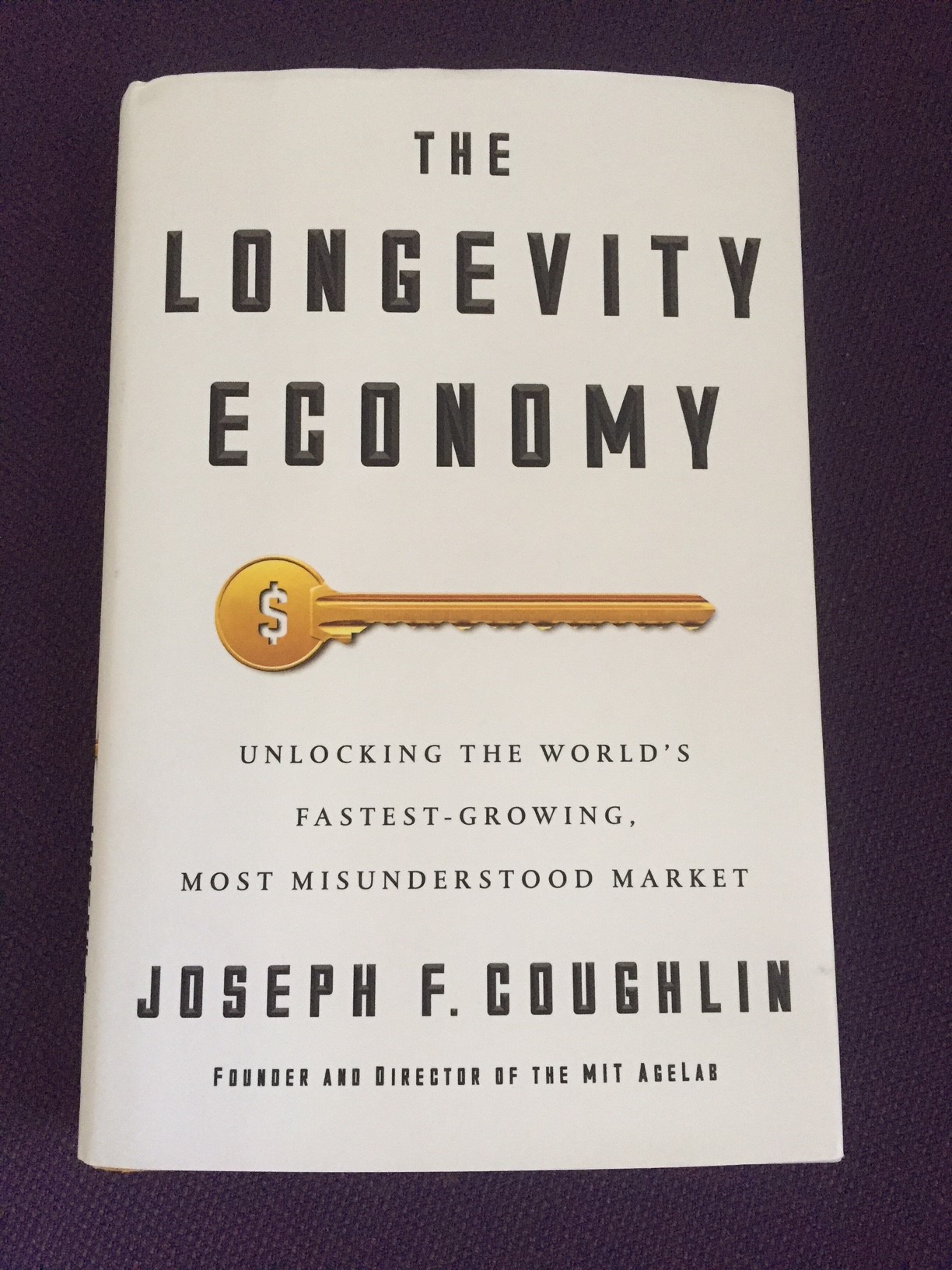
Consider these stats from the eye-opening book The Longevity Economy by Joseph F. Coughlin:

The Longevity Economy by Joseph F. Coughlin

  • 50+ consumers control 83% of household wealth and are worth about $8 trillion in the United States alone
  • Less than 15% of companies have established any sort of business strategy focused on older adults
  • Less than 10% of marketing dollars are aimed at the 50+ population
  • Advertisers spend 500% more on millennials than all other age groups combined

Do you want to fight with every other company to win the 18–34 crowd — a group with minimal free time and disposable income — or do you want to meet the needs of the most affluent population (in terms of both time and money)?

If you want to capitalize on the longevity economy, you need to really understand its people, and why they are not currently being served properly.

Most businesses targeting older adults focus only on a small number of basic needs — specifically health, safety, and finances. Yes, there are many health care, pharmaceutical, and financial companies servicing older adults, but the 50+ population wants much more than just to protect their money and stay alive.

Don’t just take my word for it.

Joseph Coughlin is arguably the world’s leading expert on the older population. He is the founder and director of the MIT AgeLab, a multidisciplinary research program created to understand the behavior of the 50+ population, the role of technology and design in their lives, and the opportunity for innovation to improve the quality of life for older adults and their families.

Coughlin asserts that the 50+ crowd desires much more than just health and safety. In fact, only 35% of people over 75 report feeling “old.”

What they really want is to chase their dreams, have fun, contribute, socialize, achieve meaning, and leave a legacy.

In short, older adults want to have a life, not just stay alive.

Unfortunately their higher-level desires are not being satisfied. Many older adults find themselves retired and socially isolated. Coughlin says that “potential routes to happiness and meaning, including work, professional ambition, climbing the social ladder, education, athletic achievement, leaving a legacy — even sex — are closed off.”

So how can you best target this important population?

First, you need to understand that 50+ adults are comfortable with technology. They have used computers and cell phones for much of their adult life, and understand the benefit technology provides. As Coughlin says, “Tomorrow’s most successful products for the older consumer will feature high technology or else will embrace a consumer for whom tech is an important part of life.”

Additionally, not all older consumers are of equal importance for businesses. Coughlin is confident that women hold the most power in the longevity economy. Women outnumber men, they are leading the charge for a more fulfilled older life, and women control the overwhelming majority of purchasing decisions among the older population. In fact, women influence 64% of consumer purchases worldwide among all age groups! Coughlin says it well: “The future will be grey, female, and proud of it.”

And don’t think that your offering needs to be a material thing. Many older adults have accumulated wealth and material possessions over the years, but they seeking something else as they age. According to Coughlin, this group “simply must have meaning in their lives — and will pay for products that deliver it. This drive — and the closely related desire to leave behind a positive legacy — constitutes perhaps the single greatest unexplored area on the frontier of the longevity economy.”

One way to provide meaning for older adults is through work and mentorship. If you want to be successful in the longevity economy, you should recognize that older adults still want to be productive — using their experience and resources to give back. “Of all the aspirations that older adults will tackle head-on in the near future, the one that will affect all business sectors, not just older-consumer-facing companies, is the widespread desire for meaningful work in one’s ‘retirement years',” says Coughlin.

And of course don’t forget that older adults still want to laugh and enjoy time with their friends and family. They want to double-down on time spent with loved ones. If you can facilitate meaningful experiences and human connection, you will be well-positioned in the longevity economy.

To sum it all up: Embrace technology, focus on women, and deliver socialization, meaning, and an enhanced legacy.

If you do that, you will be creating a better tomorrow for older adults and changing the narrative of old age. And you won’t only be improving their lives.

As Coughlin says, “The legacy you create may well be your own.”


Comment

Credit: Allesio Lin/Unsplash

Money Doesn't Make You Happy, But This Does

February 11, 2018

Ray Dalio is worth over $17 billion dollars. 

He is one of the 100 wealthiest people in the world, and built his investment company, Bridgewater Associates, into the world’s biggest hedge fund. 

If anybody knows about the power and importance of money, it’s Dalio.  He has more of it than nearly everybody else on the planet. 

And yet even Dalio says that money does not buy happiness. 

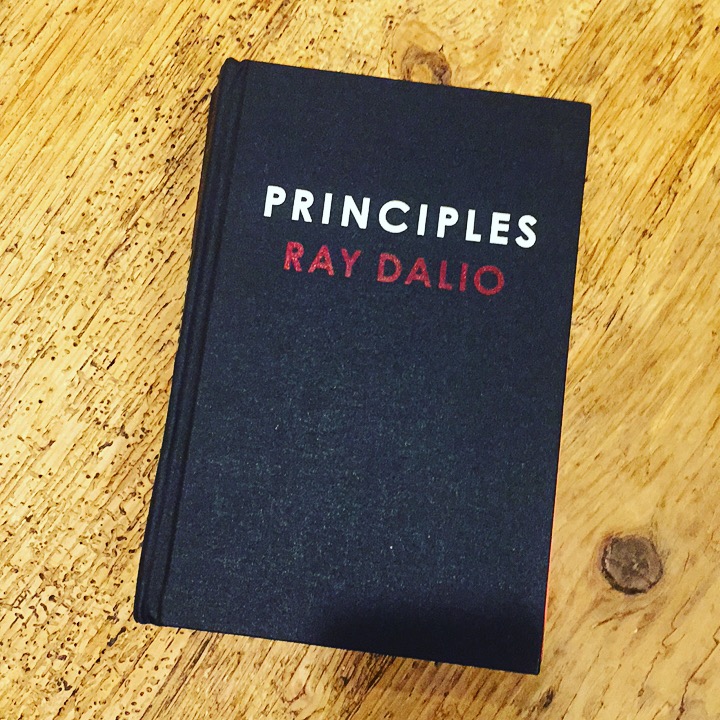
Dalio is clear about this point in his new book Principles, saying, “Having spent time with some of the richest, most powerful, most admired people in the world, as well as some of the poorest, most disadvantaged people in the most obscure corners of the globe, I can assure you that, beyond a basic level, there is no correlation between happiness levels and conventional markers of success.”

In fact, he says that “even the richest people feel short of the money they need to do the things they want to do.”

The reality is that chasing money is an unfulfilling end goal, and it has no finish line. 

It would be one thing to hear that from someone who doesn’t have much, but when someone in Dalio’s position says it, we should listen. 

If money does not create happiness, then what does? 

 “The happiest people discover their own nature and match their life to it,” according to Dalio. 

For him, the goal was never about making money.  “Meaningful work and meaningful relationships were and still are my primary goals and everything I did was for them,” he says.  “Making money was an incidental consequence of that.” 

His definition of meaningful work is being on a mission he becomes engrossed in, and meaningful relationships are those he has with people he cares deeply about and who care deeply about him. 

That it’s – meaningful work and meaningful relationships are all he’s ever chased.  Or, to put it more simply, if you would have asked him what his objective was when he started out, he would have said, “To have fun working with people I like.”  And of course he loves playing the markets – something he’s done since he was 12 years old and will keep doing until he dies. 

Ray Dalio's bestselling new book, Principles

Ultimately, life and happiness boils down to finding the right fit for you. 

It is essential to know your own nature and operate consistently with it.  And that should feel freeing, not limiting.    

According to Dalio, “Whatever your nature is, there are many paths that will suit you, so don’t fixate on just one.  Should a particular path close, all you have to do is find another good one consistent with what you’re like.”

You might know in your heart what that looks like for you, but if not, you can gain some self-awareness by taking the personality and workplace assessments that Bridgewater administers to all of its employees, including:

  • Myers-Briggs Type Indicator (MBTI)

  • Workplace Personality Inventory

  • Team Dimensions Profile

  • Stratified Systems Theory

I also recommend the HIGH5 Test, StrengthsFinder assessment, and the VIA Character Strengths survey to learn more about your unique strengths and interests. 

Knowing more about yourself will enable you to choose fit over money. 

The number one regret of the dying is “I wish I’d had the courage to live a life true to myself, not the life others expected of me.”

Money won’t mean much if you aren’t living a life that is in line with what you want.  And making money in a way that conflicts with your personality or values will just make you feel trapped.

To live a truly fulfilling and happy life, Dalio says what you really need is “the courage to be true to your truest self, no matter what other people want you to be.”

Credit: Ian Schneider 

Why You Should Have Friends

February 3, 2018

Social connection is the greatest predictor of happiness.

That is what happiness expert Shawn Achor has found after more than a dozen years studying the topic.

Social relationships are also vital to physical health. Human-behavior researcher and #1 New York Times best-selling author Tom Rath has found that social relationships help reduce stress and the risk of age-related memory loss. On the other hand, people with limited social interactions have almost twice the risk of dying from heart disease and are twice as likely to catch a cold.

Close relationships at work also lead to spikes in productivity. According to Rath, employees who have a best friend at work “are seven times as likely to be engaged in their jobs, are better at engaging customers, produce higher quality work, have higher wellbeing, and are less likely to get injured on the job.”

Therefore, focusing on your relationships proves to be good for your career as well. Achor’s research has revealed that happiness causes success, not the other way around.

Happiness. Health. Productivity. Success. All of this can be achieved through social relationships.

But how much social interaction we should aim for in order to see these benefits?

Credit: Arthur Poulin

According to Rath, the ideal amount is six hours of daily social interaction in order to have a great day. That might seem like a lot, but he also says that every hour of social time helps to reduce your chance of having a bad day. A little is good, a lot is better.

Perhaps this level of social connection is already a core part of your life if you are naturally outgoing and extroverted.

But what about if you are more of an introvert?

Achor recommends the simple act of sending a quick email every morning to thank or praise someone you know as a powerful way to boost your social connection and happiness. He says the effects of practicing this habit for 21 days in a row are profound.

Here are some more strategies to keep in mind as you get going, from Psychology Today’s 7 habits of socially connected people:

  • Focus on quality relationships over quantity
  • Prioritize face-to-face interactions over digital or phone
  • Be willing to share personal information with others and make yourself a little vulnerable
  • Ask questions and focus on listening to others
  • Don’t let minor personal differences get in the way of building relationships
  • March bravely into relationships without worrying about rejection

Relationships with other people are arguably the most important thing in our lives. And in addition to all of the benefits mentioned above, relationships are fun.

So give yourself permission to get out there and have some fun with someone else.

It just might be the best use of your time.

Tags happiness, health, productivity, success

Credit: Carly Jayne/Unsplash

This Is How Much Water You Should Really Be Drinking

January 22, 2018

Water is the number one healthiest beverage to drink.

That is the (perhaps unsurprising) finding from The Beverage Guidance Panel, a group of five of the world’s foremost nutrition experts.

The panel did extensive research on the health benefits and costs of each beverage, and ranked them on a six-tier scale from best to worst.

Water emerged as the clear winner.

But how much water should we drink?

You have undoubtedly heard the popular recommendation to drink eight glasses of water a day, but that guidance is based on little scientific evidence. The eight-glasses-a-day prescription traces back to a 1921 paper, based on just one person’s urine and sweat analysis.

So what are more broadly-applicable guidelines for water intake?

After reviewing all of the best evidence to date, authorities from Europe, the U.S. Institute of Medicine, and the World Health Organization recommend 8–11 cups of water per day for women and 10–15 cups a day for men.

However, this guidance includes water from all sources, including food and water produced naturally by the body. Those sources account for about 4 cups of water per day, and therefore the daily recommended water consumption becomes 4–7 cups for women and 6–11 cups for men.

Complicating things further, we also get water from other beverages, and certain drinks can actually increase the water in your body (even surprising ones like coffee, tea, and beer), whereas others actively dehydrate you (wine).

Accounting for all of these variables, what should we do?

Dr. Michael Greger, New York Times bestselling author of How Not To Die and founder of NutritionFacts.org, has the answer.

He says, “Unless you have a condition like heart or kidney failure or your physician advises you to restrict your fluid intake, I recommend you drink five glasses of tap water a day.” One glass equals 12 ounces, so that translates to 60 ounces of water consumption per day.

Dr. Greger prefers tap water because it may have less microbial and chemical contamination than bottled water, and has less environmental and economic impact.

Why is water so beneficial anyway?

In his book, Dr. Greger cites studies showing that drinking water (at the levels he recommends) significantly reduces the risk of dying from heart disease, protects against certain cancers, increases brain functioning, and improves mood (whereas water restriction can cause the opposite effects).

If you find it challenging to drink five 12 oz. glasses of water per day, try spicing it up a bit.

Dr. Greger recommends adding fresh fruit (like strawberries or blackberries), veggies, and other enhancements (cucumber slices, mint leaves, sage, basil, cinnamon sticks, ginger shavings). He also points out that drinking carbonated water may help alleviate gastrointestinal symptoms.

Credit: Kaizen Nguyen/Unsplash

For even more nutritional bang for your buck, try adding coffee beans or tea leaves to your water. Coffee and tea are tied as the number-two healthiest beverages, so adding them to your water provides additional nutrients without caloric expense (a cup of black coffee or tea only has two calories).

Summing it all up, Dr. Greger says it best: “Drink five glasses of water a day, be they plain tap water or flavored with fruit, tea leaves, or herbs. Keeping hydrated may elevate your mood (and vigor!), improve your thinking, and even help cut your risk for heart disease, bladder cancer, and other diseases. Bottoms up!”

The Ultimate Human Diet

January 15, 2018

What if the food we eat could not only nourish our bodies, but also reverse climate change and ultimately save the world?

Is it possible that this perfect human diet exists?

Josh Tickell — one of the leading experts in the fields of health, climate and alternative energy — says yes.

He details this optimal diet in his new book Kiss the Ground (which is soon to be a full-length documentary executive produced by Leonardo DiCaprio and narrated by Woody Harrelson).

Tickell says that the food we eat has the ability to improve our health while simultaneously regenerating the soil and helping to reverse global warming.

The diet primarily follows the guidelines set forth in the Harvard Healthy Eating Plate (the official dietary advice from Harvard doctors and medical professors), specifically:

Ensure at least 1/2 of your meal is vegetables and fruit

Aim for color and variety. Potatoes don’t count because of their impact on blood sugar. The average American currently only gets about 12% of his or her calories from from vegetables, and most of that is from potatoes.

Make whole grains 1/4 of your plate

Whole grains — including whole wheat, barley, wheat berries, quinoa, oats, brown rice, and whole wheat bread and pasta — have a milder effect on blood sugar than white bread, white rice, and other refined grains.

Make protein 1/4 of your plate

Fish, chicken, beans, and nuts are all good options. Limit red meat, and stay away from processed meats such as bacon, sausage, and cold cuts.

Eat healthy plant oils in moderation

Choose healthy oils such as olive, canola, soy, corn, sunflower, and peanut, and stay away from partially hydrogenated oils which contain unhealthy trans fat.

Drink water, coffee, or tea

Avoid sugary drinks and limit milk/dairy (1–2 servings per day) and juice (1 small glass per day).

Consider dietary supplements

There are dietary supplements that you can take in order to benefit your body and overall health. It can help improve your mental well-being too. Some are more psychedelic than others and it’s worth doing some research like, do mushroom gummies make you trip? Consider the benefits of them and determine for yourself if they’re worth trying.

...

Tickell says this spells out the basic portions of the healthiest diet, but it is missing one key component to set off a chain reaction of building the soil and sequestering carbon dioxide in the ground.

He says this is the one missing line of text:

“Do your best, your very best, to make sure the items on the plate are sourced from certified organic, or better yet, regenerative organic farmers.”

A regenerative diet is the ultimate human diet.

A regenerative diet heals both our bodies and the planet.

Food that is grown in a regenerative way builds soil fertility. It naturally increases carbon, nitrogen, and water in the soil while simultaneously producing copious amounts of nutrient-dense food, by adhering to the following farming principles:

  • Use the least amount of mechanical disturbance to the soil as possible, including no (or minimal) tillage.

  • Cover the soil with a living plant at all times.

  • Rotate crops.

  • Avoid all sprays.

  • Ensure crop diversity.

  • Ensure animals are raised humanely, on pasture.

  • Intelligently manage and integrate cows on the land - Manure is credited as the “secret sauce” when it comes to building soil on a large scale. We need cows and their manure to make enough compost to stabilize the soil.

This is all in stark contrast to much of our modern, industrialized, monocrop-based agriculture, which depletes both the soil and the nutrients we need.

Ultimately, soil health is the critical piece in order to grow our food in the quantities needed to sustain humanity, and to sequester much of the carbon dioxide that we have emitted into the atmosphere.

“Every single thing you put in your mouth (that is food) needs soil,” says Tickell. “It is quite simply the basis for all aboveground life on our planet.”

Therefore it is essential that we nourish the soil, and Tickell says our daily food choices have more power to yield this result than anything else we do.

The food choices of 98% of the population (the eaters) dictate what the other 2% (the farmers) grows.

Therefore, by committing to a regenerative diet — combining the Harvard Healthy Eating Plate with products that have been grown in a regenerative way — we, the eaters, have the power to change the food system in a way that improves our bodies and our Earth.

How to Maximize Small Pockets of Time

December 29, 2017

People often complain about having too much to do, and too little time. And in our busy lives, that is frequently true.

But one of the reasons we feel this way is because we don’t make productive use of little pockets of time.

Of course there are major procrastinators among us, but in general I think people are pretty good at getting things done when they have at least an hour to focus on something.

Whereas I think we squander away a few minutes here and there, all day long, because we don’t believe anything substantial can be accomplished in such a short block of time.

But a few minutes here and there can add up to hours of missed opportunity.

Imagine if we could cross things off our to-do list, or take steps toward long-term goals, when these small windows present themselves.

It is possible. Productivity can be achieved in seconds and minutes, not only hours.

There are two primary keys to making this a reality.

The first, and arguably most important key, is identifying everyday triggers.

There are numerous things in our daily lives that cause us to wait for a few minutes. These are the regular triggers I’m talking about.

For example, it might take two minutes for the hot water to kick in when you turn on the shower, three minutes for your computer to boot up, or five minutes for your coffee to brew in the morning. All of these are everyday occurrences that can lead to short periods of wasted time.

Do you just stand there waiting for the water to heat up, or does turning the knob on the shower trigger you to do something productive?

I used to just stand there, periodically putting my hand under the water to see if it was suitably warm. Therefore I was wasting at least couple minutes every single day, just from this one occurrence.

Meanwhile, I was also complaining that I didn’t have enough time to go to the gym for strength training. I had just assumed that I needed at least 30 minutes to get in a workout.

But then, a few months ago, I decided that something is better than nothing, so I started doing pushups in the couple minutes between turning the shower on and the water warming up. This began with a set of 20 pushups (all I could do in one set, at the time), and now I am able to do 75 pushups in one set as the water warms. I notice the strength gains just from maximizing these two minutes, every single day. And it all works because turning on the shower acts as an automatic trigger.

The second key is determining what can be done in these little chunks of time.

Pushups are a great example, because they can be done anywhere and don’t require any setup or special equipment. And just one set of pushups to exhaustion, every single day, yields noticeable strength gains. But this could just as easily be situps, jumping jacks, yoga moves, burpees, or planking if you have similar fitness goals. All can be done in just a couple minutes, and add up to big gains over time.

Or if de-stressing is a goal, take the three minutes while your computer boots up to meditate. Close your eyes and just focus on your breathing for a few minutes. There are numerous studies that show this small amount of meditation can reduce stress. Your computer booting up is the perfect trigger for meditation, putting you into the right frame of mind before you start a work day (or check email, etc.).

Or maybe talking to your family is important to you, but often squeezed out of your daily life. In that case, the coffee brewing can be the trigger to call mom (or dad, brother, sister, etc.). Five minutes (or less) is all it takes to make the connection.

Did you ever think that these small bits of time could lead to better physical fitness, reduced stress, and improved family relationships?

It is all possible as long as you automate the triggers and corresponding activities. And by focusing on triggers that happen every single day, you will be building powerful (and enduring) habits. Research has shown that it takes just 21 days to form a new habit.

What else happens in your daily life that could be re-framed as a few minutes of new opportunity?

It’s time to think differently in order to maximize these little pockets of time.

← Newer Posts Older Posts →

SEARCH:


xJGh6cXvC69an86AdrLD98-320-80.jpg

View Andrew's work on Medium


COMMON THEMES:

  • Books
  • Business
  • Coffee
  • Diet
  • Exercise
  • Finances
  • Fitness
  • Food
  • Health
  • Lifestyle
  • Longevity
  • Nutrition
  • Performance
  • Psychology
  • Sports
  • Success
  • Technology
  • Travel
  • Wellbeing
  • Wellness
  • Work
  • excercise
  • habits
  • happiness
  • health
  • productivity
  • sleep
  • success
  • time management
  • well-being