• Home - Popular Posts
  • About
  • Contact
  • Blog
Menu

Andrew Merle

Wellness, Habits, and High-Integrity Growth
  • Home - Popular Posts
  • About
  • Contact
  • Blog

Subscribe

Sign up with your email address to receive the latest stories and content.

We respect your privacy.

Thank you!

Photo by Sincerely Media on Unsplash

5 Excellent Health & Wellness Books to Read While at Home

April 20, 2020

Many people are turning to health and fitness as a way to cope with what’s going on in the world.

And for good reason — this is a great time to re-commit to exercise, nutrition, and stress reduction. If you are looking for some extra motivation in this area, here are 5 excellent health and wellness books to read during your added downtime at home:

The Blue Zones Solution: Eating and Living Like the World’s Healthiest People by Dan Buettner

This is the definitive guide to how the longest-lived people in the world eat and live. Buettner extensively studied the world’s 5 Blue Zones and distilled their secrets into longevity habits we can all implement in our own lives.

How Not to Die: Discover the Foods Scientifically Proven to Prevent and Reverse Disease by Michael Greger, M.D.

If you are looking for the most comprehensive and evidence-based health resource, this is the book for you. Dr. Greger details how to eat to avoid the 15 top causes of premature death in the U.S. and he provides a checklist of 12 foods we should be eating every day for optimal health.

Lifespan: Why We Age―and Why We Don’t Have To by David A. Sinclair, PhD

In this book, Dr. Sinclair — one of the world’s leading scientists — distills a quarter-century’s worth of research into some simple things we can do to live longer. The practical tips he recommends — such as fasting, cold exposure, eating a plant-rich diet, and exercise — are available to nearly everyone.

The Longevity Diet: Discover the New Science Behind Stem Cell Activation and Regeneration to Slow Aging, Fight Disease, and Optimize Weight by Valter Longo, PhD

Dr. Longo is one of the world’s leading authorities on fasting. In this book, he explores the science behind stem cell activation and regeneration to slow aging and optimize health. He details what and how we should eat on a daily basis, and he also outlines a periodic 5-day dietary intervention called the “Fasting Mimicking Diet,” which resets and rebuilds the body at the cellular level.

The Circadian Code: Lose Weight, Supercharge Your Energy, and Transform Your Health from Morning to Midnight by Satchin Panda, PhD

Dr. Satchin Panda is arguably the world’s top expert on time-restricted eating, which means consuming all your calories within a specific time frame each day. In this book, he provides powerful evidence that when you eat is even more important than what you eat.

BONUS

If you are looking for a fun and humorous read on healthy longevity, here is one more to add to your list:

Younger Next Year: Live Strong, Fit, Sexy, and Smart―Until You’re 80 and Beyond by Chris Crowley and Henry S. Lodge, M.D.

This is a fun yet informative read about how to beat back the effects of aging. The book makes a powerful case that exercise is the single-most important thing we can do for healthy aging. The authors recommend exercising 6 days per week for the rest of your life!

Andrew Merle writes about living well. Read more and subscribe to his email list at andrewmerle.com.

Tags Food, Exercise, Wellness, Health, Books

Photo by Christopher Harris on Unsplash

5 Healthy Habits to Continue Doing from Home

April 5, 2020

We are living in unusual times right now, with most of us working from home and thrown off from our normal routines. Stress and anxiety levels are high as the world deals with the current health crisis, with constant reminders every time we turn on the TV. 

With our world turned upside down, it is easy to lose a sense of control and feel powerless over the situation. However, there are some everyday things we can do to create a sense of normalcy and routine despite the circumstances, while improving our health in the process. Here are 5 daily habits that can be done from home to help you stay healthy and cope with the current situation:

1. Outdoor Exercise

It is a telling sign that outdoor exercise is considered an ‘essential’ activity even during stay-at-home orders (as long as physical distancing protocol is followed). Getting outside to walk, run, bike, or hike is a great way to engage your body and clear your mind. Exercise is a proven way to reduce stress and anxiety, boost your immunity, and improve overall health. Additionally, being outside in nature produces its own health benefits, including reducing the risk of type 2 diabetes, cardiovascular disease, high blood pressure, and premature death.

I aim to get in 10,000 steps per day, which can typically be achieved with a 30-minute run outside in the morning, a couple 10–15 minute walks around the neighborhood, plus routine natural movement throughout the day. A worthy goal is to be outside for at least an hour each day.

2. Meditate

Meditation is another potent stress-reliever — the perfect antidote for these uncertain times. Even just a few minutes of meditation is helpful for anxious people, and going up to 10 minutes per day does wonders for your brain. There are numerous apps out there to guide your daily practice, including Headspace and Calm, as well as crystals - check out these amethyst metaphysical properties perfect for meditation-  and other meditation accessories you may want to look into.

I choose to meditate for 10 minutes first thing in the morning using the free Insight Timer app. My guided daily session includes deep breathing, intention setting, and a gratitude practice. It is an ideal way to become calm and centered for the day ahead.

3. Sleep 8 Hours Per Night

In this stay-at-home environment, it is easy to keep your laptop open longer than usual or binge on Netflix late into the evening. But adequate sleep is more important now than ever. Sleep reduces stress, strengthens the immune system, and helps you think more clearly throughout the day. While the amount of sleep you need varies from person to person, most adults need between 7–9 hours per night.

I aim for 8 hours of sleep but I try to give myself 9 hours total in bed. This ensures I can have a wind-down period (I typically read for 15–20 minutes in bed) and it also accounts for the time it takes to fall asleep.

4. Eat a Whole-Food, Plant-Rich Diet

Evidence shows that a healthy diet should revolve around vegetables, fruit, whole grains, healthy fats, and healthy proteins. The most sensible guide to healthy eating is the Healthy Eating Plate, developed by the doctors and nutrition experts at Harvard. This eating approach calls for at least half of your plate to be fruits and vegetables, ¼ of your plate to be whole and intact grains, and ¼ to be healthy proteins such as fish, poultry, beans, and nuts (red meat is to be limited, and processed meats avoided altogether).

Eating in this manner has been shown to improve numerous health measures, including lowering the risk of heart disease and premature death. A whole-food, plant-rich diet has also been shown to reduce anxiety and produce better mental health. Exactly what we need right now.

5. Stretch

A simple stretching practice can calm your mind, ease tension, and increase energy, in addition to the flexibility and injury prevention benefits. Engaging in yoga — a more active form of stretching — produces powerful mental and physical health benefits.

You don’t need a gym or studio to establish a stretching or yoga practice. There are many great routines that can be found on TV or online and done from your living room. Aim to incorporate 10 minutes of light stretching or yoga as part of your daily mind and body regimen.

…

These 5 simple habits can be done from home, on your own terms, with profound benefits for your health and well-being. 

Although all of these activities can be done individually, it may give you extra motivation and enjoyment to involve your friends and family. For example, take your kids for a walk outside or schedule a daily Zoom video workout class with your friends. There are creative ways to make these activities fun and social, while still adhering to all recommended precautionary measures. 

The world around you might be chaotic, but these habits can help you maintain a sense of control and routine amidst the uncertainty.

Andrew Merle writes about living well. Read more and subscribe to his email list at andrewmerle.com.

Tags Health, happiness, Wellbeing, Food, Exercise
Comment

Photo by chuttersnap on Unsplash

A Practical Guide to Time-Restricted Eating

February 16, 2020

Time-restricted eating produces remarkable health benefits.

The latest science shows time-restricted eating (TRE) increases lifespan and decreases the incidence of major diseases, including cancer and cardiovascular disease.

TRE means consuming all your calories — whether from food or drink — within a specific time frame each day.

You can greatly impact your health just by limiting your daily eating window. The quality of your diet still matters, but TRE lends credence to the idea that when you eat is even more important than what you eat.

Dr. Satchin Panda is arguably the world’s top expert on TRE. Dr. Panda is a professor at the Salk Institute for Biological Studies and author of the excellent book The Circadian Code. He has also analyzed the daily eating, sleeping, and activity patterns of thousands of people as part of his ongoing research study called myCircadianClock.

Dr. Panda says setting an eating window and sticking to it is one of the most important things we can do for health and longevity. This is because every time we eat — even just a bite of food — it triggers a process of digestion, absorption, and metabolism that takes a couple of hours to complete. And when your body is processing food, it can’t repair and restore.

You need to go at least 12 hours without consuming calories for it to qualify as TRE (for example, an overnight fast from 8pm — 8am). But it appears as though the smaller the window the better.

“While the science at 12 hours is impressive, lowering your window to as few as 8 hours is significantly advantageous,” according to Dr. Panda. “This is because the health benefits that you get from eating within a 12-hour window double at 11 hours, and double again at 10, and so on, until you reach an 8-hour window.”

Hugh Jackman’s famous Wolverine Diet is an example of an 8-hour TRE. Recent research shows going down to a 6-hour eating window can be a worthy goal, but it can take a while to get to that point and might not be sustainable over time.

…

Regardless of the duration of your eating window, what’s most important is that you remain consistent. TRE isn’t a short-term fad diet — it is a routine to follow for the rest of your life. According to Dr. Panda, “If you eat three times a week outside a 12-hour window, you are not adhering to TRE.” But his data shows that 50 percent of adults in the US regularly eat for 15 hours or longer.

It is much better to set an achievable schedule than to be overly restrictive from the get-go. Dr. Panda advises starting with a 12-hour TRE and working your way down over time.

Is there an optimal window to choose?

“I can’t predict what 12-hour window you should start with,” says Dr. Panda. Some people love breakfast foods and need them to jump start their day. Others wait until noon and can more easily handle a shorter TRE. Only you can make that decision.”

What about breakfast being the most important meal of the day? “Your brain really doesn’t need breakfast to provide extra energy,” asserts Dr. Panda.

However, he does point out there is an increased benefit to starting your window earlier in the day, primarily because you don’t want to eat too close to bedtime.

“Eating late at night is by far the worst choice you can make,” says Dr. Panda. He advises to give yourself at least three hours between your last bite or sip and the time you go to sleep, eating your last meal around 6 or 7pm. Your body needs that digestion time in order to have restorative sleep.

“Sleep is when most of the cleanup of damaged cell proteins occurs, “says Dr. Panda. “When you get more sleep, your brain naturally has more time to repair and cleanse its waste.” This helps prevent against neurodegenerative diseases such as Alzheimer’s and other forms of Dementia.

That means no nightcap before bed either. If you like to wind down with a glass of wine or cocktail, Dr. Panda says a better habit is to have your drinks before dinner, or during dinner, if it’s at least a couple hours before bed.

Does it matter what and how much you consume during your eating window?

For the best overall health results, Dr. Panda recommends following a balanced diet centered around fresh fruits and vegetables, lean proteins, and healthy fats. You don’t need to count calories on a TRE, but you still want to limit junk food (he gives common-sense advice to stay away from soda, juice, breakfast cereals, energy/protein bars, processed foods with corn syrup/fructose/sucrose, fried food, and commercially-processed nut butters).

“What about a low-carb, sugar-free, Paleo, vegan, Mediterranean, Blue Zones, Atkins, or Warrior Diet? What about critical supplements like fish oil or green tea? You no longer have to worry about them,” says Dr. Panda.

You can eat whatever makes you feel best, if you confine it to a condensed period. If you’ve had good results with any of those diets, feel free to stick with it and now you’ll further boost the benefits by combining it with a smaller eating window.

…

Dr. Panda personally adheres to an 11-hour TRE. He eats his first meal of the day around 8am and finishes dinner by 7pm, which is several hours before his 10:30pm bedtime. He acknowledges that not every day goes perfectly according to that schedule — he just does his best to stick to the routine. Even if he winds up eating a later dinner, he still tries to give his stomach at least 12–13 hours of rest before his next meal.

As for me, I like an 8-hour TRE window from about 12–8pm each day (commonly referred to as 16:8 Intermittent Fasting). I still consume black coffee and tea during my fasting window, which helps immeasurably.

There is some debate about whether tea and black coffee are technically allowed. Purists like Dr. Panda say anything you eat or drink besides water breaks a fast. However, other experts say coffee or tea (without cream or sugar) is okay and may actually amplify the benefits of fasting. Whatever you choose, just stay away from anything with calories during your fasting window.

…

Time-restricted eating is a simple tool available to everyone — and it doesn’t require any significant changes to what or how much you eat. 

The takeaway message is clear: Shorten your eating window, prolong your life. 

Andrew Merle writes about living well. Read more and subscribe to his email list at andrewmerle.com.

Tags Health, Food, Nutrition, Longevity, Lifestyle

Photo by Mike Kenneally on Unsplash

The 5 Most Nutrient-Dense Foods You Can Eat

January 14, 2020

There really are some superfoods out there.

Certain foods have the tremendous ability to power and heal your body, and should be consumed regularly for optimal health.

The below 5 foods all produce numerous health benefits, including improved brain function, reduced inflammation in the body, and lower levels of anxiety and stress.

These are benefits that will improve the lives of just about everyone. Especially when you consider inflammation is linked with nearly every major disease, anxiety disorders are the most common mental illness in the United States, and Alzheimer’s is on the rise throughout the world.

1. Green Leafy Vegetables

Leafy greens are the king of the vegetable kingdom. They are packed with vitamins, minerals, and fiber, but low in calories. Some of the nutrients naturally found in leafy greens include vitamin A, vitamin C, folate, nitrates, lutein, vitamin K, magnesium, calcium, iron, and potassium. These nutrients help support healthy immune function, eye health (sure, they're no eye surgery - ask your lasik consultation questions here - but they do help), gut health, brain health, increased blood flow, reduced blood pressure, and can even help you prevent cancer. So load up on kale, collard greens, arugula, swiss chard, spinach, beet greens, cabbage, and other leafy greens. Aim for a variety of leafy greens to reap the maximum amount of health benefits.

2. Fatty Fish

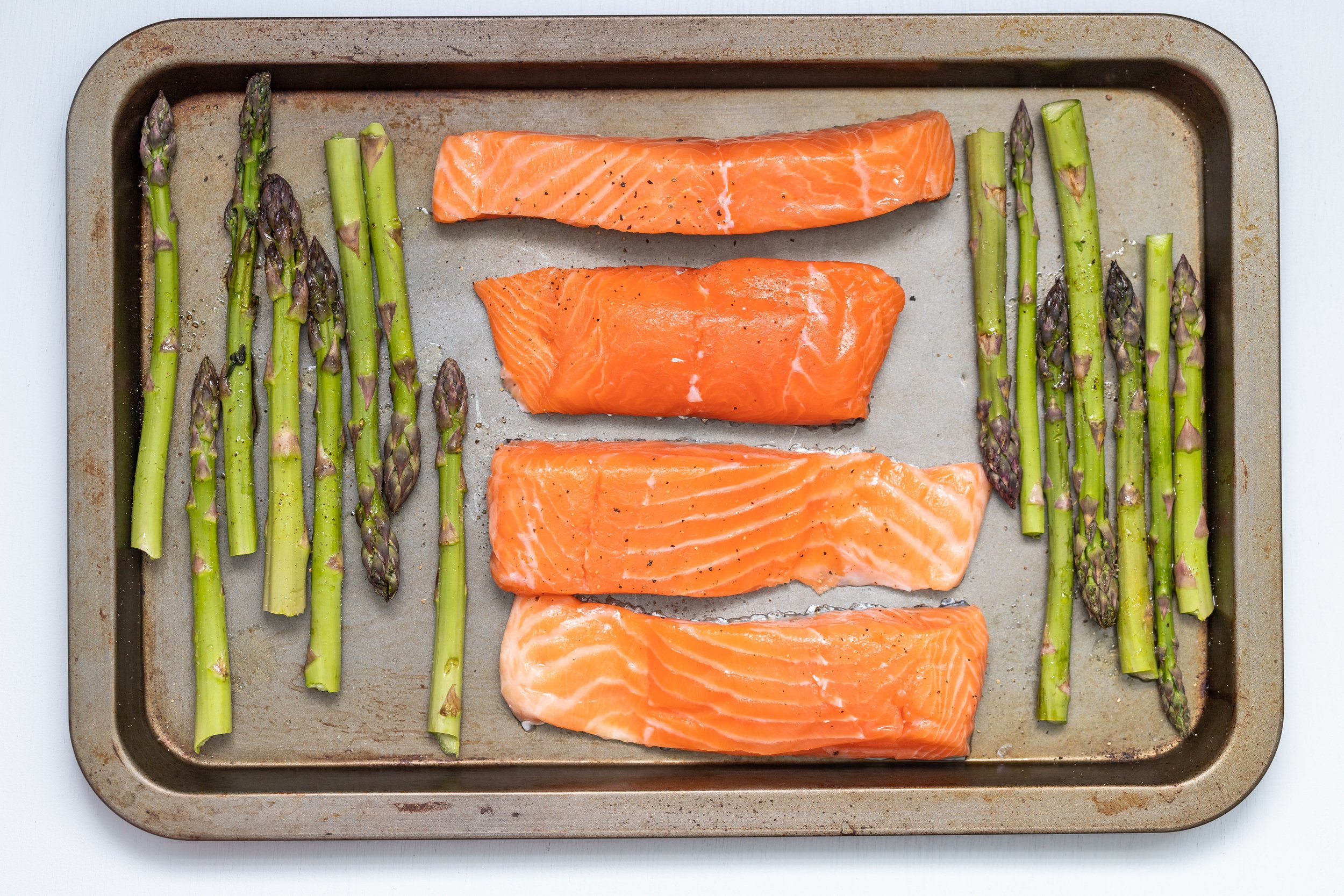
Fish is a very important part of a healthy diet. Fish is a major source of healthy omega-3 fats and also rich in other nutrients such as vitamin D and selenium, high in protein, and low in saturated fat. It has been shown that eating 1–3 small servings (3 ounces) of fatty fish a week can reduce the risk of dying from heart disease by 36 percent. Fatty fish has been shown to lower blood pressure, heart rate, triglycerides, and inflammation. Eating fish just 1–2 times per week may also reduce the risk of stroke, depression, and Alzheimer’s disease. The best fish to eat are salmon, herring, mackeral, anchovies, and sardines.

3. Nuts

Nuts are nutrition powerhouses, packed with good sources of fat, fiber, and protein. Certain fats common in nuts — specifically mono- and polyunsaturated fats and omega-3 fatty acids — have been proven to reduce the risk of cardiovascular disease. In addition, eating nuts has been shown to lower the risk of dying from cancer, heart disease, and respiratory disease. Studies have shown that nut eaters live 2–3 years longer on average than people who don’t eat nuts. Nuts are also the most common snack in the blue zones — the places around the world where people live the longest. Aim to eat 2 handfuls of nuts per day — almonds, walnuts, pistachios, cashews, or any other type of nut you enjoy. Opt for raw or dry roasted nuts for maximum health benefits (and stay away from varieties loaded with salt, sugar, or other additives).

4. Extra-Virgin Olive Oil

Olive oil is a central component of the Mediterranean Diet, ranked the healthiest diet in the world. Olive oil is high in monounsaturated fatty acids, antioxidants, and anti-inflammatory properties. Extra-virgin olive oil — pressed from ripe olives and processed without high heat or chemical solvents — protects the beneficial polyphenols in the oil. Consuming olive oil may help prevent strokes, protect against heart disease, fight Alzheimer’s Disease, reduce Type 2 Diabetes risk, and reduce the risk of cancer. Eat high quality extra-virgin olive oil daily to benefit your heart, brain, joints, and more.

5. Dark Chocolate

Dark chocolate is loaded with nutrients and one of the best sources of antioxidants on the planet. Dark chocolate is packed with fiber, iron, magnesium, copper, manganese, as well as potassium, zinc, and selenium. Dark chocolate has been shown to have even higher levels of antioxidants — polyphenols and flavanols — than potent berries such as blueberries and acai berries. Dark chocolate has been shown to improve blood flow, reduce blood pressure, normalize cholesterol, reduce heart disease risk, enhance brain function, and possibly even protect your skin from the sun. Opt for high-quality dark chocolate containing at least 70% cacao. All you need is a square or two per day to reap the health benefits of dark chocolate.

…

Leafy greens, fatty fish, nuts, extra-virgin olive oil, and dark chocolate are the 5 most nutrient-dense foods in the world.

Make these foods a central part of your diet to achieve optimal health.

Andrew Merle writes about living well. Read more and subscribe to his email list at andrewmerle.com.

Credit: Blue Zones

The Eating Habits of the Longest-Lived People in the World

December 12, 2019

“If you want to live to a healthy 100, eat like healthy people who’ve lived to 100.” — Dan Buettner, founder of Blue Zones

Buettner has spent the last 15 years studying the healthiest and longest-lived people in the world. He’s traveled extensively to the blue zones of Ikaria, Greeca; Sardinia, Italy; Okinawa, Japan; Loma Linda, California; and Nicoya Costa Rica, observing and interviewing countless centenarians (and supercentenarians!) in search of the magic formula for longevity.

Buettner and his team of researchers discovered 9 common denominators among the longest-lived people in these blue zones, ranging from their level of physical activity and social connection, to their sense of belonging and purpose.

These 9 factors combine to be the special sauce of longevity but “food is the entrance ramp for better living,” according to Buettner.

That’s why he devoted his most recent book, The Blue Zones Kitchen, to the food guidelines and recipes of the blue zones. In the book, he distills his research to reveal 11 common eating habits among the longest-lived people in the world.

1. 90–100% of their diet is plant-based

People in the blue zones eat a wide variety of garden vegetables and leafy greens (especially spinach, kale, beet and turnip tops, chard, and collards). The bulk of their diet is made up of beans, greens, sweet potatoes, whole grains, fruits, nuts, seeds, and olive oil.

2. Meat plays a very minor role in their diet

They do eat meat sparingly in 4 of the 5 blue zones (all except Loma Linda, California), but meat is frequently a side dish or reserved for special occasions. Averaging out consumption across the blue zones, people eat about 2 ounces or less of meat about 5 times per month.

3. Fish is eaten in moderation

In most blue zones people eat small amounts of fish (3 ounces or less), up to 3 times per week. The most common fish eaten are small, relatively inexpensive varieties such as sardines, anchovies, and cod.

4. Dairy is limited

Cow’s milk doesn’t play a large role in any blue zones diet (except for some Adventists). Goat and sheep milk products figure prominently into the Ikarian and Sardinian blue zones diets, but most of the goat milk is consumed not as liquid but as yogurt, sour milk, or cheese.

5. They eat small amounts of eggs

People in all of the blue zones eat eggs about 2–4 times per week. They usually eat just one egg as a side dish as part of their meal. The eggs eaten in the blue zones come from chickens that range freely and don’t have added hormones or antibiotics.

6. Beans are their superfood

Beans reign supreme in the blue zones and are the cornerstone of every longevity diet in the world: black beans in Nicoya; lentils, garbanzo, and white beans in the Mediterranean; and soybeans in Okinawa. People in the blue zones eat at least 4 times as many beans as Americans do on average — at least a half cup per day.

7. Sugar is eaten intentionally, not by habit

People in the blue zones consume about the same amount of naturally-occurring sugars as Americans, but only about a fifth as much added sugar — no more than 7 teaspoons per day. They reserve sweets, cookies, and bakery items for special occasions, usually eaten as part of a meal.

8. Nuts are the most common snack

People in the blue zones eat about 2 handfuls of nuts per day. They eat almonds in Ikaria and Sardinia, pistachios in Nicoya, and all varieties of nuts in Loma Linda. The Adventist Health Study 2 found that nut eaters live 2–3 years longer on average than people who don’t eat nuts.

9. Bread is either sourdough or 100% whole grain

The bread eaten in the blue zones is either whole grain or sourdough. In Ikaria and Sardinia, breads are made from a variety of whole grains including wheat, rye, or barley. Some traditional blue zones breads are made with naturally-occurring bacteria called lactobacilli, which digest the starches and results in much lower levels of gluten. These traditional sourdough breads actually lower the glycemic load of meals.

10. They eat whole, unprocessed foods

People in the blue zones consume real, whole foods — eaten raw, cooked, ground, or fermented. A full recipe for a main dish usually contains only a half dozen or so ingredients, simply blended together. They use time-honored recipes to make healthy food taste good, with taste as the most important longevity ingredient.

11. They drink water, coffee, tea, and red wine

Water is the most common beverage in the blue zones. The Adventists in Loma Linda specifically recommend 7 glasses of water per day for the hydration and blood flow benefits. Tea is also consumed in every blue zones location (green tea is favored in Okinawa; Ikarians drink brews of rosemary, wild sage, and dandelion). Coffee is consumed by the Sardinians, Ikarians, and Nicoyans. People in most blue zones also drink wine (all except the Adventists in Loma Linda), usually 1–3 glasses of red wine per day, enjoyed with a meal and with friends.

…

The longest-lived people in the world eat a whole food, plant-based diet, primarily because fruits, vegetables, tubers, nuts, beans, and whole grains are cheap and accessible. Their everyday meals are composed of simple peasant fare. People in the blue zones haven’t necessarily pursued health and longevity — it has ensued as a result of their environment.

People in the blue zones also show us that how you eat can be just as important as what you eat. The longest-lived people in the world typically enjoy slow meals with friends and family and they pause to express gratitude before they eat. They also fast occasionally, eat a big breakfast (followed by a medium-sized lunch and small dinner), and consume most of their calories within an 8-hour window each day.

Follow these eating habits and guidelines and hopefully you will live to be 100, too!

Andrew Merle writes about healthy living. Read more and subscribe to his email list at andrewmerle.com.

Tags Food, Health, Diet, Lifestyle, Longevity
2 Comments

Photo by Meghan Holmes on Unsplash

Why Hormesis is the Key to Your Health and Longevity

December 2, 2019

“That which does not kill us, makes us stronger.” — Friedrich Nietzsche

It turns out Nietzsche was right. 

This quote gets at the concept of hormesis (although with hormesis you see benefits well before approaching death!). 

Hormesis is when something is damaging or toxic in excess, but highly beneficial in smaller doses. 

We are learning that short-term acute “stress” has powerful health and longevity benefits (as long as the stress subsides at some point). 

For example, we have always known that exercise was good for us, but we weren’t exactly sure why. Hormesis is the likely explanation. 

If you intensely exercised all day, you would cause undo wear and tear on your body and eventually you would break down. But short bursts of exercise (i.e. high intensity interval training) stresses the body just enough to activate your survival genes. Once that stress response is engaged, your body will recover and build back even stronger than before. 

An obvious example is weightlifting. Lifting weights stresses your muscles, then they get sore and grow back bigger than your baseline. But lifting too much weight, too often, or at too high of an intensity can lead to serious injury. It is all about finding the right dose. 

When it comes to exercise, a dose of just 15 vigorous minutes per day can reduce the chance of death from a heart attack by 40% and all-cause mortality by 45%. 

In addition to exercise, here are several other scientifically-proven ways to benefit from hormesis:

Heat and Cold Exposure

Mild heat stress has therapeutic effects. The best example of this is sauna use.

Sauna use has actually been shown to mimic the effects of exercise in the body — causing increased core body temperature, sweating, and increased heart rate.  

And while extended exposure to extra-hot temperatures would be toxic, short periods yield tremendous benefit.

In fact, a large study in Finland identified strong links between sauna use and reduced death and disease. 

Men who used the sauna 2–3 times per week were 27% less likely to die from cardiovascular-related causes than men who didn’t use the sauna. And men who used the sauna 4–7 times per week were 50% less likely to die from cardiovascular-related causes. Additionally, frequent sauna users were found to be 40% less likely to die prematurely from any cause. 

Frequent sauna use has also been shown to reduce the risk of dementia and Alzheimer’s Disease by 65% (again, the more days per week the better), lower blood pressure, reduce inflammation in the body, and alleviate symptoms of anxiety and depression. 

The duration of each session need not be very long. You want to stick it out for around 20 minutes for maximum benefit (in a dry Finnish-style sauna heated at a temp of at least 174 degrees F), but much longer than that is not necessary or recommended.  

To amplify the benefits, you can do as the Finnish do and immediately plunge into ice cold water following the sauna session. This further stresses the cardiovascular system (but not to the point of posing a risk for healthy people). 

Cold immersion on its own has significant benefits. Being uncomfortably cold for short periods of time activates protective brown fat in the body and can lead to weight loss, improved immune function, and reduced feelings of stress and anxiety. 

You don’t want to get to the point of frostbite or hypothermia — a daily 5-minute cold shower can do the trick. Exercising in the cold is especially beneficial (try running outside in the winter or cold water swimming). Or if you are feeling especially committed, try the Wim Hof Method which combines cold therapy with breath work and mental conditioning. 

Eat Stressed Plants

We know that eating vegetables is healthy, but hormesis helps explain why. 

Longevity and anti-aging expert Dr. David Sinclair says eating stressed plants is one of the most powerful things we can do to extend lifespan. 

What does that even mean?

Well, plants can get stressed too. Whether from drought, fungal attack, or simply the threat of being eaten, plants are faced with many external stressors. But unlike us, plants are rooted to the ground and can’t run away to escape harm. 

Therefore plants produce a variety of chemicals to defend themselves. And when humans ingest these compounds, it protects us not only from the plant chemicals, but also the environmental stressors to which we are exposed on a daily basis, such as air pollution or overexposure to UV radiation. 

Plant-based compounds activate cellular protective mechanisms in humans, a phenomenon known as xenohormesis. 

Here is just a small sampling of specific foods and drinks to consume to see these benefits:

  • Cruciferous vegetables such as broccoli, broccoli sprouts, cauliflower, cabbage, kale, and Brussels sprouts (which contain the compound sulforaphane)

  • Dark Chocolate (which contains catechins)

  • Green Tea and White Tea (which contains the polyphenol Epigallocatechin gallate or EGCG)

  • Turmeric (which contains the chemical curcumin)

  • Coffee (which contains chlorogenic acid)

  • Red Wine (which contains resveratrol — although this one is controversial since the negative effects of alcohol could outweigh the small amount of resveratrol found in a glass of wine)

Hormesis is another reason why you want to eat organic fruits and vegetables (including wine), otherwise the beneficial stress compounds will be sterilized away. 

Fasting

When you aren’t eating stressed plants, try consuming nothing at all to put your body into a temporary state of nutritional adversity.

Extended malnourishment is not good, but smaller doses of calorie restriction is incredibly powerful for longevity.

The ideal fasting regimen appears to be a combination of daily time-restricted eating with a periodic prolonged fast (5 days appears to be optimal for a prolonged fast, done 1–4 times per year). 

For the daily time-restricted eating, you want to consume all of your calories within a maximum of 12 hours (for example, eating all of your meals between 8am and 8pm and fasting for the other 12 hours). Some people choose to extend the daily fast to 14 or 16 hours, most commonly by eating an early dinner and then skipping (or eating a late) breakfast the following day. 

Time-restricted eating has been shown to produce a number of beneficial health effects, including weight loss, improved heart function, and enhanced aerobic capacity, all without altering diet quality or quantity.

The prolonged fast is only done on a periodic basis (usually not more than once per quarter), which resets and rebuilds your body at the cellular level. I am a fan of Dr. Valter Longo’s 5-day Fasting Mimicking Diet, which gives you all the health benefits of a water-only fast while still allowing small amounts of food each day (It is advised to check in with your doctor before doing a multi-day fast, especially if you choose to do the water-only variety). 

Time-restricted eating along with a periodic prolonged fast make for a powerful combination. Think about time-restricted eating as daily maintenance for your body and a prolonged fast as your 6-month or annual checkup (similar to how you brush and floss your teeth daily and then visit the dentist 1–2 times per year). 

…

Other more controversial triggers of hormesis include sun exposure and alcohol consumption.

UV Rays in excess cause sunburn and skin cancer, but small doses provide beneficial Vitamin D and sunbathers have actually been shown to live longer. Overall you still want to play it safe — a little bit of sun might be good for you, but you should wear protective sunscreen for any longer exposure. 

A similar principle applies to alcohol. Moderate drinking has been shown to have longevity benefits but excess alcohol consumption is undoubtedly toxic. 

Your best bet is to activate hormesis via exercise, eating stressed plants, cold and heat exposure, and fasting. 

Overall you want to put your body through short bursts of mild stress to live longer, better. 

This is a great reminder to get out of your comfort zone.

Andrew Merle writes about healthy living. Read more and subscribe to his email list at andrewmerle.com.

Tags Health, Food, Diet, Exercise, Nutrition, Longevity
1 Comment

Photo by ja ma on Unsplash

30 Anti-Inflammatory Foods You Should Be Eating

October 16, 2019

Inflammation is linked with nearly every major disease, including cancer, heart disease, diabetes, and Alzheimer’s disease.

In fact, chronic inflammatory diseases are the most significant cause of death in the world.

We would therefore be smart to keep inflammation in check. But the Standard American Diet (SAD) — full of refined sugars and carbs, unhealthy oils, and processed food —promotes the excessive inflammation we’re trying to avoid.

It is hard to stay away from the toxic food that is all around us, but our health depends on it. This article is intended as a guide to the foods you should avoid — and more importantly to the great foods you can eat — to reduce inflammation in the body.

Although it can be very challenging, here are a few key principles for foods to avoid:

  • Avoid foods with high fructose corn syrup and trans fats

  • Avoid foods with added sugar and flour

  • Minimize high heat cooking (above 375 degrees F) and avoid fried foods

  • Stay away from unhealthy vegetable and seed oils, including corn oil, soybean oil, safflower oil, and sesame seed oil.

And now here is a list of 30 anti-inflammatory foods, herbs & spices, and supplements to enjoy:

Foods

  1. Fatty fish (including salmon, sardines, herring, tuna, and mackeral)

  2. Leafy greens (including spinach, kale, arugula, and collards)

  3. Berries (including blueberries, raspberries, strawberries, and blackberries)

  4. Tea (including green tea, white tea, and herbal teas)

  5. Shiitake mushrooms

  6. Garlic

  7. Cucumbers

  8. Pineapple

  9. Cherries

  10. Dark chocolate

  11. Extra-virgin olive oil

  12. Flax seeds

  13. Nuts (including walnuts and almonds)

  14. Pumpkin seeds

  15. Fermented foods (including sauerkraut, kimchi, kefir, and miso)

Herbs & Spices

  1. Ginger

  2. Turmeric

  3. Cinnamon

  4. Cloves

  5. Rosemary

  6. Oregano

  7. Allspice

  8. Thyme

  9. Sage

  10. Marjoram

Supplements

  1. Omega-3 EPA/DHA (from fish, krill, or algae oil)

  2. Vitamin D3

  3. Green Tea Extract

  4. Curcumin

  5. Garlic

If you focus your diet around these foods and still experience pain and inflammation, consider removing gluten and/or dairy to see if that helps. Additionally, nightshade vegetables (tomatoes, peppers, eggplant, white potatoes) have been reported to cause inflammation in some people, and could be eliminated if all else fails (but otherwise should be eaten for their nutrition benefits).

I hope this list help you navigate your dietary choices to keep inflammation at bay.

Andrew Merle writes about healthy living. Read more and subscribe to his email list at andrewmerle.com.

Tags Food, Diet, health, Wellness

Photo by Fitsum Admasu on Unsplash

4 Lifestyle Habits For A Longer Life

October 1, 2019

I am always looking for ways to maximize health and longevity.

There isn’t anything I can do about my genes, but research shows that only 20% of how long we live is dictated by genes, whereas the other 80% is dictated by lifestyle.

Therefore I am most interested in the lifestyle habits that lead to a long and healthy life.

Fortunately, one of the world’s leading longevity experts recently revealed his findings after 25 years of research on aging.

David Sinclair, PhD, is one of the world’s most renowned scientists, best known for discovering why we age and how to reverse it. Dr. Sinclair is a Professor of Genetics and co-Director of the Paul F. Glenn Center for the Biology of Aging at Harvard Medical School, and he has been named by Time magazine as “One of the 100 most influential people in the world” and among the “Top 50 People in Healthcare.”

In Dr. Sinclair’s new book Lifespan: Why We Age — and Why We Don’t Have To, he distills a quarter-century’s worth of research into some simple things we can do to live longer.

These tools and tactics are available to nearly everyone, regardless of age, location, or socioeconomic status.

1. Fasting

Calorie restriction is incredibly powerful for longevity.

“After 25 years of researching aging and having read thousands of scientific papers, if there is one piece of advice I can offer, one surefire way to stay healthy longer, one thing you can do to maximize your lifespan right now, it’s this: eat less,” says Dr. Sinclair.

You don’t need to constantly deprive yourself — even once-in-a-while calorie restriction yields tremendous health benefits.

Specifically, a periodic 5-day calorie-restricted diet called a Fasting Mimicking Diet has been shown to rebuild the body at the cellular level. The diet (developed by another top longevity expert, Dr. Valter Longo) calls for about 1100 calories on day one and 800 calories per day on days 2–5, consisting primarily of vegetable soups, low-sugar energy bars, and supplements.

People who completed this program once a month for a period of three months lost weight, reduced body fat, lowered blood pressure, and had lower levels of a hormone called IGF-1 (low levels of IGF-1 have been closely linked with longevity). An average person could complete this protocol 3–4 times per year and expect measurable anti-aging benefits.

There are other popular fasting methods these days, including skipping breakfast and having a late lunch (the 16:8 diet), eating 75% fewer calories for two days a week (the 5:2 diet), skipping food altogether for a couple days per week (Eat Stop Eat), or — on the more extreme end — not eating at all for an entire week each quarter, as longevity guru Dr. Peter Attia does.

“Over time, some of these ways of limiting food will prove to be more effective than others,” says Dr. Sinclair. “However, almost any periodic fasting diet that does not result in malnutrition is likely to put your longevity genes to work in ways that will result in a longer, healthier life.”

The earlier you start a fasting protocol the better, says Dr. Sinclair — perhaps after age 40, when molecular decline really starts to take effect.

Dr. Sinclair (who is 50) personally skips a meal or two each day, but that is primarily due to his busy schedule as opposed to a conscious effort. Lunch is the meal he skips most often.

2. Eat A Low-Protein, Vegetable-Rich Diet

When you do eat, you want to focus on vegetables, legumes, and whole grains, and limit meat, dairy, and sugar. That is the dietary pattern of centenarians in all of the Blue Zones, the places around the world where people live the longest.

Photo by Anna Pelzer on Unsplash

“There isn’t much debate on the downsides of consumption of animal protein,” says Dr. Sinclair. Study after study has demonstrated that heavily animal-based diets are associated with high cardiovascular mortality and cancer risk.”

He says processed meats such as hot dogs, sausage, ham, and bacon are especially problematic, with hundreds of studies showing a link between these foods and colorectal, pancreatic, and prostate cancer.

That doesn’t mean you need to stay away from red meat altogether. Our hunter-gatherer ancestors ate a plant-heavy diet, but they did consume some red meat and fish in moderation. But in general, you should opt for plant protein instead of animal protein if you want to live longer. Meat and dairy — and to a lesser degree chicken, fish, and eggs — all activate an enzyme in the body called mTOR, which is associated with shorter lifespan. Not surprisingly, it has been shown that vegetarians suffer lower rates of cardiovascular disease and cancer than meat eaters.

Dr. Sinclair recommends only eating animal protein when recovering from physical stress or injury. He personally eats mostly plants and avoids eating other mammals, but he will occasionally eat meat on days when he works out. He also minimizes consumption of sugar, bread, and pasta (he gave up desserts at age 40 but does steal tastes from time to time).

3. Exercise

Calorie restriction and eating a low-protein diet puts our bodies into a beneficial state of nutritional adversity, but Dr. Sinclair says physical adversity is also important to trigger our survival circuits and prolong longevity.

Exercise puts a productive level of stress on the body, shifting cells into survival mode and causing us to grow back stronger. People who exercise just 150 minutes per week — the equivalent of a half hour of jogging five days a week — have been shown to have aging markers that are 9 years younger than those who have a more sedentary lifestyle.

Another recent study showed that running just 4–5 miles per week — which can be achieved in less than 15 minutes per day for the average person — reduced the chance of death from a heart attack by 40% and all-cause mortality by 45%.

But not all exercise is created equal — intensity does matter. “It’s high-intensity interval training — the sort that significantly raises your heart and respiration rates — that engages the greatest number of health-promoting genes,” according to Dr. Sinclair.

He says you’ll know when you are doing this level of vigorous activity when it feels hard — your breathing will be deep and rapid at 75–80% of your maximum heart rate, you’ll be sweating, and you won’t be able to say more than a few words without pausing to catch your breath. This level of physical exertion activates the body’s defenses against aging but stops short of doing any permanent harm.

Dr. Sinclair’s personal exercise routine includes going to the gym most weekends for weight lifting and jogging. He also walks a lot throughout the day and takes the stairs whenever possible.

“Exercise turns on the genes to make us young again at a cellular level,” he says. “Would a combination of fasting and exercise lengthen your lifespan? Absolutely,” concludes Dr. Sinclair.

But there is still more we can do.

4. Cold/Heat Exposure

Exposure to uncomfortable temperatures is another proven way to activate your longevity genes.

When we are taken out of our temperature comfort zone, our survival response is engaged, causing changes in our breathing pattern, blood flow, and heart rate.

Specifically when we are uncomfortably cold, we activate protective brown fat in the body. In fact, it has become clear that calorie restriction has the effect of reducing core body temperature (it seems all our longevity mechanisms are linked).

Additional “cold therapy” can be achieved by simply going for a walk in a t-shirt on a cold winter day, leaving a window open overnight while you sleep, or taking a cold shower. In particular, exercising in the cold supercharges the production of beneficial brown fat.

But moderation is important. “Similar to fasting, the greatest benefits are likely to come for those who get close to, but not beyond, the edge,” says Dr. Sinclair. “Hypothermia is not good for our health. Neither is frostbite. But goose bumps, chattering teeth, and shivering arms aren’t dangerous conditions…and when we experience these conditions often enough, our longevity genes get the stress they need to order up some additional healthy fat.”

Heat exposure has benefits as well, but the way it works is less clear. We know that frequent sauna users have reduced rates of heart disease and premature death, but we don’t know exactly why.

“Either way, one thing is clear: it does us little good to spend our entire lives in the thermoneutral zone,” says Dr. Sinclair. “Our genes didn’t evolve for a life of pampered comfort.”

On days when he goes to the gym, Dr. Sinclair has a personal practice of hanging out in the sauna and then dunking in an ice-cold pool. He also tries to stay on the cool side during the day and when he sleeps at night.

…

These 4 lifestyle habits — Fasting, eating a low-protein diet, exercise, and cold/heat exposure — all produce a mild kind of stress on the body that activates cellular defenses without causing too much damage.

It turns out that not all stress is bad — we just need to use it to our advantage.

These simple anti-aging practices are available to all of us today, regardless of where you live, how old you are, or how much money you make.

There are plenty of technological and pharmaceutical advancements on the horizon — and Dr. Sinclair details what’s coming in in his book — but we can get started with what’s in our control right now. There is only upside.

“Ten additional healthy years is not an unreasonable expectation for people who eat well and stay active,” says Dr. Sinclair.

I hope these tips help you achieve a life of prolonged health and vitality.

Andrew Merle writes about healthy living. Read more and subscribe to his email list at andrewmerle.com.

Tags Food, health, Longevity, Exercise, Wellness
Comment

Credit: Dr. Valter Longo

Eating, Fasting, and Exercising for Maximum Longevity

August 25, 2019

Dr. Valter Longo is arguably the world’s top longevity expert.

He has spent over 25 years conducting research on aging, nutrition, and disease all around the world. Dr. Longo is the Director of the Longevity Institute at USC in Los Angeles and the Director of the Longevity and Cancer Program at the IFOM Institute of Molecular Oncology in Milan, Italy.

Last year he summarized his research in the international bestseller The Longevity Diet, which explores the science behind stem cell activation and regeneration to slow aging and optimize health.

I recently had the opportunity to interview Dr. Longo about what we can all do to maximize healthy longevity.

…

Dr. Longo says it is possible to live to a healthy 100 (and beyond) and he recommends a three-pronged approach to achieve that objective. Dr. Longo’s protocol includes a daily longevity diet, a periodic five-day “Fasting Mimicking Diet,” and exercise. He says these are the three most important components for healthy longevity. Let’s break them down.

Daily Longevity Diet

The Daily Longevity Diet includes both what and how to eat on an everyday basis.

“The daily longevity diet is essentially a vegan plus fish diet,” Dr. Longo told me. He says that while it is possible to be vegan and healthy, many purely vegan diets end up in some type of malnourishment. Therefore small amounts of fish (no more than 2–3 times per week) are included for the Omega-3, vitamin B12, and protein content — all of which are hard to get in sufficient quantities in a 100% vegan diet.

The daily longevity diet is nutrient-rich, centering around vegetables and legumes (beans, chickpeas, etc.), plus nuts, olive oil, and whole grains. Protein intake is low but sufficient — about .35 grams of protein per pound of body weight (which comes to about 45 grams of protein per day if you weigh 130 pounds, 70 grams of protein per day if you weigh 200 pounds). Protein comes primarily from legumes and small amounts of fish, since other animal products (meat, poultry, eggs, cheese) are discouraged. Not surprisingly, sugar should also be minimized.

In terms of alcohol, Dr. Longo says small amounts (less than 5 drinks per week) have been shown to be neutral or perhaps even beneficial for health and longevity (although the potential benefits are minor). So alcohol in small quantities is allowed, but he says you should avoid alcohol altogether if cancer or another condition runs in your family for which alcohol is a high risk factor.

Overall, it is a sensible daily diet that closely resembles the Mediterranean Diet. But Dr. Longo’s recommendations also specify how much to eat and when.

Dr. Valter Longo

“I say it’s important to eat more,” says Dr. Longo. If you are eating the best stuff, he encourages you to load up during meal times. That’s because if you are eating a high-fiber diet filled with vegetables and legumes, then your stomach will become full without craving more food continuously throughout the day. “Lots of fiber is very important so you don’t get hungry,” he says. “You’re not going to be hungry two hours later because the stomach is still busy processing everything and so you don’t feel like eating right away.”

Dr. Longo says this is especially true if you are eating a pound of legumes per day, which is about the amount needed for a 150-pound person to get enough protein.

He also recommends eating within a 12-hour window each day (for example from 8am — 8pm) and fasting for the other 12 hours. “Eat for about 12 hours a day — not much shorter and not much longer,” he says. “There are negatives on both sides.”

If you fast much longer than 12 hours, Dr. Longo says that can lead to problems with gallstones and shorter lifespan. So if you are fasting for 16 or more hours each day (for example following the 16/8 Intermittent Fasting method), you should reconsider your approach. “If people fast too often they seem to live shorter, says Dr. Longo. “Fast too often meaning they do 16, 18 hours every day of fasting.”

This approach is especially problematic if you are skipping breakfast, which has become a popular trend among intermittent fasters. “People that skip breakfast live shorter,” Dr. Longo told me emphatically. He says this finding is surprising to many people in the longevity field, but study after study proves it out.

But eating all day and all night is also a problem. “The people that eat for 15, 16 hours a day, they also don’t do so well because they become overweight, obese, and they develop insulin resistance,” says Dr. Longo. So 12 hours on, 12 hours off seems to be the sweet spot.

For healthy people, Dr. Longo says 3 healthy meals per day plus a low-sugar snack is perfectly acceptable. People who are overweight or obese should consider replacing one of the meals with a snack. But the snack could still have lots of volume — for example, a big salad with olive oil would be an ideal snack (or smaller third meal) if somebody has weight problems.

That covers the fundamentals of the daily longevity diet, including what to eat, how much, and when.

The next pillar of longevity is a periodic 5-day dietary intervention called the “Fasting Mimicking Diet,” which resets and rebuilds the body at the cellular level.

Fasting Mimicking Diet

Dr. Longo first discovered the Fasting Mimicking Diet about 11 or 12 years ago when he was studying the effects of fasting in combination with chemotherapy for cancer patients. That combination proved to be very beneficial, but adherence was low. The patients did not want to do a water-only fast, and the oncologists didn’t want their patients to fast.

But through this process Dr. Longo learned what the fasting was doing at a cellular level, and he set out to develop a system to fool the cells into entering a fasting-response mode while still allowing the patient to eat. That’s how the Fasting Mimicking Diet was born. It has all of the benefits of fasting, without the suffering.

From a practical standpoint, the Fasting Mimicking Diet is a periodic 5-day calorie-restricted diet. It is 100% vegan, low in protein, low in sugar, and high in good fats. You consume about 1100 calories on day 1, and then about 800 calories per day on days 2–5.

The specific foods you eat include vegetable and grain-based soups, kale crackers, olives, nut-based bars, Algal Oil (rich in Omega-3), vitamin and mineral supplements, as well as drinks and teas (Hibiscus, Spearmint, etc.) that mimic what the body produces naturally during fasting. You can order ready-made kits from Dr. Longo’s company ProLon (Dr. Longo donates 100% of his profits to charity and research).

The specific ingredients included in the Fasting Mimicking Diet have been shown to promote beneficial bacterial growth. “The microbiota — the positive, protective bacteria that we have in the gut — is greatly altered by these cycles of the Fasting Mimicking Diet,” says Dr. Longo. This is not the case with water-only fasting, so Dr. Longo suspects it is the prebiotic content of the diet that feeds the good bacteria and allows that good bacteria to clear out the bad bacteria.

The Fasting Mimicking Diet appears to cause what Dr. Longo calls multi-system generation.

“What happens if you shrink an organism and then you re-expand it?,” Dr. Longo questioned. “What seems to happen — and we’ve shown it over and over and over — is that when you shrink it, you get rid of lots of junk. Bad cells, damaged cells, damaged cellular components. And then when you re-expand, you utilize stem cells and other templates to rebuild. And when you rebuild, you rebuild younger or brand new.”

It is a powerful dietary intervention that works in combination with the healthy daily longevity diet.

In terms of how often to do the 5-day Fasting Mimicking Diet, that depends on your baseline level of health. If you are young, eat a perfect diet, and exercise regularly, you might only need to do the Fasting Mimicking Diet once a year. But that’s if you are doing everything exactly by the book. If you eat pretty well and are generally healthy, then maybe twice a year is appropriate. But for most people — especially those with slightly elevated cholesterol, blood pressure, and fasting glucose — 3 or 4 times per year is recommended.

Dr. Longo says a healthy person can do the Fasting Mimicking Diet without medical supervision, but if you have an existing disease or medical condition, it is best to consult with your doctor before beginning the protocol.

Exercise

Let’s get this out there right away — Nutrition is the most important factor for longevity. Exercise is a distant 2nd.

“I would say exercise is very far away from nutrition in terms of longevity,” says Dr. Longo. “This is very clear from animal studies that diet is really superior.”

The important thing regarding movement seems not to be exercise, but routine physical activity. Dr. Longo points out that centenarians and people with record longevity (for example, in the Blue Zones) do not consciously exercise. But they are very physically active — growing gardens, walking, dancing, going up and down stairs, and moving naturally all throughout the day. “Lots of physical activity — I think that’s essential,” says Dr. Longo.

He urges people to walk everywhere possible and always take the stairs — a simple and practical recommendation that can make a tremendous difference in your life. “If you live 30 minutes away from your work and every day you just do that, you’re already 80% of the way there,” says Dr. Longo. “And if you just go up the stairs 300 or 400 steps a day, that’s already very good.”

The data shows that dedicated exercise does provide some additional benefit as well. “If you look at the meta-analysis, the epidemiological studies, it seems that exercise can make things a little bit better and reduce mortality further, in addition to physical activity,” says Dr. Longo. “So absolutely it is good.”

Dr. Longo recommends 150 minutes of exercise per week. And he says some of that (10–15%) should be vigorous, really pushing yourself. Bursts of intense exercise seem to be very beneficial to the body, perhaps because the body gets stressed and slightly damaged, and then re-builds stronger (similar to the process that takes place during fasting).

At the end of the day — between routine physical activity and dedicated exercise — Dr. Longo says a good goal is 10,000 steps and 20 flights of stairs. Your cell phone keeps a record of these totals, so it is a good practice to check and track how you are doing.

Dr. Longo’s Personal Routine

“My personal routine is pretty much what’s in the book,” Dr. Longo told me.

He eats a small breakfast, starting his day with tea and bread with low-sugar jelly. He then doesn’t eat anything until lunch.

For lunch, he often eats two courses — for example, a big salad with anchovies, followed by roasted or steamed calamari. He eats all of that along with bread or pasta.

Dr. Longo spends close to half the year in Milan and confessed that when he’s in Italy, he tends to gain a little bit of weight. When he starts to put on unwanted weight, he adjusts his lunch accordingly. “If I’m in weight gain mode, then I remove for sure the bread or the pasta for lunch,” he told me. “But I also oftentimes remove the second course.”

For dinner, he eats just about the same thing every day. He has a big dish that is filled with legumes, vegetables, and small amounts of starches. For example, the dish might have 10 ounces of chickpeas, 4 ounces of mixed vegetables, and only 2 ounces of pasta.

And then he has multiple variations of that meal. For example, the chickpeas and mixed vegetables might be swapped out for beans and broccoli. So there is a little bit of variety, but these rotations always follow the same nutritional profile.

This high-fiber diet keeps him full between meals and he typically only has one snack during the day. “Usually I have dark chocolate — like 85% dark chocolate — as a snack,” he said.

As for exercise, he does 40 minutes every other day on his home exercise bike. He puts it on the steepest uphill setting, making it hard to pedal, and then he turns up the intensity for about 4–6 minutes of the workout. On the weekend, he might go outside for a run or bike ride, but his home exercise bike is most convenient during the busy work week.

When in Milan, he also walks 45 minutes each way to work, and he never takes an elevator anywhere.

My Personal Takeaways

Dr. Longo is undoubtedly one of the leading experts in the field of health and longevity. He lays out a very sound plan grounded in 25 years of science and data. I am confident that following his protocol would result in a longer and healthier life.

As for me, I have been a habitual exerciser for much of my life. So I already more or less follow his exercise recommendations. And I eat pretty well — although I am certainly not perfect, and there have been periods in my life when my diet was not so great. Going forward, I will do my best to follow Dr. Longo’s Vegan/Pescatarian daily diet — but I am sure I will cheat and have the occasional burger and fries. Not to mention some potato chips and dessert.

That’s why I think the Fasting Mimicking Diet intervention could really be a game-changer. Very few people eat a perfect diet every single day, and some of the joy in life is eating indulgent foods. But if you can eat a good overall diet and then essentially reset and renew your body with the Fasting Mimicking Diet, that is a very enticing proposition.

I plan to try my first Fasting Mimicking Diet next month. I will report back with my experiences.

Until then, I hope you have found Dr. Longo’s recommendations helpful and applicable to your own life.

Andrew Merle writes about healthy living. Read more and subscribe to his email list at andrewmerle.com.

Tags Food, health, Wellness, Exercise
2 Comments

Photo by Daniel Vogel on Unsplash

The Purest and Healthiest Wines in the World

July 16, 2019

I love wine.

One of my favorite things is to unwind at the end of a long day with a glass of good wine.

But I don’t love the negative effects of wine. I experience lower-quality sleep after just a glass or two. And I am concerned about the possible long-term health consequences, especially since alcohol is a known neurotoxin.

I lead a very healthy lifestyle overall, but it is hard to determine the right approach to alcohol. Certain studies show moderate drinking has health benefits, while other reports say no amount of alcohol is safe.

Ultimately, since wine is one of the great joys in my life, I want to continue enjoying it while finding the healthiest type possible.

…

As I started researching the healthiest wines, I came upon a health-focused, natural wine club called Dry Farm Wines.

I recently had a chance to talk to the company’s founder, Todd White, and learned that he started the company to solve the same issue I’ve been facing.

“For much of my adult life, I’ve had sort of a tenuous relationship with alcohol in general, which is what led me to this business,” Todd said.

Todd lives in Napa Valley, has been a life-long wine lover, and even made his own wine as a hobby in the past. But he reached a point where wine was making him so sick that he couldn’t drink it anymore.

He is also a health fanatic and self-described biohacker.

“Biohacking is the art and science of how we alter our behavior to influence our neurological or biological outcome,” he explained.

He has been experimenting with diet and lifestyle hacks for optimal performance for decades.

“For me, it is mainly focused around having higher energy, higher cognitive performance, and anti-aging,” Todd said.

Todd’s love of wine, obsession with health, and penchant for personal experimentation would eventually lead to Dry Farm Wines.

…

When Todd first started feeling sick from wine, he thought it was due to the alcohol.

So he started experimenting with lowering the dose of alcohol by mixing wine and tea together. He found that he felt better just by diluting the alcohol content (mixing wine with water would have a similar effect — he used tea in the wintertime). But after a while Todd started to miss the great taste of real wine.

Around that time, a wine expert friend of Todd’s told him to check out the low-alcohol wines coming out of Europe. Todd previously didn’t know anything about low-alcohol wines. He went into local wine shops asking for wines lower in alcohol, but the salespeople looked at Todd like he was crazy with that request — so he just started examining wine labels on his own to determine the alcohol content.

“I discerned that the breaking point from alcohol — what seemed to be the delineation between lower alcohol and higher alcohol — was 12.5%,” said Todd.

He bought a case of the lowest alcohol wines he could find in that store (between 12% and 12.5%), but wound up pouring most of them down the drain because they were undrinkable. He kept scooping up low-alcohol wines wherever he could find them, but they always seemed to be hit-or-miss.

Except for one Paris-based importer that Todd found to be delivering consistently high-quality, low-alcohol wines. Todd felt physically better after drinking them, too.

He researched and contacted the importer and learned that all their wines were “natural.” At that time, Todd hadn’t heard of natural wines. But now he was on to something with low-alcohol, natural wines.

Todd located the top natural wine retailer in the Bay Area and became one of their best customers. He even found one specific bottle of Pinot Noir from the Mosel region in Germany that he couldn’t get off his mind. “This one bottle of wine — I became so fascinated with it, it changed my life,” Todd told me.

Todd was determined to understand what made that wine (and others like it) so amazing. The biohacker in Todd came out and he started lab testing the natural wines he liked best. He was looking to find the perfect formula of taste, alcohol level, and other contents (sugar, sulfites, etc.).

When he found the right mix, he started sharing those wines with his friends. They all agreed the wines were magical — alive, ethereal, soulful. They tasted great, had lower alcohol, paired nicely with food, and didn’t produce a hangover.

Photo by Sven Wilhelm on Unsplash

Todd didn’t know it at the time, but he was uncovering some dirty secrets about the US wine industry.

It turns out the FDA allows 76 artificial additives to be included in conventional wine, including ammonium salt and copper sulfate.

And instead of using native yeasts found on vines, US wine companies frequently use genetically modified (GMO) yeasts during fermentation. Additionally, most US wine is not made organically — meaning synthetic pesticides can be present in the wines we’re drinking.

We have a pretty good sense about what is in our food these days, but we have no idea what is in our wine.

Todd says that’s because the wine industry has spent millions of dollars lobbying to keep ingredients and contents labeling off of wine. And the US wine industry is powerful, with just three major corporations dominating over 50% of the domestic wine production.

“The wine industry tells you a story that you’re drinking from a farmhouse or chateau, when in fact you’re drinking from some massive factory in central California,” said Todd.

The reality is these wine powerhouses are loading our wine with additives. “These additives are used across all conventional wines,” Todd said. “Less than one-tenth of one percent of wines in the world are made naturally.”

Alcohol content in wine has also been on the rise in recent years. It is common to see wines at 15% alcohol or higher these days. Todd says the wine industry loves alcohol because it is addictive, leads to increased consumption, and produces a boldness in flavor that appeals to many drinkers (particularly Americans). But alcohol labeling on wine isn’t tightly regulated either. “You could buy wine at 14% and it could be 15.5% and still be legal,” Todd told me.

Photo by Amos Bar-Zeev on Unsplash

Dry Farm Wines is doing it differently.

“Natural is just the beginning of our criteria,” Todd said.

Like other natural wines, Dry Farm Wines requires organic or biodynamic farming and their wines are always fermented with wild native yeast.

But Dry Farm takes it a step further by only sourcing wines that are irrigation-free, meaning no extra water is used in the cultivation of the grapevines (hence the name, Dry Farm Wines). The vines rely on rainfall for water. Not only is this more environmentally responsible, Todd says it also yields more flavorful and healthful wines.

He says this dry farming process creates more character in the grapes and preserves the antioxidant content. Red wine in particular is heralded for its healthy polyphenols. There are virtually no domestic US wines that are farmed without added irrigation, which means all of Dry Farm wines come from abroad (mainly Europe).

Additionally, Dry Farm Wines does not allow sulfur dioxide exceeding 75 parts per million (which is the amount that could be naturally-occurring in the fermentation process). Most of their winemakers do not add any sulfur. By contrast, the US government allows sulfites in wine up to 350 ppm.

“When you add 100, 150 parts per million, you actually sterilize the wine,” said Todd. “You kill all the gut-friendly bacteria, you kill all the soul and the life in the wine.” But that also means natural wines can have taste and quality variation from bottle to bottle, because they have not been sterilized with sulfur dioxide.

Of course Dry Farm Wines are also lower in alcohol — always 12.5% or less. They are also virtually sugar and carb free (less than 1 gram/liter).

Todd told me Dry Farm Wines is the only wine merchant in the world that does lab testing to select and verify the purity of their products.

My first selection of Dry Farm Wines

All-natural, lab-tested, health-quantified wines aren’t for everyone.

Dry Farm Wines appeal to people who enjoy drinking wine daily, but who want to mitigate the negative consequences of alcohol consumption.

“Our customers are people who are interested in their health,” Todd said. They are people who care about what they put in their body, who want higher-functioning mornings, and better business performance.

“Our customers want a lighter, fresher taste,” he continued. “Because that’s how they eat — just lighter, fresher. Our wines don’t appeal to everyone because they’re not heavy and rich. They’re light and fresh. In large part because they’re lower in alcohol. And some of it is our wine style.”

I recently tried my first few bottles of Dry Farms Wines and can confirm they taste light, fresh, and clean. I do find them very flavorful, but it is too soon to tell if I feel differently compared with conventional wines.

Todd says if you drink natural wines for a month, you won’t be able to go back.

Photo by Kym Ellis on Unsplash

With Dry Farm Wines, you obviously know exactly what you’re getting.

But what about when you’re out at a restaurant or wine shop?

Todd recommends traveling with your own natural wines, whenever possible. That means bringing your wine to a restaurant and just paying the corkage fee.

There are also more natural wine retailers popping up in major US cities these days. Todd says there is a strong presence in New York, Chicago, San Francisco, and Los Angeles, but the natural wine movement is still slow to emerge in other markets.

There is a natural wine app called Raisin that is popular in Europe (Paris is the epicenter of the natural wine movement) and starting to catch on in the US. The app shows natural wine retailers, bars, and restaurants in your local area.

…

I will continue drinking wine — it is one of the great pleasures in my life.

But I want to do so thoughtfully and in the best interest of my health and longevity.

I am excited about exploring the world of organically crafted, unprocessed wine, low in alcohol and free of sugar and additives.

Todd White and Dry Farm Wines are at the forefront of this emerging movement.

Andrew Merle writes about living well, including good habits for health, happiness, productivity, and success. Subscribe to his email list at andrewmerle.com.

Comment

Credit: CNN

To Best Heal the Body, You Have to Heal the Mind

June 26, 2019

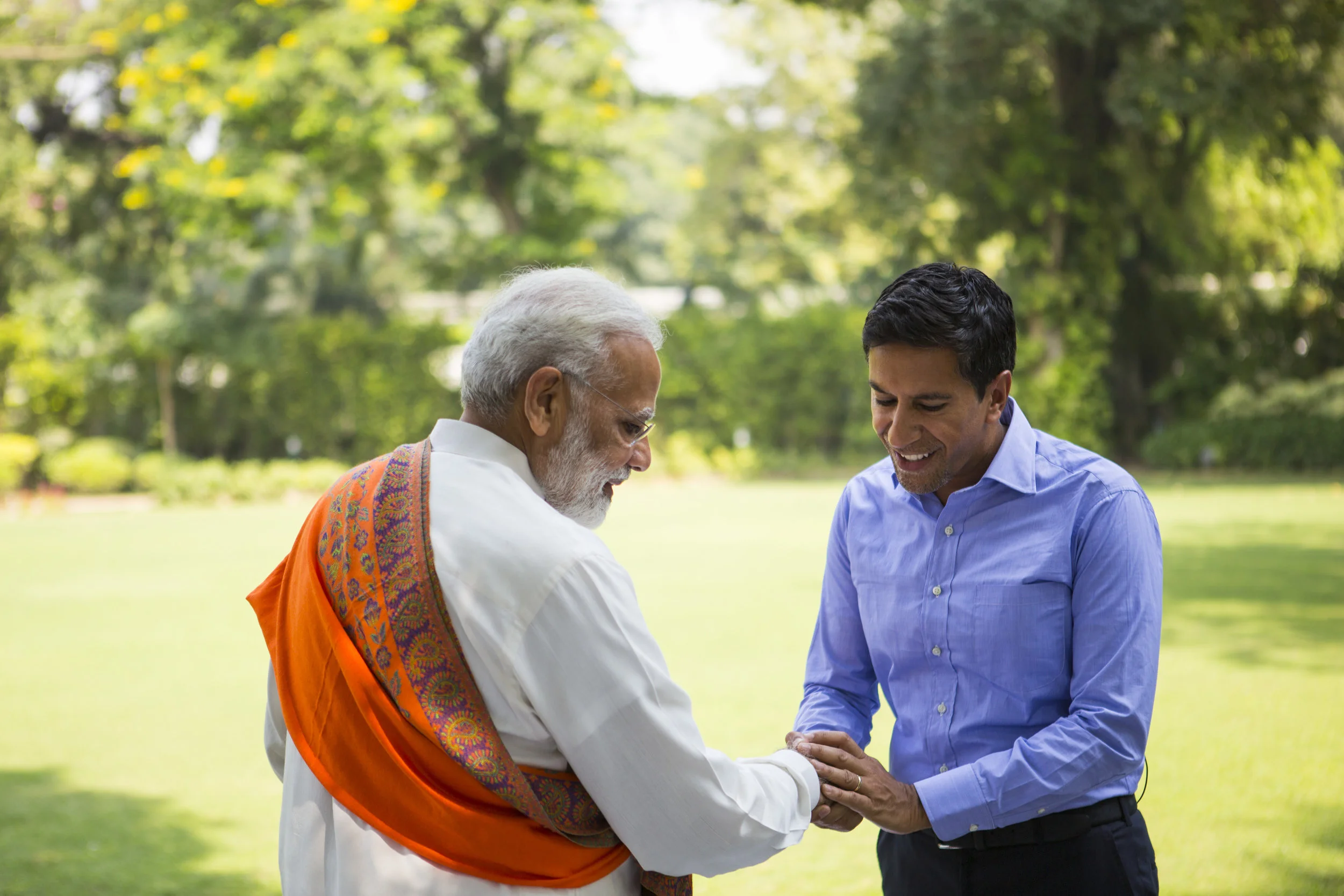
Dr. Sanjay Gupta has experienced all sides of the global health system.

As a practicing neurosurgeon, Dr. Gupta has been a member of the western medicine system for over 25 years.

He is also the Chief Medical Correspondent for CNN, and since 2001 has covered the most important health stories in the United States and around the world.

Dr. Gupta has also long been in search of the secrets to living life to the fullest. This quest recently took him to the longest-lived and happiest cultures around the globe — far-flung locations across Turkey, Japan, Italy, Norway, India, and Bolivia — for the CNN Original Series “Chasing Life.”

I recently talked with Dr. Gupta about the keys to health and longevity, based on all of his learnings from medicine, journalism, and experiences around the world.

…

Dr. Gupta is a big champion of the medical advances that have taken place in the United States, but he is concerned about the current health trends.

“The United States is the only country in the developed world to have decreases in life expectancy three years in a row,” he told me. “Nowhere else in the developed world has that happened, and it hasn’t happened in the United States for 100 years.”

Dr. Gupta points out that the problem is mostly self-inflicted — driven by drug overdoses, suicides, and liver cirrhosis from alcoholism.

“These are called the ‘deaths of despair’ because there seems to be a psychological stress that’s really driving this,” he says. “So we can focus on the big-budget heart disease therapies and cancer therapies — and we should continue to do that — but until we deal with the psychological stress that is pretty unique to Americans, it’s going to be very hard to make progress in terms of life expectancy overall.”

Dr. Gupta has seen first-hand that other countries are doing a better job protecting against these psychological stresses. In fact, the one commonality he found across all of the healthiest and happiest societies — the ones outliving Americans — is the presence of true social connection.

Dr. Gupta acknowledges that the idea of social connection is a bit of a soft concept, but he says social bonds are critical for health and vitality. “I think for many people, especially in the United States where rugged individualism is sort of the mantra, you see social time as a luxury,” Dr. Gupta told me. “In places where you actually invest in people being social, that ends up being really protective against many of the toxic stressors I was talking about.”

Prioritizing social connection over individual achievement is a good first step toward fixing what ails us. Next, I wanted to dig deeper into other major pillars of health — specifically diet and exercise.

…

Dr. Gupta has studied the medical literature and seen diet and exercise routines from around the globe, so I wanted to know what he practices in his own life.

As it relates to diet, he said healthy eating really comes down to two basic things. “Eat a plant-based diet as much as possible and avoid added sugar,” he says.

As Dr. Gupta approaches his 50th birthday, and with a family history of heart disease, those are the two main dietary rules he now follows (which requires some discipline since he confesses to having a bit of a sweet tooth).

Credit: CNN

He is also a big proponent of intermittent fasting. “And I’m not talking about a day at a time,” he says. “I’m talking about a few days at a time where you’re doing very low calories.” That can mean only 300 calories a day plus water for several days in a row.

Dr. Gupta says this type of fasting creates a sort of evolutionary pattern in your body — your young cells become more likely to survive and reproduce, and your old and low-performing cells tend to die away. The result is a greater percentage of cells in your body that are young and productive.

He says this whole process actually feels quite good. “At day two of intermittent fasting, when all of the sudden your body starts producing brand new young stem cells to replace the old poor-performing cells, people almost universally describe that as euphoric,” he told me. You might think a multi-day, low-calorie fast would be highly uncomfortable, but Dr. Gupta says it is just the opposite.

Dr. Gupta is also a habitual exerciser — and his exercise routine is also built around two primary principles. The first is engaging in some form of exercise every day. As a triathlete, Dr. Gupta engages in cardio and high-intensity interval workouts focused on running, swimming, and biking. But he also includes resistance training as an important part his routine.

His other big exercise rule is simply to avoid sitting whenever possible. “Any time you’re about to sit, ask yourself if you really need to,” he advises. Dr. Gupta says sitting for long periods of time disables the body’s natural defense mechanisms. The body is essentially sent a signal that it can shut down and stop working. Dr. Gupta points out, “If you look at many societies, it’s just old people who sit. Young people are either lying sleeping or they’re standing and walking.”

It’s pretty simple — If you want to age fast, take a seat. If you want to stay young, get up and move around. “Moving naturally throughout the day is not a particularly hard thing to do,” says Dr. Gupta. “It’s how we humans were designed to move.”

Dr. Gupta also says sleep has become a larger priority in his life — especially as he has gotten older — and he uses trackers to objectively measure and monitor his sleep. “I’ve noticed more than before if I don’t sleep well, I pay the price in terms of productivity the next day,” he says.

…

Putting it all together, I asked Dr. Gupta to share the No. 1 thing he recommends people do to age well and live their best life.

As he thought about his answer, he started envisioning a future in which diet, exercise, and sleep will be personalized and optimized on an individual basis. For example, while he thinks his diet and exercise routine is a good one, he acknowledges that it may not be perfect for everybody. But in the future, Dr. Gupta thinks artificial intelligence and other technology will yield programs tailored to the specific needs of each individual. Until then, he says it’s important to simply get the basics right in terms of diet, exercise, and rest.

And that’s when he arrived at his No. 1 recommendation.

“Ultimately, what’s always still going to be within our control is how we take care of our minds,” Dr. Gupta told me. “I believe that in order to best heal the body, you have to heal the mind.”

Truly dedicating time to healing the mind on a regular basis — much in the way that we would heal a broken bone or an ill-functioning heart — is Dr. Gupta’s top piece of advice.

Credit: CNN

And he says healing the mind and fighting back against psychological stress is much easier than people realize. “Even simple things like truly practicing gratitude changes your mind so rapidly and effectively that I think everything else follows from that,” he says.

Dr. Gupta says his daily gratitude practice has positively changed his life more than any other habit.

His gratitude practice includes writing — actually putting pen to paper every morning. Instead of immediately reaching for his phone first-thing, he pulls out his journal from the closet. And then he just spends five minutes writing. “It’s a combination of things that I want to do that day, but also all the things I’m grateful for from the day before,” he told me.

“It takes five minutes. My brain is different — I can tell you — at the end of those five minutes than before.”

…

Taking care of your body is important, but the true secret to health and longevity is taking care of your mind.

Andrew Merle writes about living well, including good habits for health, happiness, productivity, and success. Subscribe to his email list at andrewmerle.com.

1 Comment

Photo by Tomasz Woźniak on Unsplash

The Real Secret of Brain Health

June 13, 2019

Dr. John Ratey has studied the brain for more than 40 years.

As a psychiatrist, he has always been interested in how we can make our brains function better. And while he appreciates the magic of modern medicine, he has found that lifestyle factors have the most profound effects on the brain.

In particular, he has found that exercise is the No. 1 thing we can do for brain health.

I had the opportunity to sit down with Dr. Ratey last week at his office in Cambridge, Massachusetts, to learn more about the effects of exercise on the brain, and what we can all do in our own lives to reap the benefits.

…

Dr. Ratey grew up as a competitive junior tennis player in Pennsylvania and competed in the US Nationals, so he was exposed to the power of sports and exercise from an early age.

And he was always fascinated by the brain, earning his first job out of college at Harvard’s Massachusetts Mental Health Center (MMHC).

But it wasn’t until attending the University of Pittsburgh Medical School in the ’70s that he really began to understand the causal link between exercise and brain health.

During that time, he learned about a hospital in Norway that was offering depressed patients to take either antidepressants or participate in an exercise program three times a day. Remarkably, both groups got better at the same rate.

That really piqued Dr. Ratey’s interest and he started to more closely follow exercise in the medical literature. His focus turned to Attention Deficit Disorder (ADD) when he learned about a Boston Marathon runner who developed symptoms of ADD after a knee injury forced him to stop running. The runner went to see Dr. Ratey and was put on ADD medication. However, after his knee was rehabbed and he was back training again, it was determined the medication was no longer necessary. That was back in 1982.

Dr. John Ratey

Since that time, Dr. Ratey has established himself as one of the world’s foremost authorities on the brain-fitness connection. He has written numerous bestselling books, including the groundbreaking ADD-ADHD Driven to Distraction series, Spark: The Revolutionary New Science of Exercise and the Brain, and Go Wild. He is currently a clinical associate professor of Psychiatry at Harvard Medical School.

…

Today, people have become much more aware of the effects of exercise on the brain.

Dr. Ratey said public interest in this topic really took off in the mid ’90s and it’s never stopped.

“Today we just know so much more about what exercise does,” Dr. Ratey told me. “It is simply incredible how powerful it is for the brain. Forget about its effect on blood pressure, sugar loads, weight, buffing you up, all that. That’s a given. But the effect on your brain is amazing.”

The health and wellness boom over the last decade, and related media coverage, has exploded our awareness of what exercise can do to improve mood, anxiety, stress, learning, creativity, and motivation. Dr. Ratey said exercise is also the No. 1 weapon to prevent against brain erosion (including dementia and Alzheimer’s Disease), cancer, and inflammatory disorders.

…

Most people already know about the benefits of exercise by now, so I wanted to ask Dr. Ratey to prescribe the perfect type of exercise for the brain.

“The best exercise is something that you enjoy, with someone, done outside, in nature, and something that you’ll come back to,” he told me.

He said the ideal exercise is something that will get your heart rate up and force you to use your brain. You have to pay attention when you’re outside, which is why a trail run is much better than running on the treadmill, for example (Dr. Ratey has the trail running injuries to prove the concentration required).

But I was a bit surprised when he went on to discuss the ultimate exercise for the brain.

“I always tell people, the best exercise probably that you can do is dance,” said Dr. Ratey.

He did qualify that he meant vigorous dance that gets your heart rate up, not just flailing around. The reason dance is so powerful for the brain is because you have to practice and mentally focus on the right movements. Additionally, you have to follow music, and often stay in rhythm with a partner or group. All of that puts an incredible demand on your brain.

“The more demand on the brain — it’s just like the more demand on your muscles — the more you’re going to build,” said Dr. Ratey.

In terms of cardiovascular exercise, Dr. Ratey is a huge fan of high-intensity interval training. “The more demand on your cardiovascular system, the better it’s going to be,” he said.

He also highly recommends squash. “That’s an incredible game,” he said. “High-intensity, probably the best aerobic workout I can think of.”

…

So does Dr. Ratey follow his own advice?

Best practices are fine, but I wanted to know what he actually does in his own life.

“My routine has always been to stay very active,” he said.

Dr. Ratey has always had a habit of exercising in the morning. He has found the cognitive and emotional benefits of morning exercise stick with him long after the workout has finished.

He was an avid squash player for 30 years until a shoulder injury caused him to stop most racket sports. But even when he was a serious squash player, variety was always paramount.

In those early days, he would supplement his squash by going to the gym in the morning for weight training and a treadmill or elliptical workout. He was even one of the earliest adopters of the StairMaster, keeping one in his house (“We were animals on it!” he told me).

These days he does a lot of walking and running. On the day of our conversation, Dr. Ratey had gone for a morning run around the Charles River in Cambridge, and he was signed up to run a 5K over the weekend.

He also has a personal trainer come to his house twice a week for weight training. Although Dr. Ratey still does most of the exercises on his own, the trainer helps prevent injuries.

Dr. Ratey also spends a lot of time in Los Angeles with his wife, and they routinely start their west coast days with a morning 1.5 hour hike.

He and his wife have always been serious exercisers. Even their vacations are chock full of physical activity.

“Our ideal vacation is a place we go to called Rancho La Puerta, where you get up at 6am with a group of people,” he said, telling me the full group can be as large as 150 people. “And we climb a mountain for 2 or 3 hours in the desert in Mexico. And come down. And then every hour on the hour during the day there is another exercise activity you can participate in — yoga, tai chi, dance, spinning, the gym, circuit training.”

That’s Dr. Ratey’s perfect vacation. So you get the idea about the role exercise plays in his life.

…

Putting it all together, I wanted to see what recommendations Dr. Ratey has for all of us to preserve our brains as we age.

“The secret of brain health in general is knocking down inflammation,” he said.

There are a number of ways to decrease inflammation, but he says exercise tops the list. “It’s the No. 1 recommendation for cancer treatment,” he said. “No. 1 is exercise. After obviously treating the cancer. But why? Because it boosts the immune system so greatly.”

After that, you have diet. Dr. Ratey says diet is probably as important as exercise, especially as we learn more about the microbiome and what food does to our body and our brains.

“I recommend to my patients and to everyone, limit your carb intake,” he said. “Especially processed food, which has mainly carbs in it.” He also advises to keep sugar levels in check, and to get sufficient protein and vitamins from your food (not from a pill).

One diet trend Dr. Ratey believes could have a beneficial impact is a daily fast — not eating from dinner the night before until lunch the next day. Most people say you can’t miss breakfast, but “Yes, you can,” says Dr. Ratey. “Because fasting is a way of stressing the body and stressing the brain in a very non-toxic way. And when you stress the body and the brain, you build it.”

Finally, Dr. Ratey stresses the importance of social connection for brain health. He said our addiction to electronic devices is stealing from our face-to-face human interaction with other people (not to mention, causing sleep deprivation which has negative health effects — Dr. Ratey doesn’t allow any screens in his bedroom). The addictive nature of screens is arguably the biggest problem in today’s world, according to Dr. Ratey. But exercise can be a very powerful antidote — especially exercise that fosters social bonding.

That’s why he is a huge proponent of joining a club or group exercise classes. He cited the amazing social networks (real, human social networks) that are built at fitness groups like Orangetheory and CrossFit. He said clubs like that bring together a wide mix of people who form genuine friendships around the common goal of improving their exercise. “A big part of the magic there is how the connection makes everything better,” said Dr. Ratey.

…

Exercise. Diet. Social Connection.

With the major boxes checked, I asked Dr. Ratey if he had any final tips for brain health and longevity.

That’s when he was reminded of how a spry 92-year-old once answered that question:

“Sex!”

Of course, it probably helps to have a good sense of humor in the long run as well.

Andrew Merle writes about living well, including good habits for health, happiness, productivity, and success. Subscribe to his email list at andrewmerle.com.

Tags health, well-being, Wellness, Nutrition, Exercise, Lifestyle, Food
Comment

Photo by Christine Siracusa on Unsplash

How to Achieve Optimal Brain Health

June 10, 2019

The issue of brain health is personal for Max Lugavere.

Without any prior family history of neurological disease, Max’s mother suddenly started showing symptoms of dementia at just 58 years old.

Max’s mother had always been a high-performer — as a mom to her three young boys and as a business entrepreneur.

“It was a shock to the family, and it was something we faced with disbelief, because this was the first time any kind of mental cognitive challenge reared its head in my family lineage,” Max told me when we chatted by phone last week.

After the symptoms appeared, Max then accompanied his mother from doctor visit to doctor visit, where she was put through a battery of tests that did not yield conclusive answers or treatment plans.

Eventually she was diagnosed with an official neurodegenerative condition and prescribed drugs for both Alzheimer’s Disease and Parkinson’s Disease.

But at that point, Max had become disillusioned with how the medical system was prepared to treat a complex condition such as dementia. He was not satisfied just to have his mother take these “biochemical band-aids,” and so he set out on his own to see if there was a better way.

…

With a background in journalism, Max was accustomed to doing rigorous research and not accepting facts at face value.

He was determined to find out if there was anything that could be done to slow or improve his mom’s symptoms. And of course he became very interested in prevention so as to not suffer the same fate.

Max started by consuming a lot of information on his own — reading books, watching TED Talks, digging into PubMed, and focusing on the most credible peer-reviewed medical literature.

Once he had a foundational knowledge in place, he reached out to the top researchers in the field — the ones focused on lifestyle and dietary interventions for the management and prevention of cognitive disorders. He built relationships with these leading researchers and visited with them at their labs. As these relationships deepened, Max became one of the researchers himself.

In the years since, Max has established himself as one of the foremost experts in brain health. He has lectured at top academic research institutions and continuing medical education courses, co-authored a peer-reviewed textbook chapter used by clinicians for dementia prevention, directed and produced a documentary about the impact of diet and lifestyle on brain health, and last year released the New York Times bestselling book Genius Foods.

…

Max has made it his life mission to learn everything he can about brain health and performance. Although his mom passed away last year, Max knows it is not too late to protect his own brain, and to help others do the same.

Much of Max’s research has centered around food, which plays a critical role in brain health in two key areas.

The first is ensuring the brain maintains plasticity as it ages. That basically means the brain’s ability to change, grow, and form new connections.

Max says one of the best ways to achieve this is by feeding the brain a healthful array of fats. Specifically, the brain really needs omega-3 fatty acids. The two crucial ones are DHA and EPA. “If you start eating wild salmon, pasture-raised beef, and omega 3-enriched eggs, you are pretty much checking off those boxes,” according to Max. You don’t need omega-3s in especially large quantities.

The brain also needs omega-6 fats, but the modern Western diet is already filled with those, and therefore it doesn’t require a conscious effort.

The second primary component of brain health is the brain’s ability to defend against the many stresses of modern life.

“Today one of the problems in the modern world is that our brains are being attacked from every angle,” says Max. “We’ve got a depleted food supply, we’re under-slept, we’re chronically stressed, we’ve got bright lights attacking our circadian inclinations at all hours of the day, we’re more sedentary than ever before, and we’re confronted with countless toxic chemicals in our food supply, our water, and in the air. Our bodies are strong and resilient and adaptable, but they can only contend with so much.”

We can help protect our brains against these stresses by not consuming an overabundance of omega-6 fatty acids (found in grain and seed oils in most packaged foods, including safflower, sunflower, canola, corn, and soybean oils), which can trigger inflammation in the body.

We also want to get enough fat-soluble antioxidants, such as Vitamin E which has been correlated with reduced risk for developing Alzheimer’s Disease (foods high in Vitamin E include avocados, almonds, sunflower seeds, and spinach).

Phytochemicals also work to protect our brain cells. Max is a big fan of carotenoids such as lutein and zeaxanthin (found in dark leafy green vegetables such as kale, spinach, and broccoli), and astaxanthin (found in marine animals and algae). Cruciferous vegetables (such as broccoli, cabbage, and radishes) also help protect the brain over time and stimulate the body’s detox pathways.

…

With these overarching principles in place, I wanted to dig into how Max actually eats on a daily basis.

He told me that he builds his diet around three core components: Greens, cruciferous vegetables, and high-quality protein.

He makes a point of eating a large salad every day. “The consumption of a big bowl of dark leafy greens every day is associated with reduced cognitive aging by up to 11 years,” Max told me. He makes sure to include a serving or two of cruciferous vegetables every day, such as broccoli and Brussels sprouts.

“And then also I am a big fan of proteins — grass-fed beef, wild salmon, chicken,” says Max. “I am a huge fan of properly-raised meat. I think that grass-fed beef is a health food, a superfood even.”

He says protein is important for several reasons. Protein is required to supply the building blocks for our brain’s neurotransmitters. Protein also helps to support the maintenance and growth of lean muscle mass, which is especially important as we get older. “There is a relationship between muscle strength and brain health,” Max says.

And protein is also valuable because it is the most satiating macronutrient. When we eat more protein, we tend to eat less carbs and harmful fats. Therefore Max prioritizes protein — along with fibrous vegetables — at every single meal.

He also eats organic as much as possible, because research shows organic foods tend to be more nutrient-dense and safer from pesticides and certain heavy metals.

Max adheres to a low carb diet, but he will eat starches such as sweet potatoes during times when he is especially physically active. In general, he avoids all grains. “Not because I think grains are toxic or anything like that — they are just not particularly nutrient-dense,” he said (although he strongly discourages the consumption of any grains for people who are pre-diabetic or diabetic).

When Max is on the road or eating out at restaurants, he doesn’t stress about being perfect — he does his best and leaves it at that. That might mean ordering a piece of farm-raised salmon along with some sautéed vegetables, even if he has no idea what oil they’re using.

When he’s flying, occasionally he’ll just fast, but other times he can get by with nuts and some beef jerky.

…

Max acknowledges that nutrition is a polarizing topic.

“We have all these factions in the nutrition world,” he said. “We have zealots on the keto side, on the vegan side, on the paleo side. The reality is that the truth is always going to be somewhere in the middle.”

Although Max sees the merits of certain aspects of the keto and paleo diets — and stresses the importance of healthy fats for the brain — he is not one of the high-fat fanatics pouring coconut oil and butter on everything.

And while he eats a plant-rich diet, he is anything but a vegan.

“Everybody has their own point of view, and mine is that you really just want to eat real food in as close to its natural state as possible,” he says.

…

To close our conversation, I asked Max to distill all of his learnings into the No. 1 thing people should do for optimal brain health. Since Max is the author of a book called Genius Foods, I was expecting a food-related response. But after thinking about it, he went in a slightly different direction.

“If I had to make one single recommendation, it would probably be to exercise,” he said. Exercise is so important — it is so critical both for brain health, but also for mental health.”

He said that exercise is an incredibly potent weapon to fight depression, anxiety, and cognitive impairment. And while he is a fan of certain types of aerobic exercise, he thinks resistance training (weight lifting) is underrated and probably the most important.

“I think it’s really important to be strong, and robust, and resilient, and vigorous — and resistance training is just a great way to achieve that,” said Max. “Most of the research centers around aerobic exercise, but I wouldn’t be surprised if we see and hear more about the value of resistance training for the brain in the years to come.”

…

There is no doubt that our brains and bodies are bombarded with stresses in today’s world.

With these dietary and lifestyle recommendations, Max is helping all of us to fight back.

Andrew Merle writes about living well, including good habits for health, happiness, productivity, and success. Subscribe to his email list at andrewmerle.com.

Comment

Healthy Living Interview Series

June 5, 2019

Hi everyone,

Recently I have been trying to connect with as many people as possible who share my passion for health and wellness. 

One of those people is Carlie Scharing, who has her Masters of Science in Kinesiology and is the owner of Body by Carlie personal training. 

Like me, Carlie believes that we were born to move, and she encourages people to do whatever workout they enjoy as long as it keeps them active. 

My go-to daily workout is a morning run, but I realize that isn’t for everyone.  The key is finding something you like and can stick with over time. 

Carlie has been seeking advice from experts all over the globe (including me!) to spread the message of healthy living and how simple it can be to lead a healthy lifestyle. 

This free interview series is now complete, featuring stories and tips from doctors, master trainers, fitness authors, wellness specialists, and more.

Here is the link to access the content, including my interview with Carlie.  It is totally free so give it a listen. 

Hope you enjoy!

Andrew

Comment

Photo by Viktor Kern on Unsplash

The Solution to Make America Physically Active

April 30, 2019

In the places around the world where people live the longest, they don’t actually pursue health.

They live longer because health ensues from the right environment.

That is according to Dan Buettner, Blue Zones founder and National Geographic fellow, who has spent the last 15 years studying the five places around the world — dubbed Blue Zones — where people live the longest (into their 100s) and are healthiest: Okinawa, Japan; Sardinia, Italy; Nicoya, Costa Rica; Ikaria, Greece; and Loma Linda, California.

I had a chance to catch up with Buettner earlier this week, and he told me that in all five Blue Zones, people do not proactively exercise or seek health. Instead, physical activity just happens naturally as a result of their surroundings.

In the Blue Zones — just like in the US — Buettner says people go to work, over to their friends’ houses, out to eat, and get their kids off to school.

But in the Blue Zones — unlike most places in America — those daily commutes all represent occasions to walk. Residents of the Blue Zones are also known to grow gardens in their yard, and their houses are not full of mechanical conveniences. All of this means that these longest-lived cultures have made a habit of moving naturally every single day. And they don’t even think about it.

Compare that to the US, where 73% of people say they need to be more active and over 60% describe their lifestyle as sedentary. We typically address this issue by urging people to hit the gym or sign up for a 5K. But focusing on individual responsibility does not drive behavior change at a population level, according to Buettner.

“It is absolute delusion to think that we can convince 330 million Americans — three quarters of whom have already admitted they are not doing enough physical activity — to start exercising more,” says Buettner. “We have been trying this for 70 years and we still have 70% of Americans who are obese or overweight. It is not working.”

He acknowledges that a small percentage of people have the discipline and focus to stick with an exercise routine for 30 or 40 years to see the long-term health benefits. But for most Americans, Buettner believes the secret is living in an environment that empowers them to move mindlessly. “I think the answer is designing our cities for human beings,” he says.

Unfortunately most American cities over the last 70 years have been designed only with cars in mind — with high speed limits and wide lanes for cars, but no sidewalks, bike lanes, or green spaces for people. As a result, people are driving more and walking less. Buettner points out over 50% of American children walked to school in 1970. Today that number is about 10%.

There are, however, certain places in the US that are getting it right — Boulder, Colorado; San Luis Obispo, California; and Portland, Oregon, to name a few. In those locations, Buettner says people are measurably healthier with an extra 20 years of life expectancy over places like Tallahassee, Florida.

Photo by Alesia Kazantceva on Unsplash

Buettner and his team at Blue Zones have personally worked with dozens of US cities over the last decade to make them more walkable and bikeable. He points out that in almost every case, the BMI and obesity rate in those cities have dropped as a result.

“We have hard evidence that when you optimize a city for walkability, bikeability, public transportation, and cleaned-up parks, you can raise the physical activity level of a whole population by up to 30%,” says Buettner. “There is no gym, CrossFit, or exercise program that can get those types of results at a population level.”

The key is stacking the deck in people’s favor when it comes to movement — making the healthy choice the easy choice. To that end, Buettner and Blue Zones are now partnering with Degree Deodorant to create the Made To Move grant program that will provide half a million dollars in funding for city projects that promote increased physical movement. The partnership will fund pro-movement initiatives in five different US cities, such as repurposing vehicle lanes for active transportation, creating protected bike lanes, and improving local pedestrian environments. City officials and community organizations can apply for the grants on BlueZones.com. This is part of Degree’s commitment to create movement opportunities, tools, and resources for 10 million people by 2024.

All of this will help people get out from behind the steering wheel and onto their feet.

“If you’re walking more than about 45 minutes a day, you’re getting 90% of the physical activity value of training for a marathon,” says Buettner. “So when you are addressing populations, you want to make it easy for them.”

That is exactly what happened in Buettner’s hometown of Minneapolis, which made a commitment a decade ago to prioritize quality of life. Bike lanes were created, trees planted, and safe sidewalks added. As a result, Minneapolis was recently named the fittest city in America.

Buettner and his team are now working towards a similar fate for cities all across the country.

Andrew Merle writes about living well, including good habits for health, happiness, productivity, and success. Subscribe to his email list at andrewmerle.com.

1 Comment

Photo by lucas Favre on Unsplash

My Philosophy on Diet and Exercise

April 21, 2019

There is a lot of complicated and confusing information out there about diet and exercise.

But that is primarily because “experts” want to sell books or patent their own method.

In reality, the true experts agree on the fundamentals that are most important for a healthy life. And that shared understanding is what is most important to know and incorporate into our own routines.

I have read countless books and articles about diet and exercise, and experimented for many years with what works best in my own life. After all of my learning and testing, here are my key takeaways on diet and exercise:

Diet

There is no doubt that diet plays a central role in health and vitality.

The one thing that all experts agree on is the bulk of your diet should be fruits and vegetables. If you follow just that one piece of advice and make fruits and vegetables at least 50% of what you eat, you will be light years ahead of most other people.

Eat a variety of whatever fruits and vegetables you like (the only things that don’t count are white potatoes or any type of fried vegetables like French Fries). There are valuable nutrients in all fruits and vegetables, so fill your plate with them. If you do that, you will also be crowding out most of the bad stuff.

The rest of your plate can be filled with healthy protein and whole grains. If you are vegan or vegetarian, you can get protein from all kinds of beans, nuts, and seeds. If you eat meat, it is fine to add in some fish, chicken, or beef. But meat should be considered a side dish or condiment, not the main course. Avoid processed meats, such as bacon, sausage, hot dogs, and cold cuts.

Whole grains provide a great source of fiber. You can round out your plate with unprocessed whole grains such as oats, quinoa, or wild rice. Minimize processed grains such as bread and pasta, unless you are an especially savvy shopper and know how to avoid the junk (which is hidden in nearly all packaged bread these days).

Applying this philosophy, a great meal would be a large salad with lots of veggies, quinoa, and some salmon. Or a veggie stir fry over wild rice. Or oatmeal with a heavy dose of mixed berries and walnuts.

If you build your plate around fruits and vegetables, and round it out with healthy protein and whole grains, there just won’t be room for the real problem foods (such as white bread and pasta, and packaged sweet and salty foods). And even when you do indulge from time to time, it won’t be that big of a deal if you normally eat according to this philosophy.

As for beverages, drink water, tea, and coffee (without milk/cream or sweeteners ). A little bit of alcohol is okay, but limit it to a drink or two at night. Avoid sugary drinks such as fruit juice and soda.

This all probably sounds like common sense eating principles, and that is exactly the point. Stick with these basics and forget all of the other complicated stuff. You will be much healthier as a result.

Exercise

Movement should be an essential part of daily life.

The current exercise guidelines call for 150–300 minutes of exercise per week, which equates to about 30–40 minutes of exercise per day, assuming you exercise most days. I think that gets it about right.

I recommend dedicated cardio exercise for at least 30 minutes per day, with 1–2 off days per week (which would give you at least 150 minutes of exercise for the week right there). I personally go for a 30-minute run in the morning at least 5 days per week, but your form of exercise can be whatever you enjoy most (walking, swimming, cycling, etc.). And feel free to mix it up from one day to the next. I run at a moderate pace, just enough to make me breathe heavy and get a sweat going.

I also recommend some of your exercise be a bit more vigorous (in addition to, or in place of, some of your moderate exercise days). I turn up the intensity by playing squash 1-2 times per week, which taxes my body and my mind with the complex movements and strategy involved. You can dial it up a bit with a sport you enjoy (e.g. soccer, basketball) or any other type of workout that you like (Peloton, group fitness classes, etc.).

You should also build in some strength training and flexibility exercises at least two days per week. You could make this a part of your weekly routine by doing yoga and/or light weights on your cardio off-days (or lighter workout days). While the bulk of your workout routine should be cardio, incorporating some strength training will keep your muscles and bones strong, and flexibility training will keep your body loose and pliable (counteracting the cardio which tends to tighten you up).

To summarize, get at least 30 minutes of cardio exercise nearly every day. Dial up the intensity for 1–2 of the workouts. And round out your routine with strength training and yoga 1–2 days per week.

Beyond your dedicated workouts, use your body as your mode of transportation as much as possible. Walk or ride your bike to work or to the store if that is a possibility. Make it a habit of always taking the stairs. If your default mode is to use your body to get places, you will rack up even more meaningful physical (and mental) benefits.

If you do track your activity, a good goal is at least 10,000 steps per day (factoring in your dedicated workouts and all other activity throughout the day).

…

There you have it — my philosophy on diet and exercise. This approach takes into account all of my learning and personal experiences, and is built around basic and highly-effective guidelines.

I truly believe if you eat and move in this manner, you will add energy to your days and healthy years to your life.

Andrew Merle writes about living well, including good habits for health, happiness, productivity, and success. Subscribe to his email list at andrewmerle.com.

Tags health, Exercise, Diet, Food, habits, Wellness, well-being

Photo by Daniel Hjalmarsson on Unsplash

How to Create the Perfect Mental State of Relaxed Alertness

March 27, 2019

The ideal mental state is “relaxed alertness.”

This is characterized by being fully aware and focused, yet with an effortlessly calm mind.

This state is achieved when alpha waves are dominant in your brain.

Human beings only have 2 mental states while we are awake — alpha and beta.

We spend most of our lives in the beta state, as we rush through the hustle and bustle of everyday life. Beta is when our minds are moving fast, checking things off our to-do list, and bouncing from one thing to the next. While people can be productive in this state, the rapid mental activity in beta mode has been linked to depression and anxiety. When your mind is racing and you can’t seem to get out of a negative pattern of thinking, that’s when beta waves are taking over. You likely know the feeling.

Alpha, on the other hand, is characterized by being clear-headed, present, and fully in the moment. Alpha waves create a sense of peace and well-being in your mind and body. When people are in this state, they seem to exude charisma as their mind focuses only on the here and now. This is also the state when athletes and other performers are at their best — also known as being “in the zone” or the “flow state.” Unsurprisingly, alpha brain waves have been shown to boost creativity and resilience to stress, and reduce anxiety and depression. When your mind is free, peak performance and enjoyment is naturally achieved.

While spending some time in the beta state is unavoidable, we don’t want to spend too much of our lives in overdrive. Life is more pleasurable in the alpha state.

So how do we achieve this feeling of calm focus?

One way to do it is through long-term meditation practice. Expert meditators with thousands of hours of practice regularly achieve the alpha state in their daily lives. It is certainly recommended to begin and stick with a meditation practice (I am a particular fan of the Waking Up app from Sam Harris) — in the early going, you will generate alpha waves specifically during your meditation time, and gradually you’ll notice that relaxed mental state creep into more of your day.

Meditation is a worthy long-term endeavor, but for this article I am more interested in quick-fix ways to enter the alpha state. When we are anxious and stressed, we don’t want to wait years for mental clarity.

Instead, here are some shortcuts:

  • Perhaps the most fast-acting way into the alpha state is by drinking tea. Specifically, you need to drink black, green, or white tea, all of which naturally contain a substance called Theanine. Drinking just two cups of green tea (thanks to the Theanine) significantly generates alpha brain waves and moves you into a state of relaxed alertness. Daily tea consumption is also linked to living a significantly longer life, reduced cancer risk, and enhanced brain and liver function. Drinking tea should be a part of your daily regimen.

  • There is reason to believe Theanine supplements can create the same alpha effects as actually drinking the tea. I always prefer consuming a product in its natural state, but Theanine supplements seem to be effective and generally safe to consume. I have been trying these Theanine gummies recently and have noticed a calming effect after about 30–40 minutes.

  • Alpha waves are created by doing aerobic exercise. Personally, I have found that a 30-minute morning run clears and relaxes my mind for the full day ahead. This is the best tool I can personally vouch for to get into the alpha state. Yoga has also been proven to significantly increase alpha brain waves.

  • Relaxing in a peaceful setting for about 90 minutes has been shown to activate alpha brain waves (this time frame will be shortened for experienced meditators). If you can spend that time outside in nature, the effects can be even more profound.

  • When you feel relaxed while drinking alcohol, you are feeling the effects of alpha brain waves. One glass of wine can be helpful to slow down your racing mind — but stop yourself at one drink, otherwise your overactive mind will come roaring back once the buzz wears off.

  • You can listen to specially-designed music to enter specific brain states. Check out binaural beats to help quickly tune your brain to the alpha state.

…

There you have several fast-acting tools to quickly get into the alpha brain wave state.

Please let me know in the comments section about other effective tips and tactics that work to calm and free your mind.

Here’s to all of us spending more time in the alpha state of relaxed alertness.

Andrew Merle writes about living well, including good habits for health, happiness, productivity, and success. Subscribe to his email list at andrewmerle.com.

2 Comments

Photo by Joshua Sortino on Unsplash

The Best Exercise Routine For Longevity

February 18, 2019

Exercise has changed my life and career more than any other habit.

I exercise most mornings, primarily for the mental clarity it brings me throughout the remainder of the day. I can achieve this mental sharpness with just a 30-minute run in the morning at a moderate pace (9–10 minute mile).

But in addition to optimal daily performance, I also aspire to live as long and healthy a life as possible.

Therefore, I went in search of the best exercise routine for longevity.

Dr. Valter Longo is one of the world’s foremost experts on longevity. He is the director of the Longevity Institute at the University of Southern California in Los Angeles, and of the Program on Longevity and Cancer at IFOM (Molecular Oncology FIRC Institute) in Milan.

Dr. Longo has studied longevity for more than 30 years, and he has concluded how to exercise to increase healthy lifespan. In fact, his research shows that physical activity is the number 2 factor affecting lifespan, behind only diet.

Here is the routine that Longo recommends to maximize longevity:

Walk fast for an hour every day

This doesn’t need to happen all at once. For example, if the train station is a 15-minute walk away from your house, and you do that each way, that’s 30 minutes right there. Then you could pick a coffee shop that is a 15-minute walk away from your office, and make a daily visit. Those might not be your exact circumstances, but you get the idea — find places that are walkable and go there every day. On the weekend, walk everywhere, even faraway places — do your best to leave your car in the garage or driveway all weekend long.

Do cardiovascular exercise for 2.5–5 hours per week

Running, cycling, or swimming are all great options, but the type of exercise you choose isn’t important. The key is working your body to the point of breathing rapidly and sweating. A simple way to hit this exercise threshold is to have a stationary bike and a road bike (go outside when the weather permits, otherwise ride indoors), and make a point of riding for 30–40 minutes every other day, and for 2 hours total on the weekend.

Use weight-training or weight-free exercises to strengthen all muscles

This can be the classic gym routine, but your muscles also become stronger when you take the stairs instead of the elevator (Longo advises to always take the stairs!), walk instead of driving, grow food in your garden instead of buying it, and do manual work around the house instead of hiring someone to do it. When you do engage in a hard weight-training session, consume at least 30 grams of protein in a single meal within 1–2 hours afterwards to maximize muscle growth.

…

In terms of how long you should exercise per week, research shows that most of the beneficial effects are caused by the first 2.5 hours. For example, a large Australian study of over 200,000 people aged 45–75 found that those who exercised (at moderate to vigorous levels) at least 2.5 hours per week had a 47% reduction in overall mortality. Going up to 5 hours per week led to a 54% reduction in mortality. Ensuring at least some of that activity was in the vigorous range dropped the risk of dying by another 9 percent.

Another very large study involving more than 650,000 people in the U.S. and Europe showed that mortality was reduced by 31% for people who exercised for at least 2.5 hours per week at moderate intensity (or for more than 75 minutes at vigorous intensity). Increasing the exercise totals to 5 hours at moderate intensity (or 2.5 hours at vigorous levels) lowered the risk of dying by 37%.

Examples of moderate exercise include fast walking or slow jogging (faster than 4 mph), cycling (10–12 mph), or gardening. Examples of vigorous exercise include climbing stairs or hiking, cycling (faster than 12 mph), playing soccer, or jogging (faster than 6 mph).

So there is certainly some additional benefit of going up to 5 hours of exercise per week, with some of the exercise being in the vigorous range. But there are diminishing returns after 2.5 hours, and you want to avoid overworking your body by going much beyond the 5-hour limit per week. Over-exercising will cause damage over time to your knees, hips, and joints. You don’t want your body to break down prematurely because of over-taxing it.

…

My personal routine includes a 30-minute casual run in the morning, about 5 days per week. So I achieve 2.5 hours of moderate exercise per week thanks to my morning run. Then I add in some vigorous exercise by playing about 2 hours of squash per week (I play about twice a week, for an hour each time). So in general, I would say that I get about 4.5 total hours of exercise per week.

And then I make a point of always taking the stairs. For example, I take the stairs from the parking garage at my office up to my floor, which is a total of 111 steps. Climbing those stairs every morning invigorates me for the work day ahead. Having meetings on other floors throughout the day enables me to rack up even more flights of stairs.

On the weekend, I walk everywhere possible. Take today for instance (I am writing this on a Sunday). I played squash for an hour this morning, and walked to the club and back — 15 minutes each way. Now I am writing this from a coffee shop that is a 15-minute walk away from my house. Once I return home, I will have walked for a total of one hour, in addition to my one hour squash session. I place a high value on living in a walkable area!

My routine is lightest in the area of strength training. I do 145 pushups each day, but otherwise don’t do any type of weight training. Squash is a full body workout, but I would like to add in some more upper body strength training to ensure that my muscles stay strong as I age.

…

I have found exercise to be a powerful performance-enhancer on a daily basis, and now I know how to exercise to increase healthy lifespan.

I hope you find these guidelines easy to follow and achievable. I would love to hear from you about the exercise routine that works best for you.

Andrew Merle writes about living well, including good habits for health, happiness, productivity, and success. Subscribe to his email list at andrewmerle.com.

2 Comments

Photo by rawpixel on Unsplash

Follow The Process, Not Your Passion

February 11, 2019

I believe that happiness in life is all about finding the right fit.

And following your passion alone is not sufficient to find that right fit.

I learned this the hard way.

Baseball was my biggest passion for as long as I can remember.

One of my earliest memories — at the age of 4 — was watching my hometown Boston Red Sox take on the New York Mets in the 1986 World Series. I was so into baseball and the Red Sox that I stayed up long after my parents went to bed to watch the end of each game.

I remember religiously watching baseball on TV, even if the telecast was in French or any other language.

I learned to read from baseball cards.

I know a lot of kids love sports, but I really loved sports. I consumed and analyzed every single Red Sox game, start to finish, via TV, radio, or (if I was lucky enough) in person. I was allowed to miss school to attend every Opening Day at Fenway Park. Whenever I was at the actual ballpark, I would never let my parents leave until the last out was recorded.

I memorized all of the player and team stats and could rattle them off at will. I remember fantasizing about meeting the athletes, sitting in the dugout, and what it would be like to step out on a real Major League field.

But I never imagined I could actually work in sports.

I always thought I would be a lawyer. I loved the idea of analyzing a case, doing deep research to uncover the winning evidence or facts, and then pulling it all together for a victory in the courtroom. It all seemed so thrilling, and that was the path I intended to pursue. I was a Pre-Law Major in college and planned to attend Law School after graduation.

But then I miraculously landed a job within my #1 passion instead. I got an internship with the Boston Red Sox in 2003 — between my junior and senior years of college. Talk about a dream come true!

Since the actual sport of baseball was my true love, I wanted my position to be as close to the game as possible.

But the intern position within the Baseball Operations department (a path that could eventually lead to becoming a General Manager) was already taken. So I got placed in the Media Relations department instead.

The Media Relations department was the intermediary between the team (players, coaches, and front office) and the media (sportswriters, TV and radio media, etc.). The department coordinated all media interviews, press conferences, and disseminated team information and statistics.

This all sounded good enough to me, even if I really didn’t know anything about the media (other than reading the Boston Globe sports section every day, and watching Sox games on TV).

I still couldn’t believe I was actually going to be working for the Boston Red Sox. I literally would have taken any job with the team.

What followed — on paper — seems like a fantasy come true.

I worked for the Red Sox for five seasons, from 2003 through early 2008. During that time, the Red Sox won two World Series Championships, breaking an 86-year drought in the process, winning it all for the first time since 1918. I was rewarded with two authentic World Series rings, same as the players received.

I traveled with the team on road trips, flying on the team plane and staying in the team hotel. I interacted with all of the star athletes, from David Ortiz to Manny Ramirez to Curt Schilling. I was in the locker room before and after the games, in the dugout and on the field during batting practice, and witnessed champagne spraying in the clubhouse when the team won their titles.

As a kid, I dreamed about sitting in the Fenway Park dugout or stepping out on the field, and I was able to have that experience more times than I can even remember.

This should have been the textbook example of why you should follow your passion, and what is possible when you do so. And don’t get me wrong, I wouldn’t trade these once-in-a-lifetime experiences (not to mention, I met my wife while working for the Red Sox).

The only problem is that I didn’t actually like the work that I was doing, or the lifestyle that I was leading.

Media Relations was okay, but I certainly didn’t love it. I loved the sport of baseball itself, but was not passionate about the media industry. The media wanted constant access, the players wanted constant privacy, and I was caught in the middle trying to serve both parties.

The media was insatiable with their requests, so it was constant reactive work, and I didn’t have the opportunity to think creatively.

I repeated the same daily process of compiling team news and statistics, and updated the records before and after every game, in a cycle that seemed never-ending. I doubt the media read or used even 5% of the information I serviced to them. After a while, my work seemed like a waste of time.

The lifestyle was brutal as well. I worked business hours and baseball hours. A typical day would start at 8 or 9am, and I wouldn’t leave the ballpark until at least 1.5 hours after the game (usually around 11:30pm). That means I would frequently clock 90+ hour work weeks. A 10-day consecutive stretch of home games would drain every last ounce of my energy. And there never seemed to be an end in sight. The baseball season is 162 games long — there is a game nearly every single day — over a span of six months. And that doesn’t even include Spring Training (February — March) or the playoffs (October).

When you factor it all in, the ‘offseason’ really was only three months. And I was still working a regular schedule (40–50 hours per week) during those offseason months, unlike the players who had that time completely off.

And unlike the players, my pay was miserable. Professional sports teams know there are thousands of people lining up for front office jobs, so they can get away with paltry compensation. Meaningful pay doesn’t come until you are a senior executive, which could be decades away.

I wound up staying in baseball for another two years after the Red Sox, moving on to the Los Angeles Dodgers in a more proactive and creative Public Relations position. But at that point, my passion for baseball had run out and I was ready to leave the sport altogether.

I left baseball in 2009, and doubt I’ll ever go back. What began as a childhood love and my biggest passion is now barely an interest. I don’t watch baseball games on TV anymore, rarely make it to the stadium, and I’m blissfully out of touch with the stats and standings. Perhaps someday that will change — especially as my kids get older — but for now baseball is more of a source of stress than pleasure.

I am grateful for all of the amazing baseball experiences I had, but this is an example of what can happen if you make your passion your profession. Sometimes passions are better off remaining hobbies.

…

So if following your passion is not the perfect answer, what is a better path?

I believe you are better off following the process of work, instead of blindly pursuing your passion.

If you love the process of the work you do — because it is in line with your personality and strengths — you will stay motivated to stick with it. Whereas following your passion could involve a process of work that does not match your true nature (as was my case with baseball).

When I was in college, I would have been smart to learn more about my true personality, my values, and the type of work I enjoyed.

I didn’t do enough of that thoughtful introspection (or at least wasn’t led by it), and wound up pretty far down a path that did not suit me in the end.

Fortunately, these days there are a number of tools to determine your true nature before you get so far down the line.

Here are a few assessments I recommend:

  • StrengthsFinder

  • HIGH5

  • WingFinder

  • Enneagram

  • Myers-Briggs Type Indicator (MBTI)

Once you fully know about yourself, you can investigate jobs and job paths that match your unique personality, values, and strengths.

Would I have been better off becoming a lawyer? I don’t know. And fortunately I have now found work that I love, as I have meandered my way through the worlds of Sports/Active Lifestyle and Brand Marketing.

But I believe the quickest path to finding work that you love is uncovering your true personality, and connecting that to the type of work that you will do.

If that can happen within your passion, then that could be the best of all worlds.

But you’re better off starting with process, not passion.

As billionaire investing icon Ray Dalio says, “The happiest people discover their own nature and match their life to it.”

I couldn’t agree more.

Andrew Merle writes about living well, including good habits for health, happiness, productivity, and success. Subscribe to his email list at andrewmerle.com.

Comment

Credit: Flickr

The Ultimate Pre-Game Meal

January 15, 2019

While researching for my recent story The Eating Habits of the Best Athletes in the World, I was surprised to learn that LeBron James and Sidney Crosby eat the exact same thing just before they compete.

I was intrigued by the fact that two of the greatest athletes in the world, from two different sports, fueled up in the same manner. And I wondered if the habit extended even broader among professional athletes.

LeBron and Crosby both eat a peanut butter and jelly sandwich before games, and it turns out many other top pro athletes do as well.

I hadn’t realized that the peanut butter and jelly sandwich is the NBA’s secret addiction.

The PB&J was credited as the secret weapon of the 2007–08 Boston Celtics championship season, and then it quickly spread across the rest of the league. Now nearly every NBA team makes PB&J sandwiches readily available to their players.

And it doesn’t stop with the NBA.

MLB legend Derek Jeter ate a peanut butter and jelly sandwich an hour before every game, NFL star Rob Gronkowski downs a PB&J (with a glass of chocolate milk) before every football game, and even golfer Dustin Johnson gets his energy for a round of golf from the same sandwich (although he opts for almond butter with his jelly).

If it works for LeBron, Crosby, Jeter, and Gronk, it might just work for you, too.

…

But why do so many athletes reach for a PB&J before the game?

The most common explanation is that PB&J is comfort food and the athletes grew up eating it. This means that it is a soothing meal that puts athletes at ease before competition. In that sense, it is a meal that helps achieve peace of mind — a critical component for top performance.

Athletes are also notoriously superstitious, so when they hear about a routine that works, they quickly look to gain that edge.

The PB&J is also readily available, quick and easy to prepare, substantial enough to keep you satisfied, and yet light enough not to weigh you down.

In terms of actual nutrition, a peanut butter and jelly sandwich is not the best, but it’s not bad.

A PB&J does have healthy fats, carbs, and protein to provide quick energy. And you can boost the nutrition content by choosing 100% whole grain bread (which adds fiber) and low-sodium peanut butter. Jelly does contain a lot of sugar, but that isn’t awful if you are taking in the other nutrients.

That said, it seems as though the benefits are primarily mental — our brain experiences pleasure when we bite into a PB&J, it makes us feel happy, and “when you feel good, you play well,” according to Brett Singer, a dietitian at the Memorial Hermann Ironman Sports Medicine Institute.

…

After hearing about all of these great athlete stories, I decided to add a PB&J into my own pre-game routine. Granted, my athletic pursuits are quite different than LeBron or Gronk.

But I do play in a regular squash league and am certainly game for some easy performance-enhancing tactics (legally, of course).

Especially with matches in the evenings after a long workday, I need to find ways to keep my energy up. I learned this the hard way — there was one time when all I had was an apple between lunch and a 7pm match, and I could barely make it to the finish.

It’s been about a month since I added the PB&J to my pre-match routine. I have been using Ezekiel 4:9 Sprouted Whole Grain Bread, Bonne Maman Raspberry Preserves for the jelly, and Teddie Smooth All Natural Peanut Butter.

I have to say, it is one of the most satisfying things you can eat. And I now seem to have more energy on court, more strength in my legs, and more confidence knowing that I have adequately fueled up.

Maybe it is just the placebo effect, but I do feel some performance benefits from a simple PB&J.

Even if that just means feeling strong and playing to my potential, that’s a win for me.

If you are also looking for a little performance boost, give the humble PB&J a try.

Andrew Merle writes about living well, including good habits for health, happiness, productivity, and success. Subscribe to his email list at andrewmerle.com.

← Newer Posts Older Posts →

SEARCH:


xJGh6cXvC69an86AdrLD98-320-80.jpg

View Andrew's work on Medium


COMMON THEMES:

  • Books
  • Business
  • Coffee
  • Diet
  • Exercise
  • Finances
  • Fitness
  • Food
  • Health
  • Lifestyle
  • Longevity
  • Nutrition
  • Performance
  • Psychology
  • Sports
  • Success
  • Technology
  • Travel
  • Wellbeing
  • Wellness
  • Work
  • excercise
  • habits
  • happiness
  • health
  • productivity
  • sleep
  • success
  • time management
  • well-being