• Home - Popular Posts
  • About
  • Contact
  • Blog
Menu

Andrew Merle

Wellness, Habits, and High-Integrity Growth
  • Home - Popular Posts
  • About
  • Contact
  • Blog

Subscribe

Sign up with your email address to receive the latest stories and content.

We respect your privacy.

Thank you!

Photo by lucas Favre on Unsplash

My Philosophy on Diet and Exercise

April 21, 2019

There is a lot of complicated and confusing information out there about diet and exercise.

But that is primarily because “experts” want to sell books or patent their own method.

In reality, the true experts agree on the fundamentals that are most important for a healthy life. And that shared understanding is what is most important to know and incorporate into our own routines.

I have read countless books and articles about diet and exercise, and experimented for many years with what works best in my own life. After all of my learning and testing, here are my key takeaways on diet and exercise:

Diet

There is no doubt that diet plays a central role in health and vitality.

The one thing that all experts agree on is the bulk of your diet should be fruits and vegetables. If you follow just that one piece of advice and make fruits and vegetables at least 50% of what you eat, you will be light years ahead of most other people.

Eat a variety of whatever fruits and vegetables you like (the only things that don’t count are white potatoes or any type of fried vegetables like French Fries). There are valuable nutrients in all fruits and vegetables, so fill your plate with them. If you do that, you will also be crowding out most of the bad stuff.

The rest of your plate can be filled with healthy protein and whole grains. If you are vegan or vegetarian, you can get protein from all kinds of beans, nuts, and seeds. If you eat meat, it is fine to add in some fish, chicken, or beef. But meat should be considered a side dish or condiment, not the main course. Avoid processed meats, such as bacon, sausage, hot dogs, and cold cuts.

Whole grains provide a great source of fiber. You can round out your plate with unprocessed whole grains such as oats, quinoa, or wild rice. Minimize processed grains such as bread and pasta, unless you are an especially savvy shopper and know how to avoid the junk (which is hidden in nearly all packaged bread these days).

Applying this philosophy, a great meal would be a large salad with lots of veggies, quinoa, and some salmon. Or a veggie stir fry over wild rice. Or oatmeal with a heavy dose of mixed berries and walnuts.

If you build your plate around fruits and vegetables, and round it out with healthy protein and whole grains, there just won’t be room for the real problem foods (such as white bread and pasta, and packaged sweet and salty foods). And even when you do indulge from time to time, it won’t be that big of a deal if you normally eat according to this philosophy.

As for beverages, drink water, tea, and coffee (without milk/cream or sweeteners ). A little bit of alcohol is okay, but limit it to a drink or two at night. Avoid sugary drinks such as fruit juice and soda.

This all probably sounds like common sense eating principles, and that is exactly the point. Stick with these basics and forget all of the other complicated stuff. You will be much healthier as a result.

Exercise

Movement should be an essential part of daily life.

The current exercise guidelines call for 150–300 minutes of exercise per week, which equates to about 30–40 minutes of exercise per day, assuming you exercise most days. I think that gets it about right.

I recommend dedicated cardio exercise for at least 30 minutes per day, with 1–2 off days per week (which would give you at least 150 minutes of exercise for the week right there). I personally go for a 30-minute run in the morning at least 5 days per week, but your form of exercise can be whatever you enjoy most (walking, swimming, cycling, etc.). And feel free to mix it up from one day to the next. I run at a moderate pace, just enough to make me breathe heavy and get a sweat going.

I also recommend some of your exercise be a bit more vigorous (in addition to, or in place of, some of your moderate exercise days). I turn up the intensity by playing squash 1-2 times per week, which taxes my body and my mind with the complex movements and strategy involved. You can dial it up a bit with a sport you enjoy (e.g. soccer, basketball) or any other type of workout that you like (Peloton, group fitness classes, etc.).

You should also build in some strength training and flexibility exercises at least two days per week. You could make this a part of your weekly routine by doing yoga and/or light weights on your cardio off-days (or lighter workout days). While the bulk of your workout routine should be cardio, incorporating some strength training will keep your muscles and bones strong, and flexibility training will keep your body loose and pliable (counteracting the cardio which tends to tighten you up).

To summarize, get at least 30 minutes of cardio exercise nearly every day. Dial up the intensity for 1–2 of the workouts. And round out your routine with strength training and yoga 1–2 days per week.

Beyond your dedicated workouts, use your body as your mode of transportation as much as possible. Walk or ride your bike to work or to the store if that is a possibility. Make it a habit of always taking the stairs. If your default mode is to use your body to get places, you will rack up even more meaningful physical (and mental) benefits.

If you do track your activity, a good goal is at least 10,000 steps per day (factoring in your dedicated workouts and all other activity throughout the day).

…

There you have it — my philosophy on diet and exercise. This approach takes into account all of my learning and personal experiences, and is built around basic and highly-effective guidelines.

I truly believe if you eat and move in this manner, you will add energy to your days and healthy years to your life.

Andrew Merle writes about living well, including good habits for health, happiness, productivity, and success. Subscribe to his email list at andrewmerle.com.

Tags health, Exercise, Diet, Food, habits, Wellness, well-being

Photo by Daniel Hjalmarsson on Unsplash

How to Create the Perfect Mental State of Relaxed Alertness

March 27, 2019

The ideal mental state is “relaxed alertness.”

This is characterized by being fully aware and focused, yet with an effortlessly calm mind.

This state is achieved when alpha waves are dominant in your brain.

Human beings only have 2 mental states while we are awake — alpha and beta.

We spend most of our lives in the beta state, as we rush through the hustle and bustle of everyday life. Beta is when our minds are moving fast, checking things off our to-do list, and bouncing from one thing to the next. While people can be productive in this state, the rapid mental activity in beta mode has been linked to depression and anxiety. When your mind is racing and you can’t seem to get out of a negative pattern of thinking, that’s when beta waves are taking over. You likely know the feeling.

Alpha, on the other hand, is characterized by being clear-headed, present, and fully in the moment. Alpha waves create a sense of peace and well-being in your mind and body. When people are in this state, they seem to exude charisma as their mind focuses only on the here and now. This is also the state when athletes and other performers are at their best — also known as being “in the zone” or the “flow state.” Unsurprisingly, alpha brain waves have been shown to boost creativity and resilience to stress, and reduce anxiety and depression. When your mind is free, peak performance and enjoyment is naturally achieved.

While spending some time in the beta state is unavoidable, we don’t want to spend too much of our lives in overdrive. Life is more pleasurable in the alpha state.

So how do we achieve this feeling of calm focus?

One way to do it is through long-term meditation practice. Expert meditators with thousands of hours of practice regularly achieve the alpha state in their daily lives. It is certainly recommended to begin and stick with a meditation practice (I am a particular fan of the Waking Up app from Sam Harris) — in the early going, you will generate alpha waves specifically during your meditation time, and gradually you’ll notice that relaxed mental state creep into more of your day.

Meditation is a worthy long-term endeavor, but for this article I am more interested in quick-fix ways to enter the alpha state. When we are anxious and stressed, we don’t want to wait years for mental clarity.

Instead, here are some shortcuts:

  • Perhaps the most fast-acting way into the alpha state is by drinking tea. Specifically, you need to drink black, green, or white tea, all of which naturally contain a substance called Theanine. Drinking just two cups of green tea (thanks to the Theanine) significantly generates alpha brain waves and moves you into a state of relaxed alertness. Daily tea consumption is also linked to living a significantly longer life, reduced cancer risk, and enhanced brain and liver function. Drinking tea should be a part of your daily regimen.

  • There is reason to believe Theanine supplements can create the same alpha effects as actually drinking the tea. I always prefer consuming a product in its natural state, but Theanine supplements seem to be effective and generally safe to consume. I have been trying these Theanine gummies recently and have noticed a calming effect after about 30–40 minutes.

  • Alpha waves are created by doing aerobic exercise. Personally, I have found that a 30-minute morning run clears and relaxes my mind for the full day ahead. This is the best tool I can personally vouch for to get into the alpha state. Yoga has also been proven to significantly increase alpha brain waves.

  • Relaxing in a peaceful setting for about 90 minutes has been shown to activate alpha brain waves (this time frame will be shortened for experienced meditators). If you can spend that time outside in nature, the effects can be even more profound.

  • When you feel relaxed while drinking alcohol, you are feeling the effects of alpha brain waves. One glass of wine can be helpful to slow down your racing mind — but stop yourself at one drink, otherwise your overactive mind will come roaring back once the buzz wears off.

  • You can listen to specially-designed music to enter specific brain states. Check out binaural beats to help quickly tune your brain to the alpha state.

…

There you have several fast-acting tools to quickly get into the alpha brain wave state.

Please let me know in the comments section about other effective tips and tactics that work to calm and free your mind.

Here’s to all of us spending more time in the alpha state of relaxed alertness.

Andrew Merle writes about living well, including good habits for health, happiness, productivity, and success. Subscribe to his email list at andrewmerle.com.

2 Comments

Photo by Joshua Sortino on Unsplash

The Best Exercise Routine For Longevity

February 18, 2019

Exercise has changed my life and career more than any other habit.

I exercise most mornings, primarily for the mental clarity it brings me throughout the remainder of the day. I can achieve this mental sharpness with just a 30-minute run in the morning at a moderate pace (9–10 minute mile).

But in addition to optimal daily performance, I also aspire to live as long and healthy a life as possible.

Therefore, I went in search of the best exercise routine for longevity.

Dr. Valter Longo is one of the world’s foremost experts on longevity. He is the director of the Longevity Institute at the University of Southern California in Los Angeles, and of the Program on Longevity and Cancer at IFOM (Molecular Oncology FIRC Institute) in Milan.

Dr. Longo has studied longevity for more than 30 years, and he has concluded how to exercise to increase healthy lifespan. In fact, his research shows that physical activity is the number 2 factor affecting lifespan, behind only diet.

Here is the routine that Longo recommends to maximize longevity:

Walk fast for an hour every day

This doesn’t need to happen all at once. For example, if the train station is a 15-minute walk away from your house, and you do that each way, that’s 30 minutes right there. Then you could pick a coffee shop that is a 15-minute walk away from your office, and make a daily visit. Those might not be your exact circumstances, but you get the idea — find places that are walkable and go there every day. On the weekend, walk everywhere, even faraway places — do your best to leave your car in the garage or driveway all weekend long.

Do cardiovascular exercise for 2.5–5 hours per week

Running, cycling, or swimming are all great options, but the type of exercise you choose isn’t important. The key is working your body to the point of breathing rapidly and sweating. A simple way to hit this exercise threshold is to have a stationary bike and a road bike (go outside when the weather permits, otherwise ride indoors), and make a point of riding for 30–40 minutes every other day, and for 2 hours total on the weekend.

Use weight-training or weight-free exercises to strengthen all muscles

This can be the classic gym routine, but your muscles also become stronger when you take the stairs instead of the elevator (Longo advises to always take the stairs!), walk instead of driving, grow food in your garden instead of buying it, and do manual work around the house instead of hiring someone to do it. When you do engage in a hard weight-training session, consume at least 30 grams of protein in a single meal within 1–2 hours afterwards to maximize muscle growth.

…

In terms of how long you should exercise per week, research shows that most of the beneficial effects are caused by the first 2.5 hours. For example, a large Australian study of over 200,000 people aged 45–75 found that those who exercised (at moderate to vigorous levels) at least 2.5 hours per week had a 47% reduction in overall mortality. Going up to 5 hours per week led to a 54% reduction in mortality. Ensuring at least some of that activity was in the vigorous range dropped the risk of dying by another 9 percent.

Another very large study involving more than 650,000 people in the U.S. and Europe showed that mortality was reduced by 31% for people who exercised for at least 2.5 hours per week at moderate intensity (or for more than 75 minutes at vigorous intensity). Increasing the exercise totals to 5 hours at moderate intensity (or 2.5 hours at vigorous levels) lowered the risk of dying by 37%.

Examples of moderate exercise include fast walking or slow jogging (faster than 4 mph), cycling (10–12 mph), or gardening. Examples of vigorous exercise include climbing stairs or hiking, cycling (faster than 12 mph), playing soccer, or jogging (faster than 6 mph).

So there is certainly some additional benefit of going up to 5 hours of exercise per week, with some of the exercise being in the vigorous range. But there are diminishing returns after 2.5 hours, and you want to avoid overworking your body by going much beyond the 5-hour limit per week. Over-exercising will cause damage over time to your knees, hips, and joints. You don’t want your body to break down prematurely because of over-taxing it.

…

My personal routine includes a 30-minute casual run in the morning, about 5 days per week. So I achieve 2.5 hours of moderate exercise per week thanks to my morning run. Then I add in some vigorous exercise by playing about 2 hours of squash per week (I play about twice a week, for an hour each time). So in general, I would say that I get about 4.5 total hours of exercise per week.

And then I make a point of always taking the stairs. For example, I take the stairs from the parking garage at my office up to my floor, which is a total of 111 steps. Climbing those stairs every morning invigorates me for the work day ahead. Having meetings on other floors throughout the day enables me to rack up even more flights of stairs.

On the weekend, I walk everywhere possible. Take today for instance (I am writing this on a Sunday). I played squash for an hour this morning, and walked to the club and back — 15 minutes each way. Now I am writing this from a coffee shop that is a 15-minute walk away from my house. Once I return home, I will have walked for a total of one hour, in addition to my one hour squash session. I place a high value on living in a walkable area!

My routine is lightest in the area of strength training. I do 145 pushups each day, but otherwise don’t do any type of weight training. Squash is a full body workout, but I would like to add in some more upper body strength training to ensure that my muscles stay strong as I age.

…

I have found exercise to be a powerful performance-enhancer on a daily basis, and now I know how to exercise to increase healthy lifespan.

I hope you find these guidelines easy to follow and achievable. I would love to hear from you about the exercise routine that works best for you.

Andrew Merle writes about living well, including good habits for health, happiness, productivity, and success. Subscribe to his email list at andrewmerle.com.

2 Comments

Photo by rawpixel on Unsplash

Follow The Process, Not Your Passion

February 11, 2019

I believe that happiness in life is all about finding the right fit.

And following your passion alone is not sufficient to find that right fit.

I learned this the hard way.

Baseball was my biggest passion for as long as I can remember.

One of my earliest memories — at the age of 4 — was watching my hometown Boston Red Sox take on the New York Mets in the 1986 World Series. I was so into baseball and the Red Sox that I stayed up long after my parents went to bed to watch the end of each game.

I remember religiously watching baseball on TV, even if the telecast was in French or any other language.

I learned to read from baseball cards.

I know a lot of kids love sports, but I really loved sports. I consumed and analyzed every single Red Sox game, start to finish, via TV, radio, or (if I was lucky enough) in person. I was allowed to miss school to attend every Opening Day at Fenway Park. Whenever I was at the actual ballpark, I would never let my parents leave until the last out was recorded.

I memorized all of the player and team stats and could rattle them off at will. I remember fantasizing about meeting the athletes, sitting in the dugout, and what it would be like to step out on a real Major League field.

But I never imagined I could actually work in sports.

I always thought I would be a lawyer. I loved the idea of analyzing a case, doing deep research to uncover the winning evidence or facts, and then pulling it all together for a victory in the courtroom. It all seemed so thrilling, and that was the path I intended to pursue. I was a Pre-Law Major in college and planned to attend Law School after graduation.

But then I miraculously landed a job within my #1 passion instead. I got an internship with the Boston Red Sox in 2003 — between my junior and senior years of college. Talk about a dream come true!

Since the actual sport of baseball was my true love, I wanted my position to be as close to the game as possible.

But the intern position within the Baseball Operations department (a path that could eventually lead to becoming a General Manager) was already taken. So I got placed in the Media Relations department instead.

The Media Relations department was the intermediary between the team (players, coaches, and front office) and the media (sportswriters, TV and radio media, etc.). The department coordinated all media interviews, press conferences, and disseminated team information and statistics.

This all sounded good enough to me, even if I really didn’t know anything about the media (other than reading the Boston Globe sports section every day, and watching Sox games on TV).

I still couldn’t believe I was actually going to be working for the Boston Red Sox. I literally would have taken any job with the team.

What followed — on paper — seems like a fantasy come true.

I worked for the Red Sox for five seasons, from 2003 through early 2008. During that time, the Red Sox won two World Series Championships, breaking an 86-year drought in the process, winning it all for the first time since 1918. I was rewarded with two authentic World Series rings, same as the players received.

I traveled with the team on road trips, flying on the team plane and staying in the team hotel. I interacted with all of the star athletes, from David Ortiz to Manny Ramirez to Curt Schilling. I was in the locker room before and after the games, in the dugout and on the field during batting practice, and witnessed champagne spraying in the clubhouse when the team won their titles.

As a kid, I dreamed about sitting in the Fenway Park dugout or stepping out on the field, and I was able to have that experience more times than I can even remember.

This should have been the textbook example of why you should follow your passion, and what is possible when you do so. And don’t get me wrong, I wouldn’t trade these once-in-a-lifetime experiences (not to mention, I met my wife while working for the Red Sox).

The only problem is that I didn’t actually like the work that I was doing, or the lifestyle that I was leading.

Media Relations was okay, but I certainly didn’t love it. I loved the sport of baseball itself, but was not passionate about the media industry. The media wanted constant access, the players wanted constant privacy, and I was caught in the middle trying to serve both parties.

The media was insatiable with their requests, so it was constant reactive work, and I didn’t have the opportunity to think creatively.

I repeated the same daily process of compiling team news and statistics, and updated the records before and after every game, in a cycle that seemed never-ending. I doubt the media read or used even 5% of the information I serviced to them. After a while, my work seemed like a waste of time.

The lifestyle was brutal as well. I worked business hours and baseball hours. A typical day would start at 8 or 9am, and I wouldn’t leave the ballpark until at least 1.5 hours after the game (usually around 11:30pm). That means I would frequently clock 90+ hour work weeks. A 10-day consecutive stretch of home games would drain every last ounce of my energy. And there never seemed to be an end in sight. The baseball season is 162 games long — there is a game nearly every single day — over a span of six months. And that doesn’t even include Spring Training (February — March) or the playoffs (October).

When you factor it all in, the ‘offseason’ really was only three months. And I was still working a regular schedule (40–50 hours per week) during those offseason months, unlike the players who had that time completely off.

And unlike the players, my pay was miserable. Professional sports teams know there are thousands of people lining up for front office jobs, so they can get away with paltry compensation. Meaningful pay doesn’t come until you are a senior executive, which could be decades away.

I wound up staying in baseball for another two years after the Red Sox, moving on to the Los Angeles Dodgers in a more proactive and creative Public Relations position. But at that point, my passion for baseball had run out and I was ready to leave the sport altogether.

I left baseball in 2009, and doubt I’ll ever go back. What began as a childhood love and my biggest passion is now barely an interest. I don’t watch baseball games on TV anymore, rarely make it to the stadium, and I’m blissfully out of touch with the stats and standings. Perhaps someday that will change — especially as my kids get older — but for now baseball is more of a source of stress than pleasure.

I am grateful for all of the amazing baseball experiences I had, but this is an example of what can happen if you make your passion your profession. Sometimes passions are better off remaining hobbies.

…

So if following your passion is not the perfect answer, what is a better path?

I believe you are better off following the process of work, instead of blindly pursuing your passion.

If you love the process of the work you do — because it is in line with your personality and strengths — you will stay motivated to stick with it. Whereas following your passion could involve a process of work that does not match your true nature (as was my case with baseball).

When I was in college, I would have been smart to learn more about my true personality, my values, and the type of work I enjoyed.

I didn’t do enough of that thoughtful introspection (or at least wasn’t led by it), and wound up pretty far down a path that did not suit me in the end.

Fortunately, these days there are a number of tools to determine your true nature before you get so far down the line.

Here are a few assessments I recommend:

  • StrengthsFinder

  • HIGH5

  • WingFinder

  • Enneagram

  • Myers-Briggs Type Indicator (MBTI)

Once you fully know about yourself, you can investigate jobs and job paths that match your unique personality, values, and strengths.

Would I have been better off becoming a lawyer? I don’t know. And fortunately I have now found work that I love, as I have meandered my way through the worlds of Sports/Active Lifestyle and Brand Marketing.

But I believe the quickest path to finding work that you love is uncovering your true personality, and connecting that to the type of work that you will do.

If that can happen within your passion, then that could be the best of all worlds.

But you’re better off starting with process, not passion.

As billionaire investing icon Ray Dalio says, “The happiest people discover their own nature and match their life to it.”

I couldn’t agree more.

Andrew Merle writes about living well, including good habits for health, happiness, productivity, and success. Subscribe to his email list at andrewmerle.com.

Comment

Credit: Flickr

The Ultimate Pre-Game Meal

January 15, 2019

While researching for my recent story The Eating Habits of the Best Athletes in the World, I was surprised to learn that LeBron James and Sidney Crosby eat the exact same thing just before they compete.

I was intrigued by the fact that two of the greatest athletes in the world, from two different sports, fueled up in the same manner. And I wondered if the habit extended even broader among professional athletes.

LeBron and Crosby both eat a peanut butter and jelly sandwich before games, and it turns out many other top pro athletes do as well.

I hadn’t realized that the peanut butter and jelly sandwich is the NBA’s secret addiction.

The PB&J was credited as the secret weapon of the 2007–08 Boston Celtics championship season, and then it quickly spread across the rest of the league. Now nearly every NBA team makes PB&J sandwiches readily available to their players.

And it doesn’t stop with the NBA.

MLB legend Derek Jeter ate a peanut butter and jelly sandwich an hour before every game, NFL star Rob Gronkowski downs a PB&J (with a glass of chocolate milk) before every football game, and even golfer Dustin Johnson gets his energy for a round of golf from the same sandwich (although he opts for almond butter with his jelly).

If it works for LeBron, Crosby, Jeter, and Gronk, it might just work for you, too.

…

But why do so many athletes reach for a PB&J before the game?

The most common explanation is that PB&J is comfort food and the athletes grew up eating it. This means that it is a soothing meal that puts athletes at ease before competition. In that sense, it is a meal that helps achieve peace of mind — a critical component for top performance.

Athletes are also notoriously superstitious, so when they hear about a routine that works, they quickly look to gain that edge.

The PB&J is also readily available, quick and easy to prepare, substantial enough to keep you satisfied, and yet light enough not to weigh you down.

In terms of actual nutrition, a peanut butter and jelly sandwich is not the best, but it’s not bad.

A PB&J does have healthy fats, carbs, and protein to provide quick energy. And you can boost the nutrition content by choosing 100% whole grain bread (which adds fiber) and low-sodium peanut butter. Jelly does contain a lot of sugar, but that isn’t awful if you are taking in the other nutrients.

That said, it seems as though the benefits are primarily mental — our brain experiences pleasure when we bite into a PB&J, it makes us feel happy, and “when you feel good, you play well,” according to Brett Singer, a dietitian at the Memorial Hermann Ironman Sports Medicine Institute.

…

After hearing about all of these great athlete stories, I decided to add a PB&J into my own pre-game routine. Granted, my athletic pursuits are quite different than LeBron or Gronk.

But I do play in a regular squash league and am certainly game for some easy performance-enhancing tactics (legally, of course).

Especially with matches in the evenings after a long workday, I need to find ways to keep my energy up. I learned this the hard way — there was one time when all I had was an apple between lunch and a 7pm match, and I could barely make it to the finish.

It’s been about a month since I added the PB&J to my pre-match routine. I have been using Ezekiel 4:9 Sprouted Whole Grain Bread, Bonne Maman Raspberry Preserves for the jelly, and Teddie Smooth All Natural Peanut Butter.

I have to say, it is one of the most satisfying things you can eat. And I now seem to have more energy on court, more strength in my legs, and more confidence knowing that I have adequately fueled up.

Maybe it is just the placebo effect, but I do feel some performance benefits from a simple PB&J.

Even if that just means feeling strong and playing to my potential, that’s a win for me.

If you are also looking for a little performance boost, give the humble PB&J a try.

Andrew Merle writes about living well, including good habits for health, happiness, productivity, and success. Subscribe to his email list at andrewmerle.com.

Photo by Ales Krivec on Unsplash

In Defense of Whole Grains

January 6, 2019

There are several popular diets these days that prohibit eating any grains. In particular, The Paleo Diet, The Ketogenic Diet, and Whole30 Diet are three of the hottest diets right now, and none of them allow for any grains.

It is true that cutting out grains will help with weight loss in the short term, but eliminating whole grains is detrimental to long-term health.

The evidence clearly shows that whole grains promote health and should be a part of any effective eating plan.

Specifically, eating just 2–3 portions of whole grains per day has been shown to reduce the risk of getting a heart attack or prematurely dying of heart disease by 30%, and lower the risk of all forms of cardiovascular disease (heart attack, stroke, or the need for a procedure to bypass or open a clogged artery) by 21%.

Those numbers mean that eating enough whole grains daily is as powerful as high blood pressure medications in alleviating hypertension.

Considering 75 million American adults have high blood pressure — one in every three American adults — we would be smart to consume more whole grains, not less.

But whole grains do much more than just lower blood pressure.

Eating at least 70 grams of whole grains daily has been shown to lower the risk of total mortality by 22% and reduce the risk of cancer mortality by 20%.

Whole grain consumption has also been shown to lower cholesterol and protect against inflammation in the body.

It should come as no surprise that people are encouraged to load up on whole grains on the Mediterranean Diet, which was just named the #1 healthiest diet by a panel of the nation’s foremost nutrition experts.

Whole grains also play a key role in centenarians’ diets in every Blue Zones region in the world. That means the longest-lived people in the world eat whole grains daily.

…

Grains in general get a bad rap because of all the processed refined grains that exist in our food system today.

Refined grains (like white bread and white rice) are stripped of valuable nutrients in the refining process, including the removal of the germ and bran.

That is a problem because bran is filled with fiber and other nutrients that help regulate blood sugar, prevent blood clots, and lower cholesterol.

And the germ is packed with healthy fats, vitamin E, B vitamins, phytochemicals, and antioxidants.

Once the bran and germ are removed, the only part of the grain that is left is the soft, chewy, easy-to-digest endosperm. That’s why white flour is fluffy and tastes so good, but it is missing most of the nutrition (and food manufacturers add lots of other junk to refined grains these days).

Whole grains offer a “complete package” of health benefits, but all three parts of the whole grain — the bran, germ, and endosperm — need to be intact to reap those benefits.

Whereas refined grains are associated with a range of negative health outcomes, from obesity to diabetes to heart disease.

It is therefore critical to select and eat actual whole grains, instead of the processed and refined stuff.

…

By now, hopefully you are convinced of the importance of whole grains, but it can still be confusing to buy truly nutritious whole grain products.

That is because words like multigrain, whole grain, and whole wheat show up on nearly every package of food these days, and it is very misleading.

To help simplify the process, your best bet is to choose an unprocessed whole grain in its natural form (which means just one ingredient).

Popular, easy-to-find unprocessed whole grains include brown rice, barley, corn, quinoa, oats, rye, wheat berries, and wild rice.

If you do opt for whole grain bread or pasta with more than one ingredient, you need to look on the back of the label and perform some basic math to ensure you are really getting whole grains without the unhealthy additives.

Specifically, look at the label and make sure the serving size ratio of carbs to fiber is equal to or less than 5-to-1 (for example, if you divided 15 grams of carbs by 3 grams of fiber like in the Ezekiel 4:9 sprouted whole grain bread, that would equal 5 and would pass the test).

Following the 5-to-1 rule is the way to buy healthy whole grain products, according to Dr. Michael Greger, author of the groundbreaking book How Not To Die. If you prefer to cook at home, here is a great fiber-rich whole wheat spaghetti recipe.

…

Whole grains should make up roughly 1/4 of your overall diet, according to the Harvard Healthy Eating Plate, the official dietary advice from Harvard doctors and medical professors (fruits and vegetables should account for at least half your plate, and the remaining 1/4 should be healthy protein).

In general, you want to aim for at least three servings of whole grains per day (one serving is equal to half cup of cooked brown rice, one slice of whole grain bread, or a cup of whole grain cereal).

I typically eat two slices of whole grain toast in the morning (topped with olive oil or peanut butter) to cover off on two of the servings, and then I try to add in some brown rice, quinoa, corn, or whole grain pasta for lunch or dinner. Oatmeal is another easy option to start your day with whole grains. And popcorn (unflavored and without added salt) is an incredibly simple whole grain snack.

It doesn’t matter which whole grains you eat, as long as you eat enough of them overall. Select the whole grains you like best.

…

Don’t be confused by trendy diets that eliminate all grains. You might lose some weight in the short term, but it’s not worth sacrificing your long-term health.

A variety of whole grains should be included in any healthy eating plan. True whole grains are nutrient-dense and protective against many of our most dreaded diseases.

Processed refined grains should be avoided, but you should be eating whole grains every day for optimum health.

Andrew Merle writes about living well, including good habits for health, happiness, productivity, and success. Subscribe to his email list at andrewmerle.com.

Photo by Sharon McCutcheon on Unsplash

The Top 11 Business Books of 2018

December 31, 2018

I love to read business books that help me learn and grow, but sometimes it is hard to know where to start — especially because there are 11,000 new business books published every year.

To help narrow down my reading list, I went in search of the best-of-the-best business books from the past year. I researched just about every top media outlet that has been publishing “Best of 2018” lists, including Inc., Fast Company, Financial Times & McKinsey, Business Insider, Amazon, Goodreads, as well as the books recommended by Bill Gates, Barack Obama and other successful people.

I then cross-referenced the lists to see which books showed up multiple times. It turns out that, among the seven lists I studied, only 11 books made the cut more than once.

That made an easy cutoff point for an overall Top Business Books of 2018 list. A “list of lists,” if you will.

I figure that if more than one top business media outlet believes a book is among the very best from the past year, that book is certainly worth my time (and yours).

The order of the Top 11 below is based on the number of times that book showed up on the various media lists I examined. For example, Bad Blood: Secrets and Lies in a Silicon Valley Startup by John Carreyrou, is ranked #1 because it landed on five of the seven top lists I read, two more than the next closest competitor (the number of top lists for each book is included in parentheses after the author’s name below).

For tie-breakers, I referenced the book’s ranking from the lists I researched, as well as customer reviews and ratings on Amazon.com.

If you keep reading past the overall Top 11 below, you will see the full list from each of the media outlets I studied (as well as links to purchase any of the books).

And at the end of this article, I share my personal favorite business book from the past year.

TOP 11 BUSINESS BOOKS OF 2018

  1. Bad Blood: Secrets and Lies in a Silicon Valley Startup by John Carreyrou (5)

2. The Myth of the Nice Girl: Achieving a Career You Love Without Becoming a Person You Hate by Fran Hauser (3)

3. New Power: How Power Works in Our Hyperconnected World — and How to Make It Work for You by Jeremy Heimans and Henry Timms (3)

4. The Culture Code: The Secrets of Highly Successful Groups by Daniel Coyle (2)

5. Broad Band: The Untold Story of the Women Who Made the Internet by Claire L. Evans (2)

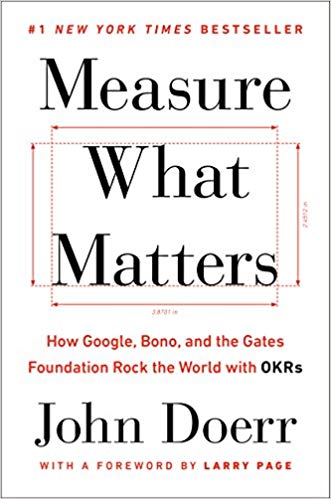
6. Measure What Matters: How Google, Bono, and the Gates Foundation Rock the World with OKRs by John Doerr (2)

7. Powerful: Building a Culture of Freedom and Responsibility by Patty McCord (2)

8. Lost and Founder: A Painfully Honest Field Guide to the Startup World by Rand Fishkin (2)

9. Imagine It Forward: Courage, Creativity, and the Power of Change by Beth Comstock with Tahl Raz (2)

10. The Billionaire Raj: A Journey Through India’s New Gilded Age by James Crabtree (2)

11. Capitalism in America: A History by Alan Greenspan and Adrian Wooldridge (2)

Here are the Best Business Books of 2018 as selected by each of the top media outlets I researched:

Inc.

  • Broad Band: The Untold Story of the Women Who Made the Internet by Claire L. Evans

  • Creative Selection: Inside Apple’s Design Process During the Golden Age of Steve Jobs by Ken Kocienda

  • Dying for a Paycheck: How Modern Management Harms Employee Health and Company Performance — and What We Can Do About It by Jeffrey Pfeffer

  • Frenemies: The Epic Disruption of the Ad Business (and Everything Else)by Ken Auletta

  • Leap: How to Thrive in a World Where Everything Can Be Copied by Howard Yu

  • Lost and Founder: A Painfully Honest Field Guide to the Startup World by Rand Fishkin

  • The Meaning Revolution: The Power of Transcendent Leadership by Fred Kofman

  • New Power: How Power Works in Our Hyperconnected World — and How to Make It Work for You by Jeremy Heimans and Henry Timms

  • Regulatory Hacking: A Playbook for Startups by Evan Burfield with J.D. Harrison

  • When: The Scientific Secrets of Perfect Timing by Daniel H. Pink

Fast Company

  • Can You Learn to Be Lucky?: Why Some People Seem to Win More Often Than Others by Karla Starr

  • My Morning Routine: How Successful People Start Every Day Inspired by Benjamin Spall and Michael Xander

  • Imagine It Forward: Courage, Creativity, and the Power of Change by Beth Comstock with Tahl Raz

  • Atomic Habits: An Easy & Proven Way to Build Good Habits & Break Bad Ones by James Clear

  • Calm Clarity: How to Use Science to Rewire Your Brain for Greater Wisdom, Fulfillment, and Joy by Due Quach

  • Wisdom at Work: The Making of a Modern Elder by Chip Conley

  • Building on Bedrock: What Sam Walton, Walt Disney, and Other Great Self-Made Entrepreneurs Can Teach Us About Building Valuable Companies by Derek Lidow

Financial Times & McKinsey

  • Bad Blood: Secrets and Lies in a Silicon Valley Startup by John Carreyrou

  • New Power: How Power Works in Our Hyperconnected World — and How to Make It Work for You by Jeremy Heimans and Henry Timms

  • The Billionaire Raj: A Journey Through India’s New Gilded Age by James Crabtree

  • Capitalism in America: A History by Alan Greenspan and Adrian Wooldridge

  • The Value of Everything: Making and Taking in the Global Economy by Mariana Mazzucato

  • Give People Money: How a Universal Basic Income Would End Poverty, Revolutionize Work, and Remake the World by Annie Lowrey

Business Insider

  • Bad Blood: Secrets and Lies in a Silicon Valley Startup by John Carreyrou

  • Imagine It Forward: Courage, Creativity, and the Power of Change by Beth Comstock with Tahl Raz

  • Principles for Navigating Big Debt Crises by Ray Dalio

  • Mastering the Market Cycle: Getting the Odds on Your Side by Howard Marks

  • Brotopia: Breaking Up the Boys’ Club of Silicon Valley by Emily Chang

  • Great at Work: How Top Performers Do Less, Work Better, and Achieve More by Morten Hansen

  • Leaders: Myth and Reality by General Stanley McChrystal, Jeff Eggers, and Jason Mangone

  • The Dichotomy of Leadership: Balancing the Challenges of Extreme Ownership to Lead and Win by Jocko Willink and Leif Babin

  • The Job: Work and Its Future in a Time of Radical Change by Ellen Ruppel Shell

  • Capitalism in America: A History by Alan Greenspan and Adrian Wooldridge

  • Powerful: Building a Culture of Freedom and Responsibility by Patty McCord

  • Saudi America: The Truth About Fracking and How It’s Changing the World by Bethany McLean

  • It Doesn’t Have to Be Crazy at Work by Jason Fried and David Heinemeier Hansson

Goodreads

  • The Culture Code: The Secrets of Highly Successful Groups by Daniel Coyle

  • Crushing It!: How Great Entrepreneurs Build Their Business and Influence-and How You Can, Too by Gary Vaynerchuk

  • Bad Blood: Secrets and Lies in a Silicon Valley Startup by John Carreyrou

  • Powerful: Building a Culture of Freedom and Responsibility by Patty McCord

  • Measure What Matters: How Google, Bono, and the Gates Foundation Rock the World with OKRs by John Doerr

  • The Myth of the Nice Girl: Achieving a Career You Love Without Becoming a Person You Hate by Fran Hauser

  • Ask a Manager: How to Navigate Clueless Colleagues, Lunch-Stealing Bosses, and the Rest of Your Life at Work by Alison Green

  • How Women Rise: Break the 12 Habits Holding You Back from Your Next Raise, Promotion, or Job by Sally Helgesen and Marshall Goldsmith

  • Lost and Founder: A Painfully Honest Field Guide to the Startup World by Rand Fishkin

  • Rebel Talent: Why It Pays to Break the Rules at Work and in Life by Francesca Gino

Recommended by Bill Gates, Barack Obama and other successful people

  • Leadership and Self-Deception: Getting Out of the Box by The Arbinger Institute (Recommended by Slack co-founder and CEO Stewart Butterfield)

  • That’s What She Said: What Men Need to Know (and Women Need to Tell Them) About Working Together by Joanne Lipman (Recommended byBillionaire investor and Dallas Mavericks owner Mark Cuban)

  • The Myth of the Nice Girl: Achieving a Career You Love Without Becoming a Person You Hate by Fran Hauser (Recommended by self-made millionaire and media mogul Arianna Huffington)

  • Leadership: In Turbulent Times by Doris Kearns Goodwin (Recommended by Salesforce co-CEO Keith Block)

  • Bad Blood: Secrets and Lies in a Silicon Valley Startup by John Carreyrou (Recommended by Billionaire philanthropist Bill Gates)

  • The Person You Mean to Be: How Good People Fight Bias by Dolly Chugh (Recommended by Wharton professor and organizational psychologist Adam Grant)

  • The New Geography of Jobs by Enrico Moretti (Recommended by Former President Barack Obama)

  • New Power: How Power Works in Our Hyperconnected World — and How to Make It Work for You by Jeremy Heimans and Henry Timms (Recommended by Virgin Group founder and billionaire Richard Branson)

Amazon

  • Bad Blood: Secrets and Lies in a Silicon Valley Startup by John Carreyrou

  • The Culture Code: The Secrets of Highly Successful Groups by Daniel Coyle

  • Skin in the Game: Hidden Asymmetries in Daily Life by Nassim Nicholas Taleb

  • Broad Band: The Untold Story of the Women Who Made the Internet by Claire L. Evans

  • The Myth of the Nice Girl: Achieving a Career You Love Without Becoming a Person You Hate by Fran Hauser

  • Measure What Matters: How Google, Bono, and the Gates Foundation Rock the World with OKRs by John Doerr

  • The Art of Gathering: How We Meet and Why It Matters by Priya Parker

  • The Billionaire Raj: A Journey Through India’s New Gilded Age by James Crabtree

  • Astroball: The New Way to Win It All by Ben Reiter

  • Dare to Lead: Brave Work. Tough Conversations. Whole Hearts. by Brené Brown

…

And finally, my personal favorite book of the past year (although it was actually published in late 2017) is Meaningful Work: A Quest to Do Great Business, Find Your Calling, and Feed Your Soul by Shawn Askinosie and Lawren Askinosie.

That book changed how I think about work and life more than anything else I read over the past year. I cannot recommend it highly enough.

I hope you all have a great year of reading ahead of you in 2019!

Andrew Merle writes about living well, including good habits for health, happiness, productivity, and success. Subscribe to his email list at andrewmerle.com.

Photo by Vitalii Pavlyshynets on Unsplash

The Eating Habits Of The Best Athletes In The World

December 16, 2018

We all want to know the secrets of the most successful people in the world.

Of course, part of their success can be attributed to natural talent, but some of their lifestyle habits and routines can be applied to the rest of us as well.

For this article, I focus on the eating habits of elite athletes.

Food affects our performance — whether in sports or business — arguably more than any other lifestyle factor.

Therefore, I sought to learn how the best athletes in the world eat, and what lessons we might be able to take away and apply to our own lives.

Here is what I found:

LeBron James

LeBron James is one of the best basketball players of all time. He has won 4 NBA league MVP Awards, 3 NBA Championships, 3 NBA Finals MVP Awards, 2 Olympic Gold Medals, and an NBA Scoring Title.

Credit: Wikipedia

LeBron discussed his daily diet while being interviewed for The Tim Ferriss Show.

For a recent game-day routine, LeBron started his day with an egg white omelet with smoked salmon, and gluten-free pancakes with berries.

For lunch, he had whole wheat pasta, salmon, and vegetables.

Right before the game, he had a peanut butter and jelly sandwich.

At halftime, he had sliced apples with almond butter on top.

Right after the game, he immediately downed a protein shake. He uses a plant-based protein powder with almond milk, along with some fruit, in the shake. He stays away from whey protein or animal products for the first hour after a game to give his body a chance to properly recover.

For dinner, LeBron had chicken parm with a rocket salad and a “beautiful” glass of cabernet (LeBron is a wine lover — especially Bordeaux and Cabernet).

In general, LeBron tries to eat organic throughout the year. And he is constantly hydrating with water, especially during the season. He specifically stays away from artificial drinks, artificial sugars, and fried foods during the season. His body is constantly in recovery mode during the season so he tries to eat as clean as possible.

Tom Brady

Tom Brady is arguably the greatest football player to ever live. The 41-year-old is still at the top of his game, having amassed 5 Super Bowl titles, 4 Super Bowl MVP Awards, and 3 NFL league MVP Awards.

Credit: Wikipedia

Brady notoriously follows a highly-disciplined diet.

On an average day, Brady drinks 20 ounces of water with electrolytes immediately upon waking. He is nearly always hydrating, drinking 12 to 25 glasses of water a day, always with electrolytes added (However, he minimizes water during meals, so as to not interfere with digestion — he stops drinking water 1/2 hour before each meal, and waits an hour after each meal for his next glass of water).

After hydrating first-thing, he will have a morning smoothie that contains blueberries, bananas, nuts, and seeds. His smoothie is nutrient-dense, high in fat, high in protein, and high in calories.

He will then get in a morning workout, followed by a protein shake with one scoop of protein powder, almond milk, and electrolytes.

Lunch for Brady is often a piece of fish, surrounded by lots of vegetables.

Brady is also often snacking throughout the day. Common snack options for him include a protein shake, protein bar, fruit (such as grapes, banana, or apple), chips and guacamole, hummus, or raw vegetables.

For dinner, he will have another nutrient-dense meal that includes a lot of vegetables.

He rarely drinks alcohol or has any type of dessert. He also does not drink coffee or tea, but sometimes will drink a cup of bone broth.

In terms of overall principles, Brady eats mostly organic, local, plant-based foods. He follows an ‘alkaline diet,’ which he says minimizes inflammation in the body. His diet is 80% made up of alkalizing foods, like Brussels sprouts, sweet potatoes, and dandelion greens (other alkalizing foods include broccoli, carrots, cucumbers, green beans, zucchini, spinach, and kale). He limits “acidifying” foods — such as white rice and bread, cold cuts, pineapples, and yogurt — to only 20 percent of his diet.

Brady eats a lot of protein (on some days he will have 3–4 scoops of protein powder), but he does not eat protein combined with carbohydrates such as potatoes or bread. Instead, he chooses to mix proteins or carbs with vegetables, which he says is optimal for digestion.

He also avoids many foods, including: Bread and pasta that contain gluten, breakfast cereal, corn, dairy, GMOs, high-fructose corn syrup, trans fats, sugar, artificial sweeteners or soy, fruit juice, grain-based foods, jams and jellies, most cooking oils, frozen dinners, salty snacks, sugary snacks, sweetened drinks, white potatoes, and prepackaged condiments like ketchup and soy sauce!

Roger Federer

Roger Federer is regarded as the greatest tennis player of all time. He has won a record 20 Grand Slam men’s singles titles and has been ranked #1 in the world for 310 weeks during his career (including 237 consecutive weeks at one point).

Credit: Wikipedia

Federer’s diet also follows a routine, but it is much less regimented than Brady’s diet.

Federer begins his day with homemade waffles with raspberry syrup, along with some cereal. He washes it down with a shot of vinegar, coffee, and freshly squeezed juice.

Two hours before every match, Federer eats pasta with light sauce — a routine he has followed for 20 years.

For dinner, it is all about variety for Federer. He loves Italian, Japanese, and Indian cuisines.

Fonduta and raclette are his favorite overall dishes. Bananas are his go-to snack.

But Federer doesn’t take his diet too seriously. He lives a healthy lifestyle, but enjoys a range of foods and sees eating as part of life’s pleasure.

He has confessed to liking ice cream and chocolate, as well as wine and champagne — and he doesn’t feel guilty about it. And when he’s not playing tennis, he splurges on biscuits, fondue, and daily desserts.

Federer has said, “For me, food and drinks and all that stuff is also a way of life to enjoy myself. It’s also part of a hobby for me. I’m not going to change it now, to be honest. I enjoy myself this way.”

Usain Bolt

Usain Bolt earned the title of ‘Fastest Man Alive,’ winning 9 Olympic Gold Medals, and holding the world record in the 100m, 200m, and 4 x 100m relay. He is widely considered the greatest sprinter of all time, dominating the sport for 3 consecutive Olympics.

Credit: Wikipedia

Bolt was not especially disciplined with his diet during his younger years. In fact, legend has it that he consumed 1000 chicken nuggets while in Beijing for the 2008 Summer Olympics.

But he needed to focus more on his nutrition in order to achieve unprecedented longevity in his sport.

As Bolt aged, he specifically paid more attention on consuming enough vegetables and protein.

A typical training day for Bolt would begin with a simple egg sandwich. Then, after a short workout in the weight room, he would have a light lunch of pasta with corned beef.

For snacks throughout the day, he would eat mangoes, pineapple, and apples. But he would eat light during the day in order to digest quickly and have enough energy for training.

His largest meal of the day would be at night, when he loaded up on vegetables like broccoli (even though he didn’t like broccoli!). He paired the veggies with foods like yams, roasted chicken, or Jamaican dumplings.

And, like all other elite athletes (especially those training in the heat), he was constantly hydrating throughout the day.

Now that Bolt is retired from sprinting, he might be consuming more of his biggest food craving: hot wings.

Sidney Crosby

Sidney Crosby is one of the best hockey players in the world. He has won 3 Stanley Cup Championships, including back-to-back titles in 2016 and 2017, as well as 2 Olympic Gold Medals.

Credit: Wikipedia

Crosby is another athlete who thinks about what he eats, without being too rigid about it.

He eats mostly organic foods that are local and sustainable. He especially loves the beautiful produce in Nova Scotia in the summer.

A typical breakfast for Crosby might include steel-cut oats, organic eggs, and locally-sourced turkey bacon. He usually has greens as well, like spinach or asparagus.

He also often has a protein smoothie with cow colostrum, blended banana, blueberries, and kale.

Similar to LeBron, Crosby’s usual pre-game meal is a peanut butter and jelly sandwich.

And like Federer, Crosby has a bit of a sweet tooth. He has said, “I like my sweets, and I like the odd cheat meal more than I should: fast food, pizza, cake, donuts, too.” He especially loves Tim Hortons’ Timbits as a special treat.

Serena Williams

Serena Williams is one of the most accomplished athletes of all time, winning 39 career Grand Slam tennis titles (23 singles, 14 doubles, 2 mixed doubles). She has been #1 in the world for 319 weeks since first achieving that ranking in 2002. She is considered by many to be the greatest female athlete ever.

Credit: Wikipedia

Serena Williams has been known to follow a strict diet, especially when training to get back on the court after the birth of her first child in 2017.

During that time, she adhered to a vegan diet and did not eat sugar. Instead she loaded up on plenty of nuts, beans, lentils, and sprouted quinoa.

During the tennis season, a typical day of eating for Serena will include a cup of oats for breakfast with strawberries, tangerines, and almond butter on top.

For lunch, she will have a salad with lettuce, spinach, mandarin oranges, cherry tomatoes, lime juice, onions, pita croutons, and sliced almonds.

She will add in some snacks throughout the day, such as a toasted Ezekiel bread sandwich with almond butter, and a beverage made of lemon juice, matcha green tea, and cinnamon.

For dinner, Serena will have a cup of brown rice with hemp and chia seeds, along with a salad with fresh veggies.

However, when Serena is on a break from tennis, she has been known to indulge in favorites such as tacos, fried chicken, beignets, pizza, and french fries.

…

There you have it — the eating habits of 6 of the greatest athletes of all time.

These athletes all focus on eating well, overall choosing healthy organic foods — predominantly vegetables, clean protein, and healthy carbs.

But they also cheat a bit too, whether it’s wine (LeBron), fondue (Federer), wings (Bolt), tacos (Serena), or donuts (Crosby). The highly-regimented Brady has also been known to splurge from time to time, even if it’s just on avocado ice cream.

These athletes are all supremely talented, and their diets help to maximize their potential.

We can all eat well to maximize our potential as well… with some dessert mixed in along the way.

Andrew Merle writes about living well, including good habits for health, happiness, productivity, and success. Subscribe to his email list at andrewmerle.com.

Photo by Maarten van den Heuvel on Unsplash

Want To Preserve Your Mind? This Is How To Eat

December 12, 2018

We all want to be as mentally sharp as possible on a daily basis, and preserve our minds as we age.

Alzheimer’s and other forms of dementia are among the most dreaded diseases, but it now appears as though we can protect our brains with simple dietary choices.

For clues about how to eat for optimal brain functioning, we can look around the world for the places with the lowest rates of cognitive decline.

…

The lowest rates of Alzheimer’s in the world are in rural India.

Out of one hundred senior citizens in rural Ballabgarh India, only about three of them on average will develop Alzheimer’s disease within the next decade. That number jumps to about 19 out of one hundred senior citizens in rural Pennsylvania.

The people in rural India eat a diet that is low in meat and high in grains, beans, and vegetables.

That is consistent with the world’s Blue Zones — the longest-lived places around the world — where people eat a 95 percent plant-based diet rich in beans, greens, grains, and nuts.

Contrast that with the United States, where people eat over 220 pounds of meat — per person — each year. Americans get only about 12% of their calories from vegetables.

Unfortunately, high saturated fat intake (from meat, dairy, and processed food) is associated with cognitive decline and memory loss. And the U.S. has the 2nd highest rate of Alzheimer’s in the world.

…

However, if you take away the meat, you might take away some of the risk.

According to Dr. Michael Greger, author of How Not To Die, “In the U.S., those who don’t eat meat (including poultry and fish) appear to cut their risk of developing dementia in half.”

And the longer meat is avoided, the lower the risk. For example, compared with people who eat meat 4 or more times per week, the dementia risk of people who have eaten vegetarian diets for at least 30 years is 3 times lower.

Unfortunately, the opposite also seems to be true. If you go from a vegetable-based diet to a meat-heavy one, the rate of cognitive decline increases.

For example, the prevalence of Alzheimer’s in Japan has shot up over the past few decades, attributed to the shift from a rice-and-vegetable-based diet to a diet featuring triple the dairy and 6 times the meat.

…

So what are some simple recommendations?

The Dietary and Lifestyle Guidelines for the Prevention of Alzheimer’s Disease now calls for vegetables, legumes (beans, peas, and lentils), fruits, and whole grains to replace meat and dairy products as primary staples of the diet.

The Mediterranean Diet, for example, follows those principles and has been associated with slower cognitive decline and lower risk of Alzheimer’s. It appears as though the high vegetable consumption and lower ratio of saturated to unsaturated fats are the critical protective factors.

If you want to have the best-of-the-best brain foods, Dr. Greger says the special antioxidant pigments in berries and dark green leafy vegetables make them the brain foods of the fruit and vegetable kingdom.

Eating just a handful of berries per day could slow your brain’s aging by more than two years.

In addition to diet, I am also a huge proponent of cardiovascular exercise (at least 30 minutes) first thing in the morning to stay mentally sharp throughout the day.

…

The advice is clear: Stay active, eat more fruits and veggies, and cut down on meat.

As Dr. Greger says, “A wholesome diet and exercise may offer your best hope for remaining sharp and healthy into your twilight years.”

Andrew Merle writes about living well, including good habits for health, happiness, productivity, and success. Subscribe to his email list at andrewmerle.com.

Comment

Credit: Pixabay

The Healthiest Wine In The World

November 20, 2018

There is conflicting information out there about the health benefits (or consequences) of wine.

Certain research shows that moderate drinkers outlive non-drinkers.

On the other hand, some research shows there is no safe level of alcohol consumption at all.

What we do know is that people in the world’s Blue Zones — the places around the world with the highest life expectancy — drink alcohol moderately and regularly (1–2 glasses per day on average; The only exception to this is the Adventists in Loma Linda, California, who do not drink at all).

In fact, Blue Zones researchers concluded that a daily dose of wine is one of the 9 most powerful lifestyle habits shared by people who’ve lived the longest.

Blue Zones centenarians serve as proof that you can consume alcohol regularly and live to 100 (and beyond).

…

Of course there are other factors associated with alcohol that could be contributing to their longevity.

It could be that their daily happy hour is a way of “downshifting” and reducing stress after a long day. We know that stress leads to chronic inflammation, which is associated with every major age-related disease, so finding ways to cope is essential for health.

Or perhaps drinking is beneficial because it brings people together with friends and family on a daily basis. We know that social relationships are vital for health as well.

Whatever the reason, a daily glass or two of wine certainly doesn’t seem to be doing them any harm.

And maybe some of their excellent health and longevity can be explained by the wine itself.

Photo by Jean-Luc Benazet on Unsplash

Resveratrol, the polyphenol found in the skin of grapes, is known to protect the body against damage that can lead to cancer, heart disease, and dementia. Red wine in general is thought to have anti-inflammatory benefits.

And there is one wine that stands above the rest for its health benefits.

The healthiest wine in the world is the robust red wine from Sardinia (one of the Blue Zones locations) called Cannonau.

Sardinians are known to drink 3 to 4 small (3-ounce) glasses of Cannonau a day on average, spread out between breakfast, lunch, dinner, and a late afternoon social hour in the village.

Cannonau wine has 2–3 times the level of flavonoids (known for their powerful antioxidant and anti-inflammatory health benefits) as other wines.

Daily consumption of this antioxidant-potent wine could explain fewer heart attacks and lower levels of stress among men in Sardinia (Sardinia has nearly 10 times more centenarians per capita than the U.S.)

If you are looking to combine your daily wine hour with a dose of health, try to find a bottle of Cannonau at your local wine shop. It is not yet well known outside of Sardinia.

If you can’t find Cannonau, other dry red wines can offer similar health benefits. Cannonau is the Sardinian name for the Grenache grape, and Grenache wines are common in most wine shops.

Credit: Wikipedia

Overall, the jury is still out on the specific health benefits of alcohol. And this information doesn’t mean you should start drinking if you are not already.

But people in the world’s Blue Zones show that you can enjoy alcohol moderately and regularly, and still make it to a happy 100.

2 Comments

Photo by Ben Garratt on Unsplash

This Is The Type Of Bread You Should Really Be Eating

November 13, 2018

I love bread.

There isn’t much better — or more satisfying — than tearing into a freshly-baked, warm loaf of bread.

Obviously I’m not alone. People have been eating bread for over 30,000 years, and it remains the most widely-consumed food in the world.

Bread is a simple delicacy.

A traditional loaf only needs 4 ingredients: Flour, yeast, water, and salt.

And yeast (as an added ingredient) is actually unnecessary with natural leavens or sourdoughs.

It’s no wonder that bread has been a reliable source of nutrition and sustenance since the earliest days.

…

But go into any grocery store these days and look at the ingredient label on a package of bread. You’ll see a lot more than those few basic ingredients.

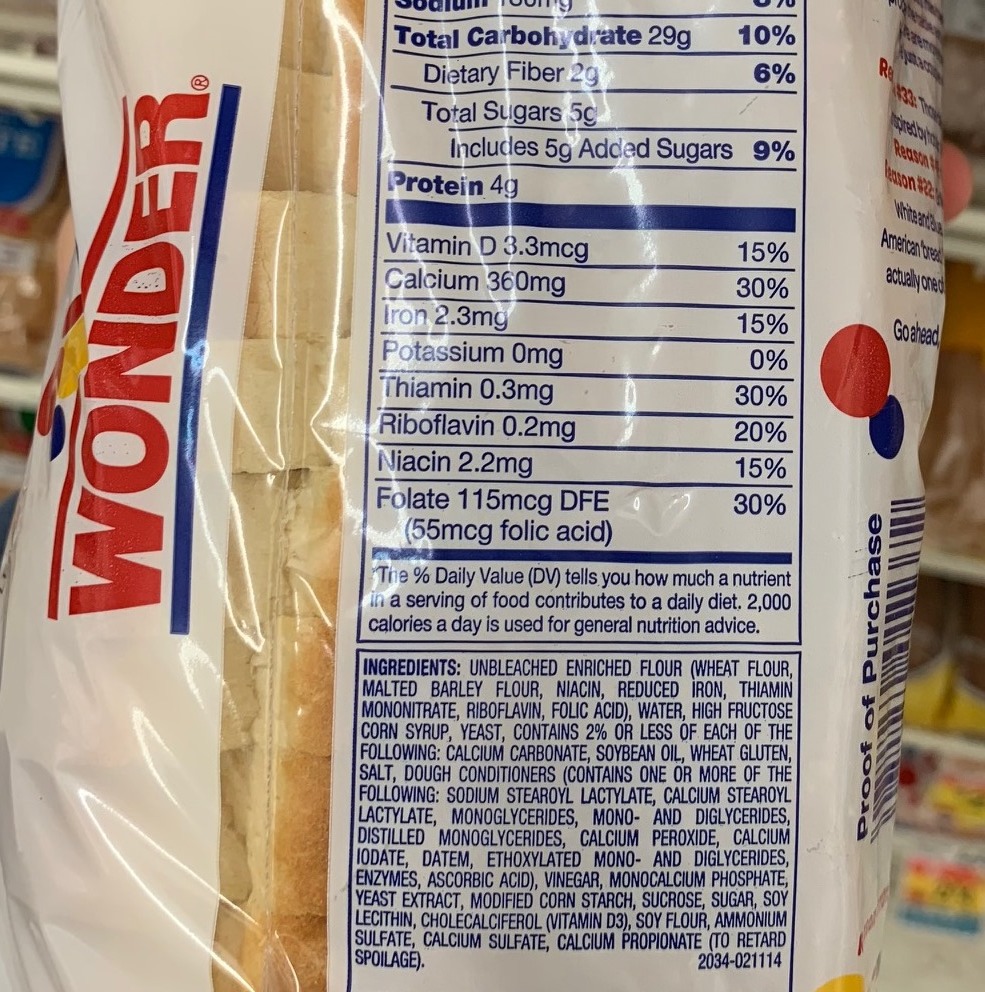
To pick on an easy target, Wonder Bread’s Classic White bread has over 30 ingredients, including things like high fructose corn syrup, monoglycerides and diglycerides, sodium stearoyl lactylate, calcium peroxide, monocalcium phosphate, modified corn starch, ammonium sulfate, and calcium propionate.

I’m not sure what all of those things are, but they don’t sound much like flour, yeast, water, and salt. And I don’t really want them in my body.

Wonder Bread Classic White Nutrition Information

It’s no surprise that Wonder Bread is remarkably white and light, stays soft and “fresh” on the shelf for weeks, and presumably is quite fast and cheap to produce.

But the use of unhealthy additives is not restricted only to the likes of Wonder Bread.

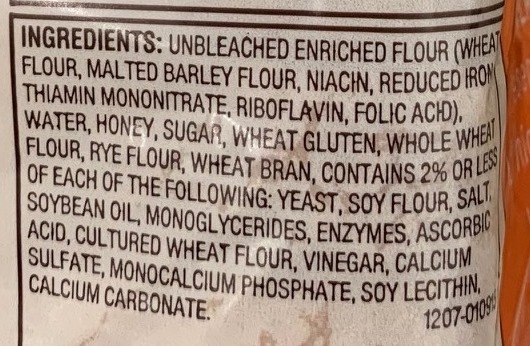
Take Nature’s Own Honey Wheat Bread, for example. You’d think this bread would be pretty good for you. After all, Nature’s Own promises no artificial preservatives, colors, or flavors, and no high fructose corn syrup.

Plenty of people seem to be buying into this promise — The Nature’s Own website says their Honey Wheat bread is the #1 selling loaf of bread in the U.S.

But look a bit deeper, and you’ll notice that in each loaf of that bread you’ll get inflammatory-fat-laden soybean oil, monoglycerides, and DATEM — a shelf-stabilizing emulsifier that is often made from artery-clogging partially hydrogenated oils.

Nature’s Own Honey Wheat Bread Ingredients

Nature’s Own shouldn’t feel so bad, though. Both the 100% Whole Wheat bread from Arnold and the 100% Whole Wheat bread from Pepperidge Farm also include soybean oil, monoglycerides, and DATEM. Buyer beware.

There is just a lot of junk in mass-produced bread these days, even in the supposed “healthy” stuff. It is affecting the way that we feel on a daily basis and impacting our long-term health.

I believe over-processing and unhealthy additives are to blame for the spike in “gluten sensitivity” in recent years, and not actually the gluten itself (excluding the small percentage of people who have Celiac disease). Gluten gets a bad rap, but we should really be looking elsewhere.

But instead of obsessing over all of the bad stuff that is put into our bread, and how it’s making us sick and tired, I’ll instead focus on the type of bread we actually should be eating.

…

For starters, aim to get as close to the original recipe for bread as possible. If you can find bread with only the four original ingredients (flour, yeast, water, salt) — or close to it — you’re well on your way.

If you can buy that bread from the person who actually baked it (and can tell you how they baked it), that’s even better.

Photo by Drew Coffman on Unsplash

But you also want to make sure that the flour used has not been bleached, refined, or “enriched” — which is typical in most commercial bread today — otherwise the nutrition content has already been stripped out. Enriched white flour causes your blood sugar to spike, and can lead to weight gain and a range of diet-related diseases.

On the other hand, true whole grains (those not bleached, refined, or enriched) are nutrient-dense, keep you full longer, and have a milder effect on blood sugar.

We know that whole grains are healthier than white flour, but we also know that the front of bread packaging cannot be trusted. Words like multigrain, whole grain, and whole wheat show up on nearly every package of bread these days, and it is very misleading.

Instead, you need to look on the back of the label and perform some basic math to ensure you are really getting whole grains without the additives.

Specifically, look at the label and make sure the serving size ratio of carbs to fiber is equal to or less than 5-to-1 (for example, if you divided 15 grams of carbs by 3 grams of fiber, that would equal 5 and would be acceptable). Authentic whole grain bread is naturally high in fiber because the wheat germ and bran are still included.

Following the 5-to-1 rule is the way to buy healthy bread, according to Dr. Michael Greger, author of the groundbreaking book How Not To Die.

…

I am a big fan of the Ezekiel 4:9 sprouted whole grain bread from the Food For Life brand. The low sodium version of that bread is arguably the healthiest bread in the grocery store.

With 15 grams of carbs and 3 grams of fiber, Ezekiel 4:9 bread passes the health test. The science on the potential benefits of sprouted grains is still in its early stages, but available data points to many health benefits.

Ezekiel 4:9 is one of the healthiest bread options in the grocery store

Mack’s Flax bread from Silver Hills Bakery is another tasty and approved option (18g Carbs, 5g Fiber, 3.6 ratio).

Eating just 3 portions of whole grains a day (equivalent to 3 slices of the above approved breads) appears to be as powerful as high blood pressure medications in alleviating hypertension.

Just 3 portions of whole grains have been shown to reduce the risk of getting a heart attack by 15%, and the risk of getting a stroke by about 25%.

In case you are wondering, none of the “offending” breads mentioned in the previous section pass the 5-to-1 test. Wonder Bread Classic White (29g Carbs, 2g Fiber, 14.5 ratio), Nature’s Own Honey Wheat (14g Carbs, less than 1g Fiber, 14 ratio), Pepperidge Farm 100% Whole Wheat (23g Carbs, 3g Fiber, 7.6 ratio), and Arnold 100% Whole Wheat (22g Carbs, 3g Fiber, 7.3 ratio) all clock in with more than a 7-to-1 ratio of carbs to dietary fiber. Some are better than others, but all should be avoided in favor of healthier options.

I choose to eat my Ezekiel 4:9 morning toast with olive oil, which has also been shown to have a range of health benefits.

…

Another option for healthy bread is to do as the Ikarians do.

You may have heard that Ikaria, Greece is one of the world’s Blue Zones — the places around the world with the highest life expectancy. Ikaria has been called the island where people forget to die. Residents of Ikaria stay healthy into their 90s and 100s with very little risk of Alzheimer’s, dementia, or any other diseases of old age.

Ikarians eat true sourdough bread that does not contain bakers yeast. Instead, their sourdough bread utilizes a lactobacilli (a beneficial strain of naturally-occurring bacteria) based starter culture, which “digests” the starches and glutens while making the bread rise. This process creates an acid that gives sourdough its slightly sour taste. The resulting bread actually has less gluten than even breads labeled “gluten free,” and has a naturally longer shelf life. True sourdough bread is slow-burning and nutrient-rich.

However, most “sourdough” breads found in stores are actually fakes, containing yeast and/or a sweetener. Go to your local bakery or grocery store and ask how they make their sourdough to ensure you get the real thing (made from real sourdough starter instead of yeast). Or bake your own Ikarian-style sourdough bread using this Blue Zones recipe.

…

The bottom line is that bread can play an important role in your diet, but you have to pay close attention and select wisely.

Photo by Liene Vitamante on Unsplash

Choose bread with the fewest number of ingredients (ideally baked fresh, locally).

Make sure you are getting nutrient-dense 100% whole grain bread by following the 5-to-1 carbs-to-fiber rule.

Or opt for true sourdough bread like the centenarians in Ikaria eat.

Follow these simple rules and you can continue enjoying all of the pleasures of bread without the negative health consequences.

Andrew Merle writes about living well, including good habits for health, happiness, productivity, and success. Subscribe to his email list at andrewmerle.com.

4 Comments

Credit: Zack Minor on Unsplash

Walking Can Save Your Life

November 5, 2018

I am a huge proponent of exercise.

I often write about the mental and physical benefits of exercise, and believe my morning running habit has changed my life and career more than anything else.

But I also realize that exercise doesn’t appeal to everyone, and it isn’t always enjoyable in the moment. An exercise habit is also very hard to get started, especially if you haven’t been active in a while.

If you have been living a sedentary lifestyle, a 30-minute run probably seems out of the realm of possibility, let alone joining a SoulCycle class or Barry’s Bootcamp. I totally get it.

But you don’t need to do high intensity interval training or push your body to the limits to see the benefits of exercise.

Walking — an activity that is available to nearly everyone — produces remarkable health benefits.

Even if you haven’t exercised in a while, it is still pretty easy to get up and go for a walk. No heavy weights or judgmental gym instructors required.

It turns out that the simple act of walking is the best thing we can do to improve our overall health and increase longevity.

Following the recommended exercise guidelines — which call for just 150 minutes of moderate-intensity activity (equal to a brisk walk, at a pace of 3 miles per hour) per week — has been shown to lower the risk of death by 31% compared to people who get no leisure-time activity.

That means walking for just 30 minutes per day, 5 times per week, can slash your risk of dying by nearly a third. Going up to 1 hour of walking per day (7 days a week) drops the risk of death by 39%.

If that seems like a lot of activity right out of the gates, even very low levels of walking can help you live longer. Just 2 hours of walking per week — equivalent to around 17 minutes per day — has been shown to lower the risk of premature death.

Walking also reduces the risk of numerous diseases, including breast cancer, colon cancer, heart disease, high blood pressure, and diabetes.

But walking doesn’t only help stave off disease and help you live longer. Walking also helps you live better.

Walking has been shown to improve memory and cognitive function. In fact, a daily walk could cut the risk of developing dementia by 40%. Walking also lowers stress and improves mood.

So you can expect to be mentally sharp and happy during your extra years.

If the above benefits aren’t enough to get you out the door, consider also that walking is free (other than a pair of sneakers), can be done pretty much anywhere, and has one of the lowest injury rates of any form of exercise.

The bottom line is our bodies were made to move, and walking is the easiest form of movement.

If you want to live longer and better, make a habit of going out for a daily walk.

Andrew Merle writes about living well, including good habits for health, happiness, productivity, and success. Subscribe to his email list at andrewmerle.com.
Comment

Photo by Jan Kahánek on Unsplash

A Daily and Weekly Checklist for a Better Life

October 28, 2018

Some actions yield significantly higher returns than others.

There are 5 things you can do on a daily basis, and another 5 things to do on a weekly basis, that will dramatically improve your life.

When I say improve your life, I mean help you make the most of each day, and live a longer and more fulfilling life.

Here is a daily and weekly checklist for a better life:

Daily Checklist

  1. 30 Minutes of Moderate Exercise

Taking just 30 minutes per day to move your body — which equates to only 3% of your waking hours — will produce profound mental and physical benefits.

You will be mentally sharper, less anxious, and have a more optimistic outlook on life. You’ll lose weight, look better, and reduce your risk of numerous diseases.

Moderate exercise can be as simple as brisk walking. A daily walk has been shown to reduce the risk of dementia by 40%, and walking even as little as two hours per week could help you live longer.

If you find walking painful, then it might be worth checking in with your doctor to see if you need orthotics. Check out The Good Feet Store Reviews to find the right type of support for your feet.

Other examples of moderate exercise include biking, jogging, hiking, swimming, or even yard work. It really doesn’t matter what the activity is as long as you get your body moving and heart pumping.

A good rule of thumb is that you should sweat from exercise at least once per day.

2. 10 Minutes of Meditation

Meditation is another daily habit that works wonders for your mind and body.

Meditation has been proven to lower blood pressure, reduce stress and anxiety, increase focus, and strengthen your memory.

And while the benefits of meditation accumulate over time, you can see dramatic results with just a 10-minute practice per day.

There are numerous highly-regarded apps to help guide you through the process. Check out Headspace, Calm, 10% Happier, or Insight Timer.

3. 10+ Minutes of Reading/Learning

In our rapidly-changing world, it is more important than ever to be continuously learning. It is also highly fulfilling to be a lifelong learner.

It is no surprise that reading is a common habit among the world’s most productive and successful people.

Devote at least 10 minutes per day to reading or some other form of learning (this could be an audio book, podcast, TED talk, etc.).

Cultivating this practice will expand your mind, deepen your interests, and make you more interesting at cocktail parties. You don’t need to read for hours on end, but make sure to turn the page every day.

4. 5+ Servings of Fruits and Vegetables

I have read numerous books about the ultimate human diet, and the science is very clear on one point: a whole-food, plant-based diet is best. Every great diet revolves around fruits and vegetables.

Eating mostly fruits and vegetables is arguably the most important thing you can do for your health and longevity.

Eating 5 servings of fruits and vegetables a day has been shown to add an extra 3 years of life expectancy.

But more is even better.

Eating at least 7 portions of fruit and veggies a day can lower your risk of premature death by 42%. Going up to 10 servings a day is associated with double-digit percentage decreases in the risks for heart disease, stroke, cardiovascular disease, cancer, and premature deaths.

5. 8 Hours of Sleep

As much as I hate to admit it, sleep is essential for health and vitality.

Adequate sleep makes you happier, improves learning and memory, and prevents against diseases like Alzheimers and other forms of dementia.

We need to be getting about 8 hours of sleep per night. Anything less won’t cut it.

If you want to establish a healthy relationship with sleep, here is a toolkit for a great night’s sleep.

Weekly Checklist

1. 45 Minutes of Vigorous Exercise

While a moderate daily exercise routine is essential as a foundation, it is also important to turn it up a notch on a weekly basis.

Aim to get up to at least 70% of your maximum heart rate for at least 45 minutes. You can work up to this intensity over time.

These high-intensity workouts have been proven to boost happiness and your ability to focus, while strengthening your heart and cardiovascular system.

Examples of vigorous exercise including running, swimming laps, biking uphill, singles tennis or squash, soccer, basketball, circuit weight training, and various other group or individual fitness activities.

This weekly workout can replace one of your daily moderate exercise sessions.

2. 30 Minutes of Yoga

A weekly yoga practice will help to reduce stress, challenge the brain, and increase your flexibility.

Yoga has also been proven to reduce inflammation, improve heart health, enhance sleep, and build strength.

You don’t need to practice yoga every day to see these benefits, but it should be a part of your weekly routine.

3. Attend Faith-Based Services

Practicing your faith or religion helps connect you with like-minded people, creates a sense of community, and focuses you on something bigger than yourself.

Research shows that attending faith-based services once a week adds 4–14 years of life expectancy.

This holds true regardless of the faith you practice.

If you do not connect with any religion, try joining a club that aligns with your interests instead. Joining a group that meets even once a month has been shown to produce the same happiness boost as doubling your income.

This could be a book club, walking club, wine tasting club, sports club, or anything else that is meaningful for you.

4. Volunteer or Give Back

Volunteering (or some other form of giving back) enables you to make a difference in other peoples’ lives, and it makes you feel better about yourself at the same time.

The world is in need of your skills, time, and resources. So find a cause that is important to you and pay it forward on a weekly basis, whether that means helping people access Sokolove Law about their mesothelioma illness, volunteering to walk animals at a shelter or donating money to the local school.

Volunteering or donating money has been shown to make people happier and more financially successful as well.

If you feel strapped for time, then keep it simple. Even buying a coffee for someone behind you in line at Starbucks will brighten the day.

Giving back — with your time or money — provides meaning in your life, and it is simply the right thing to do.

5. Make Social Plans

Social relationships are the number 1 predictor of overall happiness in life.

Strong relationships are vital for health, productivity, career success, and overall well-being.

While it would be ideal to socialize for 6 hours each day, it is far more manageable to commit to one social outing per week.

Many of the above daily and weekly habits can be done with others in a social setting, so that’s a great place to start.

You could also consider arranging a weekly happy hour with friends or get your neighbors together for a potluck dinner.

Additional Tips

When it comes to living a better life, finding effective ways to take better care of your overall health is key, especially when dealing with specific, persistent complaints. For example, if you routinely find yourself dealing with shingles, then you may want to begin to research different home remedies for shingles. This way, you can deal with the issues as soon as they arise, before they begin to cause any discomfort or pain. Holistic approaches are often key in cases like this!

Additionally, it's beneficial to embrace a proactive approach in managing any chronic conditions you may have. For instance, seeking outpatient treatment for bipolar disorder can provide structured support without the need for hospitalization. Alongside these specific treatments, embrace flexibility in your daily schedule. For instance, if your energy peaks in the morning, tackle the most challenging tasks first. If you're a night owl, reserve evenings for creativity or relaxation. By aligning your tasks with your natural rhythms, you can optimize productivity and ensure that your self-care practices, including those for mental health, are as effective as possible.

…

There you have it — daily and weekly habits that are practical and actionable to improve your life.

Use these checklists to plan your days and your weeks.

If you build in these items before you plan anything else, you will be way ahead of the game.

You will be maximizing your days and adding years to your life. And you’ll have fun doing it.

Live by this daily and weekly checklist and you will live a better life.

Andrew Merle writes about living well, including good habits for health, happiness, productivity, and success. Subscribe to his email list at andrewmerle.com.
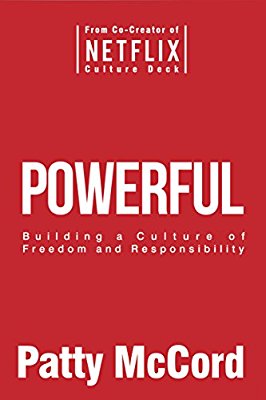
1 Comment

Photo by Jay Wennington on Unsplash

We Are Feeding Our Kids Known Carcinogens

October 17, 2018

We know that smoking is bad for us.

Smoking has clearly been proven to cause cancer (and many other diseases), and therefore a health-warning label is required to appear on every pack of cigarettes. It has been that way for over 50 years.

Alcohol, too, is a known carcinogen. Alcohol bottles must also bear health-warning labels, and it has become common knowledge that excessive drinking causes health problems.

Of course cigarettes and alcohol can only legally be purchased and consumed by adults.

But there is another known carcinogen that many people consume every day and feed to their children.

In fact, there are over 100 known human carcinogens.

But only a few of these are related to diet and lifestyle (most are chemicals in the environment and other exposures).

…

If there was something you were doing every day that was known to cause cancer, wouldn’t you want to know about it?

Perhaps, like cigarettes and alcohol, some people would choose to do it anyway.

If you knew something caused cancer, would you give it to your kids? Probably not, just like you wouldn’t want to expose them to toxic chemicals.

But there is a high probability that you are regularly eating a cancer-causing food, and putting it on your kids’ plates, too.

That cancer-causing food is processed meat.

The International Agency for Research on Cancer (the cancer agency of the World Health Organization) has classified processed meat as a carcinogen, something that causes cancer. That means that processed meat is a Group 1 carcinogen, in the same class as asbestos and tobacco.

Red meat is classified as a probable carcinogen (Group 2A), something that probably causes cancer.

Processed meat includes hot dogs, ham, bacon, sausage, and some deli meats. Any meat that has been treated in some way to preserve or flavor it is processed meat (e.g. salting, curing, fermenting, smoking). Red meat includes beef, pork, lamb, and goat.

This finding was reached by 22 experts from 10 countries who reviewed more than 800 studies to reach their conclusions.

Rock-solid proof.

Eating just one hot dog or 4 strips of bacon every day leads to a double-digit increase in colorectal cancer risk, and for red meat there is evidence of increased risk of colorectal, pancreatic, and prostate cancer.

…

We are 100% certain that processed meat causes cancer.

About 34,000 cancer deaths per year worldwide are attributable to diets high in processed meat.

And although eating red meat has not yet been proven to cause cancer, if the reported associations were proven to be causal, diets high in red meat could be responsible for 50,000 cancer deaths per year worldwide.

Those numbers don’t even include the other negative health outcomes caused by eating processed and red meat, such as high blood pressure and heart and cardiovascular disease.

…

You may think that bacon is one of the joys of life, and still choose to eat it and serve it to your kids, but you should at least know about the risks.

Although these findings are several years old, most people have no idea that processed meat causes cancer. They grew up with hot dogs and cold cuts, and therefore give those foods to their kids as well.

Yes, the occasional hot dog or hamburger is probably okay, just like the occasional cigarette or martini won’t kill you.

But if the risks of tobacco and alcohol are widely known — and those products are required to display health warnings — then processed meat should be held to the same standard.

Processed meat is known to cause cancer.

Every package of processed meat should display that fact.

It is inexcusable that millions of pounds of processed meat are eaten every year (the average American eats nearly 18 pounds of bacon alone per year), and served to our kids, without the health risks being front and center.

Perhaps many people would make the same food choices anyway.

But I know I’ll think twice before I give my kids another hot dog, and I certainly won’t make a habit of giving them processed and red meat.

I wouldn’t encourage my kids to take up smoking, and I won’t steer them into a meat-based diet, either.

1 Comment

Photo by rawpixel on Unsplash

Your Phone Is A Stress Machine

October 1, 2018

How many times per day do you check your phone?

If you are like the average American, that number hovers around 80 times per day.

Or if you’re a millennial, it might be a staggering 150 times per day!

Chances are you instinctively grab your phone when waiting in line at Starbucks, when bored in a meeting at work, and probably even when you’re stopped at a red light.

It is likely that you check your phone first thing in the morning (61% of people do) and last thing before bed (75% of people bring their phone to bed).

Although you might not want to admit it, you could be on your phone for over three and a half hours per day (the average for US adults), which adds up to more than 50 days per year!

The reality is that the average person checks their email 15 times per day, and workers spend 6.3 hours a day checking and responding to emails.

What is this addiction to our phone — and constantly being connected — doing to us?

It making us seriously stressed out.

Nearly one-fifth of Americans say their use of technology stresses them out, and stress levels run highest for “constant checkers.”

Additionally, constant checkers feel disconnected from their family — even when they are together — as a result of technology, and are less likely to meet up in person with friends and family because of social media.

Research shows that people who frequently check their email are more stressed than those who check less often. The effects are worst for people who check email constantly after work hours.

We also know that excessive social media use causes stress, and contributes to lower levels of happiness and wellbeing.

Technology use is a controllable source of stress. And it is wreaking havoc on our health.

Stress leads to chronic inflammation, associated with every major age-related disease in the world.

Your phone — filled with all of your email and social media scrolling — is a verifiable stress-inducing machine.

We need to gain control over our technology if we want gain control of our health and wellbeing.

If you are ready to make a change — and take control of your devices — here are a few rules to live by:

  • Do not check email immediately upon waking or last thing before bed. This approach is championed by Tim Ferriss who says that email first thing derails your priorities for the day and email right before sleeping gives you insomnia. Putting this into practice has been a life-changer for me.

  • Schedule 2–3 blocks per day for email, instead of constantly reading and responding as new messages come in.

  • Never reach for your phone while driving or stopped in traffic. If necessary, pull over to set your navigation or respond to a message.

  • Try leaving your phone in your pocket the next time you are waiting in line. Look around you and see what you notice when you aren’t buried in your phone.

  • Leave your phone in your pocket the next time you meet up with a friend. This will work wonders for your relationships. If need be, excuse yourself to take a call that requires immediate attention.

  • Unplug after work hours. I personally go offline for 12 hours each day — from about 8pm — 8am. I also try to avoid email and social media for one full day each weekend. Keeping this schedule enables me to ‘down shift’ and prioritize my family and my health.

You don’t need to tackle all of these right away. Start with just 1–2 of these habits and see what happens to your stress levels and general wellbeing.

Once you start seeing the benefits, maybe you’ll go phone-free more often.

There is no way to truly experience life if you are head-down in your phone.

It’s time to put the phone down and start living.

Andrew Merle writes about living well, including good habits for happiness, health, productivity, and success. Subscribe to his email list at andrewmerle.com.

5 Comments

Photo by Brooke Lark on Unsplash

What You Should Really Be Eating, In Plain and Simple Terms

September 24, 2018

There is so much conflicting information out there about what you should be eating.

Dietary guidelines and best practices have changed drastically over the years, and it has become very hard to know who to trust.

Therefore I have studied this topic at length over the last several years, poring over books, scientific studies, and learning from the true experts in the field.

This is a very worthy endeavor — according to some reports, nutritional excellence has the power to virtually eliminate your risk of heart attack and stroke, as well as significantly reduce your risk of a variety of cancers.

After extensive research into the ultimate human diet, the science has become very clear on one point:

A whole-food, plant-based diet is best. Every great diet revolves around fruits and vegetables.

The most fundamental and understandable guidelines are set forth in the Harvard Healthy Eating Plate (the official dietary advice from Harvard doctors and medical professors), specifically:

Ensure at least 1/2 of your plate is vegetables and fruit

At least 50% of your food intake should be fruits and vegetables. However, less than 14 percent of Americans eat enough fruits and vegetables every day.

Eating mostly fruits and vegetables is arguably the most important thing you can do for your health and longevity.

According to research from the American Journal of Clinical Nutrition, eating 5 servings of fruits and vegetables a day has been shown to add an extra 3 years of life expectancy.

But more is even better. Eating at least 7 portions of fruit and veggies a day can lower your risk of premature death by 42%. Going up to 10 servings a day is associated with double-digit percentage decreases in the risks for heart disease, stroke, cardiovascular disease, cancer, and premature deaths.

Choose organic, seasonal, and local vegetables whenever possible (reference the Dirty Dozen & Clean 15 list when deciding to buy organic or not). Include both cooked and uncooked vegetables, and aim for a variety of colors, from dark green to bright yellow and orange.

Fill your shopping cart with these detoxifying plants: Cilantro, cauliflower, broccoli, cabbage, kale, radishes, brussels sprouts, turnips, watercress, kohlrabi, rutabaga, arugula, horseradish, maca, rapini, daikon, wasabi, bok choy, artichoke hearts, beets, dandelions, mushrooms, onions, garlic, ginger, and seaweed.

Dark leafy greens are the king of the vegetable kingdom in terms of nutrient-density. White potatoes should be minimized because of their high glycemic index.

Berries top the nutrition chart among fruits, but all kinds of fruit are great. Just make sure to choose whole fruits over fruit juices (which have been stripped of nutrition content).

Make whole grains 1/4 of your plate

Whole grains — including whole wheat, barley, wheat berries, quinoa, oats, brown rice, and whole wheat bread and pasta — are more nutrient-dense and have a milder effect on blood sugar than white bread, white rice, and other refined grains.

When selecting bread, look for 100% whole wheat, sprouted grain, whole grain rye, pumpernickel, and true sourdough bread. Look at the label and make sure the serving size ratio of carbs to fiber is equal to or less than 5-to-1 (for example, if you divided 15 grams of carbs by 3 grams of fiber, that would equal 5 and would be acceptable). I am a fan of the sprouted Ezekiel bread from the Food for Life brand.

Oatmeal is a great breakfast choice to get your day started with whole grains (top it off with ground flax seed, nuts, and mixed berries for even more nutrition).

Make protein 1/4 of your plate

Beans and nuts are great plant-based sources of protein, so it is best to start there. Small amounts of carefully-selected fish, chicken, and meat are also acceptable. Animal protein can play a role in your diet, but as a condiment (2–3 ounces, a few nights per week), not the main course.

When selecting fish, go for wild caught (not farmed) SMASH fish (salmon, mackerel, anchovies, sardines, herring) over large-mouthed, long-lived fish (shark, swordfish, tuna). And if you eat poultry or meat, make sure to get pastured chicken or grass-fed beef. Eggs should also be from chickens that are pastured, not factory raised.

Stay away from processed meats such as bacon, sausage, hot dogs, and cold cuts.

Eat healthy plant oils in moderation

Choose healthier oils such as olive, MCT, canola, soy, corn, sunflower, and peanut, and stay away from partially hydrogenated oils which contain unhealthy trans fat.

Include other good fats such as avocados, nuts, and seeds.

Drink water, coffee, green tea, and red wine

Avoid sugary drinks (soda, boxed juices) and limit milk/dairy (1–2 servings per day). Limit wine consumption to no more than 1–2 glasses (5 oz.) per day (max of one glass per day for women, two for men).

…

If you are following the above guidelines, there will be very little room for unhealthy foods such as salty snacks (chips, crackers) and packaged sweets (cookies, candy bars, cakes).

If you are looking for a cheat sheet grocery list, the best longevity foods are (according to The Blue Zones research of centenarians around the world):

  • Beans (black beans, pinto beans, garbanzo beans, black-eyed peas, lentils)

  • Greens (spinach, kale, chards, beet tops, fennel tops, collards)

  • Sweet Potatoes

  • Nuts (almonds, peanuts, walnuts, sunflower seeds, Brazil nuts, cashews)

  • Olive Oil (green, extra-virgin is best)

  • Oats (slow-cook or Irish steel-cut are best)

  • Barley

  • Fruits (all kinds)

  • Green or Herbal teas

  • Turmeric (spice or tea)

Blue Zones area centenarians eat a 95% plant-based diet rich in beans, greens, grains and nuts.

If you base your diet around these foods, you just might make it to 100 as well!

Andrew Merle writes about living well, including good habits for happiness, health, productivity, and success. Subscribe to his email list at andrewmerle.com.

Tags health, Wellness, Nutrition
Comment

Photo by Aziz Acharki on Unsplash

Stop Thinking About What's Next and Start Participating in the World Around You

September 17, 2018

We are often so focused on what’s next — getting a promotion, a new house, a bigger car.

After one achievement, we’re already thinking about the next one.

Our life becomes one big accumulation of achievements, in our relentless drive to succeed.

But the problem with that is, while we are racking up these ‘wins’, we aren’t really participating in the world around us.

When we are always thinking about what’s next — and tangible signs of success — we are not engaging in the life that we are living right now.

We only have so much time on this earth, and there is no way of knowing exactly how much time we have.

The reality is that each moment, week, and year of your life is precious. And finite.

If you are living today thinking about what you can achieve tomorrow, your daily life will never be fulfilling.

Setting goals and driving toward them is good, but not when it comes at the expense of enjoying the life that you have right now.

We need to think more about making today’s life as great as possible, instead of charging as fast as possible into tomorrow. You don’t know how many tomorrows you’ll have.

And when your time does run out, your personal achievements won’t do you much good.

If you want to make the most of each day you do have, here are some good places to start:

Prioritize family and friends over work

At the end of their life, nobody wishes they had worked more.

It turns out social connection is the greatest predictor of overall life happiness, and also vital to our health.

Add more socialization into your life by developing regular social rituals such as impromptu happy hours, pot lucks, or backyard barbecues. Set a weekly dinner and invite your extended family. Live close to your friends or make friends with your neighbors.

Choose social experiences over material things

Research shows that experiences bring people more happiness than material goods.

Instead of buying a new shirt or watch, or even a new car, opt for social experiences instead. For example, a dinner out on the town, sports or concert tickets, a vacation, theater or museum tickets, a cooking class, or a wine tasting.

Join a club that aligns with your interests and passions

Research has shown that joining a group that meets even once a month produces the same happiness boost as doubling your income.

This could be a book club, walking club, wine tasting club, faith-based club, sports club, or anything else that is meaningful for you. Prioritize clubs that have members similar to you in age, values, and interests in order to make new friends.

Choose a job that puts your talents to good use and enables you to make a meaningful difference

Work should be something you look forward to, rather than something you dread. Make sure you believe in the overall mission of your employer, and that you can make a meaningful contribution toward that mission.

You should also aim to develop at least one true friendship at work. Research shows that having a best friend at work is the biggest determinant of whether you like your job.

Unplug after work hours

You will never gain perspective or fully experience life if you are constantly buried in email or scrolling through social media. I personally go offline for 12 hours each day — from about 8pm — 8am. I also try to avoid email and social media for one full day each weekend.

Keeping this schedule enables me to prioritize my family and my health. I have found that balancing my online and offline time helps me to achieve balance in my life overall.

Spend Time Outside

It is all too common to spend most of our days inside and in front of a computer screen. Getting outside and connecting with nature is a powerful way to clear your mind and reduce stress. Increasing your time outside (which could be as simple as taking a walk) will likely do wonders for your mood and outlook on life.

Volunteer your time to help people who have less than you

Volunteering has been shown to boost your health and happiness, while helping those in need.

In general, focus on giving to others instead of accumulating things for yourself. Donate to charity, be the first to pick up the check, and overtip at the end of your meal.

Practice your faith

Research shows that attending faith-based services 4 times per month will add 4–14 years of life expectancy. This holds true regardless of the faith you practice.

Add a daily dose of humor

Tell a joke, read the comics, watch a funny TV show, or go to a Comedy club. In fact, the simple act of smiling reduces stress and increases happiness, even if you’re faking or forcing the smile.

…

Achievement is good, but making the most of each day is even better.

Truly experiencing life is the best achievement of all.

Stop thinking about what’s next, and start living for today.

Hopefully the above principles and habits will help you along that path.

Andrew Merle writes about living well, including good habits for happiness, health, productivity, and success. Subscribe to his email list at andrewmerle.com.

Comment

Exercise Will Make Your Kids Smarter

August 30, 2018

We know that exercise is good for the body, but how about the brain?

And more specifically, does physical activity help children learn better?

The latest science reveals the effects of movement on children’s brains, and shows that exercise can be a powerful tool for learning.

We have known for a while that children with good cardiovascular fitness have better cognitive function, memory, and ability to focus.

But what we haven’t been certain about is causality — Is exercise increasing memory and attention span, or is it that children who have good memory and attention like to exercise?

Over the last five years, an increasing body of evidence proves that the answer is the former: Exercise improves memory and learning.

The latest findings could have huge implications for kids’ study habits and school curriculums (not to mention the routines of adult workers).

Here is what some of the studies show:

Exercise after learning improves retention

This study revealed that people who exercised 4 hours after a memory test (the test involved seeing and remembering very detailed pictures) had better retention 24 hours after the test. The results indicate that exercise affects the process by which memories are consolidated (transferred from short-term to long-term memory).

Even short bursts of exercise improve the ability to focus

This study showed that as little as 4 minutes of intense in-class exercise (called “FUNtervals”) increased the ability to focus among 9–11 year olds.

Even a single “dose” of exercise boosts learning

This study revealed that 20 minutes of fast walking (60% of max heart rate) on a treadmill increased reading comprehension in 10-year-old children. The learning benefits have been especially profound for children with ADHD.

Exercise Increases Motor Skills Learning

This study showed that as little as a single 15-minute bout of cardiovascular exercise increased brain connectivity and efficiency. Just 15 minutes of aerobic exercise on a bike immediately after practicing a complex motor skills task (a “pinch test”) resulted in improved performance at the task 24 hours after learning it.

Physically active children are less depressed

This study revealed that the risk of depression is reduced for physically active children. This is especially relevant in today’s society, as the number of children and teenagers seeking help for depression and anxiety is on the rise in most western countries.

Data on when to exercise has not been consistent — in some of the research, it has been better to exercise during learning (“reading on a treadmill”), whereas in other studies exercising before or after learning is better. Future studies will likely bring clarity to the optimal timing, but the important thing is to know that exercise enhances learning.

For me personally, I swear by my morning run because it makes me sharper mentally all day long. There is no doubt that running in the morning makes me better at work throughout the day — I think more clearly and overall have a more optimistic outlook on work and life. Many of today’s top business leaders and entrepreneurs also include exercise as a key component of their morning routine.

The impact of exercise on the brain is expertly detailed in the book The Real Happy Pill by Anders Hansen, a physician and psychiatry specialist from the Karolinska Institute in Sweden. The best-selling book has sparked a discussion about how exercise can be used as a tool for learning, and has caused the Swedish government to investigate whether schools should change their curriculum on a national level.

Many Swedish schools have already started to incorporate more exercise for children, often building in physical activity for 20–30 minutes before classes start for the day. The participating schools have reported that children are calmer, more focused, and better able to learn as a result of the morning exercise.

The effects of exercise on learning have perhaps been downplayed because we often associate kids’ exercise with sports. Additionally, exercise has not been as easy to commercialize as pharmaceuticals or supplements. If these results had been obtained from a food supplement, just imagine how heavily marketed that pill would be!

It is time to expand our view of exercise for children. Exercise for kids goes far beyond what happens at the gym, or while running, or playing football.

For children, exercise can be walking or riding a bike to school instead of being driven in a car.

We should restrict access to cell phones and computers during some parts of the school day, so kids will go outside and play instead of staring into a screen.

For adults, “exercise” can be as simple as always walking up the stairs instead of taking the elevator. Even a daily walk can be great medicine for the mind — reducing the risk of dementia by as much as 40%.

The small stuff makes a big difference.

If you don’t do it for yourself, at least do it for your kids.

If the latest science is any indication, exercise as a tool for learning will gain significant attention in the years to come.

The results are too powerful to ignore.

If you want your kids to be smarter, send them outside to play.

Andrew Merle writes about living well, including good habits for happiness, health, productivity, and success. Subscribe to his email list at andrewmerle.com.

Comment

Photo by Willian West on Unsplash

5 Wonders of the World That Will Inspire You

July 26, 2018

We now know that experiences bring people more happiness than material goods.

And there are simply some experiences that will blow your mind more than others. 

If you are putting together a travel bucket list, consider adding the true Wonders of the World that will inspire you and make you feel alive. 

Of course when we think about the Wonders of the World, there can be many different things that come to mind.

Even if you google it, the idea of the Wonders of the World has been broken up into numerous categories: Ancient, old, natural, man-made, modern, etc.

There isn’t truly a definitive list, at this stage in human history.

However, they’re called “Wonders” for a reason, which is that each one represents something truly spectacular in human achievement, natural phenomenon, or simply beauty.

In this sense - that something is so extraordinary as to be called a “Wonder” - there is not necessarily much difference between the Great Barrier Reef, the Parthenon, and the Large Hadron Collider.

Altogether the whole concept is a testament to how impressive our world, and the human race that has long inhabited it, truly is.

But even if there’s a sort of unique indescribable quality that ties all of the Wonders together, there are some that are more inspiring than others.

This is a subjective idea, but one worth exploring for yourself if you’re interested not only in traveling, but in enriching yourself through the experience.

For my money, these are five of the Wonders that are the most breathtaking and inspirational:

1. Amazon Rainforest

We often refer to the Amazon in vague terms, and if we’re honest, many of us probably couldn’t even say which countries it is in, or really name any interesting facts about it!

It has simply entered global public understanding as a large, dense forest, and sadly its gradual diminishment is typically one of the pieces of evidence cited when we talk about the decline of the environment.

The details of the Amazon, however, make it one of the most wondrous places on Earth. This forest is a vast region that spans across eight countries in South America, and is home to one in ten known animal species on Earth.

It’s comprised of 1.4 billion acres of forests and over 4,000 miles of river. It’s not as if you can see it all, but encountering the Amazon in person can be a humbling, almost spiritual experience.

You can’t get a much better glimpse of what the world might look like without us.

2. The Colosseum

There are perhaps several ancient structures that can match the Roman Colosseum in terms of overall grandeur.

And there are other lost monuments and buildings from the ancient world that may have been even more spectacular.

However, seeing this arena in person - even in its partial ruin - is perhaps the best way to fully grasp the concept of the Roman Empire, and beyond that the scope of human history.

It is one thing to know the Colosseum exists; it’s another to see it and imagine throngs of Roman citizens 2,000 years ago flooding into it to see the pure spectacle of gladiator battles.

3. Victoria Falls

There is something about a powerful waterfall that transcends just about anything else you can find in nature.

And while there are a few waterfalls in the same category, Victoria Falls is arguably the most impressive one on the planet.

Located on the Zambezi River, at the border between Zambia and Zimbabwe (but generally thought of as being “in” Zambia), the Falls are a little over 100m high at its peak.

But it’s really the width of the breathtaking cascade that captures most people’s attention. It’s as if, from certain angles, a great wide river simply plummets off the edge of the Earth, in such volume that you can still see the spray from whatever lies below.

As with the Amazon, it’s a humbling and inspiring example of the pure wonder of the Earth.

4. Great Pyramid of Giza

The shame about the Egyptian pyramids is that they’re so iconic that they’ve been exploited in popular culture - by filmmakers, game designers, artists, and more.

We see them in the background of fantasy adventure films every few years. Video games with ancient Egyptian themes emerge online regularly. And whether through a film like X-Men: Apocalypse or an online slot machine with pyramid backgrounds, the seriousness of the real structures is trivialized.

The reality is that the Great Pyramid at Giza is so spectacular it is almost unfathomable. Towering out of the desert across the Nile from Cairo, it’s an astounding old world achievement not to mention a mysterious relic of times past. It’s hard to take a long look at it and not feel inspired about the scope and potential of human achievement.

5. Great Wall of China

Much of what was just said about the pyramids could be applied to the Great Wall of China as well.

Consider for example that the most recent major film to feature the wall prominently - Great Wall starring Matt Damon - was referred to by Rolling Stone as a B-level creature feature with delusions of grandeur. Not exactly a serious interpretation.

As with the pyramids, however, the actual Great Wall will stop you in your tracks and make you consider just what a civilization can achieve when it is focused and determined.

It might not pack the mystery of the pyramids (which still baffle experts as to how they were built with the limited equipment of the time), but in its own way it is every bit as impressive.

...

There you have it – five Wonders of the World that will take your breath away. 

Add these five Wonders of the World to your future travel list, and see for yourself what makes them so awe-inspiring. 

What others would you add to the list?

Comment

Photo by Serge Esteve on Unsplash

3 Easy (And Fun) Daily Habits to Extend Your Life

July 23, 2018

What if your vices could actually help you live longer?

A recent study followed 1700 nonagenarians to determine what makes people live to age 90 and beyond.

And the results are almost too good to be true.

The study revealed these 3 daily habits that increase longevity:

Drink Beer and Wine

That’s right — drinking alcohol was shown to have a statistically-significant impact on living longer, even when controlling for other factors.

Specifically, people who drank about two glasses of beer or wine a day (a glass is about 5 oz.) were 18% less likely to experience a premature death than those who abstained from alcohol.

“I have no explanation for it, but I do firmly believe that modest drinking improves longevity,” said University of California neurologist and lead researcher Claudia Kawas.

This is consistent with studies of centenarians from the world’s Blue Zones regions — the places around the world with the highest life expectancy — where they often drink up to two glasses of wine every day as a way to downshift from the stressors of daily life.

So it’s possible that a daily happy hour extends your life by shedding stress. We know that stress leads to chronic inflammation, which is associated with every major age-related disease.

Or perhaps it is because drinking alcohol often brings us together with friends and family. Social relationships are vital for our health (not to mention the best predictor of our overall happiness).

Or maybe the benefits come from what’s in the alcohol itself. For example, red wine contains powerful antioxidants that have anti-inflammatory benefits. People in the Blue Zones region of Sardinia, Italy drink Cannonau wine (from the Grenache grape), which is renowned for its high levels of polyphenols — antioxidants linked to heart health and protection from cardiovascular disease.

Whatever the reason, you can feel good about drinking a glass or two of beer or wine every day.

The research is clear — Moderate drinkers outlive non-drinkers.

Drink Coffee

While we’re on the topic of drinking, coffee is another beverage that extends your life.

Drinking two cups of coffee per day was shown to reduce the risk of dying prematurely by 10%.

Previous studies revealed that drinking 3–4 cups of coffee every day could significantly reduce your chances of early death, and even drinking as many as 8 cups of coffee per day can help you live longer.

And the benefits hold true for all types of coffee — caffeinated, decaf, ground, instant, etc.

Daily coffee consumption is another common habit among Blue Zones populations. Centenarians in all five original Blue Zones areas drink up to two or three cups of black coffee per day.

How can the longevity benefits of coffee be explained?

  • Coffee is loaded with essential antioxidants. Similar to red wine, coffee contains polyphenols that neutralize free radicals and help prevent disease.
  • Coffee reduces age-related inflammation.
  • Coffee reduces the risk of type 2 diabetes. This is specifically true for fully caffeinated coffee.
  • Coffee lowers the risk of prostate cancer in men. This again could be because coffee contains many beneficial compounds that act as antioxidants, reduce inflammation, and regulate insulin, all of which may influence prostate cancer.

Coffee has also been linked with a lower risk of Parkinson’s disease and liver cancer.

All of this doesn’t necessarily mean you should start drinking coffee if you’re not already, but if you are a coffee drinker you should feel very good about your daily fix.

Moderate Exercise

OK, so maybe this habit isn’t as fun as the previous two, but it is still pretty easy to achieve.

The nonagenarian study showed that those who engaged in moderate exercise every day (between 15 and 45 minutes) had an 11% lower risk of dying early.

So you can’t just sit on your couch all day long, but we’re talking about a very small amount of physical activity reducing your risk of death by double-digit percentage points.

I won’t belabor this point, since by now we all know that exercise is good for us.

The health benefits of physical activity have been well-documented — including helping to control weight, strengthen the cardiovascular system, fortify bones, and reduce the risk of type 2 diabetes. Exercise is also the single most powerful tool you have to optimize your brain function.

The world’s longest-lived people don’t pump iron, run marathons, or join gyms. Instead, they live in environments that constantly nudge them into moving without thinking about it.

Even if you are only active for 15–45 minutes per day, clearly the health benefits are profound.

That is a very small time commitment to significantly increase your life span.

...

This might just be the best news you hear all day:

Drinking alcohol, drinking coffee, and doing just a small amount of exercise each day will help you live longer.

Cheers to that!

Andrew Merle writes about living well, including good habits for happiness, health, productivity, and success. Subscribe to his email list at andrewmerle.com.
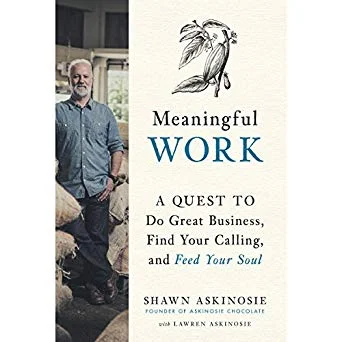
Tags health, happiness, Wellbeing, Wellness
← Newer Posts Older Posts →

SEARCH:


xJGh6cXvC69an86AdrLD98-320-80.jpg

View Andrew's work on Medium


COMMON THEMES:

  • Books
  • Business
  • Coffee
  • Diet
  • Exercise
  • Finances
  • Fitness
  • Food
  • Health
  • Lifestyle
  • Longevity
  • Nutrition
  • Performance
  • Psychology
  • Sports
  • Success
  • Technology
  • Travel
  • Wellbeing
  • Wellness
  • Work
  • excercise
  • habits
  • happiness
  • health
  • productivity
  • sleep
  • success
  • time management
  • well-being