• Home - Popular Posts
  • About
  • Contact
  • Blog
Menu

Andrew Merle

Wellness, Habits, and High-Integrity Growth
  • Home - Popular Posts
  • About
  • Contact
  • Blog

Subscribe

Sign up with your email address to receive the latest stories and content.

We respect your privacy.

Thank you!
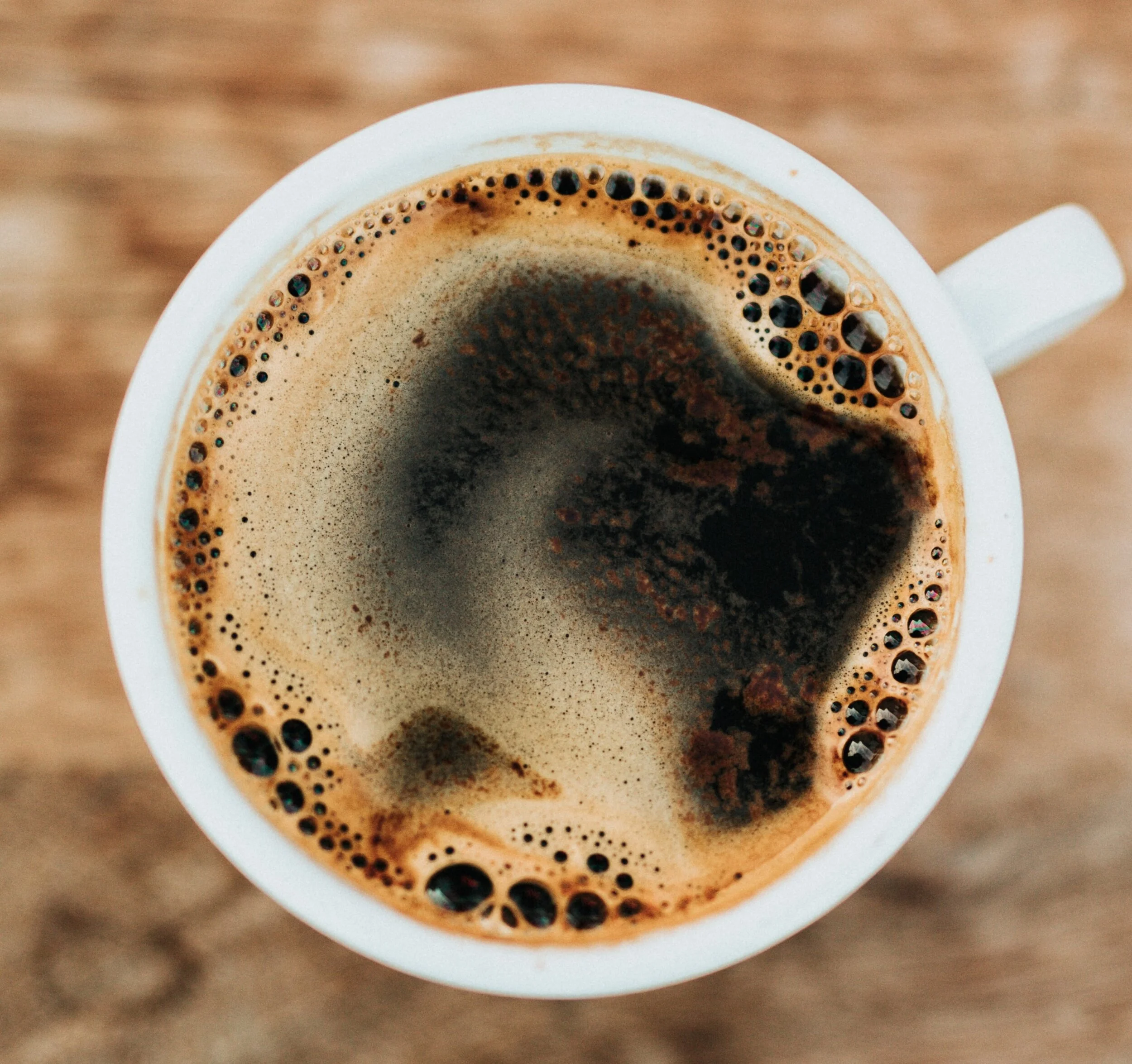
Photo by Arisa Chattasa on Unsplash

Photo by Arisa Chattasa on Unsplash

Why You Should Reduce Your Coffee Intake and Increase Your Tea Consumption

March 23, 2021

Most people start their morning with a cup of coffee to give them the energy they need to be productive and get through the day. But aside from the caffeine fix, drinking coffee can help you live longer, reducing the risk of numerous diseases including cardiovascular disease, Parkinson’s disease, type 2 diabetes, and certain cancers. 

While there are indeed other perks to drinking coffee, there are also risks to consuming too much. Excess coffee can lead to caffeine dependency, sleep disturbances, high blood pressure, and an abnormal heartbeat.

Tea is a great alternative option - producing many of the same benefits as coffee without the negative side effects.  Tea is already one of the most popular beverages in America — consumed more than fruit juices, sports drinks, and energy drinks. This phenomenon isn’t unique to the U.S. - a survey from Gala Bingo  points out that almost a third of the UK population reports drinking at least 5 cups of tea a day — a habit that often starts as early as 5 years old.

There are many good reasons for tea’s popularity, so let’s discuss why you should reduce your coffee intake and increase your tea consumption.

Tea helps lower cholesterol levels

Coffee naturally contains compounds called cafestol and kahweol, which can increase “bad” LDL cholesterol. These are removed in filtered coffee, but unfiltered coffee like espresso and French Press retains them. Tea, on the other hand, has been shown to reduce total and bad cholesterol.  In fact, green tea has been called the No. 1 beverage to consume to improve cholesterol levels (black tea also has a beneficial effect on cholesterol). 

Tea reduces energy crashes

You can stay awake longer when you drink tea, with steady energy levels instead of the spikes and crashes that come from coffee. The caffeine content in tea varies, but popular varieties like green tea and black tea contain only a fraction of the caffeine found in a cup of coffee.  Switching from coffee to tea could cause a short-term caffeine withdrawal if you go straight from coffee to a low-caffeine type of tea (e.g. green tea).  But if you gradually move down the caffeine scale (coffee -> black tea -> green tea is recommended), you will still experience the benefits of caffeine without withdrawal symptoms. The caffeine in tea has a slightly different chemical structure, so you can stay awake in a calm state, compared to coffee's jittery alertness followed by a crash.

Better sleep at night

Coffee can impact your sleep patterns and quality, whether you are a new or habitual drinker.  For many people, drinking coffee after 1pm can have a negative effects on their sleep. Caffeinated tea is less problematic.  And herbal teas, such as chamomile and lavender, are actually natural sleep remedies that help you to relax and unwind.

More antioxidants

Coffee and tea are both loaded with antioxidants, but tea contains some different antioxidants than coffee. For instance, the catechin EGCG in green tea is a potent antioxidant that has been shown to protect against cancer.  Meanwhile, catechins in tea have antimicrobial properties and can lower the risks of cardiovascular disease and neurodegenerative diseases.

…

Coffee and tea are two of the healthiest beverages in the world.  But excess coffee consumption poses some risks as well.  If you have found yourself becoming overly reliant on coffee to get through the day, consider transitioning to tea instead. 

Go slow – maybe you can still enjoy 1-2 cups of coffee in the morning and then shift to tea for the rest of the day.  Black tea will help mitigate caffeine withdrawal symptoms, as you work your way toward green tea and herbal teas later in the day. 

Switching from coffee to tea won’t just be a change in preference — it will be a lifestyle change that can have massive health benefits as well.

Andrew Merle is a Certified Nutritionist who writes about simple, evidence-based health tips that will improve your life. Subscribe to his email list at andrewmerle.com.

Tags Health, Food, Longevity, Wellness, Performance
Comment
Photo by Nanxi wei on Unsplash

Photo by Nanxi wei on Unsplash

Why ‘Intermittent Eating’ Will Be the Next Big Health Trend

March 9, 2021

Mark Sisson is widely regarded as the founding father of the ancestral health movement. A former world-class endurance athlete — with a 2:18 marathon and a 4th-place finish in the Hawaii Ironman World Triathlon Championships — the 67-year-old now presides over a wide-ranging Primal enterprise (including the Primal Kitchen line of healthy condiments) and maintains one of the world’s top health and fitness blogs at MarksDailyApple.com. Sisson is a New York Times bestselling author of numerous books, all of which challenge conventional wisdom’s diet and exercise principles.

Sisson’s latest book, Two Meals A Day (which he wrote with fellow elite athlete Brad Kearns), gets into the specifics of what and when you should eat for optimal health. In our modern world of food abundance, Sisson says eating just 2 meals a day with no snacking in between — a practice he calls ‘intermittent eating’ — is the most simple and sustainable strategy to lose fat and age well.

I recently had the opportunity to interview Sisson to get his advice for putting the Two Meals a Day philosophy into action.

…

If you want optimal health, body composition, and longevity, you have to do two things:

  1. Eliminate processed foods in favor of wholesome foods

  2. Eat less frequently

Sisson says following this approach enables you to achieve metabolic flexibility, whereby you burn body fat between meals and keep your energy, focus, and mood stable throughout the day.

The first step is completely removing ‘The Big 3 Toxic Modern Foods’ from your diet, according to Sisson. The 3 foods that should be avoided at all costs are sugars, grains, and refined industrial seed oils.

“Sugars, sweetened beverages, grains (wheat, rice, corn, pasta, cereal), and refined industrial seed oils (canola, corn, cottonseed, peanut, safflower, soybean, sunflower) are insidious killers,” writes Sisson in Two Meals A Day. “They are directly associated with both immediate health disturbances (inflammatory and autoimmune reactions) and an elevated risk of diabetes, cancer, heart disease, and cognitive decline in the long run.”

Sisson advises total elimination of these 3 toxic food groups for 21 days in order to escape carbohydrate dependency — what he believes is the #1 public health epidemic in the developed world. “Benefits should kick in quickly, which is more stable mood, energy, concentration, and appetite,” Sisson says. “Over the long term, becoming a fat burning beast will be life changing. Starting with efficient reduction of excess body fat and keeping it off!”

At this point, you probably know that sugar and refined grains are bad for your health, but you might not know as much about the evils of industrial seed oils. Unlike traditional fats such as olive oil, coconut oil, butter, and ghee, industrial seed oils are a very recent addition to the human diet, only introduced into the American diet in the early 1900s. This makes these industrial seed oils an evolutionary mismatch between our genes and the modern environment. Additionally, industrial seed oils produce an unhealthy omega-6-to-omega-3 ratio in the body, they are unstable and oxidize easily, are commonly derived from GMO plants, and are often repeatedly heated which makes them even more toxic.

It is very important to look at labels because sugars and industrial seed oils are added to just about every packaged food.

…

After you have removed the Big 3, it is time to restock your kitchen with nutrient-dense ‘ancestral’ foods, according to Sisson. For the past 2 million years, humans have been eating meat, fish, fowl, eggs, vegetables, fruits, nuts, and seeds. Instead of being overly prescriptive of the exact foods you should eat, Sisson advises to simply choose the foods you like best from those ancestral-approved categories.

He even allows for some healthy modern foods such as organic high-fat dairy products (e.g. Full-fat milk, cream, yogurt, aged cheese) and high-cacao dark chocolate (85%+ cacao).

If you want to consume the best of the best, Sisson says these are the healthiest foods we should be eating on a daily basis:

Grassfed Beef

Not just cow but buffalo/bison, elk, lamb, and venison. “Bone-in cuts of meat have better nutritional benefits than muscle meat (Burger, steak),” says Sisson.

Seafood

Oily, cold water fish (SMASH family of Sardines, Mackerel, Anchovy, Salmon, and Herring), salmon eggs, shellfish

Pasture-raised eggs

Sisson says pasture-raised eggs are vastly superior to conventional or even organic eggs, with the yolk being one of the planet’s true superfoods

Grassfed organ meats

“Liver is arguably the most nutrient dense food on earth,” says Sisson. He also recommends bone broth for the assorted nutritional benefits that are hard to find in other foods (e.g. collagen).

“Many health enthusiasts will want to include colorful, nutritious fruits and vegetables, but the aforementioned are the true superfoods,” asserts Sisson.

In fact, he recommends taking some caution with fruit. “Fruit is the most fat-forming of all carbohydrates because the main form of sugar in fruit, fructose, must first be processed in the liver before being burned,” says Sisson. “This is fine — it creates a more steady burn vs. sugar spike from straight sugar — unless you are a typical modern human with full glycogen stores and the fruit is extra carbohydrates you don’t need.” The liver is where extra carbs are converted into fat (triglyceride) so fruit is easy to convert into fat.

Sisson recommends aligning fruit consumption with ancestral principles — enjoy fresh local fruit in season and emphasize high antioxidant, low glycemic fruit (berries are best!) and de-emphasize lower antioxidant, higher glycemic fruits (tropical fruits such as mango, pineapple, and papaya).

…

After you clean up the quality of your diet, you are ready to move toward eating only two meals a day (i.e. fasting more often than eating).

“Fasting has profound anti-inflammatory and immune boosting effects,” says Sisson. He notes that fasting produces internal antioxidants, optimizes cellular detoxification, enhances mitochondrial health, and enables your brain and body to burn fat as fuel.

“Fasting blows away the benefits offered by any superfood smoothie, magical jungle berry, exotic fresh-squeezed juice, or expensive detox powder or pill,” according to Sisson.

He says the best way to get started with an intermittent-eating lifestyle is to simply wait until WHEN (When Hunger Ensues Naturally) to eat your break-fast meal every day. This typically means having only a midday meal and then dinner. This fits within what is commonly known as 16/8 fasting, where you eat only during an 8-hour window (e.g. 12–8pm) and fast for the other 16 hours. It’s not as hard as it sounds, especially since sleep counts toward your fasting time.

Another option is the Morning-Evening pattern. In this case, you enjoy a morning breakfast and then dinner, with nothing in between. This approach works well for people who are especially busy during the day and not able to break away for a healthy meal.

Or you could simply follow the ‘Intuitive Pattern,’ honoring natural hunger and satiety signals and eating a maximum of two meals a day with no snacking. “This may be the most evolved and successful strategy for an experienced and highly adept fat burner,” according to Sisson, although you probably want to work your way up to this point over time.

At a bare minimum, you should confine eating to 12 hours or less each day. As your body adapts, you can regularly push your fasting window to 14 or 16 hours, or occasionally even 20 or 24 hours.

Snacking is ok when you are just starting out, but make sure to reach for something healthy like a handful of nuts, dark chocolate, or hard-boiled eggs. Over time, you want to eat only two meals a day with no snacking in between.

…

Mark Sisson And Brad Kearns_Janée Meadows_TWOMEALSADAY Medium.jpg

Sisson looks better than just about any 67-year-old out there. He still keeps up with athletes half his age. If you want to follow Mark’s specific eating plan, here is what he does:

7am: Coffee with a pinch of cream and sugar (“shhh, don’t tell the fasting police,” he jokes)

1pm: Break-fast: Typically a large steak or other interesting entree, and a small salad or vegetable selection.

7pm: Delicious celebratory meal such as steak, sushi and other seafood, ethnic food, or even an omelet if he feels like it.

“I adhere to a compressed eating window of approximately a 16/8 pattern,” Mark told me. “16 hours fasted and 8 hours in which I eat two meals. I never snack or graze between meals as this can be counterproductive to metabolic flexibility and also I’m never hungry due to the nutrient density of my meals.”

…

Eating only two meals a day might sound overly restrictive, but Sisson asserts it is actually quite freeing. Instead of being dependent upon frequent, carbohydrate-based meals, you can go out and enjoy your life with plenty of energy to do the things you love.

It’s all part of a plan to optimize health and live your best life.

Sisson sums it up well: “Ditch refined sugars, grains, and seed oils; eat fewer meals and snacks; move more, sleep more, and live awesome!”

Tags Health, Longevity, Fitness, Food
4 Comments

Advice From the Father of Biohacking to Live Your Best Life in 2021

February 4, 2021

January always brings a flood of “New Year, New You” inspiration, but research shows that approximately 80 percent of people who make New Year’s resolutions have dropped them by the second week of February. So as the calendar turns to February, we are in need of sustained motivation.

Fortunately, I was recently able to catch up with Dave Asprey — known as the “Father of Biohacking” — to get his advice for living your best life all year long.

Asprey has spent the last two decades working with some of the world’s top doctors, researchers, and scientists to uncover the best methods, techniques, and products for enhancing mental and physical performance. He is the Founder & Chairman of Bulletproof, a four-time New York Times bestselling science author, and host of the award-winning podcast Bulletproof Radio.

Asprey lives and breathes health optimization, but for my interview with him I really wanted to focus on simple tips that are practical for just about anyone to implement. Read on for his best advice for improving your nutrition, exercise, sleep, and overall health in the year ahead.

Nutrition and Supplements

Nutrition is arguably the most important component of overall health. You simply can’t outrun a bad diet. Dialing in your nutrition can do wonders for your body composition, but Asprey points out that eating well is about a lot more than just looking good naked. “A good diet combined with responsible use of supplements builds up your body and brain and upgrades your performance in day-to-day life,” he says.

You can find an overview of Asprey’s dietary guidelines here, but he has two specific recommendations for what to consume now:

1. Omega-3s

Omega-3s have been shown to support cognitive function and heart health. “Get your omega-3s from wild-caught, low-mercury fatty fish like salmon and mackerel, or take a krill oil or fish oil supplement,” advises Asprey. He says you should aim for 1,000 mg of DHA (the main omega-3 in fish) per day. But beware of plant-based omega-3s from foods like chia seeds and nuts — Asprey says your body doesn’t absorb more than 3–4% of them.

2. Tru Niagen

Asprey is an official endorser of Tru Niagen, one of his go-to daily supplements. “It boosts NAD+, a molecule that protects your cells from stress and keeps them strong,” he says. It has been shown that NAD+ levels decline as you age and under metabolic stress, so Tru Niagen works to replenish NAD+ levels and helps you stay resilient at a cellular level. “It’s backed by 11 peer-reviewed human trials and is one of my favorite supplements,” says Asprey. “I feel like I have more sustained energy, especially when it comes to my workouts.”

Exercise

Asprey has 3 specific pieces of advice to follow through on your exercise goals this year:

1. Consistency, not intensity

Don’t set unrealistic goals that sabotage your progress. “When you’re sitting on the couch it’s easy to say you’ll start going to the gym 5–6 days a week,” says Asprey. “But after a couple weeks, you’ll probably get burnt out and quit.”

Instead, he recommends committing to a more modest goal — for example, walking the dog for two miles a day or lifting twice a week — and see if you can stick to it for a month. If you can, then it’s time to up your game by a little bit — increasing to three miles a day, or lifting three times a week. “Create a solid foundation for yourself before you shoot for the moon,” says Asprey. “Gradual improvement over time leads to extraordinary results.”

2. Do things you actually like.

There is no point forcing yourself to suffer through workouts you hate — sooner or later you’ll abandon them and be back to square one. “Instead, pick exercises you enjoy,” recommends Asprey. “Lifting, sprinting, yoga, dancing, sports, boxing, jiu jitsu — whatever keeps you entertained.” He points out that doing stuff you actually like is a lot better than dreading your 40 minutes on the treadmill every day (unless that’s what you’re into, of course).

3. Try an ARX machine

Asprey has been using ARX for years and says he’s never going back to normal weightlifting. “ARX puts you against a machine that perfectly matches your force output through an entire range of motion — in other words, it’s like every rep you do is your max weight,” he says. “With ARX you can do a full-body strength workout in about 11 minutes and be finished with lifting for the week. It also tracks your muscle output so you can see your growth over time.”

You can find ARX machines in most major cities (including Asprey’s Upgrade Labs facility in LA).

Sleep

Sleep is another primary pillar of health and performance. Here are Asprey’s top three tips to get deeper, more restorative sleep:

1. Black out your room

Exposure to light suppresses melatonin, the hormone that makes you sleepy. “At night, try to get your room dark enough that you can’t see your hand when you hold it out in front of you,” says Asprey. He recommends buying light-blocking shades and using electrical tape to cover up any little flashing lights, such as WiFi routers, smoke detector indicators, and alarm clocks.

2. Install f.lux and use Night Mode on your phone

Blue light is especially harmful for melatonin and sleep quality, and yet we are constantly exposed to blue light from our electronic devices. Asprey recommends F.lux, a free program that automatically turns off blue spectrum light from your computer after sunset. You can do the same on your phone by going to settings and turning on Night Mode. “You’ll be surprised by how much better you sleep when you cut out blue light at night,” according to Asprey.

3. Take magnesium before bed

Asprey says magnesium is one of the most inexpensive and effective ways to support your sleep. Most of us don’t get enough of this mineral through our diet. He recommends taking 400 mg of magnesium glycinate or magnesium citrate about an hour before bed. He cautions that while magnesium citrate works great, you may want to start at 100 mg and build your way up over a few days to avoid digestive issues. “Magnesium glycinate won’t cause digestive distress, although it’s a little more expensive,” he says.

…

You’d think Asprey’s life would be all business and optimization, so it was refreshing to hear his final two bits of advice:

1. Schedule time off to have fun.

It’s easy to feel like you should be productive all the time. But Asprey says you should literally schedule time off into your calendar and treat it like you would an important work meeting. He recommends you do things you loved when you were a kid or try out a new class in something you’ve always wanted to do. “It doesn’t matter if it seems like a waste of time or like it’s not furthering your goals,” he says. “Kicking back and enjoying yourself is essential to a good life.”

2. Make small changes over time

Small improvements really do compound over time. “Biohacking is the art and science of taking control of your own biology to be more resilient — mentally and physically,” says Asprey. “It means working toward a stronger version of yourself, step by step.”

Minor, seemingly insignificant, changes in your life can lead to huge improvements in the long run. “Aim to be a little bit better, week by week,” advises Asprey. “It may seem slow at first, but before long, you’ll see major results.”

Hopefully these simple tips will help you become happier, healthier, and more balanced in the year ahead.

Photo by lucas Favre on Unsplash

Photo by lucas Favre on Unsplash

How Much Exercise You Should Do Each Week

January 14, 2021

The World Health Organization recently updated its guidelines for physical activity and sedentary behavior. This marks the first update the WHO has made to the guidelines since 2010.

The new guidelines call for adults (ages 18–64) to do 150–300 minutes of moderate-intensity aerobic exercise, or 75–150 minutes of vigorous-intensity exercise, per week (or some equivalent combination of moderate and vigorous exercise). Additionally, resistance training at moderate or greater intensity — involving all major muscle groups — should be done at least 2 times per week.

This equates to about 30–60 minutes of total exercise per day. That amount of activity has been shown to have a range of health benefits, including reduced risk for hypertension, type 2 diabetes, certain cancers, and all-cause mortality (dying from any cause). Additionally, exercise at these levels improves mental health (including anxiety and depression), brain functioning, and sleep quality.

Adults over 65 should place extra emphasis on functional balance and strength training at moderate or greater intensity at least 3 times per week, to improve overall physical functioning and bone health, as well as to prevent against falls.

Children and adolescents (ages 5–17) should be averaging 60 minutes of moderate-to-vigorous intensity aerobic activity per day, as well as activities that strengthen muscle and bone at least 3 times per week. Kids who meet these levels are shown to have improved cardiometabolic health (blood pressure, lipids, glucose, and insulin levels), bone health, mental health (reduced symptoms of depression), and cognitive functioning (academic performance).

Unfortunately, the guidelines report that 27.5% of adults and 81% of adolescents do not meet the recommendations for aerobic exercise, and there has been no overall improvement in global levels of activity over the last two decades.

It may feel like a huge undertaking to meet these new guidelines, but it is important to note that any amount of physical activity is better than none and you can work your way up to these optimal levels. Start with small amounts of exercise and gradually increase frequency, intensity, and duration over time. Brisk walking is a great place to start.

Another worthy goal across the board is to simply limit sedentary behavior. Although the WHO guidelines do not specifically call out the maximum amount of time you should be sitting per day (due to limited evidence for specific thresholds), less is more in this regard. Every time you go to sit, simply ask yourself if you could be standing or moving instead.

Overall, the new guidelines are very similar to the 2010 version, which confirms the continued strong evidence for exercise’s role in improving health. In terms of what’s new, the previous guidelines called for exercise to be done in bouts of at least 10 minutes, but that has now been removed. This change reflects the evidence that exercise of any session duration is associated with better health, including reduced all-cause mortality. A little bit really is better than nothing at all.

The second big change is these new guidelines now specify a target range of physical activity, compared with the previous version that focused on simply achieving the lowest end of the range. This edit acknowledges that the more exercise you do the better, but going above the upper limit does not necessarily produce additional benefits.

The WHO does not specify the types of exercise that are optimal for health, beyond incorporating the overarching categories of aerobic exercise and muscle strengthening. The best type of exercise is likely the one that you enjoy doing and can do consistently over time. For me, that currently includes a mix of running, squash, and resistance training on a weekly basis.

I firmly believe that regular exercise has the power to change your life more than any other habit. These WHO guidelines provide a very concrete and practical formula to improve your overall health and well-being.

Tags Exercise, Fitness, Health
Photo by Terry Vlisidis on Unsplash

Photo by Terry Vlisidis on Unsplash

How to Have Your Wine and Drink it Too

January 4, 2021

I love wine.

One of my favorite things is to unwind at the end of a long day with a glass of good wine.

But I don’t love the negative effects of wine. I experience lower-quality sleep after just a glass or two. And I am concerned about the possible long-term health consequences. 

I lead a very healthy lifestyle overall, but it is hard to determine the right approach to alcohol. Certain studies show moderate drinking has health benefits, while other reports say no amount of alcohol is safe.

Ultimately, since wine is one of the great joys in my life, I want to continue enjoying it while finding the healthiest way to do so.

…

As I started researching the healthiest wines, I came upon a “Clean-Crafted” wine company called Scout & Cellar.

Scout & Cellar was founded by a woman named Sarah Shadonix, an attorney-turned-sommelier who set out to solve the same issue I’ve been facing.

While studying to become a sommelier, Sarah found that even a single glass of wine would lead to a headache the next day.  She knew something was off, so she began doing research into why wine was having this effect on her, consulting everyone from naturopathic physicians to vintners. 

Eventually, she discovered the source of the headaches: the up-to 300 chemical pesticides and 250 chemical additives loaded into nearly all mass-produced wine. 

It turns out that there are some dirty secrets about the wine industry. 

Mass-produced wine typically contains GMO ingredients, up to 350 parts per million of sulfites, as much as 16 grams of added sugar, and other additives such as ammonium phosphate and copper sulfate. 

We have a pretty good sense about what is in our food these days, but we have no idea what is in our wine. 

That’s because the wine industry has spent millions of dollars lobbying to keep ingredients and contents labeling off of wine. And the US wine industry is powerful, with just a handful of major corporations dominating the bulk of wine production.

All of the pesticides, chemicals, and sugars are added to make wine that tastes the same, bottle after bottle, year after year.  Winemaking is inherently unpredictable, but these additives help to maintain consistency and sameness over time, while covering up bacteria and other flaws in the wine.

This means chemically altered, unnatural wine has become the norm.  

…

Learning about these truths led Sarah to find a cleaner, healthier wine option. 

She spent years scouring the world to discover the best and purest wines – establishing a whole new set of requirements for what she calls “clean-crafted wine.”  She studied growing methods, walked the vineyards, and scientifically tested wines. 

Now her company, Scout & Cellar, is on a mission to bring back good, clean wine.

Scout & Cellar requires organic, sustainable, or biodynamic farming, and their wines are always tended by actual people and not mass produced by industrial agricultural methods.  Their wines are grown naturally without any synthetic pesticides or GMO ingredients, no chemical additives, and zero grams of added sugar (each wine goes through two rounds of independent lab testing to ensure this is the case).

Additionally, Scout & Cellar only sells wine that is low in sulfites (always less than 100ppm of sulfites and usually less than 50ppm), vinified by hand, and slow crafted to extract the naturally occurring antioxidants. 

This means that Scout & Cellar wine might taste different from season to season and bottle to bottle, but that’s what gives wine it’s character and distinctiveness, and it’s what nature intended.  

…

I recently started drinking Scout & Cellar wine and I’ve been blown away – there is a wide selection of different styles, the wine is delicious, and I can honestly tell the difference in terms of the way I feel. 

I have tried other natural wines in the past, but the quality was so hit-or-miss that I abandoned them quickly.  Scout & Cellar has delivered the first wines that I actually enjoy drinking, without sacrificing my healthy lifestyle.   

I have now started to exclusively drink Scout & Cellar wines.  I believe in their mission so much that I have become an Independent Consultant for the company to help spread the good word. 

If you are like me and you love wine but also care about what you put in your body, I’d suggest giving Scout & Cellar wine a try.    

Andrew Merle is a Certified Nutritionist and Independent Wine Consultant for Scout & Cellar. Contact Andrew to learn more and purchase clean-crafted wine, or visit scoutandcellar.com/andrewmerle.

Tags Wellness, Health, Lifestyle, Food
Podcast Image.jpg

Andrew Merle on the Six Minute Mile podcast

December 21, 2020

Hi everyone,

I was recently a guest on the Six Minute Mile podcast. If you have a spare hour, you can hear all of my thoughts on nutrition, longevity, and living a healthy lifestyle. Listen here:

https://podcasts.apple.com/us/podcast/andrew-merle-certified-sport-nutritionist-top-food/id1518752185?i=1000502586460

I hope you enjoy the episode and please let me know what you think. Happy holidays to all!

Andrew

Tags Health, Longevity, Nutrition, Exercise, Food, Wellness
Comment
Credit: Wikipedia

Credit: Wikipedia

Why You Should Have Wine & Cheese Every Day

December 11, 2020

Wine and cheese are two of life’s great pleasures.

They’re even better in combination. Just ask the French.

But did you know that wine and cheese can help prevent cognitive decline?

That is what the results show from a new study published in the November 2020 issue of the Journal of Alzheimer’s Disease.

The top 2 findings from the study were:

  1. Cheese, by far, was shown to be the most protective food against age-related cognitive problems, even late into life.

  2. The daily consumption of alcohol, particularly red wine, was related to improvements in cognitive function.

The study — a first-of-its-kind large scale analysis that connects specific foods to later-in-life cognitive acuity — looked at 1,787 aging adults (from 46 to 77 years of age) in the UK from 2006–2016. During that period, participants completed a Fluid Intelligence Test at baseline and then in 2 follow-up assessments years apart. The Fluid Intelligence Test determines someone’s abstract problem-solving skills and ability to think on the fly.

Participants also answered questions about their food and alcohol consumption at baseline and through the 2 follow-up assessments, detailing their intake of fresh fruit, dried fruit, raw vegetables and salad, cooked vegetables, oily fish, lean fish, processed meat, poultry, beef, lamb, pork, cheese, bread, cereal, tea and coffee, beer and cider, red wine, white wine, champagne and liquor.

“I was pleasantly surprised that our results suggest that responsibly eating cheese and drinking red wine daily are not just good for helping us cope with our current COVID-19 pandemic, but perhaps also dealing with an increasingly complex world that never seems to slow down,” said the study’s principal investigator, Auriel Willette, an assistant professor in Food Science and Human Nutrition at Iowa State University.

Specifically, daily cheese intake strongly predicted better Fluid Intelligence Test scores over time. Alcohol of any type daily was shown to be beneficial, with red wine being additionally protective.

Another significant finding from the study is that consuming lamb weekly improved long-term cognitive functioning, whereas other red meat provided no benefit.

Excessive consumption of salt was found to be bad for brain health, but only for people already at higher risk for Alzheimer’s Disease. Added salt may put at-risk individuals at greater risk — such as those with a family history of Alzheimer’s Disease or who carry the ApoE4 gene — but didn’t appear to harm normal-risk individuals.

…

This study shows that the right food choices can possibly prevent Alzheimer’s Disease and other forms of cognitive decline.

Adding cheese and red wine to your diet daily, and lamb on a weekly basis, is the smartest thing you can do for your brain, according to this latest research.

I’ll drink to that!

Andrew Merle is a Certified Nutritionist who writes about simple, evidence-based health tips that will improve your life. Subscribe to his email list at andrewmerle.com.

Tags Health, Nutrition, Food, Longevity
Comment
Photo by Kelly Sikkema on Unsplash

Photo by Kelly Sikkema on Unsplash

Why You Should Lift Weights

November 10, 2020

Many people who exercise regularly focus exclusively on cardio.

In the past, I was one of those people. For more than a decade, I worked out just about every day, but my workout always consisted of a 30-minute run in the morning.

This daily run produced terrific mental and physical benefits, and I assumed it was all I needed to maintain my health.

I thought lifting weights was only for gym rats and muscle heads obsessed with vanity.

I was mistaken.

Now, don’t get me wrong — aerobic exercise is incredibly important for health and longevity, benefiting everything from your cardiovascular system to your immune function to your brain power.

But cardio alone is not sufficient for optimal health.

A recent study involving nearly half a million US adults investigated the link between physical activity and mortality. The study looked at both aerobic activity and strength training to determine the association between exercise and lifespan.

After 9 years of follow up, the study determined that the greatest survival benefits were seen in people who engaged in both aerobic exercise and strength training.

This large study reinforces the importance of following the Physical Activity Guidelines for Americans, which calls for at least 150 minutes of moderate intensity aerobic activity or at least 75 minutes of vigorous intensity aerobic activity each week (or an equivalent combination of both). Additionally, the guidelines recommend adults engage in muscle strengthening activities of moderate or greater intensity on 2 days or more each week.

This study found that following these guidelines of combined aerobic exercise and strength training was associated with 40% lower all-cause mortality.

That is compared to a 29% risk reduction for people who only followed the aerobic exercise guidelines and an 11% lower risk of dying among those who only did strength training.

Aerobic exercise is great but adding strength training is even better.

Strength training was found to be especially protective against cardiovascular disease, cancer, and chronic lower respiratory tract diseases.

However, among the 479,856 US adults included in the study, only 15.9% (76,384) fully met the guidelines of combined aerobic and muscle strengthening activities. That means there is a huge opportunity for most Americans to reduce their risk of dying simply by exercising a bit more.

We’re talking about an average of only 30 minutes per day. That’s only 3% of your waking hours.

Most people know how to get in some aerobic exercise, with activities such as brisk walking, jogging, cycling, or swimming.

But strength training can be a bit more mysterious. The reality is you don’t need to go to a gym or lift heavy weights to work out your muscles.

Simple bodyweight exercises such as push-ups, pull-ups, burpees, squats, sit-ups, and planks can be just as effective for strength training.

You don’t need a gym membership or expensive equipment, although I have found an adjustable set of home dumbbells to be a great investment, especially during these recent stay-at-home months.

My aerobic workouts these days include a rotation of running, walking, rowing, tennis, squash, and yoga. My strength training consists of one home weightlifting session and one bodyweight workout per week. In addition to the long-term health benefits, I find strength training improves my mood and confidence on a daily basis.

…

Overall, a great formula to maximize health and longevity is to exercise 6 days per week. Do aerobic exercise on 4 of those days, for just 30 minutes per day at a moderate intensity. Do strength training on your other 2 days, lifting weights or doing bodyweight exercises.

It doesn’t take much exercise to drastically reduce your chances of dying, including all the chronic diseases that precede it.

Combining aerobic exercise with strength training will help to prolong your life and make it more enjoyable along the way.

Andrew Merle is a Certified Nutritionist who writes about simple, evidence-based health tips that will improve your life. Subscribe to his email list at andrewmerle.com.


Tags Health, Longevity, Exercise
Comment
Photo by Online Marketing on Unsplash

Photo by Online Marketing on Unsplash

How to Turn Back the Clock on Aging

September 30, 2020

For the first time ever, a randomized, controlled clinical trial has demonstrated the ability to reverse biological age

People have been searching for the fountain of youth throughout history.

Now we have scientific data that shows you can turn back the clock on aging.

For the first time, a randomized, controlled clinical trial has demonstrated the reversal of biological age. This trial also marks the first time a diet and lifestyle intervention has been proven to reduce biologic aging.

In just 8 short weeks, those in the ‘treatment’ group (18 people) of the study tested an average of 1.96 years younger, according to the Horvath DNA methylation age and epigenetic clock.

We now have scientific ‘clocks’ that measure markers of age with remarkable accuracy and the best of these is the Horvath DNAmAge clock. The Horvath clock is a multi-tissue predictor of age that estimates the DNA methylation age of most tissues and cell types.

Horvath’s DNAmAge clock has actually been shown to predict all-cause mortality better than chronological age.

Getting nearly 2 years younger after just 8 weeks is pretty impressive. But how about the control group of 20 people who didn’t undergo any diet or lifestyle changes? They got an average of 1.27 years older at the end of the study compared to the beginning.

So that means the people in the treatment group were actually 3.23 years younger than the participants in the control group after just 8 weeks.

Participants in the treatment group also had significant improvements in triglycerides, cholesterol levels, and serum methyl folate. Their mood improved as well.

It is important to keep in mind that this trial had a relatively small sample size and the published report is still in preprint (not yet peer reviewed). But the results are striking nonetheless.

…

What exactly was this magical intervention?

It focused on just 4 basic, common-sense pillars of health: Diet, Exercise, Sleep, and Stress Management.

Of the 4 components, the diet prescription was the most complex.

Specifically, the dietary intervention was heavily plant-based, calling for a whopping daily dose of 2 cups dark leafy greens, 2 cups cruciferous vegetables, 3 additional cups of colorful vegetables, 1–2 medium beets, ¼ cup each of pumpkin seeds and sunflower seeds, and 2 servings of low glycemic fruits. On top of that, the plan prescribed 1+ daily servings of ‘methylation adaptogens’ — things like berries, rosemary, turmeric, garlic, and green and oolong tea (more on this later).

The eating plan also included some nutrient-dense animal products, including 6 ounces daily of grass-fed pastured animal protein and a weekly total of 3 servings of liver and 5–10 eggs. Participants were told to include ‘healthy’ fats such as coconut oil, olive oil, flaxseed oil, and pumpkin seed oil. And they supplemented daily with a probiotic and a greens powder.

The diet protocol was notably low carb and restricted all grains, legumes/beans, dairy, and added sugar. Additionally, participants in the treatment group practiced time-restricted eating, avoiding all food daily between 7pm — 7am.

The rest of the lifestyle regimen was much easier to digest!

The exercise prescription called for at least 30 minutes of exercise per day, at least 5 days per week, at an intensity of 60–80% of maximum perceived exertion.

The sleep prescription was to simply average a minimum of 7 hours of sleep per night.

And the stress management prescription was to practice the breathing exercise Steps to Elicit the Relaxation Response developed by Herbert Benson MD, done twice daily for 20 minutes per session.

There you have it — if you want to age backwards, simply follow the above plan to a T.

But I wanted to dig deeper.

…

I recently spoke with the lead author on the study, Dr. Kara Fitzgerald, who is a Functional Medicine physician and Clinic Director with a private practice based in Sandy Hook, Connecticut.

Dr. Fitzgerald focuses much of her work on methylation, a process that happens in every cell in our body. We rely on methylation for many important bodily functions, including cell division and renewal, healthy immune cells, neurotransmitter production, detoxification, metabolism, regulating how our genes get expressed, and more.

Healthy methylation is one of the ways our body makes sure the right genes are turned on, and the ones we don’t want get turned off. On the flip side, poor methylation has been linked to a range of diseases, from heart disease to Alzheimer’s to cancer. That’s why methylation status — as measured by the Horvath clock — is such a good predictor of health and a person’s true biological age.

Dr. Kara Fitzgerald

Dr. Kara Fitzgerald

Dr. Fitzgerald has successfully treated her patients for years using Methylation Diet & Lifestyle principles, long before this clinical trial was conducted.

The first question I had for Dr. Fitzgerald was whether any of the lifestyle interventions play a larger role than others or if they need to work synergistically. The clinical trial showed the efficacy of the interventions in combination but did not report on the specific role of diet vs. exercise vs. sleep vs. stress.

“We can’t really tease it out, but what I see affecting the most change — probably our most powerful leverage area — is diet,” Dr. Fitzgerald told me. “I’ve seen that in clinic practice for my entire career. Putting people on the appropriate metabolic therapeutic dietary intervention can just move mountains.”

However, she was quick to point out that the Horvath clock is strongly influenced by the glucocorticoid system and stress, indicating that stress management could be a close 2nd to diet.

“We could go through each of our interventions and make really good arguments for them,” said Dr. Fitzgerald. She told me that each of the interventions have independently been demonstrated to alter DNA methylation in a favorable way.

They are all tried and true, and while diet is likely doing the heaviest lifting, the relative importance of each intervention depends on the individual and what that person needs most.

…

If diet arguably plays the biggest role in aging and healthy methylation, I wanted to dig in more on the specific eating protocol used in the study.

In particular, with so much controversy surrounding eating animal products, I wanted to understand why liver, eggs, and other animal protein was specifically prescribed.

“We think a small amount of clean animal protein in the context of a very low carb, low sugar diet is helpful,” Dr. Fitzgerald told me. “The amount of animal protein we’re suggesting and the type of animal protein we’re suggesting is we think safe and good.”

She said liver is actually considered a methylation superfood, loaded with methyl donor nutrients like methionine, vitamin B12, and a range of minerals. You don’t need to eat a lot of it to get the benefits — the dietary plan included only 3 servings of liver per week (each serving is only 3 ounces).

A small amount of eggs (5–10 total per week) is also important for methylation. This is because eggs are rich in phosphatidylcholine which ultimately breaks down into methyl donors.

But Dr. Fitzgerald noted that the diet is centered primarily around plants. It is hard to argue with that since the daily plan calls for a dizzying array of vegetables.

Overall the diet is low in protein, an eating pattern consistent among the world’s longest-lived people. But unlike the centenarians in the Blue Zones — who eat a diet rich in carbs, beans, and whole grains — Dr. Fitzgerald’s intensive protocol restricts those very foods.

Of course there are other factors that can explain the incredible longevity in the Blue Zones — for example, they are known to be very physically active, lead low stress lives, cultivate deep family and community ties, and have a strong sense of purpose.

It could also be what they are not eating, namely a lot of sugar and saturated fat. While there are differences between the Blue Zones diet and the one Dr. Fitzgerald recommends, they both avoid added sugar, unhealthy fats, and processed food.

“A high-sugar, saturated-fat diet is the most toxic,” Dr. Fitzgerald told me. “That’s the macronutrient combination that ushers in death pretty quickly.”

It turns out there can be multiple healthy eating patterns, but the Standard American Diet is the one clear way not to do it.

…

Dr. Fitzgerald’s recommendations optimize for healthy, balanced DNA methylation. I was especially intrigued by her inclusion of ‘methylation adaptogens’ — the superfoods for methylation.

It turns out that flavonoids with long traditional use histories — for example, curcumin, green tea, and the polyphenols in blueberries — help selectively direct methylation in a beneficial way. Dr. Fitzgerald said these time-honored flavonoids seem to be major epigenetic regulators.

When asked about the most powerful methylation adaptogens we should be consuming on a daily basis, Dr. Fitzgerald rattled off a short list, “Quercetin, resveratrol, green tea, curcumin.”

She takes all of those (except for quercetin) daily, ideally as food but as supplements as well. She also cited lesser-known luteolin and genistein as hotshot methylation adaptogens.

In terms of Dr. Fitzgerald’s personal eating habits, she eats a dense green salad every day topped with rosemary (another standout methylation adaptogen). She also eats a lot of berries, especially blueberries. You can find some of her favorite recipes to support optimal gene expression and methylation health here.

…

All of this talk about methylation and adaptogens can start to feel complicated, but Dr. Fitzgerald reminds me that the 4 overarching principles of her protocol — diet, exercise, sleep, and stress management — are quite basic at their core.

“There is no reason we can’t do the methylation diet and lifestyle principles — all of them,” she says.

Eat a healthy diet centered around plants, low in sugar, saturated fat, and protein, and throw in some methylation superfoods for good measure. Don’t eat around the clock.

Exercise at a moderate pace for 30 minutes a day, at least 5 days a week.

Sleep at least 7 hours per night.

Follow a daily meditation or breathing practice.

“All of us can layer these principles on to whatever we’re doing, be us Vegan, be us Keto, be us on an extreme elimination diet,” says Dr. Fitzgerald. “Wherever we are in our lives, there’s no reason for us not to start this.”

Perhaps in the future there will be scientific and pharmaceutical breakthroughs to reverse the aging process even more. But for now, these diet and lifestyle principles remain the foundation for good health and your best bet to turn back the biological clock.

Andrew Merle is a Certified Nutritionist who writes about living well. Subscribe to his email list at andrewmerle.com.

Tags Health, Wellness, Exercise, Nutrition, Longevity
Comment
Image via Unsplash

Image via Unsplash

How to Keep Moving Forward When You’re Between Jobs in a Pandemic

August 17, 2020

It’s August and the pandemic is still having a significant impact on everyday households. While most people's occupations have changed in one way or another, many people have lost their jobs altogether. If you fall in the latter category, chances are you are struggling to make ends meet.

Figuring out how to keep yourself and/or your family afloat financially is essential as you look for employment. Fortunately, there are some practical ways to adjust your finances and boost your income while you are between jobs. Here are a few examples:

Rework your finances

The first thing to consider is how you can adjust your budget to help soften the blow of job loss. Take a close look at your budget for the last three months, and identify all of your discretionary expenses. Many of these expenses can be cut, including gym memberships, streaming services, and gaming apps. Look at it this way: You won’t have to live without these comforts forever. The more willing you are to cut expenses now, the faster you will be able to regain financial stability.

Another expense that takes up a lot of room on many people‘s budgets is dining out. If you have been ordering takeout or delivery food multiple times a week, cutting back on those costs can make a significant difference.

Go back to school

To prepare yourself for new job opportunities, whether in your current field of expertise or in a different industry altogether, consider returning to school. These days, going back to school is more accessible than ever. You can literally do it all online.

If you are considering starting a business or you are simply unsure of what industry you want to work in next, pursuing a business degree could be perfect for you. Not only will studying business management, management and leadership, or marketing provide you with an opportunity to build upon and sharpen the skills you already have, but it will also help you establish your business acumen.

Educate yourself

The web also offers plenty of other opportunities for educating yourself, whether you do it alongside or in place of going back to school. For instance, you can find top-notch books on any field and industry you can think of, whether it’s business, leadership, consulting, writing, web design, the list goes on. Moreover, consider looking for tutorials, courses, and seminars online that can help you grow your knowledge and skills, and be sure to take notes along the way.

Try freelancing

Being a freelancer, in its most basic sense, means that you work for yourself. Rather than working as an employee for an organization or company, you provide services to various clients of your choosing.

Freelancing offers the most flexibility and freedom of any job opportunity. However, it also means that you are completely responsible for your work, building your client base, marketing your brand, hiring people to help push your business forward, and so on. When you are in between jobs, joining online job boards can often help you find a few clients to start building your name.

Look around town

Lastly, you could always hunt for jobs in your area. Ask around your network for companies or people who are hiring, browse community job postings, and look online for local job opportunities. Getting a job at a local grocery store, coffee shop, restaurant, or any number of other establishments could provide you with a consistent paycheck to supplement your income.

…

This is a hard time for many households across the country, and that’s especially the case for those who are out of work. Start regaining your financial footing by reworking your budget, consider going back to school online, and look for other opportunities to educate yourself. Finally, look into freelancing in your field of expertise, and check out any local job opportunities while you’re at it.

Tags Success, productivity
Comment
Photo by Anton on Unsplash

Photo by Anton on Unsplash

In Defense of Carbs

July 24, 2020

Low-carb diets are all the rage these days.

Keto, Paleo, Primal, Atkins, LCHF, or anything else you want to call it. They are all close low-carb cousins.

But here’s the thing: the longest-lived people in the world don’t eat a low-carb diet.

In the Blue Zones — the places around the world where people live the longest — they actually eat a HIGH-carb diet.

That’s right, carbs are the predominant macronutrient among the world’s centenarians. To be exact, about 65% of their food intake comes from carbs, 20% from fat, and only 15% from protein.

But we’re not talking about simple refined carbs.

The bulk of their diet is made up of complex carbs in the form of beans, greens, sweet potatoes, whole grains, fruits, nuts, and seeds.

Beans are their superfood, which serves as a microcosm for their diet overall — after all, beans are made up of 77% complex carbohydrates (along with 21% protein and only a small percentage of fat).

This certainly isn’t an excuse to binge on pizza and donuts in the name of longevity.

People in the Blue Zones consume no more than 7 teaspoons of added sugar per day (which is about a fifth as much added sugar as North Americans eat). They reserve sweets, cookies, and cakes for special occasions, usually eaten as part of a meal.

And the bread they eat is either 100% whole grain (made from whole wheat, rye, or barley) or sourdough. The sourdough bread in the Blue Zones contains naturally-occurring bacteria which digest the starches and results in much lower levels of gluten, while also lowering the glycemic load of meals.

Processed carbs are not eaten in the Blue Zones. They consume real, whole foods — eaten raw, cooked, ground, or fermented. A full recipe for a main dish usually contains only a half dozen or so ingredients, simply blended together.

…

Devotees of low-carb eating often dial up their protein intake. But high-protein diets can actually accelerate aging, whereas low protein intake is associated with a major reduction in cancer and overall mortality.

Therefore, it should not be surprising that the longest-lived people eat the least amount of protein. In particular, people in the Blue Zones eat only small amounts of meat (about 2 ounces or less of meat about 5 times per month), fish (3 ounces or less up to 3 times per week), and eggs (usually just one egg as a side dish, 2–4 times per week).

In fact, 90–100% of the Blue Zones diet is plant-based — when you eat that way, you’ll naturally be reducing your protein intake.

Healthy fats come in the form of olive oil and nuts (the most common snack in the Blue Zones).

…

If you want to live to 100, it would be smart to eat like the people who’ve lived to 100.

The reality is there are not any extremely long-lived populations who eat a low-carb, high-protein diet.

The five places around the world where they live the longest ALL eat a high-carb, low-protein diet.

Be careful what you read in the headlines, trendy books, or latest ‘lose weight fast’ promises. Maybe you’ll drop a few pounds in the short term, but there is a good chance you’ll harm your health in the long run.

If you want to live long and healthy, don’t fear carbs. Eat lots of them. Just make sure they’re the healthy ‘whole food’ kind.

If lots of people eating a ketogenic diet start living to 100 and beyond, then maybe I’ll change my stance.

But until then, I’m sticking with the Blue Zones way of eating.

Andrew Merle is a Nutritionist who loves food and wine. He writes about living well. Subscribe to his email list at andrewmerle.com.

Tags Health, Food, Longevity
Credit: Pexels

Credit: Pexels

Why Skincare is Good for Mental Health

June 26, 2020

From eating a healthy diet to practicing gratitude, we previously covered how Dr. Sanjay Gupta stressed that activities like these are vital for taking good care of our mind. While they are indeed pillars of mental wellness, there's another practice that's usually overlooked: Following a skincare routine.

The Mental Benefits of Skincare

More often than not, skincare is seen as an act of vanity. However, taking care of your skin goes beyond just looking good, as it plays a key role in promoting our mental health. First, following a skincare routine will add structure to your life, and therefore keep stress at bay. In fact, CNN reports that sticking to a normal daily rhythm resulted in boosting one's mood and cognitive functions, while also decreasing the risk of developing depression.

Also, adhering to a skincare routine is a wonderful way to practice some much-needed self-care. Whether it's finishing your tasks at work or making sure everything at home is in order, life can get quite hectic, to say the least. But devoting around 15 minutes at night where you get to pamper your skin with nourishing products could help you reconnect with yourself. Alternatively, a daytime skincare routine can make you feel like you woke up on the right side of the bed.

Lastly, a study published in the Dermatologic Therapy journal found that adults with acne worry about being judged due to their blemished appearance. The study also found that they would avoid having their photos taken or post on social media. Taking care of your skin is far from superficial. In truth, a good skincare routine is key for feeling truly comfortable in your own skin. Simply put, when you look good, you feel good.

Top Tips for Building a Skincare Routine

There's more to following a skincare routine than just simply applying any product, since your skin deserves to be treated with some TLC. If you're not sure where to start, here's what you need to know to get started:

Know Your Skin Type

From dry and oily, to normal and combination, knowing your skin type will help guide you in finding the right products for your routine. For instance, if your skin is dry, you'll need products that will help you build more moisture like Lab Series' Age Rescue Face Lotion. Meanwhile, those with oily skin should focus on products that combat excess oil. Overall, understanding the needs of your skin can make all the difference for achieving a clear, glowing complexion.

Strip Back Your Routine

Contrary to popular belief, you don't need to have an elaborate (and expensive) routine. Instead, you should invest in products that provide a lot of benefits for mostly the same price. Pretty Me’s review of the Asian favorite Vitamin E Cream highlights how it’s popular for a reason — it has a laundry list of benefits. From dealing with stretch marks and loose skin, to helping improve the appearance of wrinkles and pimple marks, the product’s many uses means you get more bang for your buck. All in all, simplifying your skincare routine entails doing your research and knowing full well what you need. From there, you can experiment with different products until you find the ones that work with your skin the best.

Wear SPF Regularly

Chances are, you only apply sun protection when you're spending time at the beach or the great outdoors. But did you know that wearing SPF regularly is a crucial component of good skincare? This is because it reduces the appearance of pesky brown spots, discoloration, and blotches. Plus, it protects your skin from developing wrinkles and premature skin aging. On that note, Allure's guide to their favorite Korean skincare products notes that Lagom Cellus Sun Gel is lightweight, making it a great addition to your skin arsenal.

…

Hopefully these tips help you start or maintain a healthy skincare routine. Your body and mind will thank you!

Photo by Caroline Attwood on Unsplash

Photo by Caroline Attwood on Unsplash

4 Foods and 3 Supplements You Should Consume Every Day

June 19, 2020

Dr. Rhonda Patrick is one of the world’s leading experts on health, nutrition, and anti-aging. 

Dr. Patrick’s career has included aging research at the Salk Institute for Biological Sciences.  She also trained as a postdoctoral fellow at Children’s Hospital Oakland Research Institute, where she investigated the effects of micronutrient (vitamins and minerals) inadequacies on metabolism, inflammation, DNA damage, and aging and whether supplementation can reverse the damage. 

She did her graduate research at St. Jude Children’s Research Hospital where she studied the link between mitochondrial metabolism, apoptosis, and cancer.

Dr. Patrick now runs the popular site FoundMyFitness.com, where she is a leading authority on all things health, including exercise, nutrition, fasting, genetics, heat and cold stress, sleep, stress reduction, and more. 

Quite simply when Dr. Patrick talks, I listen. 

…

Dr. Patrick has a great podcast of her own, but recently she joined Lewis Howes on his School of Greatness podcast.  During their interview, which lasted more than an hour and a half, Dr. Patrick shared the top 4 foods and 3 supplements people should consume every day. 

In fairness, Dr. Patrick recommends a diverse diet filled with lots of fermentable fiber (foods such as blueberries, nuts, mushrooms, dark leafy greens, onion, garlic, etc.).  But Howes pressed her to keep it simple if people just want to follow a basic diet and eat the same things every day. 

She said if people simply eat these 4 foods every day, they would be setting themselves up for very good health:

Wild Alaskan Salmon            

Wild salmon is very high in EPA and DHA, the Omega-3 fatty acids strongly linked with improved brain functioning, cardiovascular health, and reduced inflammation in the body.  If you are going to eat animal products, fish and in particular wild salmon should be at the top of your food list. 

Dark Leafy Greens

Dark leafy greens are the next superfood Dr. Patrick recommends because they are loaded with vitamins and minerals that are hard to get from other foods.  Dark leafy greens are rich in vitamins A, B, C, E and K, and contain an abundance of antioxidants, fiber, iron, magnesium, folate, potassium, and calcium.  If Dr. Patrick had to choose just one dark leafy green to eat, she’d recommend sautéed kale. 

Avocado

Avocado is the third food on Dr. Patrick’s daily list.  Avocados are abundant with healthy monounsaturated fat, fiber, vitamins and minerals.  In fact, they even have more potassium than bananas. 

Blueberries

Blueberries round our Dr. Patrick’s Top 4 list.  Another brain food, blueberries have numerous proven health benefits and are the king of all antioxidant foods.  Blueberries contain high amounts of fiber, Vitamin C, Vitamin K, and many other nutrients. 

Dr. Patrick combines avocado and blueberries in her daily smoothie, which is a great way to check off multiple foods on her list. 

By the way, if she could add a 5th food, it would be broccoli sprouts. 

…

On the topic of food, and since it is an area of hot debate, Howes asked Dr. Patrick if a vegetarian or vegan diet is healthier than a diet that includes meat.  Dr. Patrick said numerous studies have shown that vegetarians outlive meat eaters, and in particular have lower rates of cancer.  But there could be a healthy user bias, because vegetarians tend to lead healthier lifestyles overall.  In fact, when you account for those other lifestyle factors – things like smoking, obesity, or drinking too much – Dr. Patrick says mortality is actually the same among vegetarians and meat eaters.    

Red meat also often gets lumped in with processed meat, which undoubtedly is harmful because of the processing with nitrites.  Meat eaters do seem to have higher levels of the hormone IGF-1, which promotes growth throughout the body.  This can be problematic in the case of cancer and is perhaps why low protein diets have been shown to blunt the growth of cancer.  However, if you are exercising – and in particular strength training – then the IGF-1 can more effectively move to your brain and muscles, which is where you want it. 

So overall the question of eating meat or not is a complicated one, but meat is a good source of micronutrients and Dr. Patrick believes meat can be part of a healthy diet if you are active and exercising (and not obese). 

If you do choose to eat meat, Dr. Patrick says the best ones to choose are (in this order):

  1. Fish

  2. Poultry (which she mentioned is actually associated with having a lower epigenetic age)

  3. Red meat (organ meats like liver are especially rich in nutrients)

    …

Howes also asked Dr. Patrick about the vitamins and supplements she recommends people take every day.  Based on the evidence, she recommends the following 3 supplements:

Multivitamin

A multivitamin acts as an insurance policy to ensure you are getting adequate amounts of all vitamins and minerals. Dr. Patrick didn’t mention the brand of multivitamin she takes, but it has been reported she uses O.N.E. Multivitamin.   

Fish Oil

Dr. Patrick also recommends a high-quality fish oil every day.  Fish oil has the beneficial Omega-3s EPA and DHA mentioned earlier when discussing wild salmon.  Taking a fish oil supplement is especially important if you do not eat much fish.  I personally take Nordic Naturals Ultimate Omega 2X which has a high dose of both EPA and DHA. 

Vitamin D

The final daily supplement Dr. Patrick recommends is vitamin D.  Healthy levels of vitamin D are essential for overall health, especially for the cardiovascular system, cognitive functioning, and for reducing inflammation.  However 42% of Americans are deficient in vitamin D (a deficiency that impacts about 1 billion people worldwide).  It has been reported that Dr. Patrick takes this vitamin D supplement from Thorne Research. 

…

For better health overall., Dr. Patrick says the best two areas to focus on are micronutrients and exercise.  She says if you get the right micronutrients from your food, you will be eating healthy.  And exercise is incredibly important for cognition and neuroplasticity. 

Hopefully these simple daily recommendations help you maintain or improve your overall health.

Tags Health, Nutrition, Longevity, Exercise
Comment
Photo by Madison Nickel on Unsplash

Photo by Madison Nickel on Unsplash

The Benefits of Simply Getting Outside

June 15, 2020

Americans now spend an alarming 93 percent of their time indoors.

We have become an indoor species, which is having consequences on our physical and mental health.

Staying inside is detrimental on its own, especially since indoor air can be 5 times more polluted than outdoor air. We’re also often sedentary and tethered to a digital device while inside.

But the bigger issue is we’re not reaping the powerful benefits of the great outdoors.

Spending time in nature helps protect against a wide range of diseases, including depression, diabetes, obesity, ADHD, cardiovascular disease, and cancer. Getting outside has also been shown to make us happier and less anxious.

Although controversial, one of the biggest benefits of getting outside is the sun. In excess, UV rays cause sunburn and skin cancer, but small doses provide beneficial vitamin D — which could help explain why sunbathers actually live longer.

Healthy levels of vitamin D are essential for overall health, with profound benefits for the cardiovascular system, cognitive functioning, and for reducing inflammation.

Unfortunately our modern lifestyle has resulted in about 42% of Americans being deficient in vitamin D (a deficiency that impacts about 1 billion people worldwide).

The sun also has benefits beyond vitamin D. For example, the sun’s rays help create nitric oxide, which is beneficial to the cardiovascular system by increasing blood flow and decreasing blood pressure. Getting sunlight during the day also helps to regulate our circadian rhythm and leads to better sleep at night. A little bit of sun goes a long way, but for prolonged exposure it’s best to apply a mineral-based sunscreen to prevent sun damage.

Getting outside also helps to beat back the constant stress in our lives. Stress runs rampant in Japan, where they’ve turned to forest bathing — which simply means getting outside in nature — to restore a sense of peace and calm. Being outside in nature has been shown to alleviate obsessive thought patterns and decrease rumination. In fact, even just smelling the trees and plants outside might help boost immune function and protect your brain. If you can’t get outside as much as you’d like to, then look at buying b+ spores and grow fungi indoors. Nature really does clear your mind.

By now, hopefully you are convinced to build some outdoor time into your daily routine. It doesn’t take much — just 20 minutes in nature has been proven to reduce stress. But the more time you can spend outside the better.

It could be going outdoors for a daily walk — an activity that could cut the risk of developing dementia by 40%. Or go for a hike or bike ride. Or just read a book under a tree for a while. It doesn’t matter what you do, just get out there.

Getting outside appears to be on the rise in our current work-from-home culture, and that is one bright spot amidst this pandemic that will hopefully last longer-term.

After all, life wasn’t meant to be spent indoors. Get outside and soak up the benefits for your body and mind.

Tags Exercise, Health, Lifestyle, Longevity
Comment
Photo by Nathan Dumlao on Unsplash

Photo by Nathan Dumlao on Unsplash

Caffeine Improves Performance in a Broad Range of Exercise Types

June 9, 2020

Anecdotally, many of us have experienced the performance-enhancing benefits of caffeine.

My morning runs or workouts certainly seem easier after I’ve had a cup or two of coffee. But is it the placebo effect or does caffeine actually improve exercise performance?

A recent comprehensive report analyzed 21 published meta-analyses to answer this very question.

The systematic review looked at the effects of caffeine on aerobic endurance, muscle strength, muscle endurance, power, jumping performance, and exercise speed.

The conclusion — after looking at all of the data — is that “caffeine ingestion improves exercise performance in a broad range of exercise tasks.”

This would come as no surprise to world-class athletes, who have increasingly turned to caffeine as a legal performance-enhancer since the World Anti-Doping Agency removed caffeine from its banned list in 2004.

But does caffeine improve certain types of exercise more than others?

Caffeine was shown to deliver benefits across all types of exercise, but the greatest gains were seen for endurance and speed. It appears as though the magnitude of the effect of caffeine is greater for aerobic as compared with anaerobic exercise.

In terms of the ‘optimal’ dose of caffeine for performance, that is still a bit of an open question. Additionally, most of the meta-analyses used highly-concentrated caffeine powder, so it can be challenging to apply the findings to coffee, energy drinks, bars, and other caffeine-containing substances.

That said, coffee has independently been shown to enhance aerobic endurance performance, weight lifting, and sprinting. And looking at all of the studies, the authors concluded that “the caffeine dose from coffee likely has to fall within the 3–6 mg/kg range” to provide performance-enhancing benefits.

The caffeine dose from coffee can depend on bean type, preparation method, size of the cup, and other factors, but there are some generalizations that can be made. The ‘average’ cup of coffee contains around 100 mg of caffeine — meaning that two cups would deliver about 200 mg, representing about 3 mg/kg for a 70 kg person (about 155 pounds).

As a general rule, the authors conclude that “two cups of coffee, consumed around 60 minutes before exercise, should exert an ergogenic effect in most individuals.”

Sensitivity to caffeine is highly personal, so experimentation is key. Try different doses and shorter/longer wait times before exercise to see what works best for you.

The results are clear — caffeine is a proven performance-booster. Hopefully these findings help you utilize caffeine to maximize your workouts.

Andrew Merle writes about living well. Read more and subscribe to his email list at andrewmerle.com.

Tags Exercise, Food, Performance, Health
Photo by Spencer Davis on Unsplash

Photo by Spencer Davis on Unsplash

Why You Should Eat Your Carbs Last

May 20, 2020

You might be surprised to know that the order in which you consume foods can have an impact on your health and body weight goals.

Specifically, it is recommended to prioritize protein first, followed by fibrous vegetables, and save your carbs for last.

This method of eating has been proven to reduce post-meal hunger, which means you are less likely to snack shortly after your meal. Saving your carbs for last has been shown to help maintain satiety more effectively than eating carbs first or eating all meal components together.

The reason this works is because protein is the most satiating macronutrient, so you start to fill up your stomach by eating protein first. Vegetables come next because they are high in fiber — absorbing water and expanding in your stomach — further helping to achieve a sense of fullness. Carbs come at the end to take whatever remains of your hunger.

Of course certain types of carbs are healthier than others, but eating in this manner ensures you will sufficiently nourish your body without binging on refined carbs or sugary sweets.

So if you are eating a balanced meal of fish, broccoli, and rice, it would make sense to eat the meal in exactly that order. Same thing if your meal consists of chicken, Brussels sprouts, and potatoes. This approach also allows for occasionally finishing your meal with some dessert.

Whatever you do, don’t fill up on bread at the beginning of your meal. If you want to indulge in some bread, save it for last!

Tags Health, Food, Lifestyle, Wellness
Comment
Photo by Anh Nguyen on Unsplash

Photo by Anh Nguyen on Unsplash

Eat a Large Salad Every Day, Make Your Brain a Decade Younger

May 15, 2020

You didn’t misread that title.

The only misleading part is that it should really finish with “11 years younger.”

That’s right — consuming a big salad every day is associated with the brain being 11 years younger.

That is according to a study of 960 people ages 58–99 who completed food questionnaires and had multiple cognitive assessments over about 5 years.

The findings held true even after adjusting for age, sex, education, participation in cognitive activities, physical activities, smoking, alcohol consumption, and other lifestyle factors.

Specifically, the people who consumed the most green leafy vegetables daily — a median amount of just 1.3 servings per day — were able to slow their cognitive decline by the equivalent of being 11 years younger in age.

Eating a large salad every day is one of the simplest ways to reduce brain aging. Just load up your plate with dark leafy greens such as spinach, kale, or arugula.

It is important to always add a fat source as well — like an egg, avocado, a piece of fatty fish, or a tablespoon or two of extra-virgin olive oil, according to brain expert Max Lugavere (bestselling author of Genius Foods and The Genius Life). This aids nutrient absorption of important compounds found in the leafy greens.

Lugavere calls this a “fatty” salad — eating a large one every day is an ideal way to load up on your veggies and keep your mind sharp at the same time.

This would be the perfect lunch during your workday to fuel your mind for top performance.

But it doesn’t really matter when you eat the salad — just make sure it’s a part of your daily routine to reap the powerful brain benefits.

Tags Health, Food, Longevity
Comment

Photo by Shaojie on Unsplash

Take More Steps, Live Longer

May 4, 2020

Most of us have heard we should be logging 10,000 steps a day to stay healthy and fit. 

That guidance originated decades ago with a marketing campaign in Japan designed to promote a pedometer. 

The 10,000 number has since caught on around the world and is often the default daily goal setting in smartphone apps and fitness trackers. 

But the original basis for the number was not scientifically determined.

Now more recent research has given us a better understanding of the relationship between daily steps and overall health. New findings on this topic were just published in March 2020 in the Journal of the American Medical Association. 

Researchers from the National Cancer Institute and the National Institute on Aging, as well as from the Centers for Disease Control and Prevention, found that the number of steps a person takes each day does indeed have a strong association with mortality.

For the study, the researchers tracked nearly 5,000 U.S. adults aged 40 and over who wore accelerometers between 2003 and 2006, and then followed their mortality status through 2015 via the National Death Index. 

The investigators were able to isolate the association between mortality and step number by adjusting for demographic and behavioral risk factors, body mass index, and health status at the beginning of the study.

The findings revealed that a greater number of daily steps was significantly associated with lower all-cause mortality. 

More specifically, taking at least 8,000 steps per day was associated with a 51% lower risk for death from all causes compared with taking 4,000 steps per day or less. 

Going up to 12,000 steps per day was associated with a 65% lower risk of dying compared with taking 4,000 steps.

Although correlation does not necessarily mean causation, based on this new data everyone should aim to tally at least 8,000 steps per day, and going beyond that is even better (presumably there is a point at which it becomes too much activity, but that isn’t a meaningful risk for most people).  

If 8,000 steps sounds daunting, note that this recent research found no association between step intensity and risk of death after accounting for the total number of steps taken per day. 

This is consistent with data from the world’s Blue Zones where people live the longest — they engage in routine natural movement throughout the day, but don’t pump iron, run marathons, or join gyms. 

…

This new research proves once again that our bodies were designed to move. 

Take more steps, live longer. 

But you can take those steps on your own terms, without suffering through dreaded workouts. 

The key is to be consistent and to stay active every day.

Tags Health, Exercise, Lifestyle, Longevity, well-being, Wellness
Comment

Photo by Todd Trapani on Unsplash

The Best Sport for a Longer Life

May 1, 2020

We all know that exercise is good for us.

Just 30 minutes of daily exercise has been shown to reduce your risk of dying early.

But it turns out some sports add more years to your life than others.

People who play racket sports such as tennis outlive those who participate in other sports.

Numerous studies validate this fact.

For example, a recent study of Danish adults found that people who frequently play tennis or other racket sports not only live longer than sedentary people, but they also out-live people who do other healthy activities such as running, swimming, and cycling.

The study analyzed more than 8000 people over a period of 25 years and determined that tennis can extend your life by nearly 10 years.

Badminton — another racket sport — added 6.2 years of life expectancy relative to sedentary people, trumping the longevity gains of other sports such as soccer (4.7 years), cycling (3.7 years), swimming (3.4 years), jogging (3.2 years), and other health club activities (1.5 years).

Another even larger study looked at over 80,000 British adults and concluded that participation in racket sports (including badminton, tennis, and squash) caused a 47% risk reduction in all-cause mortality and a 59% reduction in cardiovascular disease mortality. These were the most profound results of all the sports studied, including swimming, cycling, running, football, and aerobics.

…

It is clear that racket sports provide incredible health and longevity benefits. But why might this be the case?

One possible explanation is that racket sports simultaneously tax the cardiovascular system and the brain. Racket sports build up your fitness levels while requiring complex movements (front-to-back and side-to-side) and quick strategic thinking. That combination of aerobic activity, strength building, flexibility, and mental agility is rare among other sports.

A sport like soccer has some of the same characteristics, which could explain why soccer placed just behind racket sports in terms of longevity benefits.

Tennis and soccer are also sports that bring you together with other people for social connection, which we also know is critical for health. On the other hand, running, swimming, and cycling are more often solitary activities.

Prioritizing foot health in any sport is vital for maintaining performance and preventing injuries, making The Good Feet Store an invaluable resource for athletes and active individuals alike. Their tailored arch support solutions can make an immense difference to how you experience any sport - be it tennis court, running track or soccer field - providing comfort while improving stability reducing strain or injury risk. With solutions tailored specifically to individual sports enthusiasts' unique needs The Good Feet Store ensures your feet are taken care of so you can focus on excelling in your chosen activity.

Additionally, tennis stands out because it can be played at any age, keeping people active throughout their lives. Doubles tennis may not be vigorous activity, but it is far more beneficial than sitting on the couch. However, as with any form of activity, it’s wise to seek medical advice before you begin, just to make sure it’s the right thing for you to do - and if you’re recommended a course of action, such as TRT therapy, before you get started, it’s wise to follow that advice. It’s better to be safe than sorry.

…

Any amount of exercise is better than none, and numerous types of activities produce health and longevity benefits.

But tennis is the best sport for a longer life.

Start playing tennis today and you could wind up living a decade longer.

Andrew Merle writes about living well. Read more and subscribe to his email list at andrewmerle.com.

Tags Health, Exercise, Longevity

Photo by Edgar Castrejon on Unsplash

How to Eat Healthy on a Budget

April 23, 2020

Food is a hot topic these days.

As a result of the current pandemic, most people have less disposable income to spend on food, and fresh food is not as readily available. Lines outside of the supermarket — and bare shelves inside — are a part of the “new normal.”

Many people are turning to grocery delivery services for food, but often have to wait at least several days before their order arrives.

For all of these reasons, it can be tempting to stock up on cheap packaged food to last you for the weeks and months ahead. But there is a way to eat healthy on a budget, even during the current crisis.

The key is to follow the Blue Zones way of eating.

People in the Blue Zones — the places around the world where people live the longest — eat a diet composed of simple peasant fare. Their meals center around whole plant-based foods, primarily because whole grains, beans, fruits, and vegetables are cheap and accessible.

If you want to achieve good health without breaking the bank, stock up on these everyday Blue Zones staples:

Beans

Beans are the superfood in the Blue Zones and are the cornerstone of every longevity diet in the world: black beans in Nicoya, Costa Rica; lentils, garbanzo, and white beans in the Mediterranean; and soybeans in Okinawa, Japan. Costing only about $1 per pound, beans are arguably the most cost-effective health food in the world.

Greens

People in the Blue Zones eat a wide variety of garden vegetables and leafy greens (especially spinach, kale, beet and turnip tops, chard, and collards). Even in the current environment, fresh greens can typically be purchased for just a few dollars, but you can often cut the cost in half by buying them frozen (a pound of frozen spinach can be had for less than $1).

Sweet Potatoes

Sweet potatoes are one of the most common foods eaten in the Blue Zones region of Okinawa. They are rich in fiber, vitamins, minerals, and antioxidants. Sweet potatoes are often less than $1 per pound, making them an inexpensive daily longevity food.

Oats

Oats are a longevity food eaten frequently in the Blue Zones region of Loma Linda, California. Slow-cook or Irish steel-cut oats are best. If you buy in bulk, quality oats can be found for just $1–2 per pound.

Fruit

All kinds of fruit are eaten in the Blue Zones. Some of the least expensive fruits to buy include watermelon, bananas, cantaloupe, apples, pineapple, peaches, pears, and oranges. Berries are a nutrition powerhouse and can be cost-effective if purchased frozen.

Tea

Tea is consumed in every Blue Zones location (green tea is favored in Okinawa; In Ikaria, Greece, they drink brews of rosemary, wild sage, and dandelion). You can enjoy tea for just pennies per cup if you buy in bulk.

…

The Blue Zones diet is 90–100% plant-based, dominated by leafy greens, seasonal fruits and vegetables, whole grains, and beans. All of these foods are inexpensive and usually readily available (even now). Eat them to add years to your life.

If you are looking are looking for the biggest nutrition bang for the buck, follow the Blue Zones diet — it is peasant food at its finest.

Andrew Merle writes about living well. Read more and subscribe to his email list at andrewmerle.com.

Tags Health, Food, Longevity
Comment
← Newer Posts Older Posts →

SEARCH:


xJGh6cXvC69an86AdrLD98-320-80.jpg

View Andrew's work on Medium


COMMON THEMES:

  • Books
  • Business
  • Coffee
  • Diet
  • Exercise
  • Finances
  • Fitness
  • Food
  • Health
  • Lifestyle
  • Longevity
  • Nutrition
  • Performance
  • Psychology
  • Sports
  • Success
  • Technology
  • Travel
  • Wellbeing
  • Wellness
  • Work
  • excercise
  • habits
  • happiness
  • health
  • productivity
  • sleep
  • success
  • time management
  • well-being