• Home - Popular Posts
  • About
  • Contact
  • Blog
Menu

Andrew Merle

Wellness, Habits, and High-Integrity Growth
  • Home - Popular Posts
  • About
  • Contact
  • Blog

Subscribe

Sign up with your email address to receive the latest stories and content.

We respect your privacy.

Thank you!

Photo by lucas Favre on Unsplash

The 1 Habit That Has Improved My Life More Than Anything Else

August 29, 2022

Exercise is the single habit that has improved my life more than anything else.

Specifically a 30-minute run first thing in the morning.

This habit, which takes up just 3% of my waking hours, has delivered an incredible return on investment.

Exercise helped me overcome anxiety when I was in college and it has been a competitive advantage throughout my professional career.

I have worked in many high-pressure environments, working for billion-dollar companies including New Balance, Clif Bar, Red Bull, the Los Angeles Dodgers, and Boston Red Sox.

Throughout my career, I’ve never gone into a big day without running first thing in the morning.

Any time I need to attend an important meeting or give a high-stakes presentation, you can be sure I’ve gotten my run in first.

Just a 30-minute run at a moderate pace (9–10 minute mile) has consistently proven to improve my mood and heighten my productivity for hours afterward.

This makes me better with my relationships and better at business.

Now that I have a family of my own, including 2 children, my morning run is the me time I need to then be there for my family.

My morning run makes me more patient and focused with my loved ones.

The benefits of my morning run are felt immediately and persist throughout the rest of the day. That immediate feedback is what I have needed to stick with this habit for more than 20 years now.

Remarkably, the long-term health benefits have not been a primary driver to maintain this habit, although it is a nice bonus.

I’ve often wondered throughout my professional career why more people don’t exercise first thing in the morning.

Perhaps they have tried and it doesn’t produce the same results as it does for me, or maybe it’s just hard to resist the urge to sleep in a bit more.

I need sleep as much as anyone else, but knowing how much my day will be improved is all the motivation I need to put on my running shoes and get out the door.

Whatever exercise you enjoy, I encourage you to give it a try first thing in the morning, before your obligations for the day begin.

If you’re like me, you’ll notice the rest of the day goes much smoother in all aspects of your life — mental health, relationships, and business.

Tags Health, productivity, Fitness, Lifestyle, Success
Comment

Photo by Moises Alex on Unsplash

Racket Sports Shown to be the Healthiest Sports, Again

August 26, 2022

Racket sports provide the ideal combination for health.

Sports such as tennis, squash, badminton, and racketball simultaneously tax the cardiovascular system and the brain, delivering greater health benefits than aerobic exercise alone.

Racket sports build up your fitness while also requiring complex movements (front to back, and side to side) and quick strategic thinking. That combination of high-intensity training, strength building, flexibility, and mental toughness is rare among other sports.

Additionally, racket sports can be played at any age, and they bring you together with other people for social connection, which we know is beneficial for health.

It should therefore come as no surprise that racket sports were once again shown to reduce the risk of death more than any other type of sport.

A study conducted by the National Institutes of Health (NIH), just published in The Journal of the American Medical Association (JAMA), showed that many types of physical activity lower the risk of death for older adults — but racket sports top the list with a 27% lower risk of death from heart disease.

Playing racket sports regularly was shown to reduce the risk of death from any cause by 16%, slightly better than Running which came in 2nd with a 15% risk reduction. Other sports analyzed included Cycling, Swimming, Walking, Golf, and Aerobic Exercise.

…

These results are consistent with a previous large study published by the British Journal of Sports Medicine, which looked at the link between 6 different types of exercise (Racket Sports, Swimming, Aerobics, Cycling, Running, Soccer) and the risk of early death.

Over 80,000 people were included, ranging in age from 30 to 98. The study — which spanned 9 years — showed that people who regularly played racket sports were 47% less likely to die (nearly 20 percentage points better than swimming, which came in 2nd with a 28% lower risk of dying).

These studies are not outliers. Another recent analysis of more than 8000 people over a period of 25 years determined that tennis can extend your life by nearly 10 years. This was far greater than the longevity gains of other healthy sports such as soccer (4.7 years), cycling (3.7 years), swimming (3.4 years), jogging (3.2 years), and going to the gym (1.5 years).

…

Numerous types of activities can produce health and longevity benefits.

But racket sports consistently rank as the best sports for a longer life.

Start playing racket sports today and you could wind up living a decade longer.

Tags Health, Sports, Longevity, Fitness, Exercise
2 Comments

Why You Should Pay Attention to Resistant Starch

August 24, 2022

Resistance starch is the healthiest kind of starch.

Also known as fermentable fiber, resistance starch is found in oats, peas, beans, cooked and cooled potatoes and rice, and slightly green bananas.

Resistant starch is different than regular starch. It isn’t digested in your small intestine — instead it ferments in your large intestine, feeding beneficial gut bacteria and acting like dietary fiber in your digestive system. Resistant starch also has fewer calories than other starch —2 vs. 4 calories per gram.

It turns out that resistant starch has very powerful health benefits.

A recent scientific study, just published in the journal Cancer Prevention Research, found that resistant starch reduces a range of cancers by over 60%.

The effect was especially pronounced for upper gastrointestinal cancers.

“This is important as cancers of the upper GI tract are difficult to diagnose and often are not caught early on,” according to Professor John Mathers, professor of Human Nutrition at Newcastle University who helped lead the study.

The study involved more than 1000 people with Lynch syndrome, a hereditary condition that increases the risk of cancer. The preventive benefit was seen in those people who took resistant starch as a daily supplement in powder form, taken for an average of 2 years.

The dose used in the trial was equivalent to eating just one daily banana — while it is still slightly green, before becoming too ripe and soft.

The incredible thing is the cancer reduction benefit was seen to last for 10 years, even after people stopped taking the supplement!

“We think that resistant starch may reduce cancer development by changing the bacterial metabolism of bile acids and to reduce those types of bile acids that can damage our DNA and eventually cause cancer,” explained Professor Mathers.

Research published as part of the same trial revealed that aspirin reduced cancer of the large bowel by 50%.

Based on this study, the researchers now recommend aspirin and resistant starch for people at high genetic risk of cancer.

“The benefits are clear — aspirin and resistant starch work,” they concluded.

It seems one green banana per day can keep the doctor away.

Including alcohol detox in your health routine can amplify the benefits of resistant starch. Detoxing from alcohol supports gut health, enhances nutrient absorption, and boosts the efficacy of resistant starch in reducing cancer risks and improving overall digestive health.

Tags Health, Food, Nutrition
1 Comment

hoto by Katie Smith on Unsplash

The Eating Habits of Superstar Athletes

August 21, 2022

I previously wrote about the eating habits of some of the best athletes in the world, including Tom Brady, Roger Federer, LeBron James, Serena Williams, and more.

For Part 2 in this series, I’m focusing on some of today’s top superstars across several major sports.

Read on to learn about the diets of Rafael Nadal, Aaron Judge, Aaron Donald, and Giannis Antetokounmpo.

Rafael Nadal

Rafael Nadal is one of the greatest tennis players to ever live, winning an all-time record 22 Grand Slam titles, including 14 French Opens. He is still at the top of his game after more than 20 years on tour, winning the first 2 Grand Slams of 2022 (Australian Open and French Open) and making it to the semifinals of Wimbledon before pulling out of the tournament with an injury.

One of the keys to Nadal’s success and longevity has been his eating regimen. Growing up and still residing in Mallorca, Spain, Rafa incorporates many elements of the Mediterranean Diet.

When asked what he typically eats to train for a big match, Nadal quickly replied, “Always seafood.”

He does eat some meat as part of his diet (but never before a match), although he prefers fish. “In Mallorca, we have very good fish and prawns, and I usually make them in the simplest way to enhance their flavor,” Nadal said. “The grilled Sóller prawns, little done, are wonderful.” He also enjoys fishing in the offseason.

Nadal is also a big fan of olives and olive oil and has been known to eat bread with olive oil and Iberian ham for breakfast on match day.

To stay energized during matches, he eats bananas and drinks cold microfiltered seawater to help recover mineral salts in his body. He is known to recover with a protein shake after matches.

When Rafa is looking for something more substantial, he opts for paella (ideally his mother’s home-cooked version), but “only sometimes, not every day,” he said. “You eat paella every day, you cannot play tennis.” He also loves shrimp dumplings.

When it’s time to really indulge, Rafa admits to having no self control with chocolate. He also enjoys having a drink every now and then, believing that alcohol is beneficial on a mental level. He likes a glass of wine or beer and recently became a Brand Ambassador for Amstel.

One food that is never on Nadal’s plate? Cheese. He doesn’t like cheese and has never really eaten it.

Aaron Judge

Aaron Judge is arguably the best player in baseball right now, leading all Major Leaguers in Home Runs and RBI (runs batted in) this season. He has also led the Yankees to first place in the standings as the playoffs approach.

At 6 feet 7 inches and 282 pounds, Judge is one of the biggest MLB players and needs to fuel his body for the 162-game season (plus the postseason).

The mainstay of Judge’s diet is vegetables. “The biggest thing is veggies for me — eating your greens,” he said. “I focus on getting a large portion of greens with every meal, no matter what it is.”

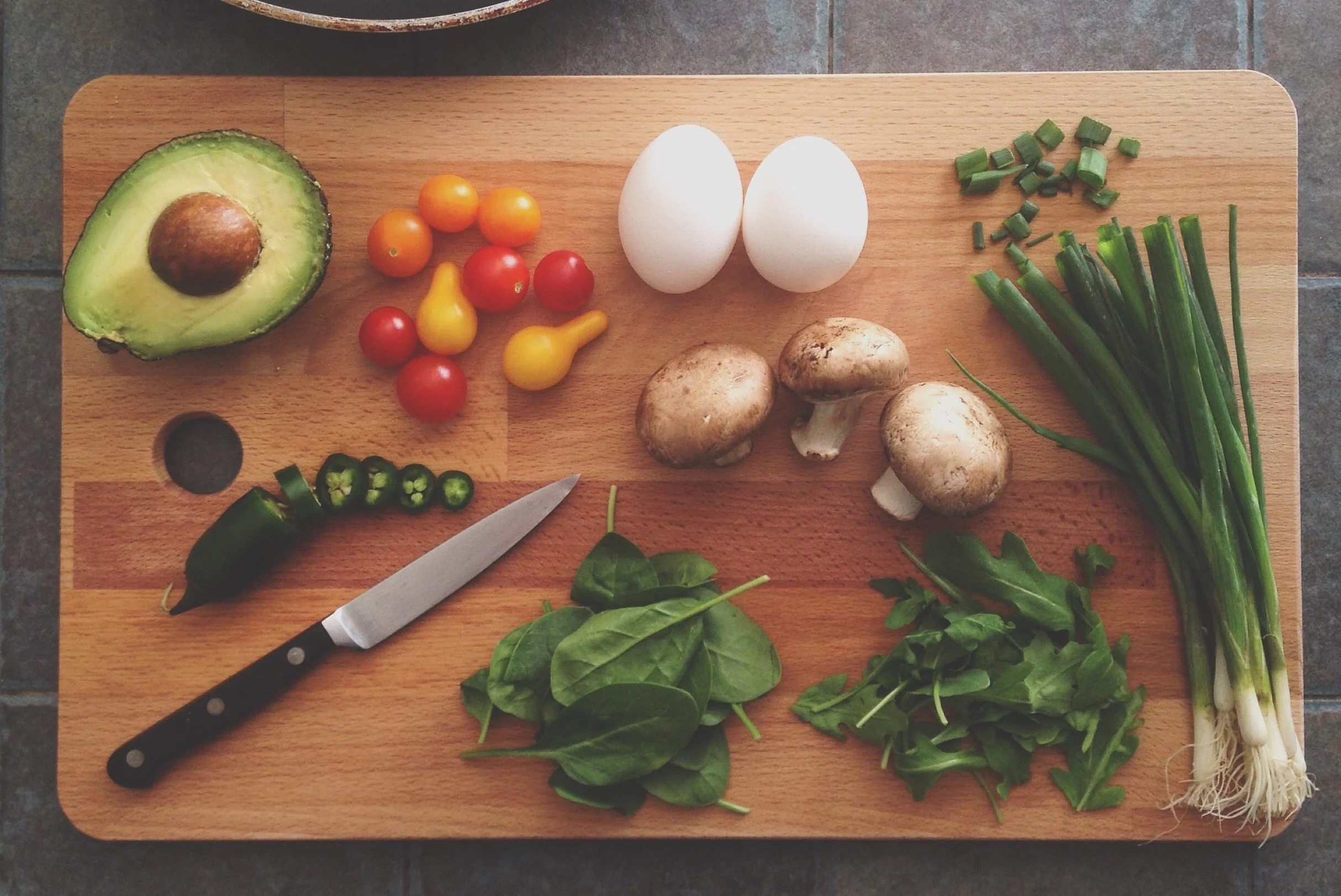
He adds spinach and other vegetables to his omelet in the morning and is frequently eating salads.

Before a game, he doesn’t load up on pasta like some other players. Instead, he opts for a smoothie with fruit, spinach, protein, and almond butter.

“That’s something I do every day before the game,” he said. “It helps me maintain that energy and feel full, but without making me feel heavy and slow throughout the game.”

Chicken and rice are fixtures in his daily diet as well.

One of Judge’s favorite cheat meals is pizza. “Especially being in New York, you can find some good pizza spots,” he said. “If it’s not pizza, it’s chicken parm or something like that. That’s my go-to.”

Judge’s favorite ice cream flavor is chocolate chip cookie dough.

Aaron Donald

Aaron Donald is the #1 rated NFL player going into the 2022 season. He is the best defensive player in the league and possibly of all-time. Donald helped lead the Los Angeles Rams to Super Bowl victory last season.

The 280-pound defensive lineman adheres to a strict diet, consisting of 50% carbs, 30% fat, and 20% protein. In a typical high-volume training day, he consumes 616 grams of carbs, 245 grams of protein, and 164 grams of fat. That amounts to nearly 5000 calories.

His top protein sources include chicken, milk, and protein smoothies (he can consume up to 12 smoothies in a day!). He gets his carbs from those smoothies as well as pasta, rice, and popcorn. Healthy fats for him come in the form of avocado, fish, and hummus.

Two of Aaron’s favorite meals are Breakfast Tacos and Dancing Meatballs (recipes included in the link). Breakfast tacos is the meal Aaron craves most, according to his personal chef, Arron Sain. They are made with spicy turkey sausage, eggs, spinach, onion, red pepper, and sharp cheddar cheese, wrapped in whole wheat tortillas.

Dancing meatballs got their name because when Donald first tried them, he danced because they were so good. The meatballs are more of a cheat day appetizer, made with ground turkey, 80/20 ground beef, eggs, ground croutons, garlic powder, onion powder, pepper, parsley, salt, red pepper flakes, and parmesan cheese.

Even with all that eating, Donald is able to maintain just 11% body fat, significantly lower than the average for his position.

Giannis Antetokounmpo

Giannis Antetokounmpo is one of the top players in the NBA, winning back-to-back MVP Awards in 2019 and 2020 and leading the Milwaukee Bucks to the NBA Championship in 2021.

Giannis usually follows a healthy diet to fuel his training and game days. For breakfast, he likes to eat an egg sandwich with a side of fruit.

After a game or tough workout, he typically recovers with a protein smoothie, consisting of strawberries, raspberries, banana, granola, and celery juice. The celery juice is thought to help reduce inflammation.

He also likes to eat pasta and chicken after games.

Originally from Greece, Giannis has enjoyed discovering some iconic (although not so healthy) American foods since joining the NBA, including corn dogs, Red Kool-Aid, and Oreos dunked in milk. He doesn’t eat much Greek food in the US, preferring to wait for his mom’s home cooking.

His favorite cheat meals include pepperoni pizza and lemon pepper chicken wings. Giannis also famously celebrated his NBA championship by visiting Chic-Fil-A for a feast of chicken nuggets.

…

There you have it — the eating habits of 4 top professional athletes. As expected, all of these superstars follow a healthy diet comprised of fruits, vegetables, and healthy proteins and fats.

But they all indulge as well.

That’s a good lesson for all of us — eat well but make sure to enjoy some treats along the way.

Tags Sports, Health, Food, Performance
Comment

Photo by Danielle Cerullo on Unsplash

Lift Weights, Live Longer

August 20, 2022

We know that regular aerobic exercise is associated with longer life, but the relationship between strength training and longevity has been less clear.

Until now.

A systematic review and meta-analysis, just published this month in the American Journal of Preventive Medicine, provides the strongest evidence to date that resistance training is associated with reduced risk of dying from any cause, including cardiovascular disease and cancer.

A total of 10 studies were included in the meta-analyses, finding that doing any resistance training at all lowered the risk of all-cause mortality by 15%, cardiovascular disease mortality by 19%, and cancer mortality by 14%.

A little strength training was determined to go a long way.

A maximum risk reduction of 27% was observed at around 60 minutes per week of resistance training.

Mortality risk reductions actually diminished at higher volumes.

This is in line with the current Physical Activity Guidelines, which call for 2 days of muscle strengthening activity per week as part of an overall exercise routine.

Just 2 days of strength training per week, 30 minutes per session, can lower your risk of dying by 27%.

That’s an excellent return on investment.

See you in the gym!

Tags Health, Exercise, Longevity
1 Comment

Photo by Rens D on Unsplash

Why You Should Add Cinnamon to Your Meals

August 17, 2022

Adding just a little bit of cinnamon to your diet can produce powerful health benefits.

Cinnamon is loaded with antioxidants, has potent anti-inflammatory properties, helps keep blood sugar in check, and protects against a range of diseases.

In fact, a recent meta-analysis of clinical trials in patients with metabolic diseases found that cinnamon led to significant reductions in:

  • Total Cholesterol (−11.67 mg/dL)

  • LDL Cholesterol (−6.36 mg/dL)

  • Triglycerides (−16.27 mg/dL)

  • Glucose (−11.39 mg/dL)

  • Waist Circumference (−1.68 cm)

  • Systolic Blood Pressure (−3.95 mmHg)

  • Diastolic Blood Pressure (−3.36 mmHg)

Cinnamon also had a favorable impact on HDL (“good”) cholesterol.

The analysis showed that the effects were most robust with cinnamon supplementation up to 1.5 grams.

Keep in mind that not all cinnamon is created equal. There are two main types of cinnamon: Ceylon and Cassia.

It is better to use Ceylon, also known as “true cinnamon.” The Cassia variety contains significant amounts of a compound called coumarin, which is thought to be harmful in large doses. Ceylon is much better in this regard.

…

Cinnamon is one of the healthiest spices in the world.

Add cinnamon to your daily diet by sprinkling it into oatmeal, smoothies, tea, yogurt, baked goods, or any other of your favorite foods.

Tags Health, Nutrition, Food, Longevity
1 Comment

3 Foods to Help You Live Longer

August 12, 2022

A healthy dietary pattern is known to promote health and longevity.

Typically this type of diet is characterized by eating lots of fruits, vegetables, whole grains, and some fish, and minimizing added sugar, refined grains, and processed meat. The Mediterranean Diet is a good example.

But there are also specific foods that have been proven to help you live longer. There are three in particular that are worthy of including in your daily diet:

Coffee

Drinking up to 3 cups of coffee per day is associated with a 12% lower risk of dying from any cause, a 17% lower risk of dying from cardiovascular disease, and a 21% lower risk of stroke.

Research also shows that the structure and function of the hearts of regular coffee drinkers is healthier than non-coffee drinkers.

Nuts

Just a handful of nuts per day is associated with a significantly lower chance of dying. Consuming just 28g of nuts per day (equivalent to about 23 almonds) is linked to a 22% lower risk of all-cause mortality, 15% lower risk of cancer, 21% decreased risk of cardiovascular disease, and a 29% lower risk of coronary heart disease.

Nuts are chock full of nutrition, including healthy fats, antioxidants, and fiber. Walnuts and almonds are two of the healthiest nuts, but all nuts have health benefits. Choose the ones you like best.

Olive Oil

Consuming just 7 grams of olive oil per day (about 1/2 a tablespoon) is associated with a 19% reduced risk of death by any cause, 17% reduced risk of cancer mortality, 19% reduced risk of cardiovascular mortality, 29% reduced risk of neurodegenerative mortality, and 18% reduced risk of respiratory mortality compared with people who don’t eat olive oil.

Olive oil is especially beneficial when replacing other less healthy fats. Researchers determined that replacing 10 grams per day of margarine, butter, or mayonnaise with the equivalent amount of olive oil is associated with a 8–34% lower risk of total and cause-specific mortality.

…

Coffee, nuts, and olive oil are staples of an everyday diet that taste great (according to many people) and produce powerful health benefits. If you are already consuming these foods, you can feel good knowing you’re likely adding years to your life.

If these foods aren’t yet a part of your diet, start with the one(s) you like and tolerate best. Caffeine isn’t for everyone, but it’s pretty easy to incorporate nuts and/or olive oil into your daily routine. Your future self will thank you.

Tags Health, Food, Nutrition, Longevity
2 Comments

Credit: Brett Jordan, Flickr

The Oldest Person in the World Eats Chocolate and Drinks Wine Every Day

August 4, 2022

If you want to live to 100 and beyond, perhaps you should follow the routine of the world’s oldest person.

That title currently belongs to 118-year-old Sister André (Born as Lucile Randon on February 11, 1904), a nun living in southern France. Sister André is the 4th-oldest human of all-time and the oldest survivor of COVID-19, overcoming the virus around the time of her 117th birthday.

How has she achieved such incredible immunity and longevity?

It could be the result of her daily indulgences. Specifically, she enjoys chocolate and drinks a glass of wine every single day.

In case you think this is just a coincidence and Sister André is an outlier, consider that the oldest person in recorded history — Jeanne Louise Calment who lived to be 122 years old — also ate chocolate and drank wine every day.

In fact, we know that drinking wine daily is one of the common denominators in the Blue Zones, the places around the world where people live the longest.

There is science behind why these treats actually produce health benefits.

People who drink moderate amounts of alcohol, including red wine, seem to have a lower risk of heart disease. This can be explained by the antioxidants in red wine, especially the polyphenol called resveratrol, which might help prevent damage to blood vessels, reduce LDL cholesterol (the “bad” cholesterol), and prevent blood clots.

Chocolate is also a powerful source of antioxidants, including polyphenols that lower blood pressure, improve cholesterol, and reduce heart disease risk. Some research has even shown that cocoa and dark chocolate have more antioxidant activity than common “superfoods” including blueberries.

Whatever the mechanism, chocolate and wine certainly aren’t hurting the longevity of the world’s longest-lived people.

If chocolate and wine are part of their daily habits, I don’t see why they shouldn’t be a part of ours, too.

Tags Health, Nutrition, Food, Longevity, Lifestyle
Comment

Photo by Bruno Nascimento on Unsplash

Want to Live as Long as Possible? This is How Much to Exercise

August 1, 2022

How much exercise should you do?

More.

A new study analyzed physical activity and medical records for more than 100,000 people over 30 years to determine the optimal amount of exercise for longevity.

The results showed that adults who did 2–4 times the recommended amount of physical activity lived the longest.

Current guidelines call for adults to engage in at least 150–300 minutes per week of moderate physical activity or 75–150 minutes per week of vigorous physical activity, or an equivalent combination of both.

The good news is that simply meeting the lower end of these recommendations helps you live longer.

The analysis showed that meeting the guidelines for vigorous physical activity was associated with a 19% lower risk of death and hitting the moderate intensity recommendations resulted in a 20–21% lower risk of death.

That’s a pretty good return on investment for under 30 minutes of exercise per day.

But going above and beyond is even better.

Doing 2–4 times the recommended amount of vigorous physical activity (150–300 minutes per week) was associated with a 21–23% lower risk of death from all causes.

Engaging in 2–4 times more than the recommended amount of moderate physical activity (300–600 minutes per week) led to a 26–31% lower risk of mortality.

Going above 4x the recommendations (300 minutes of high intensity physical activity or 600 minutes of moderate intensity physical activity) was not shown to be harmful, but it didn’t yield any additional health benefits.

The study concluded that performing 150–300 minutes per week of vigorous physical activity, 300–600 minutes per week of moderate physical activity, or an equivalent combination of both, is optimal to maximize lifespan.

A good idea is to take up a sport as this will help you get your exercise in at least a few times per week. Think carefully about what sport might be best for you, and which you think that you will enjoy the most. Do your research, and ensure that you get as much information before you get started.

Consider what types of exercise you could do in order to really test your body’s strength and resilience. For example, Team Ropes are a great piece of equipment to have when it comes to sports, especially where rodeo events are concerned.

If you decide to take up running, which can be an incredible sport to raise your fitness level, make sure to choose a smooth route. While it’s important to challenge yourself, tripping on uneven terrain could lead to a bad injury that could hinder your exercising for a long time. If you’ve been a victim of uneven terrain already, speak to an injury lawyer, especially if it’s on pavement that should have been fixed. A claim could help you get the treatment you need to get back to exercising sooner.

You can look at a site like Pitchmarks for example if you decide to take up golf to get ideas for your game, and reviews.

Very few people achieve this level of physical activity. It is a worthy goal to be one of them.

Tags Health, Longevity, Sports, Exercise
2 Comments

Photo by HowToGym on Unsplash

The Most Proven Sports Performance Supplements

July 28, 2022

Athletes are always seeking an edge. In my experience, this is true of the pros and weekend warriors alike.

Achieving peak athletic performance requires physical conditioning, sport-specific training, and a dialed-in nutrition plan.

But once these foundational elements are in place, supplements can make the difference for those last few percentage points.

If you are looking to boost your athletic performance, there are only a handful of truly evidence-based supplements.

These are the best of the best, according to the International Journal of Sport Nutrition and Exercise Metabolism:

Caffeine

Anecdotally, I know my morning run feels a whole lot easier after a couple cups of coffee. It turns out my experience is backed by science.

In fact, caffeine has been shown to improve endurance capacity (e.g. running, cycling, swimming), speed (short sprints), and strength (weight lifting).

Low to moderate doses of caffeine (3–6 mg per kg of body weight), consumed 60 minutes pre-exercise, appear to have the most consistent performance benefits. That equates to roughly 2–4 standard cups of coffee for a 150lb person.

Low doses of caffeine (100–300mg) consumed during endurance exercise have also been shown to enhance performance. This is why you often see caffeine coming in chewing gum, sports gels, or energy bars.

When consumed in these quantities, before and/or during exercise, athletes have seen performance improvements in the range of 1–8%.

Of note, higher doses of caffeine (more than 9mg per kg of body weight, equivalent to 6+ cups of coffee for 150lb person) can hurt performance, causing nausea and anxiety.

Creatine

Creatine Monohydrate has been one of the most widely-studied sports supplements, with consistently positive performance benefits.

Creatine has been shown to enhance lean mass, maximal power/strength, and performance of short high-intensity exercise (less than 2.5 minutes, with the most robust effects for bursts of less than 30 seconds). The benefits of creatine for endurance exercise are less clear.

The most common strategy for creatine supplementation includes a loading phase of ~20g per day for 5–7 days, followed by a maintenance phase of 3–5g per day after that. Some people choose to bypass the loading phase and just start with the maintenance phase, which is effective but takes longer for creatine stores to build up in the muscles (30 days vs. 5–7 days).

Research has shown that it is safe to consume creatine daily, even over several years. Some reports have even shown that creatine has anti-inflammatory benefits and reduces exercise-induced oxidative stress.

If consumed properly, creatine can improve strength or high-intensity performance by 1–15%.

Nitrates

Dietary nitrates have been shown to improve performance in endurance sports.

Leafy green and root vegetables (e.g. spinach, arugula, celery) are the primary source of dietary nitrates, but beet juice is the supplement that has been studied most, with consistent performance benefits.

Nitrate supplementation can yield significant improvements (4–25%) in time to exhaustion. These benefits have been seen mostly in exercise that lasts between 12–40 minutes, but improvements in the range of 1–4% have been observed in shorter, sprint-based workouts as well.

It appears to be most effective to consume 1–2 cups of beet juice 2–3 hours before exercise. Following this routine for more than 3 days can be beneficial, especially for well-trained athletes. In fact, performance benefits can be maintained for at least 15 days if beet juice is consumed daily.

Beta-Alanine

Beta-Alanine supplementation has been shown to improve high-intensity exercise performance.

It can increase maximal exercise tolerance by 2–3%, most notable in workouts lasting 30 seconds to 10 minutes.

Beta-alanine dosing strategies usually involve split doses consumed over the course of the day and/or slow release formulations to minimize side effects (paraesthesia — described as “tingling of the skin”).

A split dose of 3.2–6.4 g per day (about 65mg per kg of body weight) per day, taken for a minimum of 2–4 weeks up to 12 weeks, appears optimal to enhance high-intensity exercise performance.

Sodium Bicarbonate

Sodium bicarbonate, also known as baking soda, has been shown to enhance high-intensity exercise performance.

Benefits have typically been seen in short sprints lasting around 60 seconds, with a diminishing return in workouts of more than 10 minutes.

The performance improvements range from 2% for a single sprint to over 8% for repeated bouts.

Sodium bicarbonate supplements can be found in capsule or tablet form. The optimal dose appears to be 0.2–0.4g per kg of body weight, taken 60–150 minutes prior to exercise. Splitting this amount into several smaller doses throughout the day can help to minimize GI upset, which is a common side effect.

One final proven supplement to mention is Protein. It is generally recommended to consume at least 20 grams of protein after an intense workout to support muscle recovery and growth. Adequate protein intake over the long term enhances performance, with a daily recommended intake for athletes of up to about 2g per kg of body weight.

…

If you are training hard and eating right but still seeking a competitive edge, these supplements might do the trick.

As most athletes know, small performance improvements can go a long way.

Tags Sports, Nutrition, Health, Food, Performance
1 Comment

Photo by Freddy G on Unsplash

Why You Should Eat More PB&Js

October 28, 2021

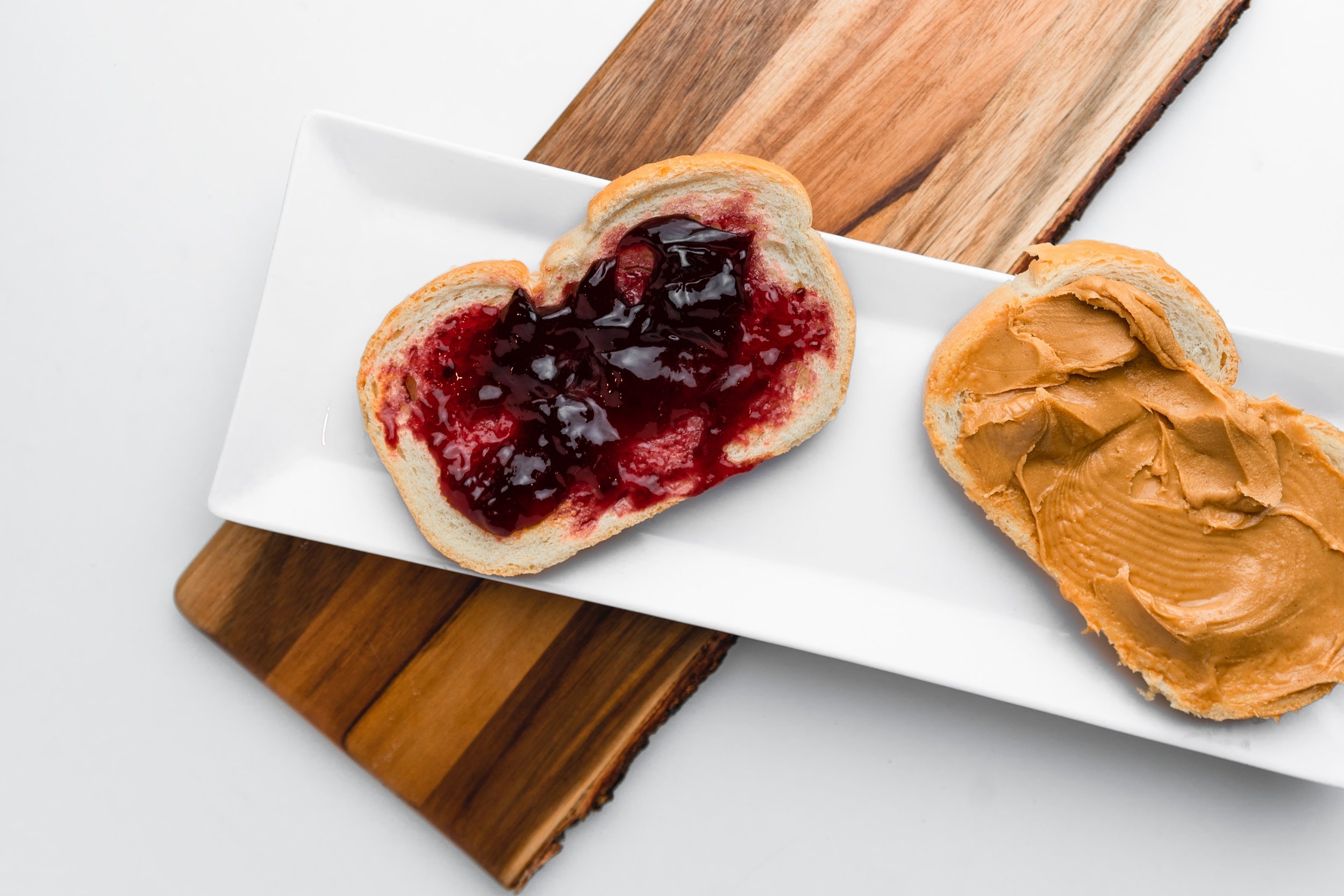
Although not traditionally thought of as a health food, the peanut butter & jelly sandwich is performance fuel for top athletes and could even extend your life.

A few years ago, ESPN published a feature story calling the PB&J the “NBA’s Secret Addiction.” In the article, the PB&J was credited for helping power the Boston Celtics’ 2008 NBA Championship, before sweeping across virtually every other team in the league.

Last season’s NBA champions, the Milwaukee Bucks, have been known to scarf down 20–30 PB&Js per game and travel with the ingredients. And LeBron James, one of the greatest basketball players of all-time, has said the PB&J is his go-to food right before game time.

Basketball players are not alone. NHL star Sidney Crosby, MLB legend Derek Jeter, and NFL champ Rob Gronkowski have also made the PB&J their secret weapon.

Even notorious health fanatic Tom Brady — the greatest football player of all-time — admitted this is his pre-game meal of choice. Although Brady opts for a slight variation — an almond butter and jelly sandwich. For what it’s worth, golfer Dustin Johnson also prefers the almond butter and jelly combo.

If you are an athlete, you would be wise to follow the playbook of these legends.

But even if you’re not, PB&Js appear to deliver impressive health benefits. In fact, a study from earlier this year concluded that eating a PB&J can add 33 minutes to your life! That’s as good a reason as any to reach for this comfort classic. “Make more PB&Js” even made it into a recent list of 100 things to do to help you live to 100.

…

In terms of why PB&Js are so beneficial, you can point to their healthy fats, carbs, and protein that deliver both fast-acting and sustained energy. The healthiest PB&Js contain whole grains in the bread, berries in the jelly, and peanuts — all of which have been independently associated with health improvements. When packaged together, it is a combination that is hard to beat.

I personally make my PB&J with Ezekiel 4:9 Sprouted Whole Grain English Muffins, Bonne Maman Raspberry Preserves, and Teddie Smooth Unsalted All Natural Peanut Butter. PB&Js fuel me before tough workouts or simply as a mid-afternoon snack.

It is no surprise that PB&Js have become so popular — in addition to their health benefits, they are easy to prepare and portable, substantial enough to keep you satisfied, and yet light enough not to weigh you down. They also bring back happy childhood memories for so many of us.

Hopefully this article helps you stay a kid at heart and continue incorporating PB&Js into your daily routine.

Tags Health, Food, Nutrition, Longevity, Sports
3 Comments

Why You Should Eat (a High-Fiber) Breakfast

October 23, 2021

Skipping breakfast is common in many intermittent fasting protocols, but research suggests this practice could shorten your life.

Numerous studies show the benefits of eating breakfast, including reduced heart disease, lower risk of type 2 diabetes, less inflammation, and substantially lower all-cause mortality.

Eating breakfast is beneficial, but what you consume for breakfast matters a lot as well.

A large study from July 2021, published in The Journal of the American Board of Family Medicine, found that regularly eating breakfast is associated with lower overall and cardiovascular mortality, particularly when consuming more than 25 grams of fiber per day.

Eating breakfast and consuming more than 25g of fiber per day corresponded with having 21% lower all-cause mortality than people who ate breakfast but had lower fiber intake.

That could lead you to believe fiber is responsible for all the health benefits, but there was no association found between fiber intake and mortality in non-breakfast eaters.

All breakfast eaters fared better than non-breakfast eaters, but the combination of breakfast and high fiber was most protective.

Based on this research, it would be smart to start your day with a high-fiber breakfast. Good options include oatmeal, whole grain cereal, fruit, nuts, and seeds.

I personally eat oat bran every morning, topped with mixed berries, walnuts, and pumpkin seeds.

If you choose to practice intermittent fasting, it is advised to shift your eating window earlier in the day, as opposed to skipping breakfast.

Eating breakfast — in combination with high fiber intake — appears to play a key role in overall health and longevity.

Tags Health, Food, Longevity, Lifestyle
Comment
Photo by Jannis Brandt on Unsplash

Photo by Jannis Brandt on Unsplash

These 5 Healthy Habits Can Add Nearly 15 Years of Life Expectancy

October 12, 2021

The United States spends the most money on health care per capita (over $12,000), yet has one of the lowest life expectancies (79.1 years) of all developed countries (rank: #46).

Perhaps this is because we focus so much of our effort on treating diseases instead of preventing them in the first place.

While potent life-extending drugs may be on the horizon, there is a lot we can do today to prolong healthy lifespan.

Researchers from Harvard’s T.H. Chan School of Public Health conducted a massive study to determine the impact of healthy habits on life expectancy, drawing upon data from more than 120,000 people over a span of 34 years.

The findings showed that 5 specific healthy lifestyle habits produce significantly longer lives. Meeting the criteria for all 5 of these habits at age 50 correlated with living 14 years longer for women and 12 years longer for men. That would mean over $100 trillion in health-care savings, according to Harvard biologist David Sinclair. Here are the 5 habits:

1. Eating a Healthy Diet

Characterized by eating more healthy foods like vegetables, fruits, nuts, whole grains, healthy fats, and omega-3 fatty acids, and less unhealthy foods like red and processed meats, sugar-sweetened beverages, trans fat, and sodium.

2. Regular Physical Activity

Doing at least 30 minutes of moderate to vigorous activity per day.

3. Maintaining a Healthy Body Weight

Defined as having a normal body mass index (BMI), which is between 18.5 and 24.9.

4. Not Smoking

Defined as never having smoked.

5. Moderate Alcohol Intake

Measured as between 5–15 grams per day for women and 5–30 grams per day for men. A typical drink contains about 14 grams of pure alcohol (e.g. 12 ounces of regular beer, 5 ounces of wine, or 1.5 ounces of distilled spirits).

Based on the data, if you check the box for all 5 of these habits by age 50, you can expect to live to about 93 if you’re a woman and 88 if you’re a man.

Conversely, people with none of these habits are far more likely to die prematurely from cancer or cardiovascular disease.

The more healthy habits people had the better, but anything is better than nothing. The researchers found that just one healthy habit — and it didn’t matter which one — extended life expectancy by 2 years in men and women.

These findings are consistent with previous research. A 2017 study showed that people 50 and older who had a normal weight, never smoked, and drank alcohol in moderation lived on average 7 years longer. And a 2012 large-scale analysis of over 500,000 people found that more than half of premature deaths were due to lifestyle factors such as poor diet, inactivity, obesity, excessive alcohol consumption, and smoking.

A drug rehab can also help kick this addiction.

…

If you want to live as long and healthy a life as possible, don’t wait until you have a disease.

Start incorporating these 5 healthy habits into your life now.

True longevity drugs seem to be coming, but that will only matter if you live long enough to see them.

Tags Health, Longevity, Food, Exercise, Lifestyle
Photo by Brooke Lark on Unsplash

Photo by Brooke Lark on Unsplash

11 Foods and Drinks to Consume Every Day

September 13, 2021

Certain foods and drinks deliver outsized benefits when included in your daily diet. Here are 11 to consume every day:

1. Coffee

If you can tolerate caffeine, starting your day with coffee can power up your mind and body. Drinking 3–5 cups of coffee daily has been associated with a decreased risk of dementia by 65% and Alzheimer’s disease by 64%.

2. Green Tea

I like to say coffee in the am + green tea in the pm = recipe for health. Green tea has lower caffeine content than coffee, so it’s a better option for later in the day. EGCG, the most abundant and powerful antioxidant in green tea, has been shown to protect against cancer.

3. Honey

Add a small spoonful of honey to your green tea for additional health benefits. Honey is considered one of the top longevity foods in the Blue Zones, used throughout history for its anti-microbial and anti-inflammatory properties.

4. Oat Bran

Oat bran is a terrific breakfast option. Loaded with fiber, oat bran has been proven to lower blood pressure and improve the gut microbiome after just 3 months of daily consumption.

5. Blueberries

If you want to double your benefits, add a cup of blueberries to your oat bran in the morning. Blueberries have also been shown to lower blood pressure and enhance arterial function.

6. Walnuts

Triple your benefits by topping your breakfast bowl with a handful of walnuts. Eating walnuts is associated with living longer, in particular reducing the risk of dying from cardiovascular disease.

7. Leafy Greens

For lunch, make it a big salad loaded with leafy greens. Consuming a big salad every day is associated with the brain being 11 years younger.

8. Extra Virgin Olive Oil

Top your salad with EVOO, which has been proven to lower blood pressure while improving absorption of carotenoids and other fat-soluble vitamins found in the salad.

9. Turmeric

Sprinkle a small amount of turmeric root powder into your salad to dial up the nutrition even more. Less than a teaspoon of turmeric a day appears to significantly lower the DNA-mutating ability of cancer-causing substances.

10. Dark Chocolate

For a healthy mid-afternoon snack that also indulges your sweet tooth, reach for a square of dark chocolate. The flavonols in dark chocolate have been shown to increase blood flow, prevent blood clots, and even protect against memory decline.

11. Beet Juice

Wash your dark chocolate down with a glass of beet juice, which is another product on this list proven to lower blood pressure. If you are an athlete, beet juice can help even further — it has been shown to improve exercise stamina and increase physical performance.

…

There you have it — 11 foods and drinks to incorporate into your daily diet. As shown above, many of these can be combined for synergistic effects. If you follow the combinations outlined in this article, you’ll power through all 11 by mid-afternoon.

Do that, and you’re playing with the house’s money for the rest of the day!

Tags Health, Food, Lifestyle, Longevity
Comment
Image by Mike Goad from Pixabay

Image by Mike Goad from Pixabay

Why You Need to Pay Attention to Apple Cider Vinegar

August 24, 2021

Food is one of the most important parts of human life.

Without food, we won’t get the nutrition and fuel we need to perform optimally in our daily lives. And we know that food choices play a pivotal role in health and longevity.

While your overall dietary pattern is most important, certain foods and supplements can offer additional benefits. In this article, I take a closer look at apple cider vinegar and some of its powerful effects.

What is Apple Cider Vinegar?

Apple cider vinegar is more than just the bottle at the back of your pantry. In fact, Smithsonian Magazine says ACV has a history dating back thousands of years.

It is made from a fairly simple process that has stayed the same for centuries: sliced apples are put into a jar of water, covered loosely with cheesecloth or other breathable fabric, and then left to ferment at room temperature for months.

The natural sugars ferment, forming ethanol which is then converted by bacteria into acetic acid. You’ll often find ACV with cloudy strands, known as the ‘mother’, which are enzymes and probiotics strung together.

What are the Health Benefits of Apple Cider Vinegar?

Like many fermented foods, apple cider vinegar has numerous health benefits. According to Brightcore, apple cider vinegar is packed with nutrients, including vitamins B and C, plant-based antioxidants, polyphenols, probiotics, and more.

MedicineNet notes that ACV can help control blood sugar levels, lower the risk of high cholesterol and high blood pressure, and improve cardiovascular health. There’s even anecdotal evidence that ACV can help with weight loss by improving gut health and boosting metabolism.

How Can You Use Apple Cider Vinegar?

There are many different uses for apple cider vinegar. It can be used as part of a tangy salad dressing or as an addition to your morning tea.

It is also a popular ingredient in many home remedies. If you have a sore throat, try mixing ACV with some honey for a soothing solution. Apple cider vinegar’s antibacterial and antiviral properties can make it a powerful immune booster, both in your gut and beyond.

If you have skin concerns, Taste of Home says apple cider vinegar’s anti-inflammatory properties make it a great natural skincare solution. It can be used as a light exfoliant to unblock clogged pores and restore the pH balance of your skin. ACV has also been used as a remedy for sunburns and rosacea.

Apple cider vinegar can also be used as a safe, natural alternative to many cleaning solutions. It is a light acid with antibacterial properties, so you can keep your home clean without worrying about chemical side effects.

For such a simple product, apple cider vinegar is incredibly versatile.

Depending on your needs, try putting ACV to use as a health and immunity booster, skincare solution, home remedy, or cleaning aid.

Photo by Jessica Lewis on Unsplash

Photo by Jessica Lewis on Unsplash

This is How Much Coffee to Drink to Protect Your Brain

August 13, 2021

It is well known that coffee causes energy and alertness, but coffee can also be a potent cognitive enhancer.

Coffee seems to strongly protect against Alzheimer’s disease and other forms of dementia — but there is a sweet spot consumption range to keep in mind.

In the CAIDE study (Cardiovascular risk factors, Aging and Dementia), drinking 3–5 cups of coffee per day at midlife (average age 50.4 years) was associated with a decreased risk of dementia by 65% and Alzheimer’s disease by 64% after a 21-year follow-up.

That finding is consistent with another study — the FINE study (Finland, Italy and the Netherlands Elderly) — which found that elderly men who drank 3 cups of coffee per day had the lowest amount of cognitive decline over the following 10 years.

Zooming out a bit further, a large systematic review conducted last year looked at 61 different studies between 1990 and 2020, examining the link between caffeine consumption and dementia risk. The analysis found that moderate caffeine intake (100–400 mg/day) was associated with improved cognitive function, whereas low (<100 mg/day) and high (>400 mg/day) caffeine intake generally had no impact on risk of dementia or cognitive performance.

And then just a couple months ago, another large study was published that analyzed data from nearly 400,000 people in the UK — also looking at the relationship between caffeine and brain function. The results showed increased risk for dementia among non-coffee and decaffeinated coffee drinkers, as well as those drinking more than 6 cups per day, but moderate coffee drinkers were protected.

As with many things, the dose makes the poison. That study found that drinking more than 6 cups per day was associated with 53% higher odds of dementia compared to moderate coffee drinkers.

…

Looking at all of the data — if you can tolerate caffeine and enjoy drinking coffee — it’s best to keep your consumption to 3–4 cups per day (assuming each cup contains roughly 80–100mg of caffeine).

That amount appears to offer optimal cognitive benefits without the risks of excessive consumption.

Andrew Merle is a certified Nutritionist who writes about simple, evidence-based health tips that can improve your life.

Tags Health, Food, Diet, Longevity, Lifestyle
Comment
pratik-bachhav-5p6B2SGx1qc-unsplash.jpg

Eat Walnuts and Almonds to Improve Your Health

August 11, 2021

Nuts can have a powerful impact on your health.

Nuts are the most common snack among centenarians in the Blue Zones — the places around the world where people live the longest — where they eat two handfuls of nuts per day.

Recently a couple of studies have pointed to two types of nuts with especially potent health benefits.

The first study, published last week in the journal Nutrients, analyzed data from 67,014 women and 26,326 men over a period of 20 years. The study found that eating walnuts was associated with a longer life expectancy. Specifically, a greater life expectancy at age 60 (1.30 years in women and 1.26 years in men) was observed among people who ate more than 5 servings a week of walnuts compared to those who did not eat any walnuts. A serving size was defined as 28 grams (1 ounce).

Eating walnuts was shown to reduce all-cause mortality, especially the risk of dying from cardiovascular disease. Consuming walnuts more than 5 times per week cut the risk of cardiovascular disease mortality by 25%, relative to non-consumers. This could be explained because walnuts contain a high amount of alpha-linolenic acid (ALA), compared to other nuts. ALA is a plant-based omega-3 fatty acid, which has been shown to improve blood lipids and endothelial function. Walnuts have also been proven to protect against obesity and oxidative stress.

Another recent study, published in June in the journal Frontiers in Nutrition, points to the health benefits of almonds. Among 219 adolescents and young adults ages 16–25, eating 56 grams of almonds daily — roughly two handfuls, approximately 50 total almonds — significantly decreased blood sugar, total cholesterol, and LDL cholesterol in just 90 days. The benefits of almonds could be attributed to their high quantity of monounsaturated fat and antioxidant content. Other studies have shown beneficial health effects from eating just 20 grams of almonds.

…

Taken together, when looking at the Blue Zones data plus the results of these two studies, it would be advised to consume two handfuls of nuts per day. While all nuts likely have health benefits, walnuts and almonds are two of the best.

More is not necessarily better. A 1-ounce serving of walnuts contains 185 calories and the same size serving of almonds has 170 calories. That means two servings adds up to 355 calories, roughly 15% of a typical daily diet.

For optimal health benefits, choose raw or dry-roasted nuts, without added sugar, salt, or oil.

Andrew Merle is a certified Nutritionist who writes about simple, evidence-based health tips that will improve your life.

Tags Health, Food, Diet, Nutrition, Longevity, Lifestyle
Comment
Photo by Tetiana Bykovets on Unsplash

Photo by Tetiana Bykovets on Unsplash

Why You Should Eat Chocolate in the Morning

July 19, 2021

It turns out that eating chocolate first thing in the morning has some impressive health benefits.

A recent randomized controlled trial showed that eating a large amount of milk chocolate (100 grams) within 1 hour of waking up in the morning actually helps to burn body fat and lower blood sugar levels.

You probably associate chocolate with weight gain, but this study will make you think again. In the study, 19 women were assigned to eat 100 grams of milk chocolate either in the morning with breakfast (within 1 hour of waking up) or in the evening (within 1 hour of going to sleep) for a period of 2 weeks.

100 grams of milk chocolate packs a whopping 31 grams of fat, 58.4 grams of carbohydrates, 57.5 grams of sugar, and 542 calories! Despite all of these extra calories — and being able to eat as much as they wanted throughout the day in addition to the chocolate — the women did not gain any body weight.

In fact, the women who ate chocolate in the morning actually reduced their waist circumference by 1.7% and spontaneously cut back on their daily calorie intake by 16%. Specifically, they had less desire for other forms of sweets.

Eating chocolate at night didn’t have any impact on waist circumference and caused only slight reductions in calorie intake.

The morning chocolate eaters also burned fat 25.6% more than the evening chocolate group (the evening chocolate eaters were predominantly burning sugar).

Additionally, eating chocolate in the morning decreased fasting glucose by 4.4% compared to eating no chocolate, whereas eating chocolate at night increased fasting glucose by 4.9% compared to morning chocolate.

Daily levels of cortisol — the body’s primary stress hormone — were also lower when eating chocolate in the morning than at night, helping to boost mood and lower stress (while reducing stress-related eating).

Eating chocolate — regardless of timing — also had a beneficial impact on the gut microbiome, increasing microbial diversity and beneficial bacteria while inhibiting potentially harmful bacteria. This could be due in part to the modest fiber content in chocolate (1.8 grams of fiber in 100 grams of milk chocolate).

100 grams of milk chocolate also delivered 854.3 mg of extra polyphenols (mainly epicatechin and catechin) per day, yielding powerful antioxidant and anti-inflammatory benefits.

…

Overall these results show that you can feel perfectly fine about satisfying your sweet tooth with some chocolate.

In fact, eating a large chocolate bar with breakfast might just be the ideal way to start your day.

Andrew Merle is a Certified Nutritionist who writes about simple, evidence-based health tips that will improve your life.

Tags Food, Health, Diet, Lifestyle
Comment
Photo by Ömer Yıldız on Unsplash

Photo by Ömer Yıldız on Unsplash

Why You Should Eat More Mushrooms

July 2, 2021

Mushrooms are superfoods that protect both your brain and body.

A recent large study published in the Journal of Alzheimer’s Disease found that eating mushrooms can cut your risk of cognitive decline in half.

Specifically, adults who consumed more than two portions of mushrooms weekly had 50 percent reduced odds of having mild cognitive impairment, an early stage of memory loss or other form of cognitive decline.

A portion was defined as three quarters of a cup of cooked mushrooms with an average weight of around 150 grams. While two portions (roughly half a plate) had the most protective effect, even one small portion of mushrooms was shown to be beneficial to reduce the risk of cognitive decline.

Six types of mushrooms were included in the study: Golden, oyster, shiitake, white button, and dried and canned mushrooms. However, it is likely that other mushrooms would have beneficial effects as well.

The researchers believe the brain-boosting benefits in mushrooms could come down to a compound called ergothioneine found in almost all varieties. Ergothioneine is a potent antioxidant and anti-inflammatory amino acid which people are unable to make on their own. It can only be obtained from food, with mushrooms by far being the main dietary source.

Other compounds in mushrooms may also help preserve cognitive function. These include hericenones, erinacines, scabronines and dictyophorines that support the growth of brain cells. Additionally, bioactive compounds in mushrooms may protect the brain from neurodegeneration by inhibiting production of beta amyloid and phosphorylated tau, two proteins whose accumulation in the brain coincides with Alzheimer’s disease.

If brain protection wasn’t enough, higher mushroom consumption is also associated with a lower risk of cancer. A recent review published in Advances in Nutrition looked at 17 cancer studies published from 1966 to 2020, analyzing data from more than 19,500 cancer patients to explore the relationship between mushroom consumption and cancer risk.

Researchers found that people who ate just 18 grams of mushrooms daily had a 45% lower risk of cancer compared to those who did not eat mushrooms. When specific cancers were examined, mushrooms were found to have the most protective effect against breast cancer.

Again, the compound ergothioneine was identified as the central hero, due to its role as an antioxidant and cellular protector. Shiitake, oyster, maitake, and king oyster mushrooms have notably high amounts of ergothioneine, but people who ate any variety of mushrooms on a daily basis were shown to have a lower risk of cancer.

…

Regardless of the exact mechanism, mushrooms clearly have powerful health benefits.

Incorporate mushrooms into your daily diet by adding them to salads, stir-fries, soups, or omelettes.

Your body and mind will thank you.

Andrew Merle is a Certified Nutritionist who writes about simple, evidence-based health tips that will improve your life.

Tags Food, Health
1 Comment
Photo by Sharon Pittaway on Unsplash

Photo by Sharon Pittaway on Unsplash

Eat More Fruits and Vegetables, Slow the Aging Process

April 27, 2021

We now have evidence that eating more fruits and vegetables is directly related to having longer telomeres — which helps to slow the aging process.

Telomeres are the DNA protein caps that provide stability and shield the ends of chromosomes, often compared to the plastic tips at the end of shoelaces.

When shoelace tips break down, the laces become frayed until they can no longer do their job. The same is true for telomeres — when they erode, DNA strands become damaged and our cells can’t do their job.

Telomere length is maximum at birth and decreases progressively with age, influenced by oxidative stress, inflammation, and repeated cell replication over the course of your life. Shorter telomeres are associated with higher incidence of chronic disease and all-cause mortality.

If you want to slow the aging process, you need to keep your telomeres intact.

…

A recent large study showed that the more servings of fruits and vegetables you consume, the longer your telomeres tend to be.

The study looked at a random sample of 5448 US adults (average age of 46.5 years old) and found that telomeres were 27.8 base pairs longer for each 100g (3.5 ounces) of fruits and vegetables consumed per day. That equates to 1.9 years less biological aging, according to the researchers.

When comparing people who consumed the most fruits and vegetables per day (in this study, that was at least 264g/day, or roughly 3.5 servings per day) to those who consumed virtually none, the difference was 4.4 years of cellular aging.

These results were found even after factoring in age, gender, race, BMI, alcohol consumption, smoking, and physical activity.

The findings mentioned were for men and women combined, but there were some notable differences for men vs. women. For women, fruits and vegetables were each associated with improved biological aging. Whereas for men, vegetable intake was related to increased telomere length, but fruit consumption was not. The reason for this isn’t clear, but for both sexes vegetable intake had a more robust relationship with telomere length than fruit.

Additionally, for both genders, intake of potatoes and legumes was not related to telomere length, when analyzed separately from other vegetables.

The exact mechanism of how fruits and vegetables preserve telomeres isn’t known, but it is likely through reducing inflammation and oxidative stress and strengthening immune function.

…

This is the latest study to show that what you eat directly relates to telomere length and cellular aging. Previous studies have shown that nuts and seeds and dietary fiber are both associated with longer telomeres and decreased biological aging. Sugar-sweetened soda, on the other hand, is predictive of shorter telomeres.

This current study only looked at fruit and vegetable consumption — both including and excluding potatoes and legumes — but did not factor in other foods. It should be noted that people who eat large amounts of fruits and vegetables typically also consume other ‘healthy’ foods such as whole grains, nuts, and seeds, which could explain some of the positive results.

…

Overall these findings support increasing your fruit and vegetable consumption, with a specific emphasis on vegetables.

The World Health Organization recommends eating at least 400g (equivalent to 5 portions of 80g each) of fruit and vegetables per day, excluding potatoes and other starchy roots.

Studies have shown that all-cause mortality drops 5–6% for each daily serving of fruits and vegetables, with a threshold of about 5 servings per day.

Other research has demonstrated that the highest risk reduction is seen with 7 servings of fruits and vegetables per day.

When it comes to fruits and vegetables, more seems to be better.

In terms of which fruits and vegetables to eat, aim for a wide and colorful variety, but in general favor low-glycemic and non-starchy options. Dark leafy greens, cruciferous vegetables, and berries are some of the best.

I like to hit my daily fruit and vegetable goal by eating a bowl of mixed berries in the morning (blueberries, raspberries, blackberries) followed by a big salad for lunch. That fills my daily quota before even getting to dinner (although I usually have another serving of veggies with dinner as well).

If you want to slow the biological clock, find the fruits and vegetables you like most and incorporate them frequently into your daily diet.

Andrew Merle is a Certified Nutritionist who writes about simple, evidence-based health tips that will improve your life. Subscribe to his email list at andrewmerle.com.

Tags Health, Food, Longevity, Lifestyle, Wellness
Comment
← Newer Posts Older Posts →

SEARCH:


xJGh6cXvC69an86AdrLD98-320-80.jpg

View Andrew's work on Medium


COMMON THEMES:

  • Books
  • Business
  • Coffee
  • Diet
  • Exercise
  • Finances
  • Fitness
  • Food
  • Health
  • Lifestyle
  • Longevity
  • Nutrition
  • Performance
  • Psychology
  • Sports
  • Success
  • Technology
  • Travel
  • Wellbeing
  • Wellness
  • Work
  • excercise
  • habits
  • happiness
  • health
  • productivity
  • sleep
  • success
  • time management
  • well-being