• Home - Popular Posts
  • About
  • Contact
  • Blog
Menu

Andrew Merle

Wellness, Habits, and High-Integrity Growth
  • Home - Popular Posts
  • About
  • Contact
  • Blog

Subscribe

Sign up with your email address to receive the latest stories and content.

We respect your privacy.

Thank you!

The Best Home-Medical Tools for a Sore Back

November 23, 2022

No one wants to experience a sore or painful back which is why having these at-home medical tools will help alleviate back pain when you need it.

Body pain happens whether you expect it or not. It could result from an intense workout, work stress, or simply shifting your body awkwardly. Still, no one wants to experience intense pain or soreness. If you do, consult a doctor immediately. If your soreness isn’t intense, you can try some home-based remedies. Check out the best home-medical tools for a sore back below.

Back Roller

Back rollers are some of the simplest tools you can use to alleviate back stress. Whether you’re an athlete or someone who needs something to dig into sore muscles, a foam roller is an affordable, easy-to-use option. They come in a wide variety of shapes, sizes, and materials to choose from. Lighter foam rollers are more cost-efficient but may not dig deep into knots or sore muscles as efficiently as heavier ones. In either case, they function the same. Simply lay down on the foam roller where it hits the pressure point and roll back and forth across the roller. You may feel discomfort as it passes over sore muscles, but after continual use, you should feel relief from tightness.

TENS Stimulation Unit

A more advanced option for releasing tense muscles is a TENS stimulation unit. TENS stands for transcutaneous electrical nerve stimulation. These wearable massage tools provide electromagnetic stimulation to encourage recovery and healing in the muscle. TENS units supply low-voltage electrical currents to stimulate the contact area, thereby reducing spasms, increasing blood circulation, and breaking up lactic acid buildup. They are among the most advanced tools for back relief available for people who need serious medical-grade recovery at any moment’s notice.

Heating and Cooling Pads

Finally, heating and cooling pads remain some of the best home-medical treatments for a sore back. There’s a good reason many health experts advise heating and cooling sore areas. Both temperatures provide pain relief and encourage healing. Cold temperatures alleviate soreness, and hot temperatures increase blood flow and recovery. Some heating and cooling pads are separate units you lay on. Others attach to the body and allow you to set the desired temperature. You can also invest in single-use pads whenever you need them.

Tags Health

How Filtered Water Can Affect Your Gut Health

November 23, 2022

Filtered water has many benefits, but have you ever wondered how it may affect your gut health? We have more information about the benefits here.

We can’t deny it: filtered water is just better. Have you ever considered how filtered water can affect your gut health? We have, which is why we’ve researched this for you and created this handy guide.

What Is Water Filtration?

Before we discuss how it affects your gut health, let’s review what water filtration does. Water filtration removes and mitigates impurities from drinking water. Most states use water treatment processes to get rid of most bacteria in water. This is the primary reason for chlorine distribution in water systems.

What Is Gut Health?

Your gut is your gastrointestinal tract. It takes up a large portion of your body. It starts at your mouth and ends in your lower intestinal area. It has many functions, from transporting food to converting food into usable nutrients and energy. Finally, it pushes out waste. It can do this because its bacterial flora keeps everything running smoothly.

That said, it’s a delicate micro-ecosystem, so when something goes awry and that ecosystem is disrupted, you’ll feel it in multiple areas of your body. Unfortunately, chlorine can throw your gut out of whack. You can experience chronic fatigue, immunity disruption, and even skin irritation if you do not filter your water at home. The chlorine used in municipal filtration reduces the threat of E. Coli and other harmful bacteria, but at-home water filters eliminate both.

How Does Filtered Water Affect Your Gut Through Home Filtration?

Unfortunately, tap water can affect your gut on a deep level. Fecal microbiota is often associated with E. coli and can introduce harmful bacteria into your gut, and it’s an issue in most regions.  Tap water can also introduce many other chemicals and bacteria that can impact the flora in your gut. Chlorine is a major player when it comes to this discussion.

The problem is chlorine is used as a disinfectant and can cause serious health issues in the long run. Given that your gut health thrives on bacteria, chlorine will disrupt the system and cause many of the issues above. You need healthy bacteria to regulate gut health, and chlorine kills even the healthy kind. Thankfully, at-home water filtration systems can reduce chlorine and harmful bacteria. For this reason, filtered water can improve your gut health.

Your home could benefit from a filtration system. Without a filter, you might expose your gut flora to harmful bacteria. Your quality of life will increase if you filter your water.

Tags Health

3 Benefits of Yoga Practice for Diabetes

November 23, 2022

Are you curious about the benefits of yoga for people with diabetes? It has many benefits. Read here to find out more and discover what’s right for you.

Being a person with diabetes can be tough. The condition affects everything in your life, and without proper management methods, you could end up in hot water. While western medicine makes great strides every day, people with diabetes are also turning to alternative methods to help manage their symptoms. One of the most popular methods is yoga, which has steadily gained in popularity. Yoga practice has many great benefits for people with diabetes.

It’s helpful to understand that these alternative methods are useful but not a replacement for traditional Western medicine. Modalities like yoga and meditation should always be used as a supplement, not a replacement. With that disclaimer, let’s dive into how yoga can help you manage your diabetes.

Reduced Stress Levels

Diabetes can stress you out. Unfortunately, this can affect your blood glucose levels. Stress can make you enter fight or flight mode, moving blood to the extremities. Because of this, diabetic neuropathy can worsen, and blood sugar levels can increase to dangerous levels. Since yoga combines gentle movement with breath, you’ll see a significant activation in the parasympathetic nervous system. Rhythmic breathing—the kind you find in Vinyasa and Yin yoga—is perfect for this.

It Helps With Diabetic Neuropathy

Many people don’t understand how deeply diabetes can negatively impact your foot health. One of the most common symptoms is a pain in the extremities, particularly in the legs and feet. This comes from something called diabetic neuropathy, which is nerve damage that occurs as a result of elevated blood sugar levels. We’ve already talked about how deep relaxed breathing can help lower your blood sugar, but you shouldn’t forget that yoga is a form of low-impact exercise, which is perfect for someone with diabetes.

People with diabetes tend to get wounds on their feet so easily that high-impact exercises, such as running and aerobics, can hurt more than they help. However, yoga doesn’t force you to bounce up and down on your feet. Instead, it gives you a workout through slow, gentle movements. This is a great way that yoga practice can help people with diabetes.

Improved Circulation

Diabetes is perfect for improving circulation in the legs. We mentioned diabetic neuropathy earlier, which causes a lot of issues with swollen feet. Movements in yoga help improve circulation, which can lessen the pain you’ll feel in your extremities. Your body will become more flexible and supple as well. This means you may not have to deal with stiffness in your legs.

Overall, these are all great reasons to choose yoga. You have nothing to lose, so try it and see how you like it. Your body will certainly thank you.

Tags Health

Photo by Manny NB on Unsplash

Why Protein is Critical at Your First Meal of the Day

November 13, 2022

A recent year-long study of nearly 10,000 Australians confirms that highly processed foods are the leading contributor of obesity in the Western world.

As we all know, most processed foods are hyper-palatable — with crave-worthy combinations of sugar, salt, and fat — causing people to overeat.

But the researchers found that it’s something processed food doesn’t have that makes it so problematic: protein.

This study provides evidence for the Protein Leverage Hypothesis, which states that people overeat fats and carbs due to the body’s powerful appetite for protein, which the body prioritizes over everything else.

Because our modern diet consists of so many highly processed and refined foods — which are typically low in protein — people consume more energy-dense foods until their protein needs are satisfied.

“It’s increasingly clear that our bodies eat to satisfy a protein target,” according to Professor David Raubenheimer, Professor of Nutritional Ecology at the University of Sydney. “But the problem is that the food in Western diets has increasingly less protein. So, you have to consume more of it to reach your protein target, which effectively elevates your daily energy intake.”

This means that as the protein in our diet is diluted by fats and carbs —common in processed foods — we will eat more calories to get the protein our bodies desire.

This phenomenon is especially apparent for the meal of the day.

The study found that people who consumed lower amounts of protein in their first meal of the day went on to eat more at subsequent meals, whereas those who ate a high amount of protein at their first meal actually declined their food intake over the rest of the day.

This was true even though the first meal was the smallest for both groups, with the least amount of energy and food consumed, whereas the last meal was the largest.

Eating more protein early in the day helps satisfy your overall protein requirements, causing you to eat less later. This is an important insight for people trying to lose weight more easily.

People who eat a low-protein first meal are found to eat more energy-dense foods high in saturated fat, sugar, salt, or alcohol later in the day, and less ‘healthy’ foods such as vegetables, fruit, legumes, and meat.

While many factors contribute to weight gain — including food, exercise, sleep, and stress — the researchers in charge of this study argue that the body’s strong demand for protein — which is lacking in highly processed food — is the primary driver of energy overconsumption and obesity.

The implications are clear for us.

Avoid highly processed and refined foods.

Prioritize protein over the other macronutrients, especially for your first meal of the day.

If you get at least 30 grams of protein at your first meal, the chances of overeating later in the day are much lower.

This is a powerful ‘hack’ — backed by science — to maintain a healthy weight without really trying.

Tags Health, Diet, Nutrition
1 Comment

Photo by micheile dot com on Unsplash

What to Eat to Increase Heart Rate Variability

November 3, 2022

Heart-rate variability (HRV) — the time differences between one heart beat and the next — can be a good predictor of overall health.

Lower HRV is associated with negative health outcomes, including diabetes, cardiovascular disease, inflammation, obesity, and psychiatric disorders.

If you want to remain healthy, you should focus on increasing your HRV over time. There are several ways to do this, including regular exercise, good sleep, and stress reduction.

Diet can also play an important role in elevating (or reducing) your HRV. Here are a few foods and specific nutrients to include in your diet to benefit HRV:

Omega-3s / Fish

Omega-3 consumption is associated with increased HRV. This has been observed for both eating fish as well as supplementing with fish oil. Additionally, the Mediterranean Diet — which has fish as a central component — is linked with improved HRV and cardiac function.

Multivitamin

Taking a daily multivitamin has been shown to improve memory and cognition, especially in people with cardiovascular disease. Taking a multivitamin-mineral with 300mg of guarana has also been shown to produce HRV benefits, as well as improving decision-making and regulating the autonomic nervous system.

Yogurt / Probiotics

Yogurt enriched with bioactive components can help to reduce stress and anxiety, which has a beneficial effect on HRV. Specifically, yogurt enriched with alpha-lactalbumin, casein tripeptides and B vitamins was found to improve HRV relative to the consumption of regular yogurt.

Nuts

Nut consumption is associated with a lower risk of cardiovascular disease. Additionally, nuts have been shown to improve HRV. Specifically, adding pistachios to the diet has been shown to benefit HRV, as well as improve blood pressure and cardiac output.

Red Wine / Polyphenols

Consumption of polyphenol-rich red wine is associated with increased HRV. In contrast, drinking beer and spirits (and the total amount of alcohol consumed) does not have the same effect on HRV. This is likely attributed to the polyphenols in red wine. Polyphenols are also found in abundance in coffee, tea, dark chocolate, and berries.

Vitamin B12

Having good vitamin B12 status is associated with better HRV, whereas a deficiency in B12 is linked with lower HRV. Vitamin B12 is found in large amounts in seafood, meat, milk, cheese, and eggs. Many cereals are also fortified with vitamin B12 or you can consume vitamin B12 as a supplement.

…

On the flip side, diets high in saturated fat, trans fat, and high-glycemic carbs have been found to reduce HRV.

Many people are measuring HRV these days with wearable devices such as Oura, Whoop, or the Apple Watch. This can be very helpful to monitor how your HRV changes over time and how it is influenced by lifestyle habits.

Try adding some of the beneficial foods and nutrients mentioned in this article and see if you can move your HRV in the right direction.

Tags Health, Diet, Nutrition
Comment

Photo by Marcelo Leal on Unsplash

How to Avoid Most Chronic Diseases

October 21, 2022

Chronic diseases such as heart disease, cancer, and diabetes are the leading causes of disability and death in the United States.

If you want to live a long and healthy life, you need to prevent or significantly delay the onset of these diseases.

Fortunately, lifestyle can play an important role in keeping these conditions at bay. There are several things you can do minimize risk.

First and foremost, it is essential not to smoke. If you are a smoker, your risk shoots way up and it’s possible none of the other lifestyle habits will make a difference.

Assuming you don’t smoke, here are 4 more powerful ways to avoid chronic illness:

1. Maintain a healthy body weight & good body composition

You want to maintain a BMI that is within the healthy range, but weight alone is not enough. It is important to also have good body composition, characterized by having a higher percentage of muscle and lower percentage of fat (visceral fat is especially problematic). The rest of this list will help you achieve this objective.

2. Eat real, whole foods, higher in protein and lower in carbs

Eat real, whole food and stay away from the packaged and processed stuff. Specifically avoid added sugar and refined grains — simply eliminating these 2 elements from your diet will significantly improve your health. That means you’ll be eating a relatively lower amount of carbs than the Standard American Diet. Consider following the 30/30 Diet to ensure you get enough protein to maintain lean muscle. I recommend eating at least 30 grams of protein at every meal and 15 grams of protein at each snack.

3. Exercise including both Aerobic and Resistance Training

Exercise 6–7 days a week. Do aerobic exercise on most of the days (e.g. running, cycling, swimming) and resistance/strength training at least 2 times per week. Complex activities like racket sports are especially great because they tax your mind and body at the same time. Exercise for at least 30 minutes per day, but health benefits increase as you get up to 90 minutes. 30 minutes is good, 60 or 90 minutes is better.

4. Practice Time-Restricted Eating

When your body is digesting food, it can’t do its other self-repair and maintenance functions. This means if you eat around the clock, your health will suffer. Practice time-restricted eating by confining all of your caloric intake within a specific time period. There is some evidence that earlier time windows are better than late, as it can be problematic to eat too close to bed. A good eating window might be 9am — 7pm, cutting off food 3 hours before a bedtime of 10pm. That means you would be fasting for 10 hours between dinner and breakfast, giving your body a chance to heal itself.

…

Research indicates that genetics only account for 20-30% of lifespan, with lifestyle making up the other 70–80%.

By following these lifestyle choices, you will give yourself the best chance to avoid chronic disease, living both longer and better.

Tags Health, Longevity, Diet, Exercise
Comment

Best Ways To Prevent Injuries While Running

October 20, 2022

Running is a healthy activity that keeps your stamina and lungs strong. To run safely, learn about the best ways to prevent injuries while running

Whether you’re just starting out or a seasoned expert, running is a great aerobic exercise that gets the blood pumping. However, the less experience you have with it, the more prone you are to injuring yourself. Check out a few of the best ways to prevent injuries while running to stay safe.

Give Your Back a Break

While it may not seem likely that you can hurt your back while running, the possibility of back injury is very real. One of the best ways to avoid this injury is to purchase proper running shoes that support your spine. Quality shoes discourage bad form that would otherwise strain the muscles of your lower back. Additionally, you can maintain good running posture by keeping your head up, your shoulders leveled, and your back straight. If you experience pain even after obtaining quality shoes and practicing good posture, make sure to see a doctor for your back pain.

Keep Your Feet Dry

Blistered feet is a common injury for many runners that can make running uncomfortable and even unbearable. Keeping your feet dry with proper ventilation prevents blister-causing friction. If you have especially sweaty feet, adding some talcum powder to your shoe can prevent excess moisture.

Stretch Beforehand

You can easily avoid the pain of pulling a muscle that wasn’t prepared for exercise. Having a good stretching routine at the start of each run prepares your muscles for the upcoming exertion. It’s important to ensure that your warm-up is slow and that it thoroughly works each muscle you’ll use when running.

More to the point, this stretching routine should be more dynamic than static. Work more on stretching your muscles through ranges of motion as they move, which improves your mobility. Pay very close attention to your knees and hips while you’re at it. This warm-up must keep the joints warm and mobile or you run the risk of long-term injuries like tendonitis. Those of you who already experience nagging pain in your knees or hips may be suffering from it already. In this case, stop running and get the treatment you need to prevent it from getting worse. Look into things like advanced cellular therapy for PRP injections - they’re great at treating inflammation and joint injuries. 

Warm-ups are excellent for preparing your body to run, but they also help you spot the warning signs of injuries. That’s why they should never be skipped! Always listen to your body during a warmup as you’re stretching and doing mobility work. If it doesn’t feel “right”, hold off on your run for the day.

Running is a great sport for increasing your stamina and lung strength. However, many people injure themselves when they underestimate the simplicity of the sport and run unprepared. By considering a few of these ways to prevent injuries while running, you’re less likely to hurt yourself, and you’ll be able to improve more quickly.

Tags Health, Fitness

Does your child have anxiety over medical procedures or needles? Help your child overcome their fear of shots so that your next doctor’s visit goes smoother.

Tips To Help Your Child Overcome Their Fear of Shots

October 19, 2022

It’s not uncommon for a child to fear needles or shots. For parents, creating a plan for going about this necessity can help their child feel more secure and thwart their fear and anxiety. Help your child overcome their fear of shots by using the below information.

Prepare Them for the Appointment

You should prepare your kids and yourself for this appointment. Know when the appropriate time of the year to receive a flu shot and other vaccines is so that you know when to have the conversation. Your child may become anxious after you tell them; when this happens, teach them how to take deep breaths in and out to calm their nerves.

Try Explaining Why They Need a Vaccine

In some cases, explaining why they need a vaccine is enough to calm some of your child’s nerves. During this conversation, consider saying, “The reason we get shots is to protect our bodies from getting sick and keep us healthy.” If there’s a logical explanation as to why they’re doing what they’re doing, it can take away some of the confusion and anxiety.

Provide Honesty When Giving Information

Sometimes, the best way to get your child out of their bubble of fear is to be completely honest with them when you’re giving them information about shots. Explain to your child that while it may feel like a tiny pinch, the pain won’t last long, and it’s simple and quick. When you have this conversation, use more neutral words to describe the procedure so that you don’t scare them.

Don’t Get Frustrated

Don’t allow yourself to get frustrated after having the same conversation with your child about shots repeatedly—they may need some more guidance. If you exhibit a calm and positive attitude, this can reflect in your child. Not everyone reacts to things the same way, so be patient with your child and work through their fear instead of trying to force them to get over it.

Bring Distractions

One of the best ways to help your child overcome their fear of shots is to bring distractions to the appointment. This could include comfort items, such as your child’s favorite stuffed animal, a book to read, or a tablet to play on. Moving their attention away from what’s happening in the doctor’s office could help them calm down before they receive the vaccine.

Remember that every child has a fear of different things. A fear of needles is common in children, but you can help them overcome this. Be patient and take your time when it comes to having these types of conversations with them. How will you help your kids overcome their fear of needles or shots?

Tags Health

My Favorite New Self Improvement App

October 18, 2022

If you want to achieve extraordinary results and fulfillment in life, you need to create a clear vision of success and consistently focus on that goal.

Visualization and focus changes behavior little by little to ultimately deliver the outcome you want — whether in your career, personal life, or the impact you want to have on others.

Visualization is a strategy used by many of the world’s top athletes, entertainers, and business leaders to achieve peak performance.

As Tony Robbins says, “Where focus goes, energy flows. And where energy flows, whatever you’re focusing on grows.”

In other words, it is essential to focus on where you want to go, and the rest can magically take care of itself via the law of attraction.

This isn’t just spiritual belief — science actually shows visualization and affirmations can help you become happier and more successful.

That’s why I love the new Perfectly Happy app, which provides a practical and powerful way to visualize and manifest your goals into reality.

The app makes it easy to create your own personalized vision board, which is a collage of images to visualize your ideal life (you can use your own images or ones provided by the app).

I created my vision board in just a few minutes, building a concrete picture of success for my life across the most important areas to me.

My ultimate vision is to live life to the fullest, enjoying and savoring every moment, while making a meaningful contribution to improve the lives of others. The most important things in my life are my family and close friends, travel and adventure, health and wellbeing, and financial independence.

I was able to capture all of this in my vision board, which plays as a short video of the images I selected strung together. I added short positive affirmations which show up as text on the vision board to remind me of my goals, the most important things in my life, and how grateful I am for everything (you can use pre-set affirmations or write your own). You can also add music to your vision board, if desired.

…

When you get started with the app, the key is to make your vision board as vivid as possible so you can clearly picture the life you want. Knowing what success looks like is a critical first step.

Once you know what your ideal life looks like and your vision board is created, the next step is keeping this vision top of mind.

The easiest way to do this is to regularly watch your vision board. I have been watching mine in the morning shortly after waking up and again just before going to sleep. I find this process naturally causes me to act in alignment with my vision.

At the end of each day, the app also provides you with a “gratitude journal” so you can reflect on the progress you’ve made. As I’ve written about before, expressing gratitude has been shown to elevate mood and improve physical health as well. Feeling gratitude isn’t something that comes naturally to me, so I appreciate the prompt to do this at the end of the day.

…

Ultimately, we only have a relatively limited time to make our dreams come true. Nobody wants to come to the end of their life with regrets or unfulfilled wishes.

That’s why it’s important to develop a clear sense of what is truly important to you and what you want to have more of in life.

This process can be overwhelming and you might not know where to start.

That’s why I’ve found the Perfectly Happy app to be so helpful — it makes the process simple, practical, and actionable. If you want to create a vision of success for your life and act in alignment with that vision, I recommend giving the Perfectly Happy app a try.

Tags Health, Lifestyle, Success

Photo by Mohamed Nohassi on Unsplash

6 Longevity Secrets from a 105-Year-Old Doctor

October 14, 2022

105-year-old Japanese doctor Shigeaki Hinohara shared 6 secrets for living an exceptionally long life.

Dr. Hinohara practiced all of these habits before eventually dying at age 105 in 2017.

  1. Retire late (very late) — Dr. Hinohara said if you must retire, wait as long as possible. He retired just a few weeks before his death.

  2. Watch your weight — Hinohara accomplished this by eating only one meal per day. He only ate dinner, which usually consisted of fish and vegetables. He also ate meat 2 times per week.

  3. Have fun — Dr. Hinohara believed having fun can distract you from pain. He also believed too many rules can tire the body. So keep it light and fun.

  4. Share what you know —Dr. Hinohara believed life was all about contributions. He loved helping and sharing knowledge. We all have unique knowledge and experience, so pass it on to benefit others.

  5. Don’t worry about material possessions — You can’t take them with you. Focus more on experiences with loved ones instead.

  6. Take the stairs — Not only did Dr. Hinohara always take the stairs, he took them 2 at a time to push his muscles and get extra exercise.

Dr. Hinohara was not alone in his longevity. Japan ranks #2 in life expectancy among all countries, just behind Hong Kong.

Hopefully Dr. Hinohara’s longevity tips can help you maximize your lifespan as well.

Tags Health, Longevity
Comment

How To Care for Your Feet When You’re Standing All Day

October 12, 2022

If you’re on your feet all day, you can experience pain, fatigue, and soreness. Here’s how to care for your feet when you’re standing all day long.

If you work at a job where you’re on your feet all day, you can experience foot fatigue and soreness. Thankfully, there are several practical tips to prevent foot fatigue so you can work comfortably. Here’s how to care for your feet when you’re standing all day.

Take Breaks and Sit Down

The first way to care for your feet when you’re standing all day is to take breaks and sit down. When you’re spending the day on your feet, standing, or walking, it’s common to experience foot pain and soreness. Additionally, tiredness and lack of focus can creep into the equation, which can result in accidents or injuries, especially if you are in a high-pressure career like healthcare. This can easily result in you causing an altercation that may result in you being on the receiving end of an injury lawyer suit.  If you want to minimize this soreness, it’s a smart idea to take breaks throughout the day so you can rest. A quick 5- to 10-minute break every few hours should help to relieve any foot pain. You can also try some foot and back stretches during your breaks to help alleviate soreness. Stretching is such a simple thing we should build into our lives to ensure we are keeping a range of motion that doesn’t just support our feet, but our entire body! 

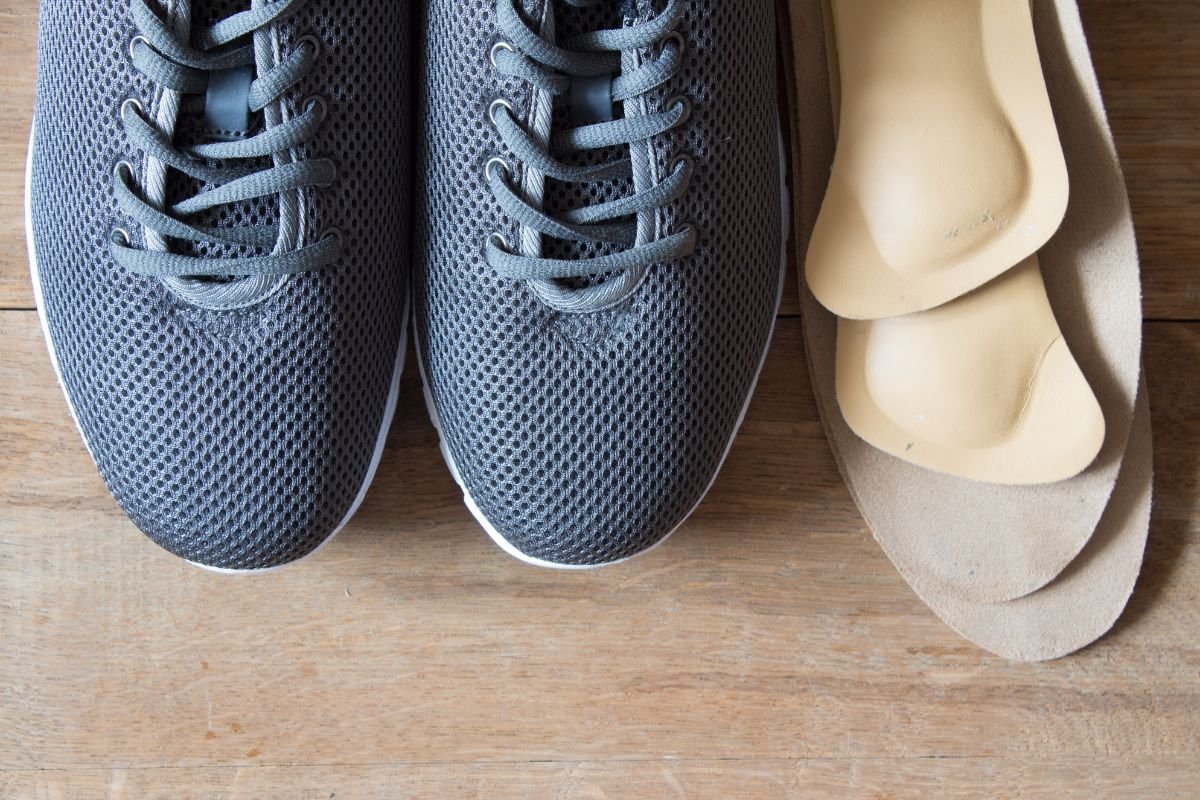
Utilize Arch Support Insoles

Utilizing arch support insoles is another helpful tip for caring for your feet. If you need a bit of extra comfort for your feet while you work, you can add insoles to the inside of your shoes that provide additional arch support. These insoles come in several shapes, styles, and sizes to meet your specific needs. You’ll want to make sure that you purchase the right size so that they aren’t too big or too small for your shoes. When you find the correct size for you, follow the insertion instructions and enjoy added comfort throughout the day.

Wear Comfortable Footwear

There is another thing you can do to avoid foot pain, and it’s perhaps the most important on this list: wear comfortable footwear. One of the main reasons people experience foot pain is because they are wearing uncomfortable shoes. You want to avoid wearing shoes that lack proper support. Therefore, you should look for a pair of shoes that offers enough cushion to keep your feet feeling their best.

You also want to ensure that you are wearing the correct shoe size. If you wear shoes that are too big or too small, you risk rubbing and blistering. There are several reasons your shoes may be hurting you, so it’s important to choose the next pair with a focus on preventing foot pain.

Now that you have some ways to care for your feet when standing all day, you can utilize these tips now. The more comfortable your feet are, the easier it will be to get your necessary tasks done every day.

Tags Health, Lifestyle

Photo by Louis Hansel on Unsplash

Pick A Diet You Can Stick with for the Rest of Your Life

October 10, 2022

If you are debating which diet to try, consider asking yourself a simple question:

Could you eat this way for the rest of your life?

If the answer is no, move on. This is often the case for overly restrictive diets such as keto, carnivore, or vegan.

If the answer is yes, you’ve likely found the ‘diet’ for you.

Diets such as the Mediterranean Diet or DASH don’t capture most of the headlines because they are not controversial.

But these are the types of diets you can stick with for life.

Some people can eat a very low carb diet over the long haul, but most cannot — often relapsing and binging once they slip up once.

The key is to figure out what will work for you. Not for the next week. For the rest of your life.

There is no need to even label your diet. Instead, think about certain meals you can eat regularly without feeling deprived or hungry afterwards.

For me, it’s pretty simple.

Breakfast = Oatmeal (or oat bran), topped with walnuts, blueberries, and cinnamon

Lunch = Big salad with leafy greens (kale, arugula, spinach), other veggies (tomatoes, peppers, etc.), lean protein (grilled chicken, turkey, shrimp), some cheese and nuts, dressed with extra-virgin olive oil and balsamic vinegar.

Dinner = Lean Protein (chicken, fish, meat) + veggies (asparagus, Brussels sprouts, broccoli, cauliflower)

Snacks = Fruit (apples, pears), nuts (almonds, cashews), light cheese

I can eat these meals (with slight variations) over and over again without getting bored. They fill me up, are nutritious, and taste good (to me, anyway).

I’ve experimented with just about every diet, but most don’t stand the test of time (even if they are ‘healthy’).

Don’t worry about what the experts say (even me).

Find the eating plan — or specific meals — that work for you day in and day out and stick with that.

A healthy diet only works if you can do it consistently.

What you do consistently throughout your life matters far more than what you do on any given day.

So figure out how you want to eat forever and start eating that way today.


Sign up for my new online course Top 10 Habits for Living Well. The course is based upon a decade of research, expert insight, and personal experimentation. Apply the most proven tactics to become happier, healthier, & more successful.

Tags Health, Diet, Nutrition
Comment

Signs Your Partner May Have a Sleeping Disorder

October 4, 2022

Noticing the warning signs your partner may have a sleeping disorder could help save them from long-term health concerns if you handle the problem now.

A good night’s sleep makes everyone’s life a little better. However, if you share a bed with someone, a bad sleeping night for them could turn into a restless night for you. Learning the signs that your partner may have a sleeping disorder can help you address the problem before it becomes a major concern. 

Always Tired & Requires Naps 

You might know more about your partner’s sleeping habits than they know, including the frequency at which they are sleepy and need a nap. If you both go to sleep at a reasonable hour and your partner is clamoring for a nap within a couple of hours of waking up, it could be a sign there’s a problem. Express your concern to your partner if a weekend nap seems to be an absolute necessity for them to function. They may downplay their exhaustion’s effect on them, but seeing a doctor is the only way to find the answers. 

Short-Tempered

When we lack sleep, we tend to lose our cool faster. Even the most minor inconvenience could have your partner seeing red. Being around someone who is perpetually angry is not a fun thing for anyone. Therefore, if your partner is more quick-fused than usual, it could signify a larger issue. Telling them to calm down will only add fuel to that fire. Instead, ask them to get the verdict from a sleep specialist if you suspect a sleeping disorder affects their mood.

Frequent Wake-Ups

Sleeping next to someone who wakes up multiple times throughout the night is equally as frustrating for you as it is for them. Their stumbling to the bathroom will make the floor creak, undoubtedly waking you up. It’s understandable if this happens on random occasions, but if it’s an every-night thing, then something is amiss. Constant wake-ups could signify a more serious health issue that could rear its ugly head if not taken care of sooner.

Deeper Snoring 

Snoring is the most obvious and vociferous warning sign that your partner may suffer from a sleeping disorder. Snoring may be just a disturbance with no concerning cause, but it could also be something more serious like sleep apnea. If your partner has sleep apnea and still snores, it’s important to ensure their CPAP machine is working properly. You might also consider revisiting a sleep specialist. Snoring can also be caused by arthritis, which is known as obstructive sleep apnea. This can be treated by prescription arthritis medication, but you may need to see a specialist first, to make sure this is the right course of action.

Recognizing the signs that your partner may have a sleeping disorder could be a lifesaver. The longer these symptoms go on, the worst things could become, so alert them if they exhibit any of these ominous indicators.

It is worth mentioning that these symptoms could simply reflect poor sleep hygiene as opposed to a full-blown sleep disorder. To sleep well, it is important for people to prioritize sleep in their life and prime their environment and body for sleep. Here are some tips and tricks to help your partner (and you) get a great night’s sleep.

Tags sleep, Health, Wellness, Lifestyle

Photo by Mark DeYoung on Unsplash

How to Select Truly High-Protein Foods

September 29, 2022

Many people are prioritizing protein these days, and for good reason.

Protein is the most satiating macronutrient, helping you feel more full with less food. Protein also notoriously supports muscle recovery and growth, which is especially important as we age.

But a lot of people think they are eating high-protein foods when they are really not.

Certain foods, like almonds, contain a moderate amount of protein (6g of protein per 1 oz. serving), but they are actually dominant in another macronutrient (that same 1 oz. serving of almonds contains 14g of fat).

Almonds are a healthy food, but they should be viewed as a better source of monounsaturated fat than protein. All nuts fall into this category.

Beans would be another similar example. Black beans have a decent amount of protein (15g of protein per 1 cup serving), but they are more dominant in carbohydrates (41g of carbs in that same 1 cup serving). Beans are a healthy food, and a great source of complex carbs, but they are not a protein powerhouse.

The key to choosing a truly high-protein food is to ensure it contains at least 40% protein. There is a trick to determine if a food passes the 40% protein test:

  1. Find protein grams per serving on the nutrition label and multiply by 10.

  2. Compare the protein times 10 value to total calories per serving.

  3. If protein x 10 is equal to or more than calories, the food is at least 40% protein and should be considered a high-protein food.

  4. If protein x 10 is lower than calories, the food is less than 40% protein and should not be considered a high-protein food.

Credit: Ted Naiman, Instagram

You can use this trick at the grocery store by quickly running the numbers based on the nutrition label.

All sources of lean protein will easily pass the test, including chicken breast, turkey, shrimp, and fish.

You’ll need to select lean beef to qualify. Most fattier cuts of meat, as well as processed meat such as bacon and sausage, will be higher in fat than protein and won’t pass the 40% test.

Whole eggs actually contain slightly lower than 40% protein (6g of protein in a 70+ calorie egg), but egg whites easily pass the test (4g of protein and only 18 calories per egg white).

Most forms of full-fat Greek yogurt will fall below the 40% threshold, and the same can be said for yogurt with lots of added sugar.

However, non-fat Greek yogurt without added sugar easily passes the test. That variety of yogurt contains 16g of protein and only 90 calories per serving, making it a terrific high-protein choice.

Although most of the high-protein foods mentioned so far are animal products, fear not if you are a vegan — there are plant-based options that pass the test including seitan (21g protein, 104 calories per serving), tofu (17g protein, 144 calories per serving), lupin beans (26g protein, 198 calories per serving), textured vegetable protein (9g protein, 56 calories per serving), nutritional yeast (3g protein, 20 calories per serving), and certain forms of bean-based pasta (24g protein, 180 calories per serving).

There are plenty of options from which to choose.

Whether you are a vegetarian or an omnivore, if you are trying to prioritize protein in your diet, make sure your high-protein foods pass the 40% test.

…

Sign up for my new online course Top 10 Habits for Living Well. The course is based upon a decade of research, expert insight, and personal experimentation. Apply the most proven tactics to become happier, healthier, & more successful.

Tags Health, Diet, Nutrition, Lifestyle

Launch of My New Course — The Top 10 Habits for Living Well

September 27, 2022

If you have been reading my articles for a while, you know I am fascinated with the best habits for living well.

I believe living well is the ultimate goal in life and it is achieved through the perfect blend of happiness, health, productivity, and success.

I read everything I can get my hands on related to this topic and continuously experiment with new tactics to see what works in my own life.

After a decade of research and personal experimentation, I have distilled my learnings into a new online course — The Top 10 Habits for Living Well.

The course is live now and open for enrollment here: https://10habitsforlivingwell.thinkific.com/

In the course, each habit is structured as its own chapter. For each chapter, there is a short reading assignment, quiz, and action items to apply to your life.

There is also a printable 1-page version of all action items for easy reference.

The entire course is estimated to take between 2–3 hours to complete.

My sincere hope is that everyone who enrolls in this course will learn actionable and practical tips to improve their life.

The first 10 people who sign up will receive a free 1-hour coaching session with me ($250 value) to help put the principles of the course into action.

I appreciate all the support and loyalty from my readers over the years and I can’t wait to hear what you think about this new course!

Sincerely,

Andrew

Tags happiness, Health, productivity, Success, Lifestyle

Photo by Hush Naidoo Jade Photography on Unsplash

World’s Oldest Doctor Has a Prescription for a Long Life

September 23, 2022

Dr. Howard Tucker is the world’s oldest practicing doctor. The 100-year-old neurologist has been working in medicine for 75 years.

As a centenarian with extensive medical expertise, Dr. Tucker is uniquely qualified to share what leads to a long life.

Of course good genes help (his mother lived to 84 and his father to 96), but Tucker has adhered to several lifestyle practices we can all follow.

Exercise

Tucker has exercised throughout his life, regularly swimming, running, and skiing. He no longer skis after breaking his neck skiing in his late 80s, but he has turned to snowshoeing and uses an old-fashioned NordicTrack in his home gym which is similar to skiing. He also uses a treadmill and stationary bike in his home gym.

Enjoy Food and Alcohol in Moderation

Tucker enjoys all types of food in moderation. He drinks alcohol socially and is even known to have a martini on Friday nights. He has never been a smoker.

Don’t Retire and Keep Learning

“I look upon retirement as the enemy of longevity,” Tucker said. He has always enjoyed his work, aiming to learn something new every day. If you do decide to retire, he says you “should at least do something as a hobby, whether it be communal work or self-hobbies… you need a stimulus for the brain daily.”

In addition to still working as a doctor, Tucker makes it a point to keep up with technology (he has a computer and smartphone), he passed the Ohio Bar Exam at age 67 because he was interested in law, and he keeps up with the medical field by studying and reading. He has stimulated and challenged his mind throughout his life.

Cultivate Happiness

“You have to be happy in your job and in your domestic life,” Tucker has said. His happiness has stemmed from his wife and 4 children (all college graduates and professionals — 3 attorneys and 1 physician). He also derives great happiness from his work.

“Lastly, I carry with me no hate for any ethnic group, religious affiliation, or race,” he said.

…

Dr. Tucker has a refreshing outlook on life which has certainly supported his longevity.

“I would tell my teenage self to learn each day as if I were to live forever, and to live each day as if I were to die tomorrow.”

That’s terrific advice for us all to follow.

Tags Health, Longevity, Lifestyle
Comment

Photo by Lena Mytchyk on Unsplash

The Best Foods for Gut Health

September 14, 2022

If you want to boost health and immunity, focus on nourishing your gut.

70% of the immune system is located in the gut. The foods we eat affect the bacteria in our gut, which in turn affect immune cells.

The microbiome and the immune system are intertwined, and diet plays a critical role to support both.

Here are the best food groups and specific foods to eat for optimal gut health:

High-Fiber Foods

Fiber helps with gut health by aiding digestion and preventing constipation. Some of the best high-fiber foods for gut health include:

  • Dark leafy greens (kale, arugula, spinach, chard)

  • Fruit (especially berries and apples and pears with the skin on)

  • Oats and oat bran

  • Beans and lentils

  • Nuts and seeds (especially walnuts, almonds, and pumpkin seeds)

Probiotic / Fermented Foods

Probiotic foods contain living microorganisms that can build up beneficial bacteria in your gut. These are excellent probiotic foods to include in your diet:

  • Yogurt (Low-fat or nonfat Greek yogurt without added sugar is best)

  • Kefir (fermented milk that is similar to yogurt)

  • Sauerkraut (fermented cabbage)

  • Kimchi (fermented vegetables)

Prebiotic Foods

Prebiotic foods contain a type of soluble fiber that helps create good bacteria in the gut. Here are some of the best prebiotic foods:

  • Bananas (choose slightly green bananas to reap the benefits of resistant starch)

  • Asparagus

  • Onions

  • Oats

  • Garlic

  • Chicory root

  • Dandelion greens

  • Jerusalem artichokes

Polyphenols

Polyphenols can help promote the growth of good bacteria in the gut and help fight the bad bacteria. Foods high in polyphenols usually taste great too. These are all great sources of polyphenols:

  • Coffee

  • Tea

  • Dark Chocolate (at least 85% cocoa)

  • Berries

  • Red Wine

Anti-Inflammatory Foods

Inflammation is linked with nearly every major disease, including cancer, heart disease, diabetes, and Alzheimer’s. Anti-inflammatory foods help keep chronic inflammation at bay while also supporting gut health. These are great examples of anti-inflammatory foods to eat regularly:

  • Fatty Fish (including salmon, sardines, herring, tuna, and mackeral)

  • Walnuts

  • Flax seeds

  • Extra-Virgin Olive Oil

  • Turmeric

  • Cherries and Pineapple

…

Those are all the important foods groups to support a healthy gut. An excellent strategy to feed your gut is to create meals combining all of the above elements.

For example, oatmeal (high fiber, prebiotics) with yogurt (probiotics), topped with walnuts (anti-inflammatory), blueberries (polyphenols) and bananas (prebiotics), enjoyed with a cup of coffee or green tea (polyphenols). That would be a fantastic breakfast for gut health.

Pick the foods you like best from the above groups and mix and match to optimally feed your gut.

And if you want to suggest these foods to others, take a look at the best video maker. It will help you to create and edit a prominent video of your diet which helps you in managing your gut health.

Tags Health, Food, Nutrition
Comment

Photo by amoon ra on Unsplash

The Top 30 Anti-Inflammatory Foods

September 11, 2022

Inflammation is linked with nearly every major disease, including cancer, heart disease, diabetes, and Alzheimer’s.

Unfortunately the Standard American Diet (SAD) — full of refined sugars and grains and ultra-processed food — is a leading cause of the chronic inflammation we’re trying to avoid.

It can be hard navigate our current food culture, but our health depends on it. Fortunately there are many great foods you can eat to reduce inflammation in the body.

Here is a list of the Top 30 anti-inflammatory foods and drinks, herbs and spices, and supplements to enjoy in your daily diet:

Foods and Drinks

  1. Fatty fish (including salmon, sardines, herring, tuna, and mackerel)

  2. Leafy greens (including spinach, kale, arugula, and chard)

  3. Berries (including blueberries, raspberries, strawberries, and blackberries)

  4. Tea (including green tea, white tea, and herbal teas)

  5. Shiitake mushrooms

  6. Garlic

  7. Cucumbers

  8. Pineapple

  9. Cherries

  10. Dark chocolate (ideally 85%+ cacao)

  11. Extra-virgin olive oil

  12. Flax seeds

  13. Nuts (especially walnuts and almonds)

  14. Pumpkin seeds

  15. Fermented foods (including sauerkraut, kimchi, kefir, and miso)

Herbs and Spices

  1. Ginger

  2. Turmeric

  3. Cinnamon

  4. Cloves

  5. Rosemary

  6. Oregano

  7. Allspice

  8. Thyme

  9. Sage

  10. Marjoram

Supplements

  1. Omega-3 EPA/DHA (from fish, krill, or algae oil)

  2. Vitamin D3

  3. Green Tea Extract

  4. Curcumin

  5. Garlic

Add these items to your next grocery list and you’ll start keeping inflammation at bay.

Tags Health, Food, Nutrition, Performance, Longevity
Comment

The Best Office Snacks for Employee Productivity

September 8, 2022

With the shift back to in-person work, it’s important for employers to take extra care with their employees' health. An article on workplace wellness by the World Economic Forum shares how businesses need to consider 360-degree wellness, from work-life balance to physical and mental health support, and additional services like childcare and caregiving. Investing in employee culture and health is essential for workplace productivity and retention, translating to company success.

While many employers are considering changes to their work systems, they might not put much weight into cultivating a healthy food culture at work. One tip on building better employee relationships from LHH notes how some employers have tried in the past to make work “fun” by offering employees free food. However, this tactic didn’t quite build productive relationships between employer and employee. In part, this could be because of the intention behind the strategy. Instead of using free food as a one-off tactic to motivate employees, employers should use it as a tool to support workers’ overall well-being.

To encourage healthier habits, office spaces should actively provide opportunities to eat healthy food. A study by the Journal of Public Health Research found that workspaces that offered nutrition and health interventions saw both short and long-term benefits. These interventions increased nutrition knowledge among employees, as well as improved body mass index and blood biomarkers, resulting in higher productivity and reduced absenteeism. If you are interested in improving workplace productivity, here are some snacks you should stock up on at the office:

Trail mix

A great way to keep a good balance between nutrition and enjoyment is trail mix. The combination of nuts and dried fruits provide a good set of macronutrients — healthy fats, carbohydrates, and protein. Furthermore, nuts can help you stay full between meals, allowing you to stay away from unhealthier options. Trail mix can usually be stored in an airtight container without refrigeration, making it the perfect option to leave in the shared food pantry.

Greek yogurt

Unsweetened Greek yogurt is a snack high in protein and probiotics, which improves digestion and immune system function. It also hosts Vitamin B12, or cobalamin, an essential vitamin for the formation of red blood cells and DNA, on top of supporting the development and function of the nervous system. This helps you stay in tip-top shape at work, preventing anemia and enhancing brain function. Greek yogurt is often sold in small, disposable cups which makes it a low-effort and easy-to-eat option in the office.

Fruit

One of the best options for healthy snacking is fruit. Fruit is loaded with various vitamins and minerals which help provide a boost in energy needed at work. In addition, several fruits like apples, avocados, and pears are good sources of fiber that can benefit you in the long term. My post on “Why You Should Eat (A High-Fiber) Breakfast” shares how eating a breakfast high in fiber can reduce heart disease, lower the risk of type 2 diabetes, lessen inflammation, and substantially lower all-cause mortality. To enhance your snack, you can pair your fruit with oatmeal or whole-grain cereal to leave you more satiated.

Dark chocolate


While chocolate is usually associated with being an unhealthy treat, dark chocolate actually has many health benefits. The health benefits of dark chocolate reported by Insider are that it reduces the risk of cardiovascular diseases, lowers inflammation, and even improves brain function and memory. Moreover, it’s capable of reducing oxidative stress in the body through flavonoids and polyphenols, lowering the potential damage to our cell’s DNA. As an enjoyable treat, eating dark chocolate while at work can also reduce mental stress, helping you stay productive and calm on tough days.

Tags Health, Food, Nutrition

Photo by Wasa Crispbread on Unsplash

5 Things You Can Do To Live 14 Years Longer

September 1, 2022

Harvard researchers conducted a huge study to determine how lifestyle habits influence life expectancy. The research analyzed data from more than 120,000 people over 34 years.

The findings revealed that 5 specific lifestyle habits help you live much longer. Incorporating all 5 of the habits at age 50 was associated with living 14 years longer for women and 12 years longer for men. Here are the 5 habits:

1. Eat a Healthy Diet

Defined as eating more foods like vegetables, fruits, nuts, whole grains, healthy fats (from foods like avocado, olive oil, nuts, and seeds), and omega-3 fats (i.e. from fish), and less unhealthy foods such as processed meats, sugar-sweetened drinks, trans fat, and added salt.

2. Do Regular Physical Activity

This one is pretty simple — defined as doing an average of 30+ minutes of moderate to vigorous activity per day.

3. Maintain a Healthy Body Weight

Defined as having a normal body mass index (BMI) between 18.5 and 24.9. Calculate your BMI here.

4. Don’t Smoke

This means you have never been a smoker.

5. Moderate Alcohol Intake

This one is a bit more nuanced. It is measured as between 5–15 grams per day for women and 5–30 grams per day for men. A typical drink contains about 14 grams of alcohol (e.g. 12 ounces of regular beer, 5 ounces of wine, or 1.5 ounces of spirits). So it equates to up to 1 drink per day for women, 2 for men.

If you find yourself becoming too heavily reliant on alcohol each day then it may be time to give it up completely. This can take a long time and a lot of willpower, you have to be totally ready to give up alcohol. If you need a hand with this from experts then take a look at addiction treatment for men. Here you will find programmes to join where other people are in a similar boat. You never know you might make a friend for life.

…

If you maintain all 5 of these habits by age 50, you can expect to live to 93 if you’re a woman and 88 if you’re a man.

However, if you do none of these habits, the data shows you’re far more likely to die prematurely from cancer or cardiovascular disease.

But it isn’t all or nothing. Just one healthy habit — and it didn’t matter which one — extended life expectancy by 2 years in men and women.

These 5 habits are actionable and practical to implement. If you have never smoked, you’re already 1/5 of the way there.

Make it a goal to check off all 5 boxes — ideally by the time you’re 50 — and you can look forward to living over a decade longer.

Tags Health, Longevity, Lifestyle
Comment
← Newer Posts Older Posts →

SEARCH:


xJGh6cXvC69an86AdrLD98-320-80.jpg

View Andrew's work on Medium


COMMON THEMES:

  • Books
  • Business
  • Coffee
  • Diet
  • Exercise
  • Finances
  • Fitness
  • Food
  • Health
  • Lifestyle
  • Longevity
  • Nutrition
  • Performance
  • Psychology
  • Sports
  • Success
  • Technology
  • Travel
  • Wellbeing
  • Wellness
  • Work
  • excercise
  • habits
  • happiness
  • health
  • productivity
  • sleep
  • success
  • time management
  • well-being